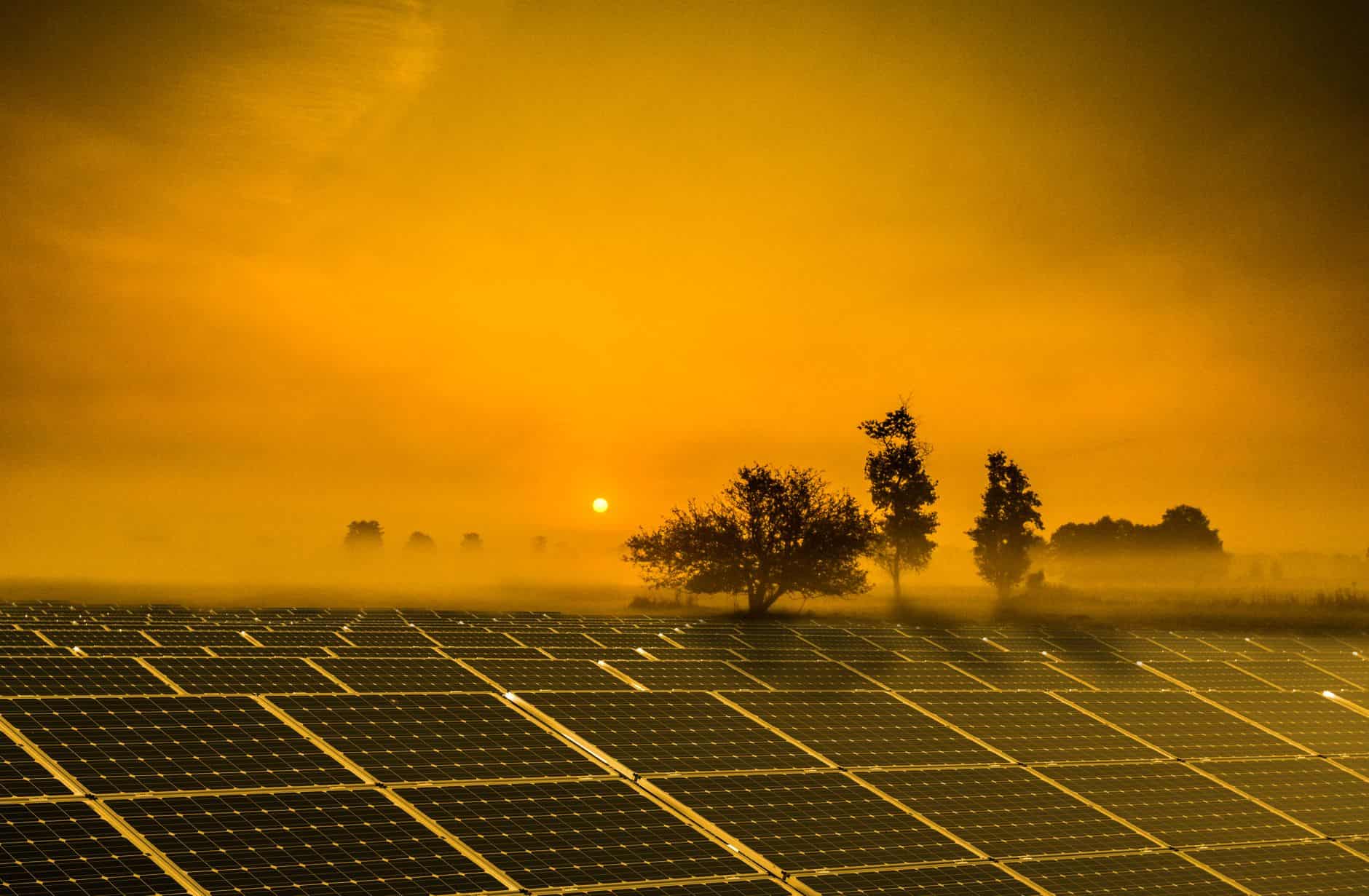
El Niño to Boost Solar Irradiance 2026
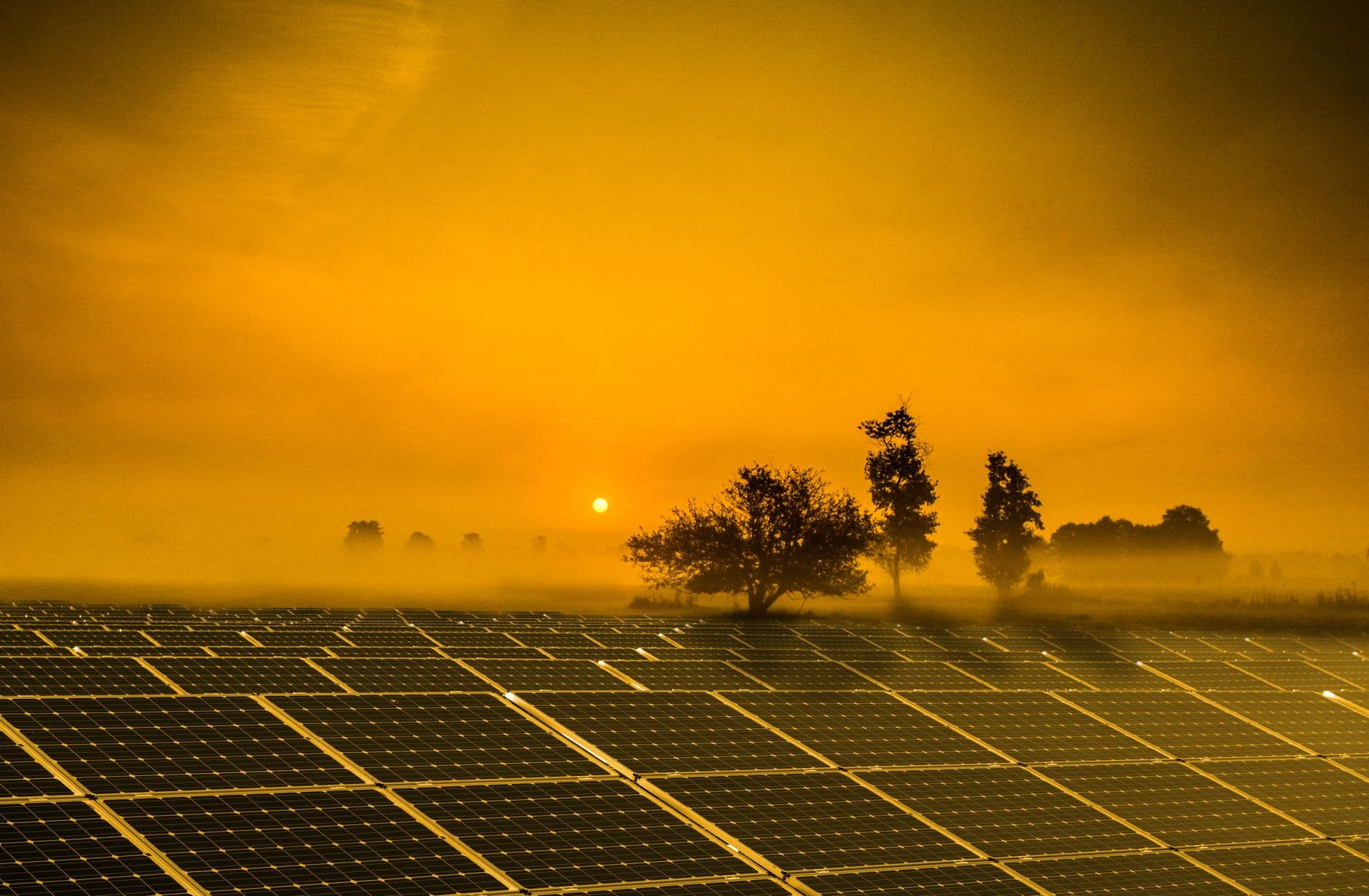
Quick answer: A strengthening El Niño will lift solar irradiance above normal in the second half of 2026, with the clearest gains in Southeast Asia and central‑western Europe.
The forecast, compiled by Solcast – a DNV‑owned analytics firm – stitches together seasonal outlooks from the European Centre for Medium‑Range Weather Forecasts (ECMWF), the UK Met Office, the Japan Meteorological Agency and the US National Centers for Environmental Prediction. All four models agree on a sunny boost for Southeast Asia, while the spread is widest over North America, meaning confidence is highest where the models line up and lower where they diverge.
How the forecast was built and where confidence lies
Solcast’s workflow starts with the four leading global meteorological centres, each publishing a six‑month seasonal forecast for the latter half of 2026. By overlaying these forecasts on a 1‑2 km grid, Solcast identifies where the signs (above‑ or below‑normal) match. The strongest consensus appears across Southeast Asia – all four models predict an above‑normal global horizontal irradiance (GHI). In contrast, North America shows the greatest disagreement, so the outlook there is labelled “uncertain”.
The company’s own satellite‑derived cloud‑tracking AI/ML engine then refines the raw model output, delivering a bias of less than 2 % versus observed data. More than 350 firms managing over 300 GW of solar assets worldwide already rely on this high‑resolution product, underscoring its industry relevance.
Regional highlights – where sunshine will surge and where clouds may linger
- Southeast Asia – All four models point to a robust irradiance anomaly, driven by warmer Pacific waters that shift convection eastward and thin tropical cloud decks. Singapore’s cumulative 2026 GHI is already tracking toward the top of its historical range.
- Europe – Central and western Europe are set to finish the year about 5 % above the long‑term average, with reduced cloud cover sustaining the early‑year gains. Paris, for example, is on track for one of its sunniest years on record.
- North America – The picture is mixed. The central United States may see modest gains, while the northern and southern margins could experience slight reductions. The overall national balance remains slightly positive, but regional investors should note the model spread.
- Australia – The east and west coasts are forecast to stay above normal, whereas the interior may dip below average. This coastal‑focused boost mirrors the tropical shift of the El Niño pattern.
- South America – Northern regions (e.g., Colombia, Venezuela) are expected to end the year above normal, while the southern cone (including São Paulo) may finish below average despite a sunny start.
Translating the forecast into energy terms
An increase in GHI generally translates into a comparable increase in energy yield for fixed‑tilt PV systems, providing additional clean electricity that can be valuable for households, businesses and grid operators.
What it means for Israel
Israel is not directly covered in Solcast’s regional map, but the same El Niño‑driven atmospheric dynamics that brighten Southeast Asia and Europe can also raise sunshine over the Eastern Mediterranean. A modest uplift in solar yield would be tangible for local installations.
Worked example (illustrative):
- A standard 10 kWp rooftop system in central Israel normally generates ~17,000 kWh / year (based on the typical 1,700 kWh kWp⁻¹ yield).
- At the residential feed‑in tariff of ₪0.48 /kWh, that production is worth ~₪8,160 per year.
- With a typical turnkey cost of ₪31,500 (10 kWp × ₪3,150 /kWp), the simple payback is about 3.9 years.
- If the region experiences a modest increase in sunshine, the output and payback period would improve further.
Even a modest boost shortens the return horizon and improves the internal rate of return for homeowners and small businesses. Solar developers can use the Solcast outlook to fine‑tune project timing, storage sizing, and power‑purchase agreements, especially for large‑scale farms that sell into the wholesale market.
How developers and investors can act on the forecast
- Pre‑construction planning – Align ground‑mount layout and tilt angles to capture the expected higher irradiance during the peak months (July‑September).
- Financial modelling – Consider the possibility of higher yields when projecting cash‑flows for 2026‑2027.
- Operations & maintenance – Anticipate slightly higher module temperatures; schedule cleaning to avoid performance losses from dust that can offset the sunshine gain.
- Risk management – Hedge against the higher uncertainty in North America by diversifying asset locations or using weather‑derivative contracts.
Outlook beyond 2026 and lingering uncertainties
The monthly GHI outlook suggests the irradiance anomaly will stay fairly stable through October, after which November‑December become more variable, especially in China and the United States. Should the El Niño remain strong, the positive swing could extend into early 2027, offering additional benefit for projects that span calendar years.
Nevertheless, the spread among the four climate models reminds us that seasonal forecasts retain inherent uncertainty. Stakeholders should treat the Solcast map as a high‑confidence guide for the second half of 2026, but continue to monitor real‑time satellite data as the season unfolds.
The views expressed are those of the author and do not necessarily reflect the positions of pv‑magazine or its partners.
FAQ
When will the El Niño‑driven solar boost occur?
The strongest increase is forecast for July through September 2026, with the anomaly staying fairly steady until October.
Which regions will see the biggest sunshine increase?
Southeast Asia is expected to enjoy the largest positive anomaly (+5‑7 %), followed by central‑western Europe at around +5 %.
How reliable is the forecast?
Confidence is highest where all four major climate models agree – notably Southeast Asia – and lower where their outputs diverge, such as most of North America.
What does a 5 % irradiance rise mean for a home system in Israel?
A typical 10 kWp rooftop would generate roughly 850 kWh extra per year, worth about ₪408 at the residential tariff and cutting the payback time to ~3.5 years.
Can solar developers use this outlook for project planning?
Yes – they can adjust yield assumptions, optimise tilt angles for the sunnier months, and factor the boost into financial models and storage sizing.
Will the sunshine boost continue into 2027?
If the El Niño stays very strong, the positive irradiance trend could spill into early 2027, but November‑December become more variable.
Share this post
More from Research
6
Laser‑Patterned Contacts Boost TOPCon to 26%
A picosecond‑laser and KOH wet‑etch process creates poly‑Si finger contacts that cut parasitic loss and lift certified TOPCon cell efficiency to 26.08%, a boost that could shave years off Israeli rooftop solar payback.
German Lab Starts Calibrating Large‑Area Tandems
Germany’s ISFH now offers calibration for large‑area perovskite‑silicon tandem cells up to 210 mm wafers, a step that could speed high‑efficiency modules onto Israeli rooftops.

Cyber‑Shield for Solar Plants Cuts Attack Risk
A two‑stage state‑estimation framework (EC‑WLSE + EC‑SHGME) can detect up to 95 % of sophisticated false data injection attacks on utility‑scale PV plants, offering a lightweight, hardware‑free cyber shield.
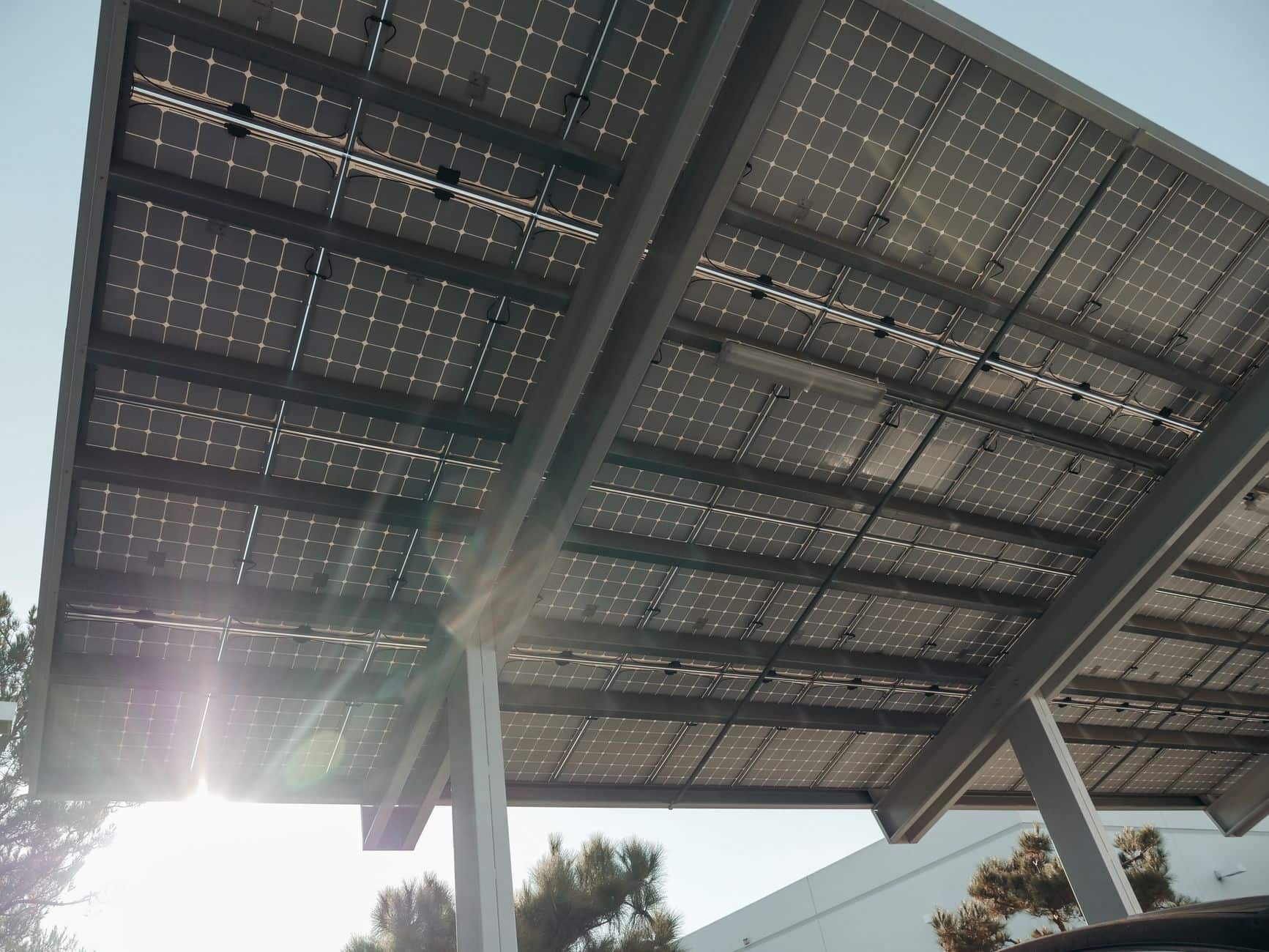
27.3% Perovskite Cell Sets New Efficiency Record
A Chinese research team reached 27.3% efficiency for inverted perovskite solar cells using a dual‑molecule interface, with solid stability and scalability that may benefit Israeli solar installations.
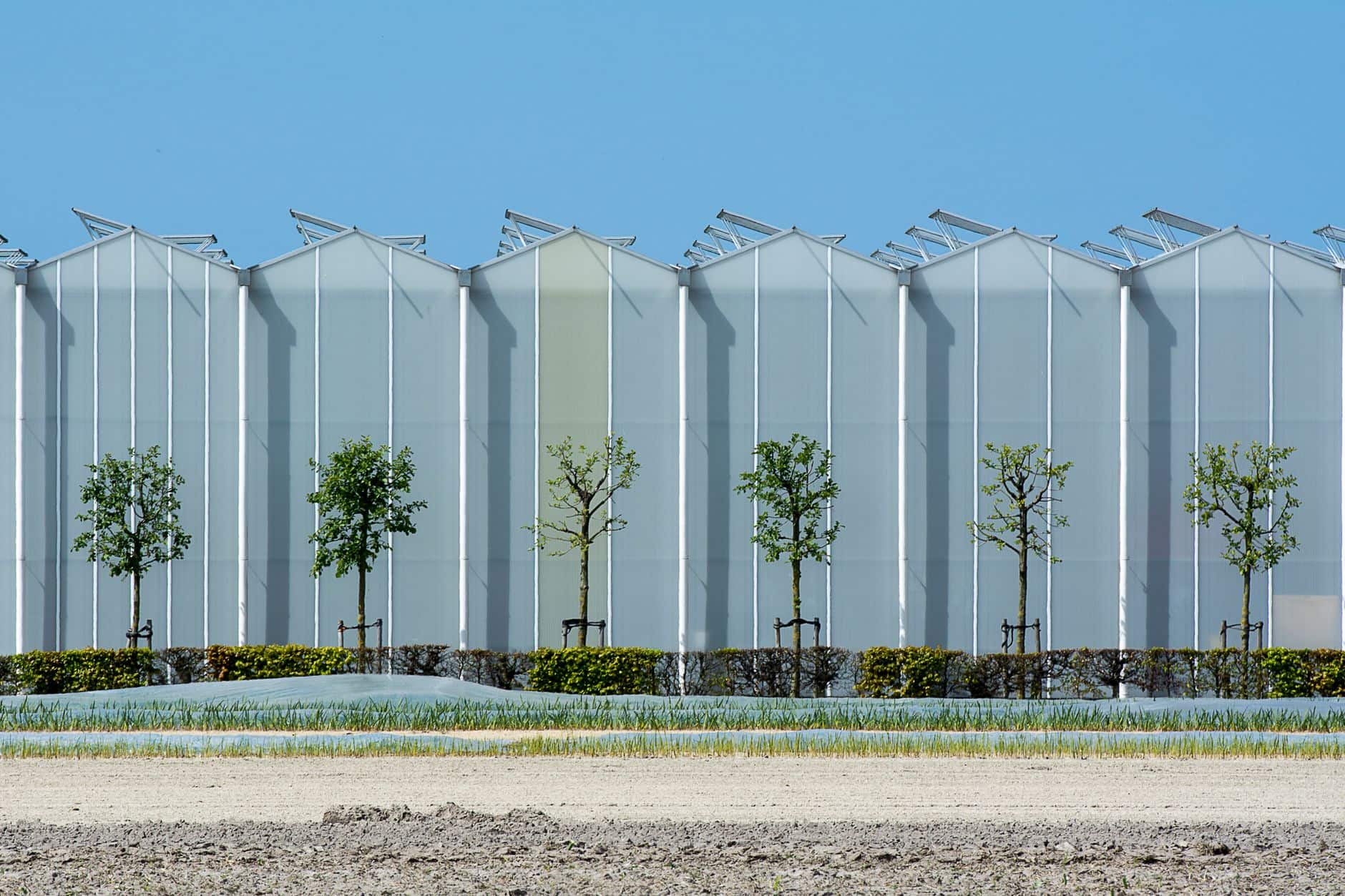
Cold‑Frame Solar Boosts Lettuce 3‑Fold
Semi‑transparent CdTe panels in repurposed crates raised lettuce yields up to 300 % and generate about 213 kWh of electricity per year per frame.
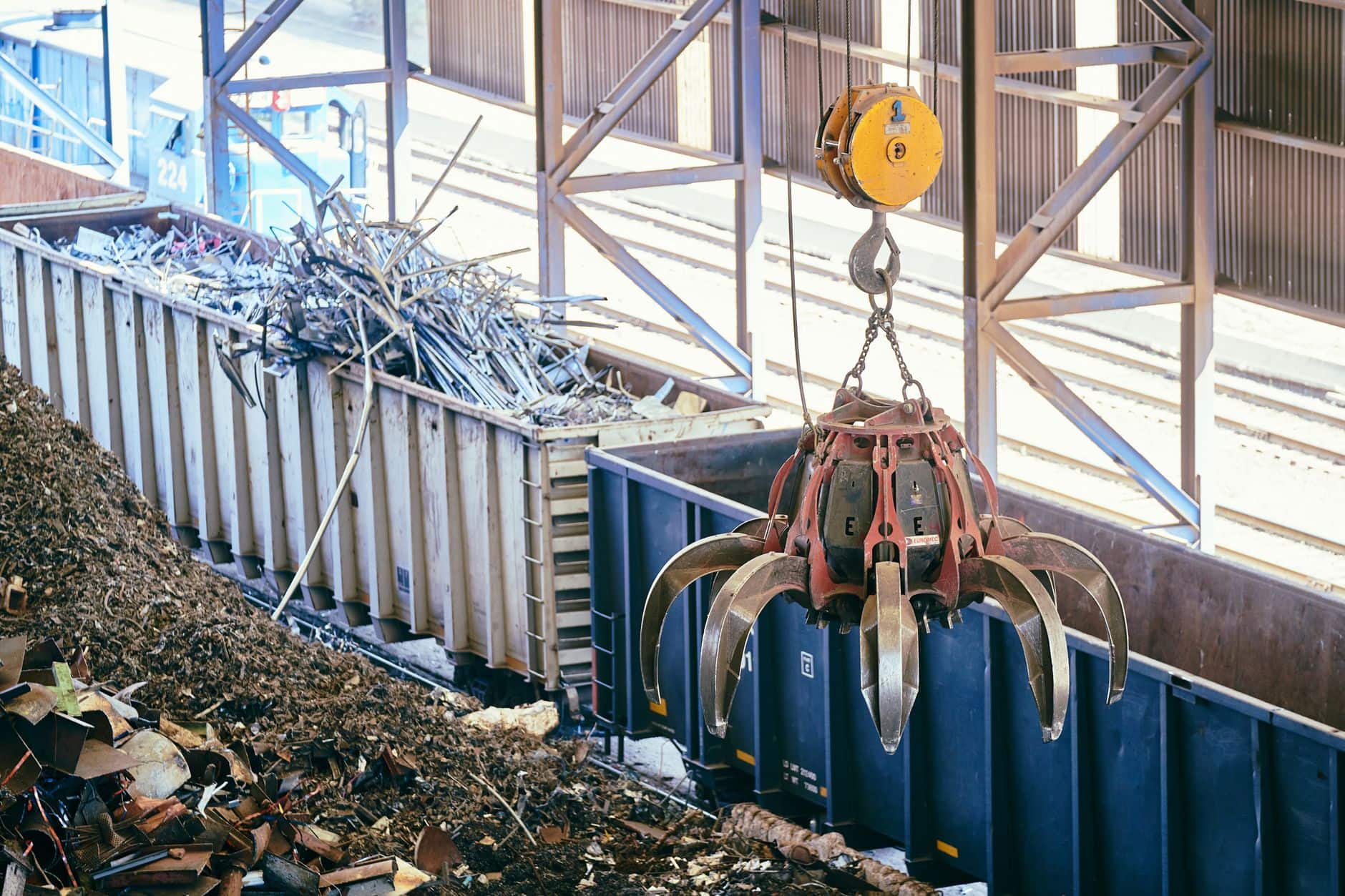
Mild Oxalic Acid Boosts Indium Recycling from Solar Panels
A French CEA‑Liten process recovers 97 % of indium from HJT solar panels in just four hours using mild oxalic acid, also freeing valuable silver.