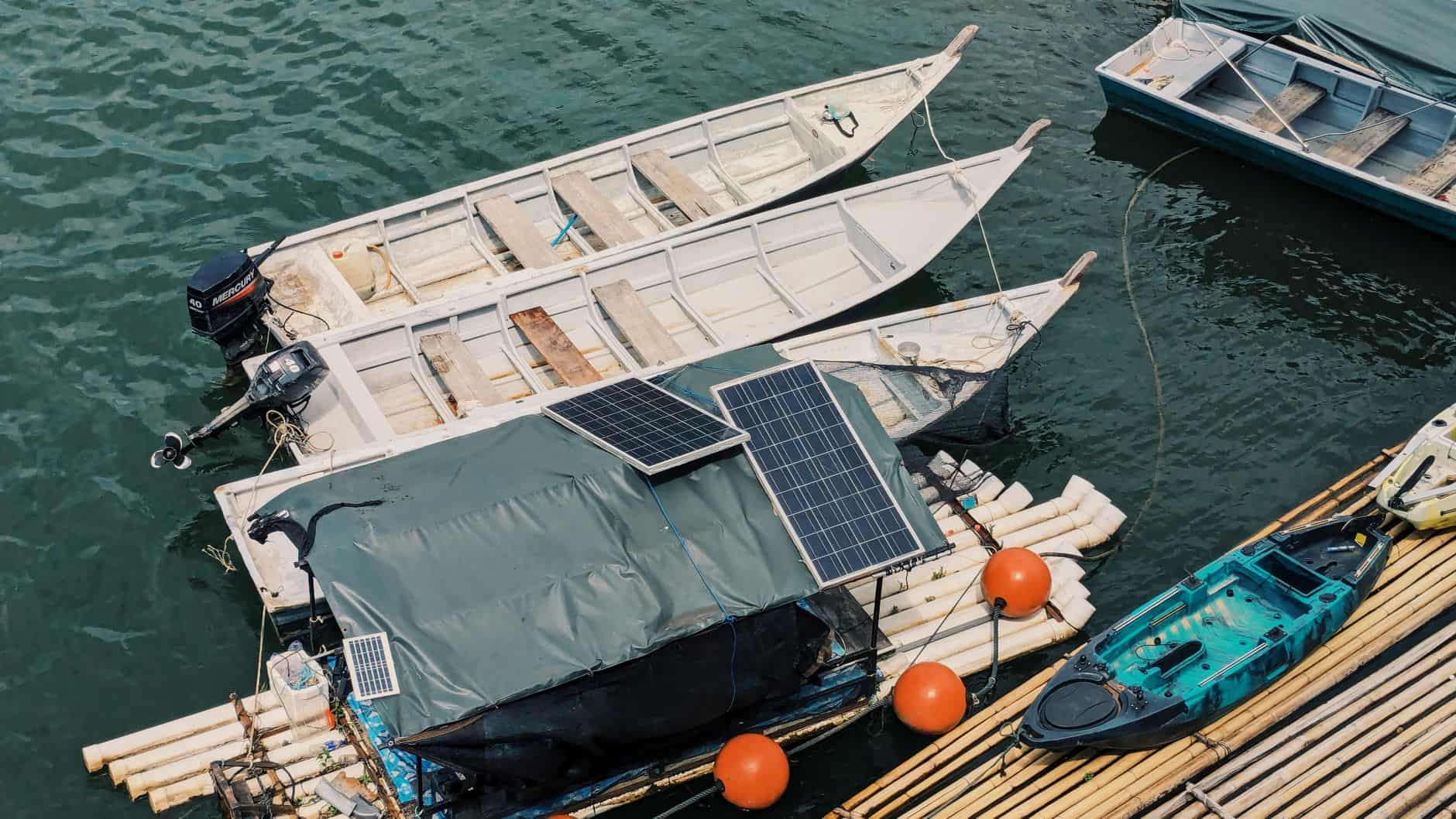
Passive Mooring Cuts FPV Motion by 70%

New passive mooring slashes platform motion
The counterweight‑and‑pulley system reduces surge (front‑to‑back) motion by 71.7% and sway (side‑to‑side) motion by 65.6% compared with a conventional taut mooring. Those percentages come from laboratory‑scale tests where the floating platform was 0.662 m × 0.382 m × 0.027 m and weighed 1.6 kg, supported by 11 small PET floats. The dramatic drop in horizontal displacement means the array stays steadier in waves, which could lead to higher energy yield and lower wear on mounting hardware.
Water‑level tracking works without power
The same mechanism keeps the platform at the correct depth as the water level rises or falls, achieving 75% tracking efficiency across the full 0.8 m depth range tested. Because the counterweight simply slides up and down a central guide bar, no sensors, motors or external electricity are needed – a true passive solution that can be deployed in remote reservoirs where power for active control is scarce.
Lab tests and simulations back the claims
Researchers built a full‑size 3‑D model in CATIA V5 and ran fluid‑structure interaction simulations using the Coupled Eulerian‑Lagrangian (CEL) method in Abaqus/Explicit. The numerical rigour, rarely applied at this early stage of FPV mooring design, matched the physical experiments performed in a 1.0 m × 0.5 m × 0.8 m glass basin. Both the virtual and real tests showed the same order‑of‑magnitude motion reduction, providing a reproducible benchmark for future studies (Nature paper).
How it stacks up against traditional taut moorings
Conventional taut lines keep the array in place but cannot adapt to tidal swings; they also transmit wave forces directly to the structure, causing larger surge and sway. In the same wave conditions, the new passive system cut surge by 71.7% and sway by 65.6%, a performance gap that far exceeds the modest stability gains reported for catenary or taut designs in recent Chinese FPV research (pv‑magazine). The passive design also eliminates the need for active actuators, reducing both capital and O&M costs.
Scaling up: next steps for floating solar
The authors plan three follow‑up paths: (1) scale the prototype to an operational size, (2) test the system under real hydrodynamic loading (e.g., wind‑generated waves on a lake or reservoir), and (3) launch a field pilot. Because the mechanism relies only on geometry and mass ratios, it can be replicated with inexpensive stainless‑steel components and concrete counterweights, making it attractive for large‑scale FPV farms that target shallow, tidal‑fluctuating water bodies.
What it means for Israel
Israel is already installing land‑based rooftop PV at a typical cost of ₪3,150/kWp and enjoying a residential feed‑in tariff of ₪0.48/kWh. A typical 10 kWp home system produces roughly 17,000 kWh/year, worth about ₪8,160 and pays back in roughly 3.9 years. Applying a similar passive mooring concept to floating installations could improve stability and performance, supporting the country’s renewable electricity targets while making efficient use of limited land resources.
For readers wanting to run their own numbers, our solar ROI calculator and market‑data page can help you model the financial impact of floating PV in Israel.
Sources & further reading
- Design and analysis of an innovative mooring system for... - Nature
- Floating Offshore Wind Turbine Final Report and Technical Summary
- Mooring system design for offshore floating photovoltaics – pv magazine International
- #green #fpv #renewableenergy #mooring #abaqus #... - LinkedIn
- Floating Solar Photovoltaic Mooring System Design and Analysis | IEEE Conference Publication | IEEE Xplore
FAQ
How does the passive mooring keep the floating PV at the right depth?
A 1 kg counterweight slides up or down a central guide bar as the water level changes, automatically raising or lowering the platform without any sensors or motors.
What motion reduction does the new system achieve?
Laboratory tests showed a 71.7% reduction in surge (front‑to‑back) motion and a 65.6% reduction in sway (side‑to‑side) motion versus a conventional taut mooring.
Is any electricity needed to operate the mooring?
No. The design is entirely passive, so it consumes zero external power, which is ideal for remote reservoirs.
How was the system validated?
Researchers combined fluid‑structure interaction simulations in Abaqus/Explicit with a physical experiment in a 0.4 m³ glass basin, and both methods gave matching results.
Can this technology be used in Israel?
Yes. By reducing platform motion, the system could raise the capacity factor of a 1 MW floating array by a few percent, adding roughly 30 MWh/year of clean electricity – enough to offset about ₪14,400 at today’s residential tariff.
What are the next steps for the research?
The team plans to scale the prototype, test it under real wave conditions, and eventually launch a field pilot on a lake or reservoir.
Share this post
More from Research
6
תא פרו-פסק משולש משיג 27.3% יעילות
תא פרו‑פסק משולש עם שכבת גרפין‑אוקסיד/ SAM הגיע ל‑27.3% יעילות, ושמר על 90% מה‑PCE אחרי 770 שעות של אור רציף.
Heatwaves Slash Solar Output Up to 90% in Iberia
Iberian heatwaves can slash PV output by up to 90 % in a single hour, with daily losses of up to 17.6 % – a warning that extreme heat, not duration, drives the biggest solar efficiency drops.

Recycling Solar Panels Faces Cost Hurdles
Researchers confirm that all major PV components can be recycled, but sulphur‑coated aluminium, antimony‑laden glass and falling silver content threaten the economics of large‑scale recycling.

El Niño to Boost Solar Irradiance 2026
A strengthening El Niño will lift solar irradiance above normal in the second half of 2026, especially in Southeast Asia and central‑western Europe, with up to 5 % more sunshine in parts of Europe.
Laser‑Patterned Contacts Boost TOPCon to 26%
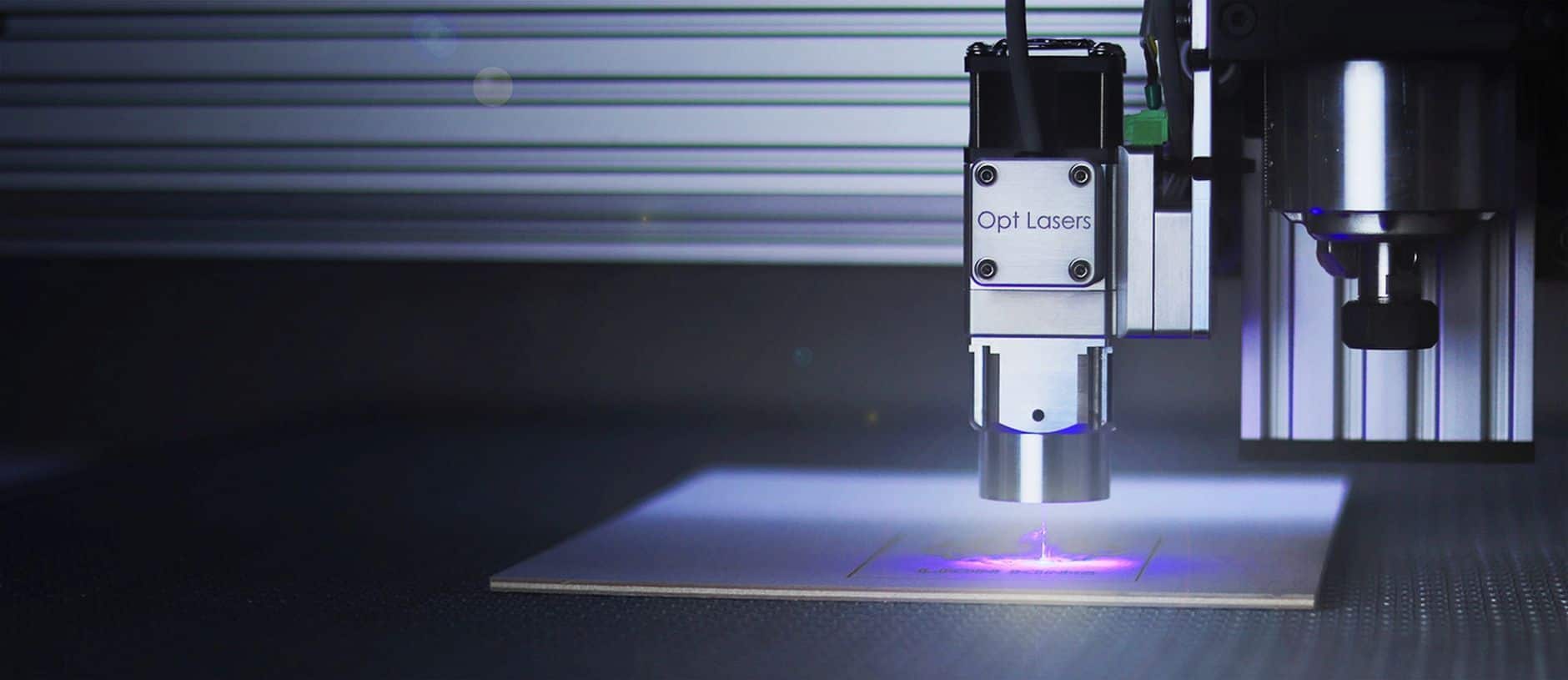
A picosecond‑laser and KOH wet‑etch process creates poly‑Si finger contacts that cut parasitic loss and lift certified TOPCon cell efficiency to 26.08%, a boost that could shave years off Israeli rooftop solar payback.
German Lab Starts Calibrating Large‑Area Tandems
Germany’s ISFH now offers calibration for large‑area perovskite‑silicon tandem cells up to 210 mm wafers, a step that could speed high‑efficiency modules onto Israeli rooftops.