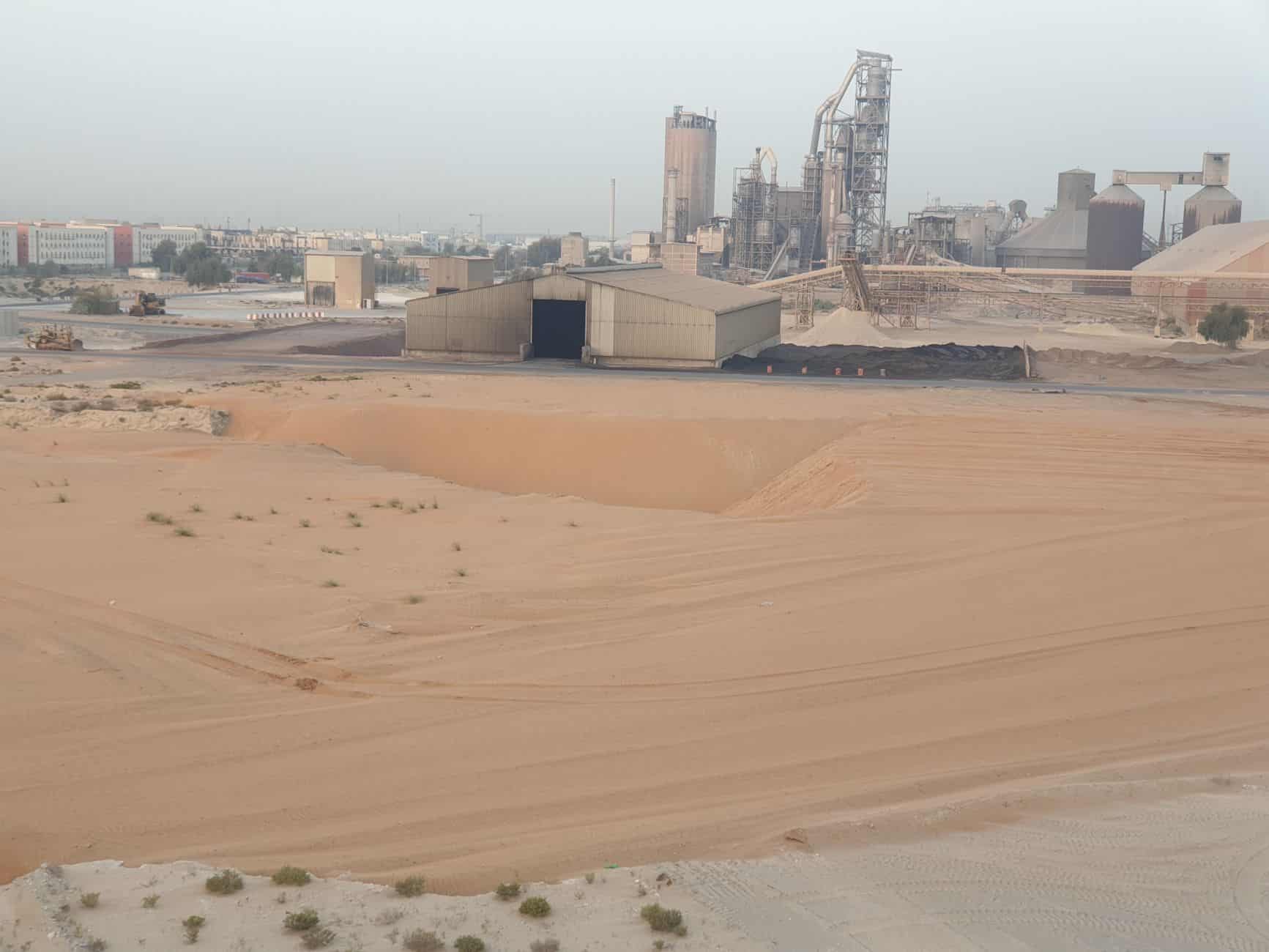
Oman's New Polysilicon Plant Boosts Solar Supply
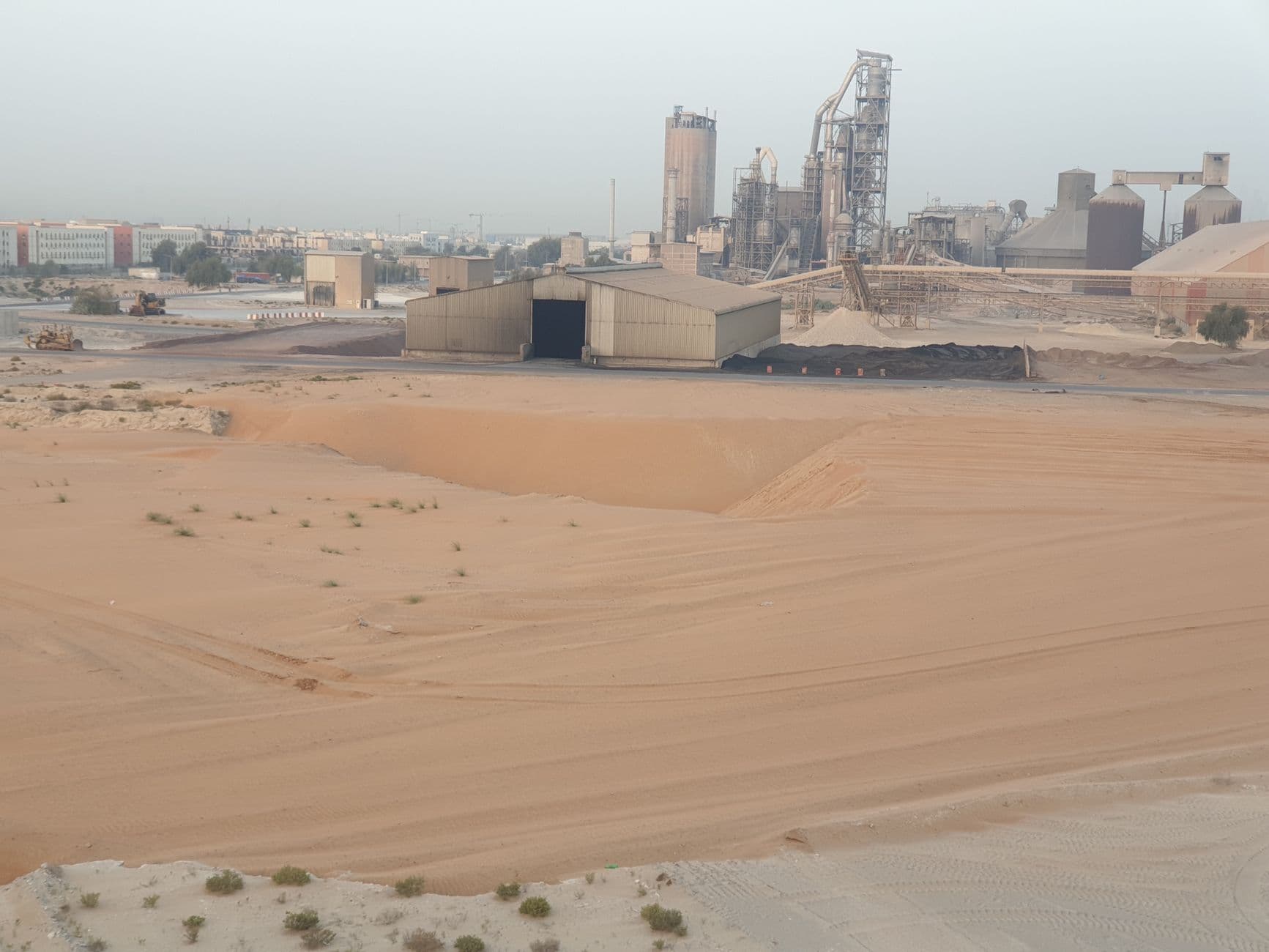
United Solar Secures $1.6 Billion to Build Oman Polysilicon Giant
United Solar announced that it has closed a $1.6 billion financing round to build a 100,000‑tonne‑per‑year polysilicon factory in Oman’s Sohar Free Zone. The final $50 million equity injection came from the International Finance Corporation (IFC), the private‑sector arm of the World Bank Group, completing the capital stack.
Funding Mix Shows Strong International Backing
The IFC contributed roughly 30 % of the total capital – $480 million in long‑term debt plus the $50 million equity stake. Another $400 million is being supplied by a consortium of Middle‑East banks, while Oman’s sovereign wealth fund, the Oman Investment Authority, is investing $260 million. This blend of multilateral, regional, and sovereign financing underscores confidence in the project’s economic and strategic relevance.
Production Capacity Aims to Diversify Global Polysilicon Supply
The plant, which began operations after a 22‑month construction period, is slated to hit full capacity by the end of 2026. At 100,000 metric tonnes per year, the facility can supply enough polysilicon for roughly 40 GW of photovoltaic (PV) modules – a substantial share of the world’s annual demand. Diversifying away from China, where most polysilicon is produced, helps mitigate geopolitical risks such as forced‑labor concerns in Xinjiang and looming import bans.
FEOC Regulations and Potential U.S. Policy Shifts
In the United States, the Foreign Entity of Concern (FEOC) rules restrict many solar products sourced from China. A pending Section 232 investigation could tighten polysilicon import controls further. United Solar’s Oman output is positioned as “FEOC‑compliant,” meaning it meets traceability and ethical‑sourcing standards that may allow it to bypass future restrictions – a selling point for tier‑one module manufacturers seeking resilient supply chains.
What It Means for Israel’s Solar Market
Israel’s rooftop solar sector relies heavily on imported polysilicon‑based modules. A new, non‑Chinese source can stabilize module prices and protect Israeli installers from supply shocks. Using typical Israeli figures – a 10 kWp residential system generates about 17,000 kWh per year, worth roughly ₪8,160 at the residential tariff of ₪0.48/kWh, and costs about ₪31,500 to install – a reduction in module price could lower the upfront cost and improve the simple payback period, making solar even more attractive for homeowners.
Outlook: A New Pillar for Global and Regional Solar Growth
With full capacity expected by 2026, Oman’s polysilicon plant will become a cornerstone of a more diversified global supply chain. For the Middle East, it adds a high‑value manufacturing export beyond oil and gas, creating jobs and attracting foreign direct investment. For Israel, the ripple effect could be lower module prices, faster ROI on rooftop projects, and a smoother path toward the nation’s 30 % renewable electricity target by 2030.
For readers interested in calculating their own solar ROI, visit our calculator and explore the latest market data on our data page.
FAQ
What is polysilicon and why is it important for solar panels?
Polysilicon is the high‑purity silicon material used to make solar cells; without it, PV modules cannot be produced.
How much polysilicon will the Oman plant produce?
The facility is designed for an annual output of 100,000 metric tonnes.
Who are the main investors in United Solar’s Oman project?
Investors include the IFC ($480 m debt + $50 m equity), Middle‑East banks ($400 m), and Oman Investment Authority ($260 m).
When will the plant reach full capacity?
Full production is expected by the end of 2026.
How could this affect solar costs in Israel?
A diversified polysilicon supply could lower module prices, potentially reducing a typical 10 kWp home system cost by about 5 % and shortening payback time.
What are FEOC regulations?
FEOC rules limit U.S. imports of solar products linked to foreign entities of concern, mainly targeting Chinese‑origin polysilicon.
Share this post
More from Technology
6
Hoymiles Solar Inverter Fix Arrives Aug 30
Hoymiles will release a free AES‑encrypted firmware update on 30 August to fix an unauthenticated OTA vulnerability in its discontinued HM‑series micro‑inverters.
Daikin Nexio Max Heat Pump Slashes Energy Use
Daikin’s Nexio Max rooftop heat pump, available in 7.5‑10 ton sizes, achieves up to 3.85 COP and can operate down to –25 °C, offering Israeli commercial buildings a low‑carbon heating option when combined with solar PV.

Geothermal Hydrogen Hits $1.75/kg in Iceland
Syntholene’s Icelandic pilot shows geothermal‑integrated SOEC can produce hydrogen at $1.75‑$2.10 /kg, about one‑third the cost of European green hydrogen.
China’s TCL Shifts 45 GW to Back‑Contact Solar
TCL Zhonghuan will convert 45 GW of TOPCon capacity into back‑contact production by early 2027, launching 680 W, 25.2 % efficient modules that could improve Israeli rooftop solar paybacks.

Solar Light Empowers Women Across Africa
אור שמש משפר מיידית בטיחות, בריאות והכנסה בכפרים אפריקאיים ללא רשת, ונשים מובילות מרבות את ההשפעה.
Inside Israel’s ‘Eye of Sauron’ Solar Tower
Israel’s ‘Eye of Sauron’ is the 240‑metre solar‑thermal tower at the Ashalim Power Station, delivering a sizable amount of clean, dispatchable electricity and helping the country meet its 2030 renewable target.