€200M Unused in Southern Italy Solar Incentive
Italy’s Southern Business Solar Scheme Still Has €200 million Unspent
The Ministry of Environment and Energy Security (MASE) reports that more than €200 million of the €262 million budget remains unallocated, even though 566 self‑consumption PV projects have been accepted for evaluation. This large funding gap shows that many southern Italian companies have yet to tap the programme’s generous subsidies.
Only €59 million Requested So Far – a Small Fraction of the Pot
Applicants asked for roughly €59 million in incentives, far below the total allocation. The gap (≈ €203 million) signals that the scheme is still wide open for new bids, especially as the deadline was extended to July 3 to encourage participation.
Incentive Levels Reward Bigger Investments and Hybrid Systems
Eligible firms can receive 38 %–58 % of PV‑only investment costs, 43 %–63 % for thermal‑PV combos, and 28 %–48 % for battery‑energy‑storage systems (BESS). The tiered rates are designed to push companies toward higher‑value, integrated solutions that improve self‑consumption.
Who Applied and Who Scored Highest
- 566 applications were submitted, covering projects from 10 kW up to 1 MW.
- The largest single request came from MI.LO. Srl (Puglia) – a project valued at > €30 million.
- The top evaluation score was awarded to SGM Impianti Srl (Sicily), which ranked highest across almost all criteria.
Timeline and Technical Review by GSE
The scheme, launched under Ministerial Decree 424/2025, originally closed on 3 March but was extended to 3 July. After the preliminary review, the Gestore dei Servizi Energetici (GSE) now conducts a technical assessment, checking completeness and compliance. Applicants have 30 days to respond to any information requests.
Aligning with Italy’s 2030 Renewable Target
Italy aims for 30 % renewable electricity by 2030 (IEA‑PVPS). The southern self‑consumption programme is a key tool to boost rooftop and ground‑mounted PV, supporting Italy’s broader renewable energy objectives (Legal 500).
What It Means for Israel
Israeli businesses can draw a parallel lesson: a typical 100 kW commercial PV system in central Israel would cost about ₪2,200 /kW (≈ ₪220,000 total). If a similar incentive covering 58 % of the investment were available, the out‑of‑pocket cost would drop to ≈ ₪92,400.
- Annual production: 100 kW × 1,700 kWh/kW ≈ 170,000 kWh (central‑region yield).
- Revenue at the commercial tariff (₪0.41/kWh): 170,000 kWh × ₪0.41 ≈ ₪69,700 per year.
- Simple payback: ₪92,400 ÷ ₪69,700 ≈ 1.3 years.
By contrast, without any subsidy the same system would cost ₪220,000 and still generate the same annual revenue, yielding a payback of about 3.2 years. The Italian model shows how generous, performance‑linked subsidies can cut payback times dramatically, a useful benchmark for Israeli policymakers considering expanded self‑consumption support.
How Companies Can Still Join the Italian Programme
Because the budget is still largely untouched, firms that have not yet applied can still submit proposals before the 30‑day clarification window closes. Projects that combine PV with storage or thermal‑PV stand to receive the highest subsidy percentages, making them especially attractive under the current rules.
For a deeper dive into Israeli solar economics, try our ROI calculator or explore the latest market data on our data page.
Sources & further reading
FAQ
How much money is still available in Italy’s southern solar incentive?
More than €200 million of the €262 million budget remains unallocated.
What size projects does the Italian scheme support?
It covers photovoltaic systems from 10 kW up to 1 MW.
What incentive rates can companies receive?
38 %–58 % for PV‑only, 43 %–63 % for thermal‑PV, and 28 %–48 % for battery storage.
When was the application deadline extended to?
The deadline was moved from 3 March to 3 July 2024.
How does this programme help Italy meet its 2030 renewable goal?
By encouraging rooftop and small‑scale PV, it supports the national target of 30 % renewable electricity by 2030.
What would a similar incentive mean for an Israeli business?
A 58 % grant on a 100 kW system could cut the payback from ~3.2 years to about 1.3 years.
Share this post
More from Policy
6
Germany Slashes Heat Pump Subsidy Caps
Germany will lower the maximum heat‑pump subsidy from €30,000 to €22,000 by 2030, while boosting the bonus for low‑income households to 40% and adding a “Made in Europe” requirement.

UK Frequency Rules Shift Battery Revenue
Ofgem approved six of eight rule changes to the UK’s Dynamic Response frequency services, with the first set effective from 31 July 2026, tightening availability proof and data‑submission requirements for battery storage.

Abu Dhabi Summit to Revive Israel-Jordan Water
Israel is weighing an Abu Dhabi‑hosted summit as a way to restart talks on the 1994 water‑sharing agreement with Jordan, a move that could ease chronic water stress in both countries.
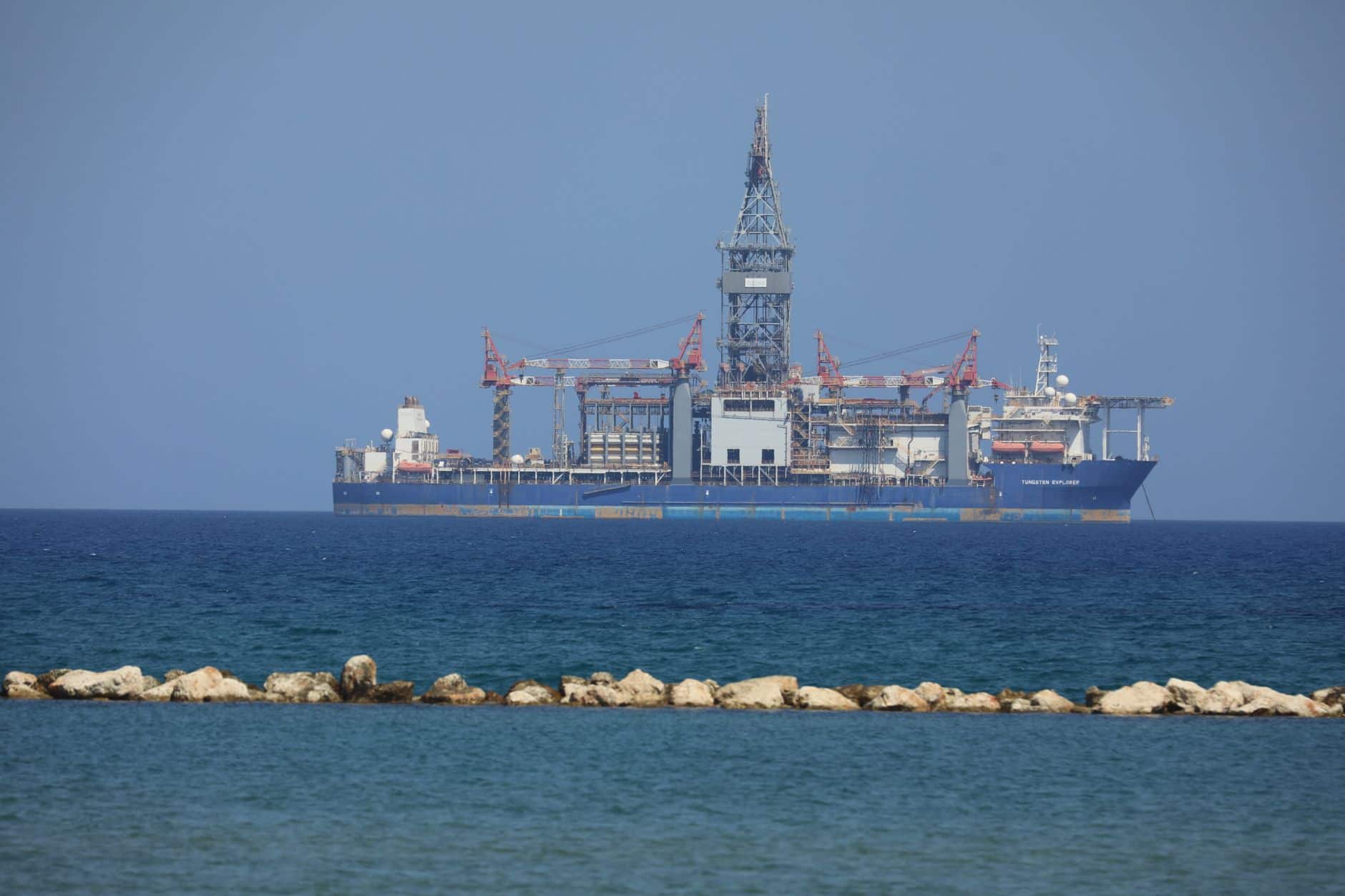
Israel Opens 5 New Offshore Gas Blocks
Israel opened five offshore blocks covering nearly 6,000 km² for natural‑gas exploration, a move that adds a modest gas supply to support the country’s solar‑PV expansion.
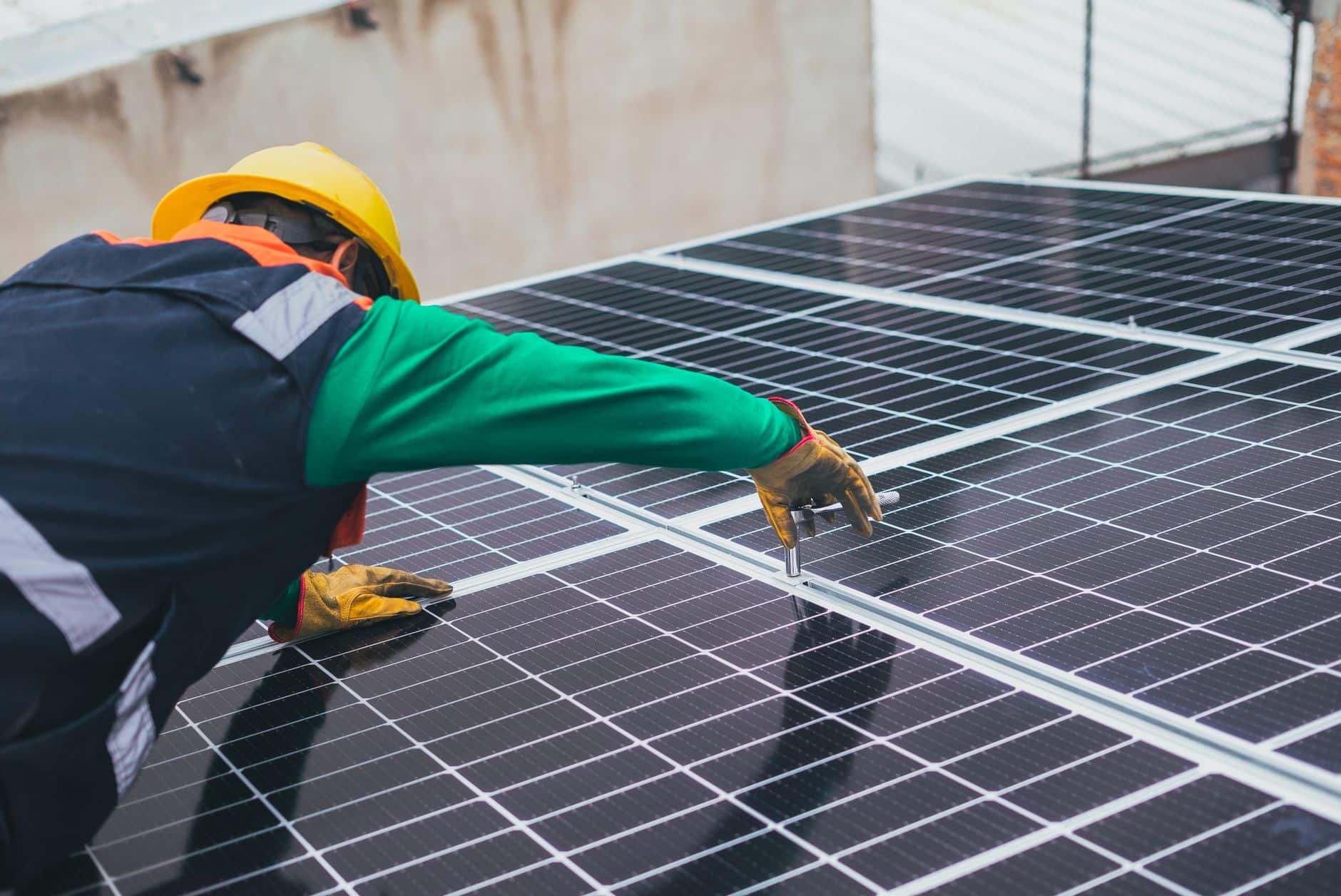
NJ Approves Plug‑In Solar Up to 1.2 kW
New Jersey became the tenth state to allow plug‑in solar panels up to 1.2 kW without permits, opening the door for instant rooftop power.
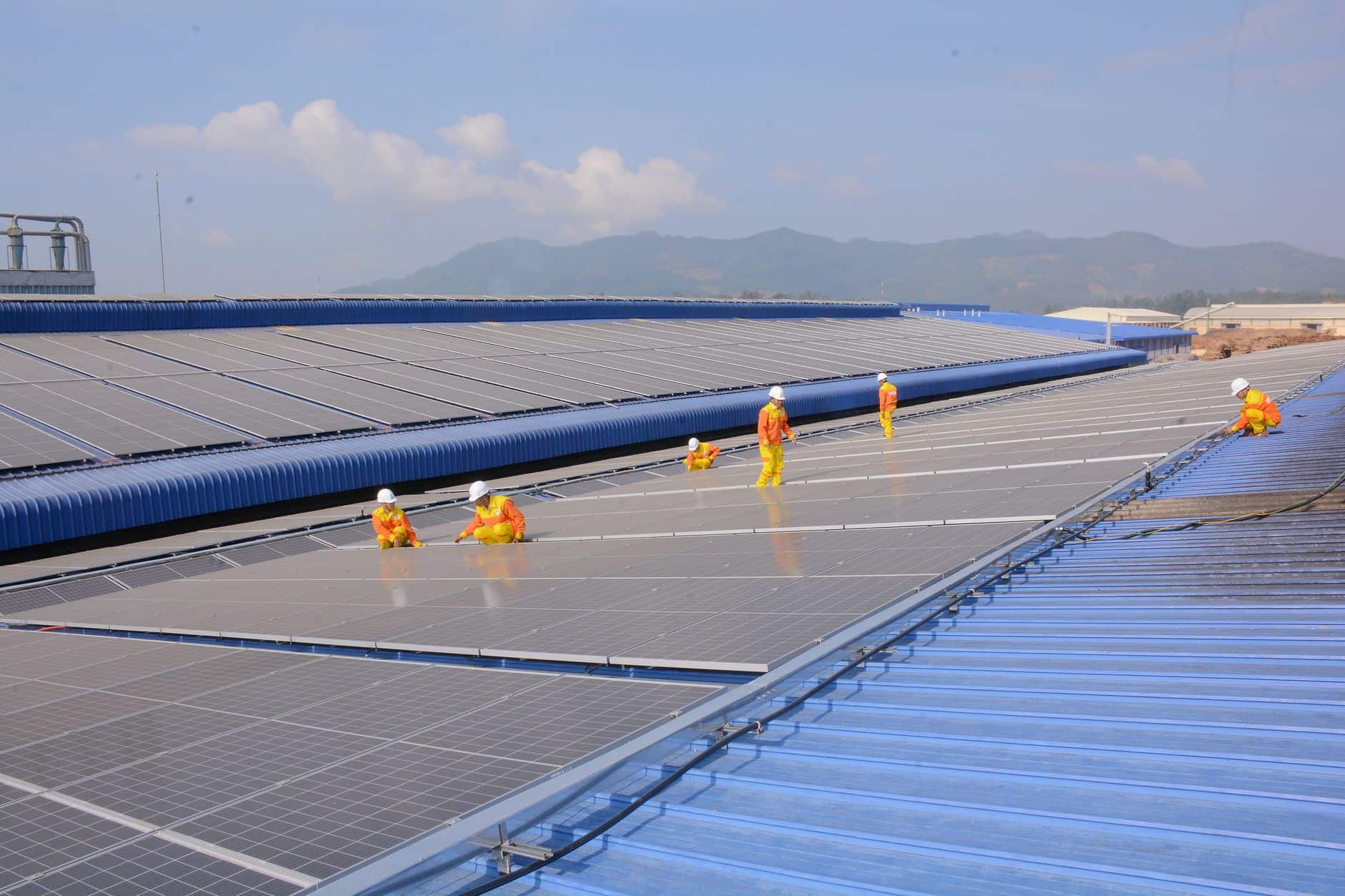
China's PV Standards Target Overcapacity
China’s new mandatory PV standards, effective Jan 1 2027, set energy‑use caps and minimum efficiency grades for polysilicon, silicon wafers, modules and inverters, aiming to curb overcapacity and push the industry toward higher‑efficiency products.