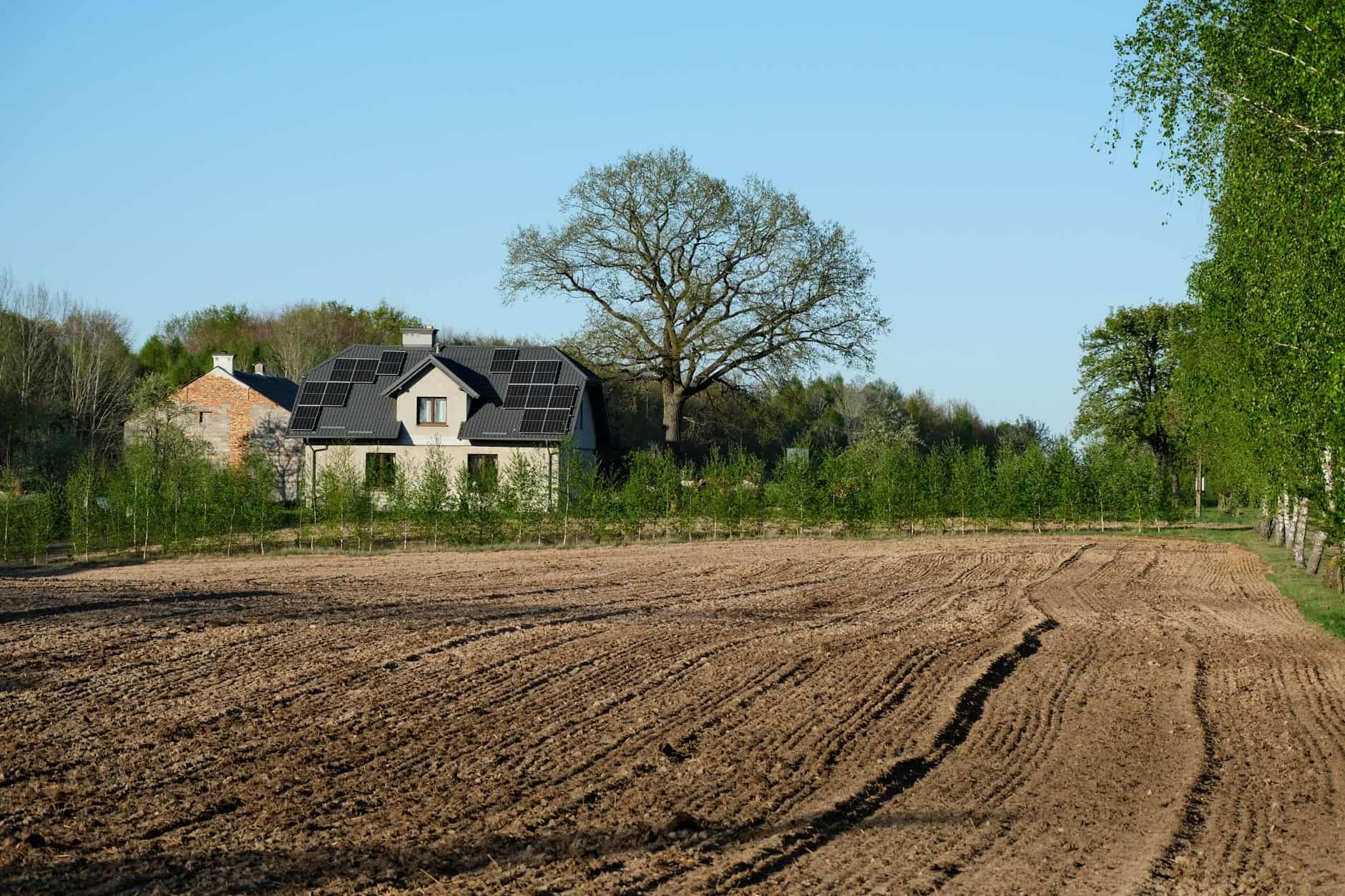
Off‑Grid Inverter Boosts Rural Power in Africa
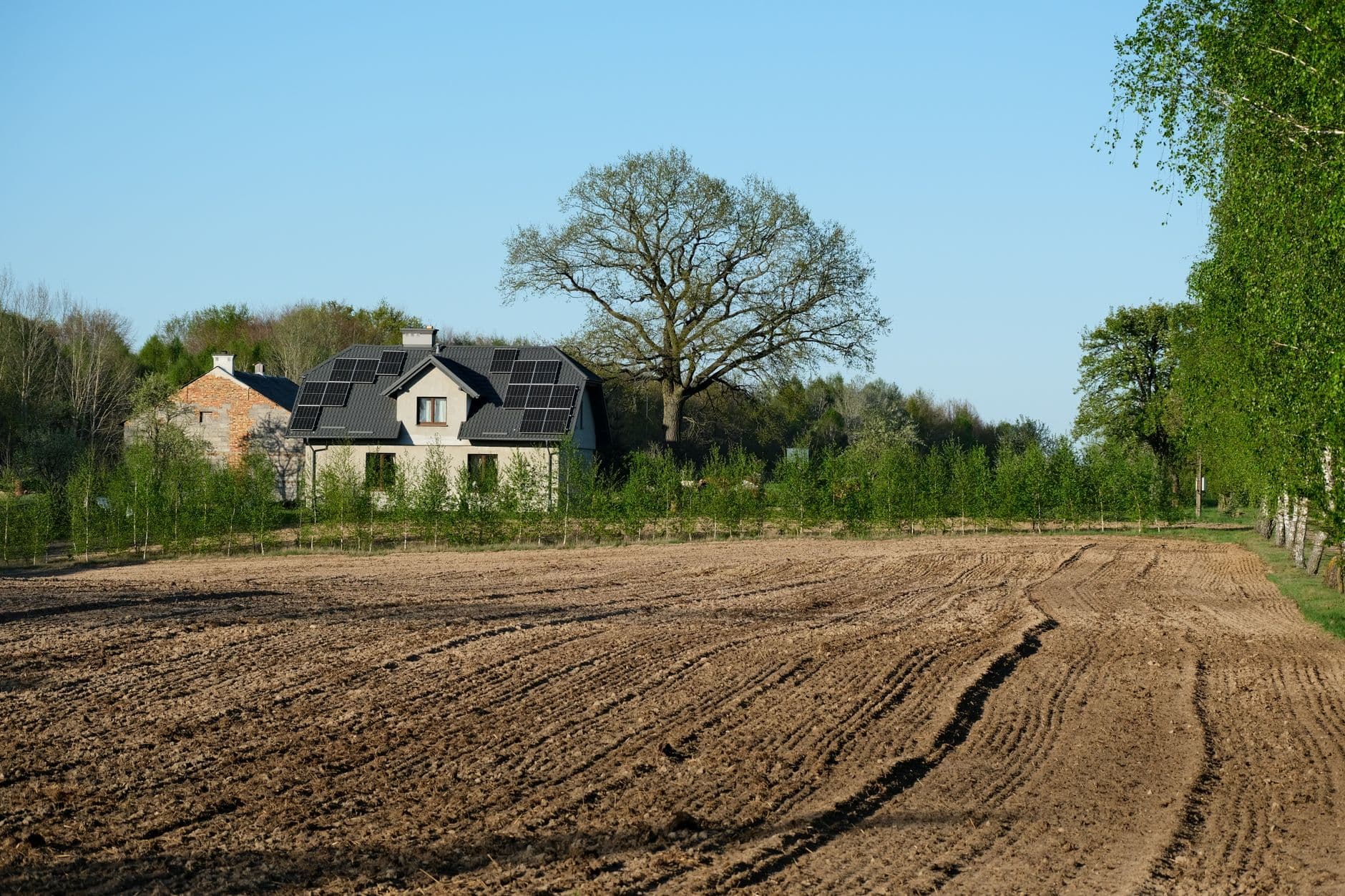
GoodWe’s EO G2 delivers reliable off‑grid power for homes and small businesses
GoodWe’s new EO G2 single‑phase off‑grid inverter series can run continuously from –35 °C to 60 °C and supports up to 200 % PV oversizing, giving remote users in Africa a dependable backup and off‑grid solution. The four models – 3 kW, 3.6 kW, 5 kW and 6 kW – are built for harsh climates and can switch to backup mode in under 4 ms, keeping lights on during grid outages.
High efficiency and flexible PV input keep the sun working longer
The EO G2 reaches a peak conversion efficiency of 98.6 % (European efficiency 96.8 %) and a MPPT efficiency of 99.9 %. Each unit accepts up to 21 A per string, with the 3 kW model handling 6 kW of PV and the 6 kW model handling 12 kW thanks to dual MPPTs. This oversizing capability lets owners install extra panels now and harvest more energy as panels age, extending the system’s lifetime value.
AI‑driven energy management makes the system smart, not just strong
Five AI‑powered functions – Agent, Health, Troubleshooting, Forecast and EMS – automatically diagnose faults, predict production, and optimise charge‑discharge cycles. Integrated Bluetooth and Wi‑Fi let users monitor performance from a mobile app, while a 4.3‑inch touchscreen gives on‑site status at a glance.
Battery compatibility and long‑life storage options
The inverter runs on a 48 V battery bus (40‑60 V range) and works with both lithium‑ion and lead‑acid batteries. Paired with GoodWe’s Lynx A G4 48 V battery, the system can provide several kilowatt‑hours of storage and deliver up to 130 A continuous charge/discharge on the 6 kW model. The Lynx A G4 is rated for 10,000 cycles and 53 MWh total throughput – roughly 18 years of operation at a 5 kWh daily load. A Mix Parallel Unit (MPU) lets users start with a small battery bank and add capacity later, protecting the investment as demand grows.
Parallel operation and hybrid flexibility
Up to ten EO G2 inverters can be paralleled, allowing community‑scale micro‑grids or larger commercial sites to share a common battery bank. The platform also accepts diesel generators, grid‑connected inverters, and smart loads, creating a hybrid architecture that can transition seamlessly between grid, off‑grid and backup modes.
Rugged design for dust, water and extreme temperatures
An IP66‑rated enclosure, aviation‑grade connectors, and a patented locking cover with a sealing gasket two‑to‑three times wider than typical designs protect the inverter from dust and rain. Built‑in GFCI, residual‑current monitoring, reverse‑polarity protection, anti‑islanding and surge protection (Type III DC, Type II AC) meet stringent safety standards for remote deployments.
What it means for Israel’s rooftop solar market
Even though the EO G2 is aimed at Africa, its specifications map neatly onto Israel’s residential solar economics. A typical 6 kW system in central Israel (yield ≈ 1,700 kWh / kW · yr) would generate about 10,200 kWh per year. At the residential feed‑in tariff of ₪0.48 /kWh, that translates to roughly ₪4,900 of annual revenue. With a typical turnkey cost of ₪3,150 / kW, the installation would cost about ₪18,900, delivering a simple payback of just under 4 years – identical to the 10 kW example often quoted for Israeli homes. The inverter’s ability to oversize PV by 200 % means a homeowner could install up to 12 kW of panels now, harvesting extra energy as panels degrade, while the 48 V battery architecture aligns with the growing popularity of lithium‑ion storage in Israeli rooftop projects.
Market outlook: off‑grid inverters on the rise
The global off‑grid inverter market was valued at $2.49 bn in 2025 and is projected to reach $6.49 bn by 2034, a CAGR of over 10 %. Africa’s off‑grid solar sector is a major driver, with demand for rugged, high‑efficiency inverters accelerating as governments push for energy access. GoodWe’s EO G2, with its AI functions and parallel‑operation capability, positions the company to capture a sizable share of this expanding market.
Bottom line
GoodWe’s EO G2 series combines industry‑leading efficiency, AI‑based management, and a rugged, modular design that can power everything from a single home to a village‑scale micro‑grid. For Israeli installers, the inverter’s technical specs translate into a clear economic case: high energy yield, fast payback and the flexibility to grow with future storage needs.
What it means for Israel
- Energy yield: 6 kW × 1,700 kWh/kW ≈ 10,200 kWh/yr
- Annual revenue: 10,200 kWh × ₪0.48 ≈ ₪4,900
- Installation cost: 6 kW × ₪3,150 ≈ ₪18,900
- Payback period: ≈ 3.9 years (no incentives)
- Scalability: 200 % PV oversizing lets owners add panels later, extending value.
For a typical Israeli homeowner, the EO G2 offers a path to energy independence that mirrors the reliability needs of remote African villages, but with a clear financial upside under local tariffs.
For a deeper dive into Israeli solar ROI, try our calculator and explore the latest market data on our data page.
Sources & further reading
FAQ
What power ratings does the EO G2 inverter come in?
The series is offered in four single‑phase models: 3 kW, 3.6 kW, 5 kW and 6 kW.
How fast can the EO G2 switch to backup mode?
It transitions to backup in less than 4 milliseconds, keeping loads running without interruption.
Can the EO G2 work with both lithium and lead‑acid batteries?
Yes, it supports 48 V lithium‑ion or lead‑acid banks, with up to 130 A charge/discharge on the 6 kW model.
Is it possible to expand the system later?
The inverter allows up to 200 % PV oversizing and can be paralleled with up to nine other units; a Mix Parallel Unit lets you add battery capacity over time.
What is the expected payback for a typical Israeli 6 kW rooftop system?
At a residential tariff of ₪0.48 /kWh and an install cost of ₪3,150 /kW, the payback is roughly 3.9 years.
How does the EO G2 compare to other off‑grid inverters on the market?
Its 98.6 % peak efficiency, AI functions and IP66 ruggedness place it among the top‑performing off‑grid solutions, and the global market is projected to more than double by 2034.
Share this post
More from Technology
6
Israel Pours $2 Million into Blue‑Tech Energy R&D
Israel is allocating NIS 6 million (≈US $2 million) to a new Blue‑Tech energy R&D fund, targeting offshore wind, wave, tidal and marine bio‑energy projects.
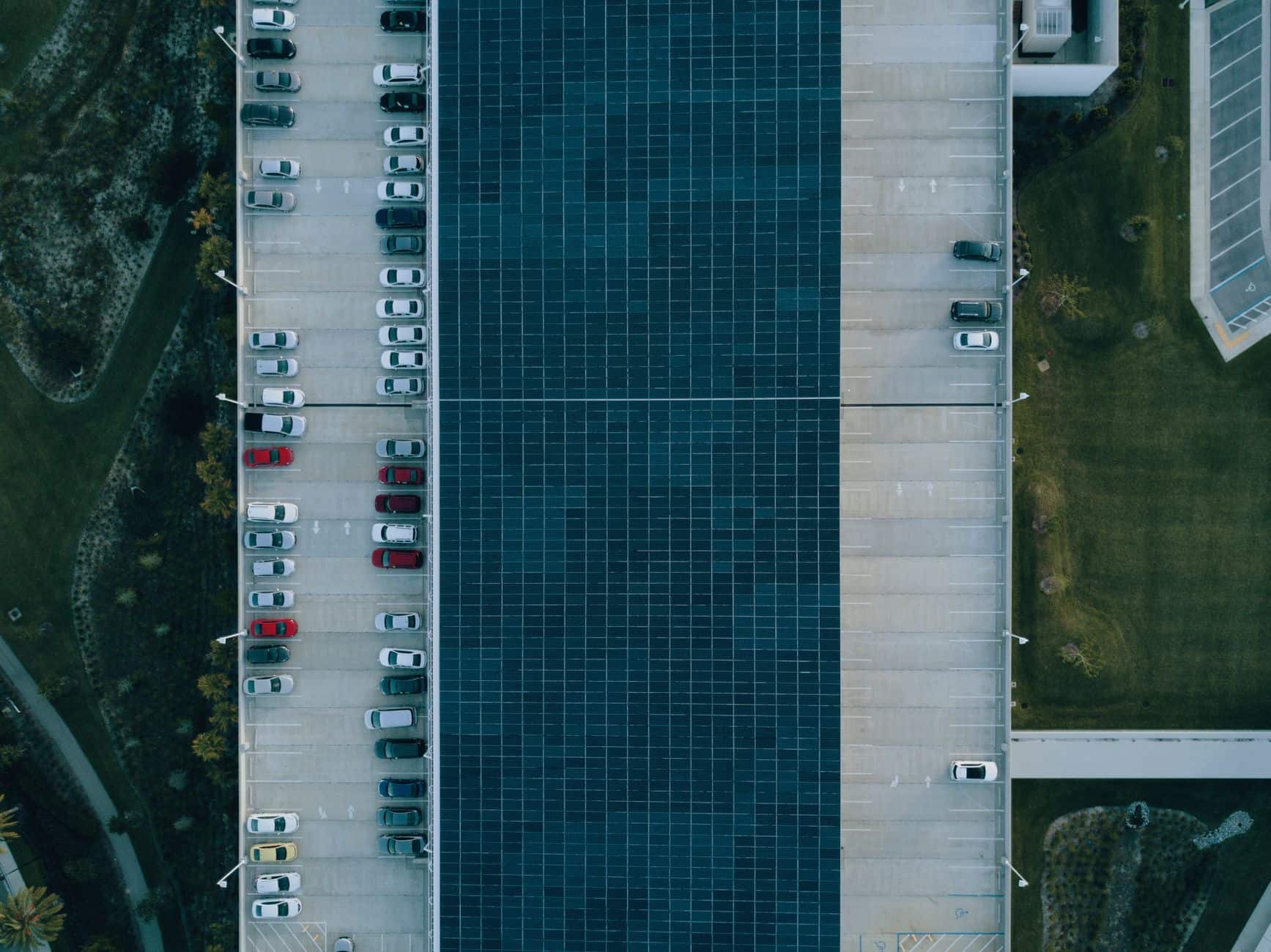
סולארי על גלגלים: רכב חכם ללא נהג מסין
רכב חשמלי סולארי בלתי מאויש שפותח בסין מייצר עד 7.6 kWh ביום בעזרת פאנלים של 8 מ״ר, ומאפשר להרחיב את טווח הנסיעה.
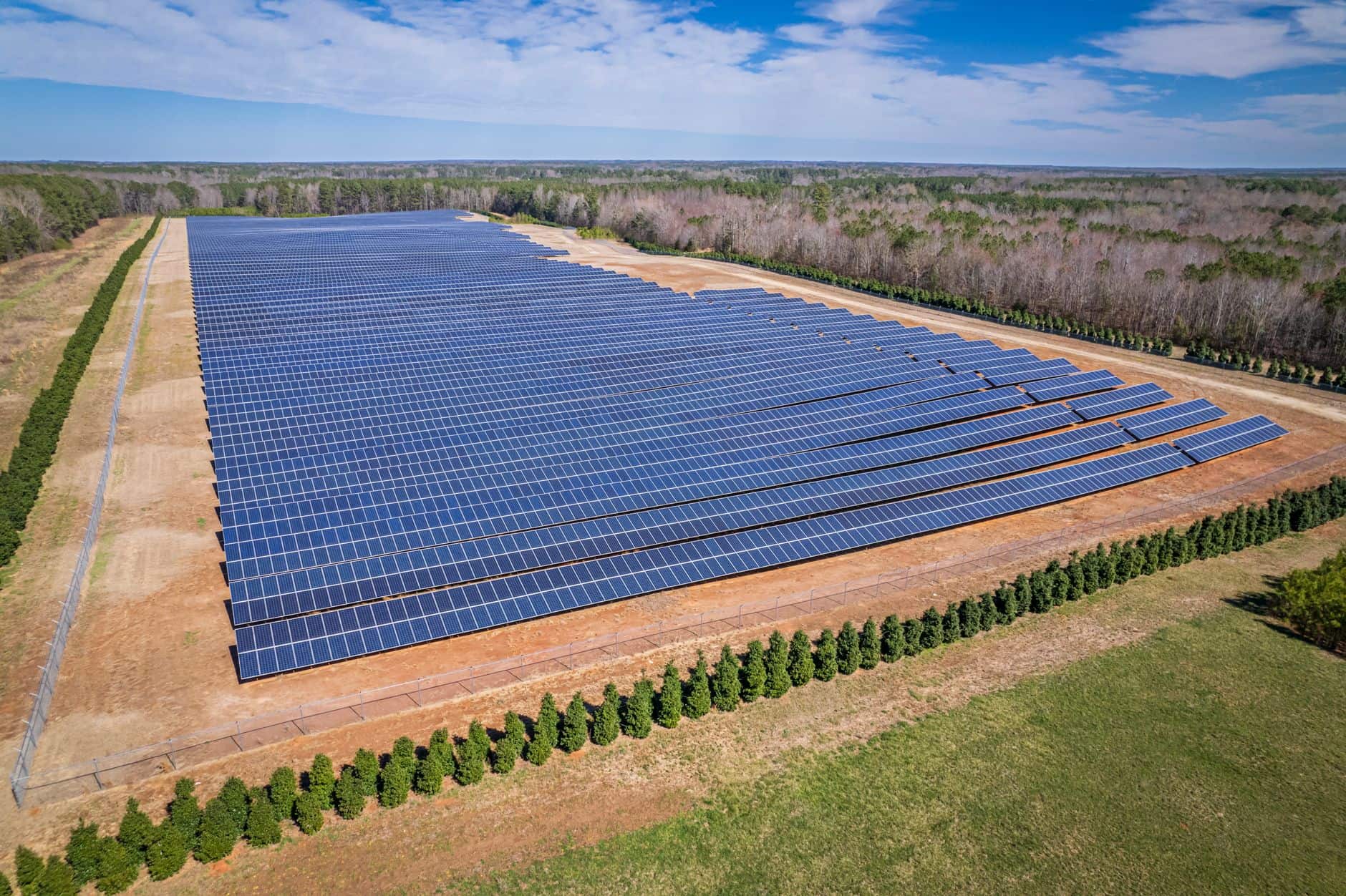
Mekorot Targets Energy‑Independent Water Supply
Mekorot plans to meet all its electricity needs with renewable energy by 2030, leveraging large solar farms and storage, and drawing on a ₪40 billion national investment in clean energy.
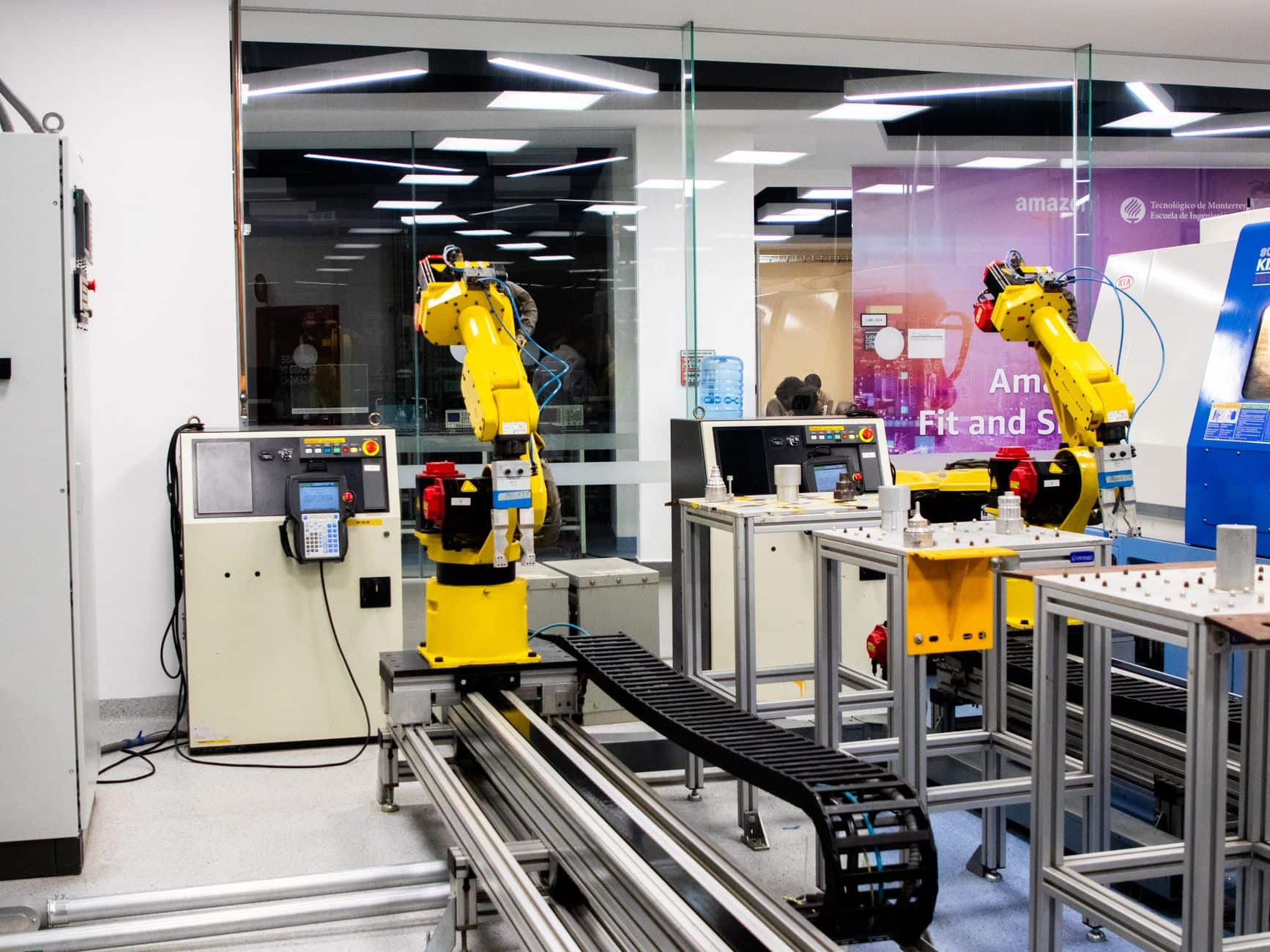
Silicon Recycling Keeps Solar Loop Open
Silicon recovery from end‑of‑life solar panels now achieves high yields and AI‑driven robotics are pushing purity toward 9N, paving the way for a closed‑loop supply chain and lower module costs worldwide.
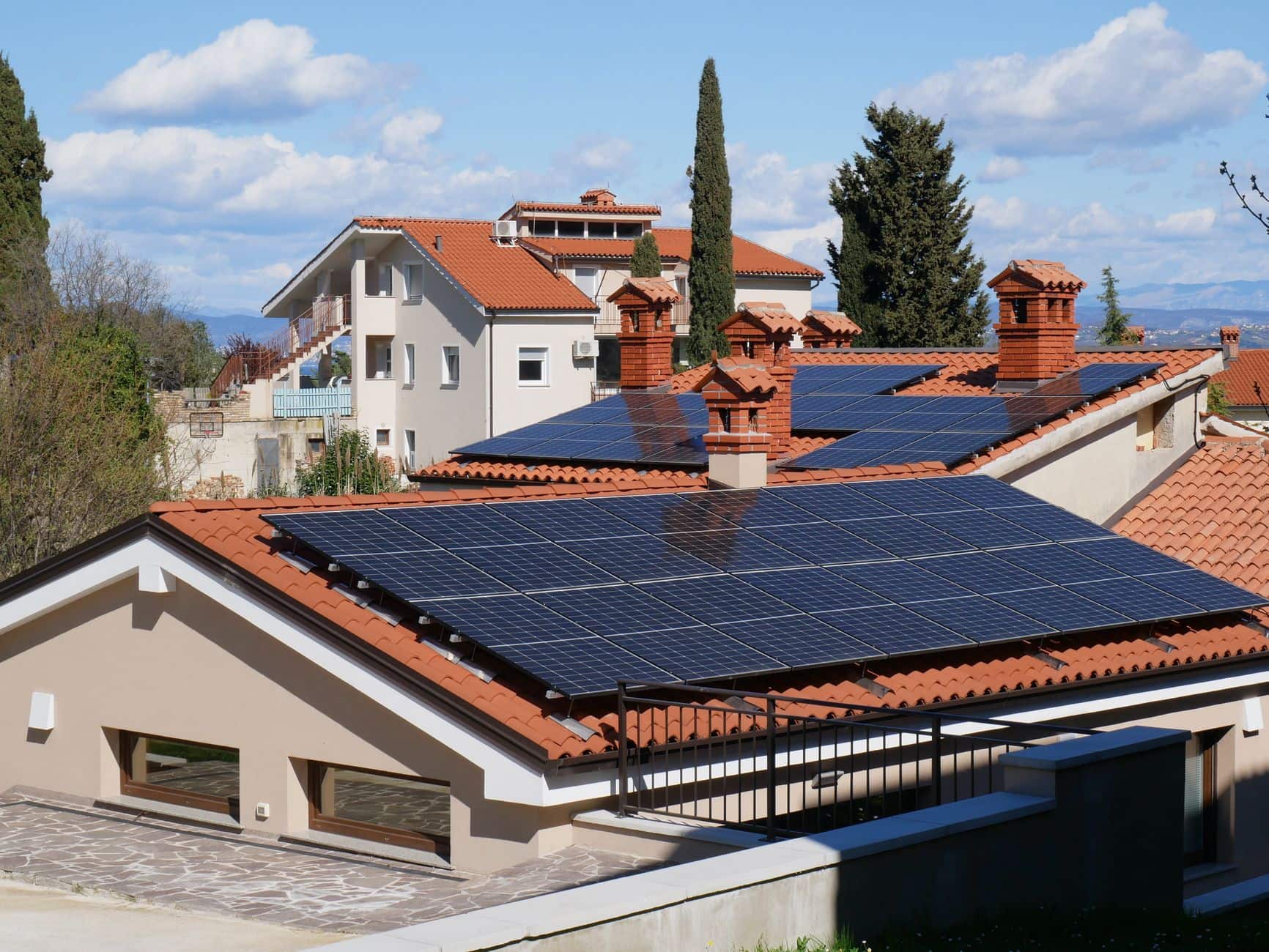
AI Tool Slashes Solar Soft Costs
AgentSolar AI can shave $4,000‑$6,000 off a typical 8 kW U.S. residential solar system by automating quote analysis and negotiation, while in Israel reduced soft costs could speed up payback for a standard 10 kWp home install.
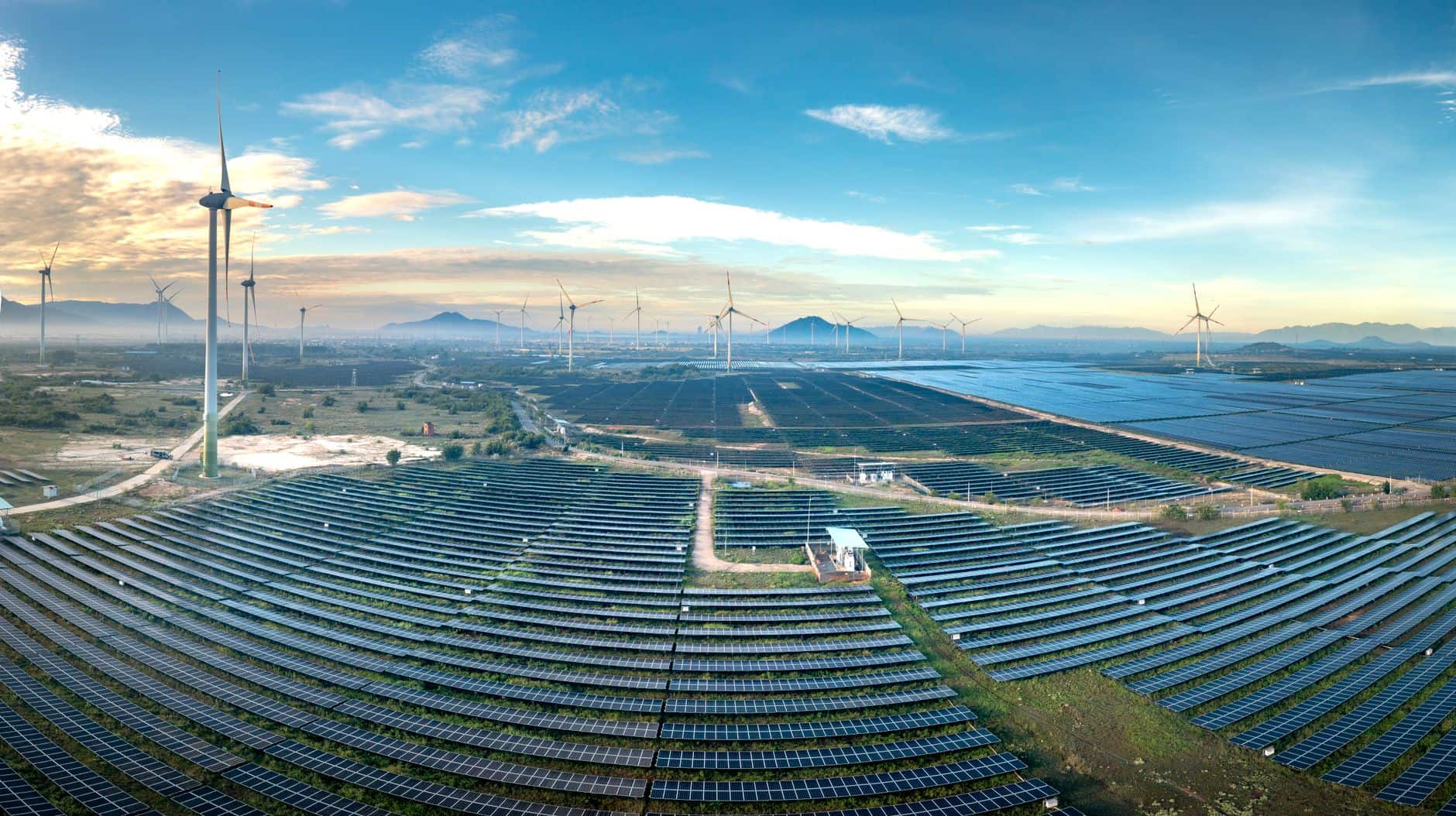
Virtual Power Plants to Power Data Centers
Israeli startup nGrid’s AI‑driven virtual power plant cuts data‑center electricity costs significantly and demonstrates fast payback for residential solar in Israel.