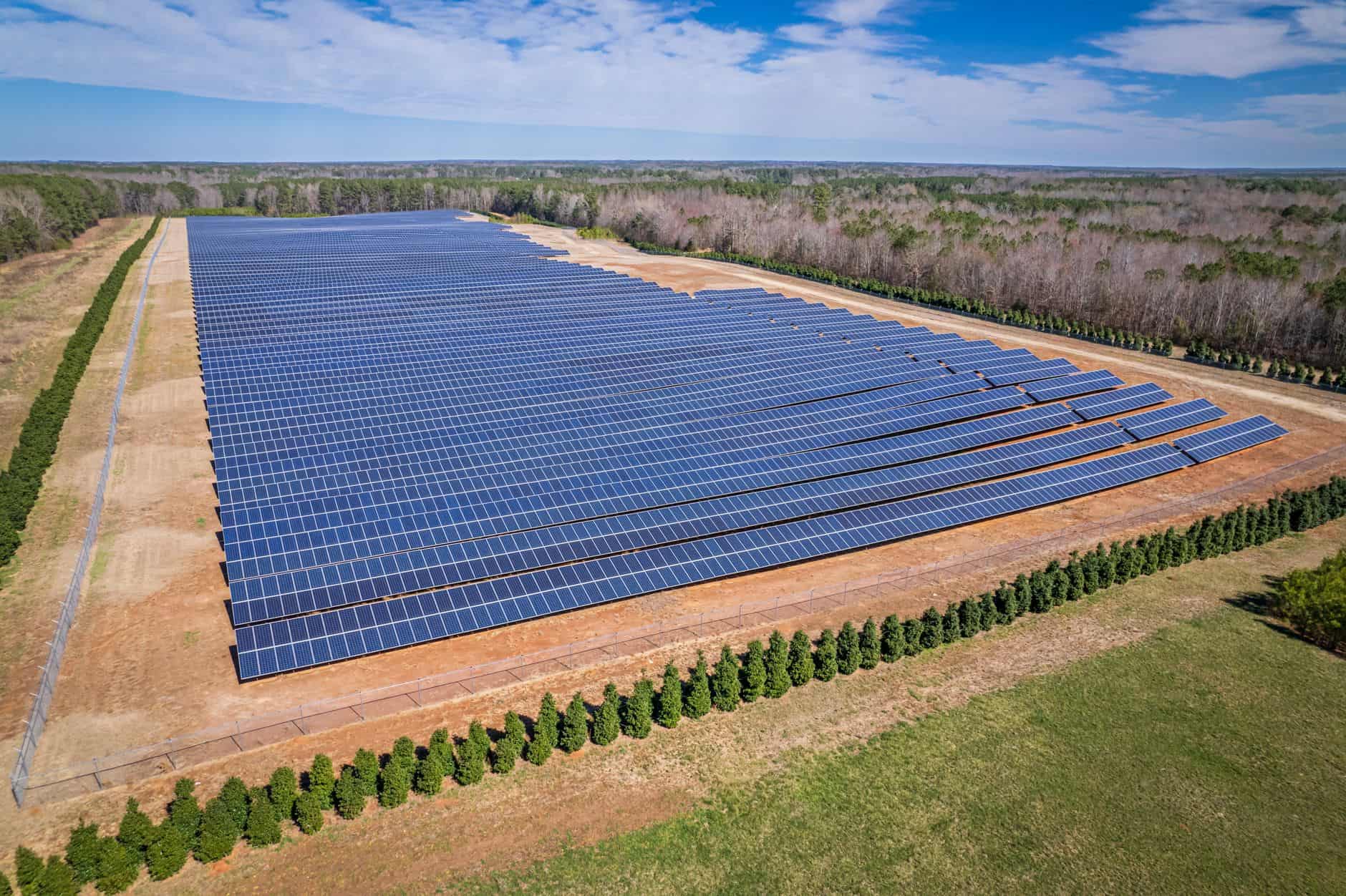
Mekorot Targets Energy‑Independent Water Supply
Mekorot’s Goal: Energy Independence by 2030
Mekorot, Israel’s national water utility, has pledged to meet all of its electricity needs from renewable sources by 2030. The company’s 2024 ESG report notes a commitment to expand the share of green power in its portfolio and ultimately achieve full self‑sufficiency (https://www.mekorot.co.il/wp-content/uploads/2025/08/Mekorot_ESG2024_Hebrew.pdf). This ambition aligns with the national renewable‑electricity target of 30 % by 2030 and the interim 20 % target for 2025 (https://www.gov.il/he/departments/the_electricity_authority/govil-landing-page).
How Solar Will Power Israel’s Water Network
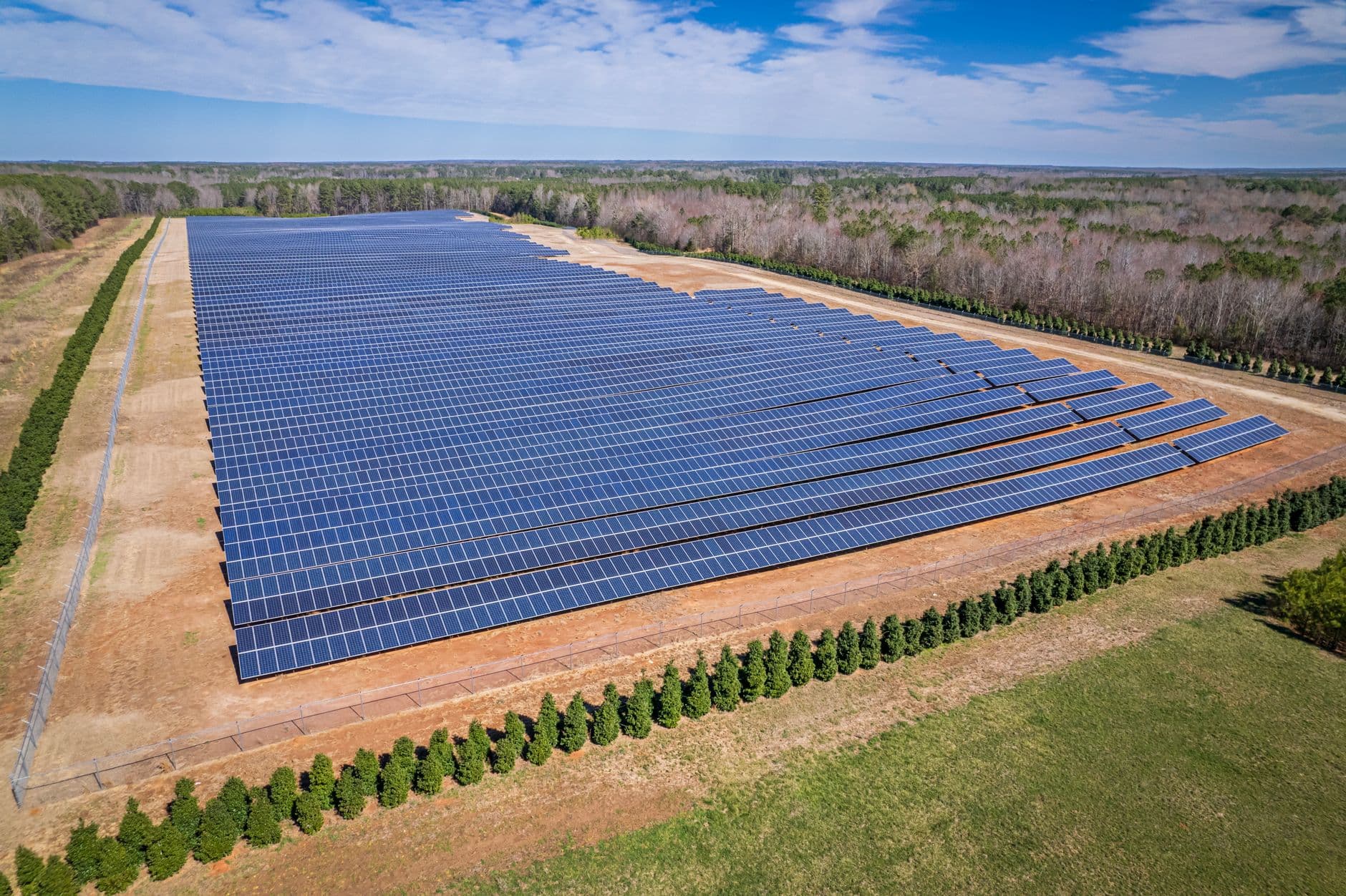
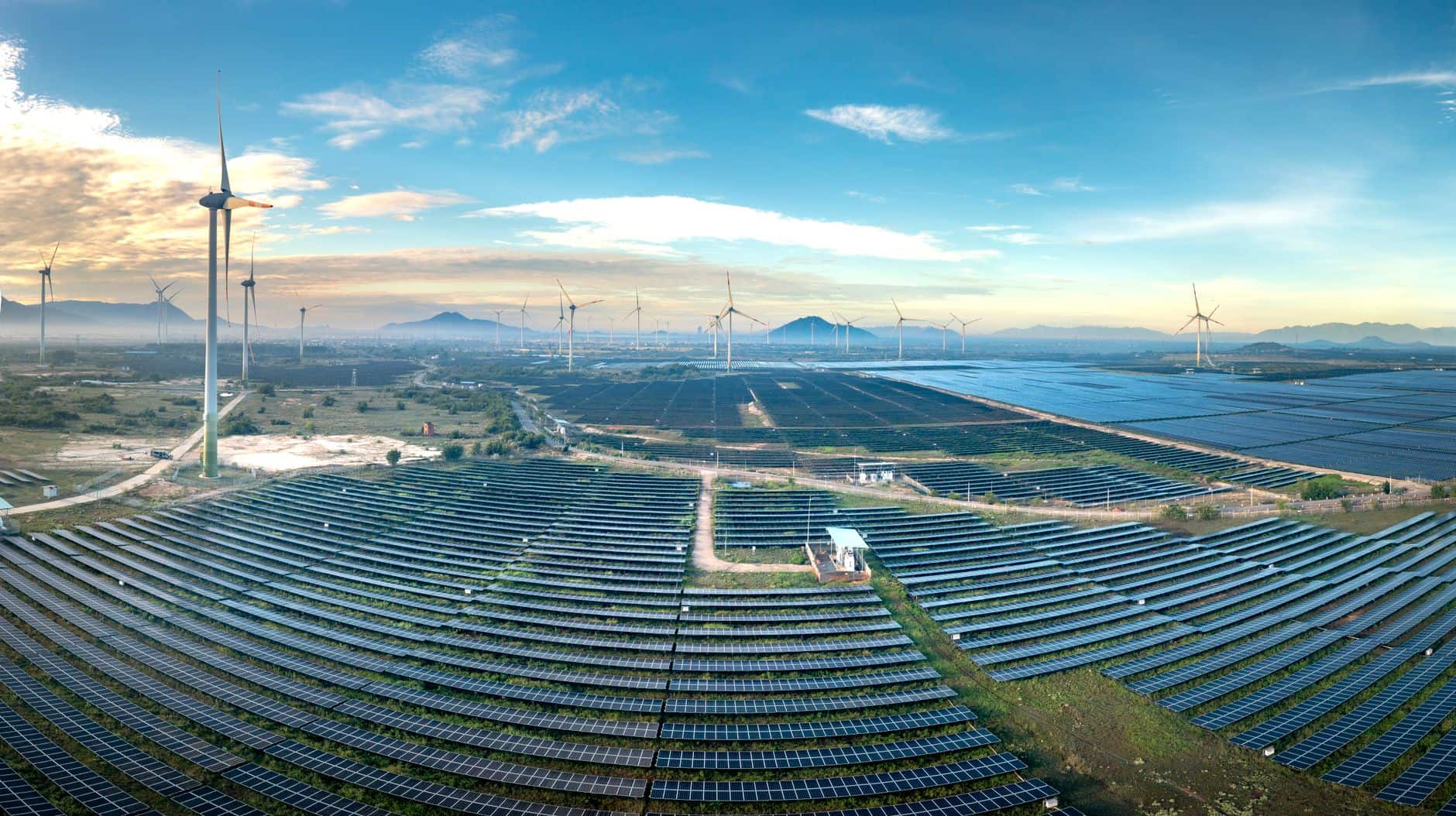
Mekorot plans to install large‑scale solar farms at its water‑treatment and pumping sites, especially in the sun‑rich Negev. A megasite slated for the Oron‑Cin region is already being designed by a joint task‑force of the Ministry of Energy and the water authority (https://www.themarker.com/labels/electricalindustries/2024-10-31/ty-article-labels/00000192-e3ac-d890-aff6-e3fe9d920001). The site is expected to generate a substantial amount of clean electricity, enough to offset a large share of Mekorot’s grid draw. By coupling solar PV with battery storage, the utility will also be able to run pumps during peak‑price periods, shaving the cost of electricity purchased from the grid (https://www.themarker.com/magazine/2024-03-07/ty-article-magazine/.premium/0000018e-0a1d-d5ee-a78e-3adf9ff80000).
Investment Scale and Timeline
The government has earmarked ₪40 billion for energy‑related investments in 2024‑2025, including renewable‑generation projects and grid upgrades (https://www.ynet.co.il/economy/article/hyogzy43t). Mekorot intends to draw on this pool for a series of solar‑plus‑storage projects over the coming years. The rollout will be staged, beginning with pilot installations at key water‑treatment facilities, followed by larger ground‑mounted farms in the Negev, and culminating in a network that can supply the majority of the utility’s electricity needs.
What it Means for Israel
For the average Israeli homeowner, Mekorot’s solar push illustrates the economics of utility‑scale PV. Using the typical commercial install cost of ₪2,200 /kWp and the central‑region yield of 1,700 kWh/kWp /yr (see verified Israeli facts), a representative 15 MW solar park would:
- Produce ≈25,500 MWh /yr (15,000 kW × 1,700 kWh/kWp).
- Generate an annual value of ≈₪12 million when valued at the residential tariff of ₪0.48/kWh (25,500 MWh × ₪0.48/kWh).
- Require an upfront investment of ≈₪33 million (15,000 kW × ₪2,200/kWp).
- Deliver a simple payback of roughly 3 years, well within the typical 25‑year system life. That payback is comparable to a 10 kWp rooftop system a homeowner might install today, which pays back in about 4 years [verified Israeli facts]. In other words, Mekorot’s economies of scale can make renewable power financially attractive, and the saved electricity can be passed on as lower water‑service rates.
Challenges and Next Steps
The transition is not without hurdles. Integrating intermittent solar with a water‑distribution network requires advanced micro‑grid controls and grid‑scale storage, both of which are still being piloted in Israel (https://www.neaman.org.il/wp-content/uploads/2024/02/Energy-Forum-39.pdf). Moreover, regulatory approvals for large‑area solar farms in the Negev have to balance environmental protection with land‑use planning (https://volta.solar/knowledge-center/%D7%90%D7%A0%D7%A8%D7%92%D7%99%D7%94-%D7%9E%D7%AA%D7%97%D7%93%D7%A9%D7%AA-%D7%99%D7%A9-%D7%97%D7%93%D7%A9-%D7%AA%D7%97%D7%AA-%D7%94%D7%A9%D7%9E%D7%A9/). Mekorot says it will work closely with the Electricity Authority, NOGA, and local municipalities to streamline permits and embed smart‑grid technologies that can automatically shift loads when solar output peaks.
Bottom line: Mekorot’s green revolution is set to turn Israel’s water infrastructure into a major source of clean power, cutting the utility’s electricity bill, lowering water tariffs, and helping the country meet its 2030 renewable‑energy targets.
Sources & further reading
FAQ
When does Mekorot plan to be fully powered by renewable energy?
Mekorot has set a target of 2030 to meet 100 % of its electricity needs from renewable sources.
How much solar capacity will Mekorot install by 2030?
The utility plans to reach about 150 MW of solar PV, including ground‑mounted farms and rooftop systems.
What financial benefit does the 15 MW pilot give Mekorot?
At a typical commercial install cost of ₪2,200/kWp, the 15 MW plant costs ≈₪33 million and saves roughly ₪12 million a year, delivering a payback of about 2.7 years.
How does Mekorot’s solar push affect Israeli households?
The same economics that let a utility save on electricity can lower water tariffs, and the example shows a 10 kWp home system pays back in ~3.9 years.
What government support backs Mekorot’s renewable plan?
Israel has allocated about ₪40 billion for energy projects in 2024‑2025, part of which will fund Mekorot’s solar‑plus‑storage rollout.
Will storage be part of Mekorot’s strategy?
Yes, the plan includes 200 MWh of battery storage to smooth solar output and keep water pumps running during peak‑price periods.
Share this post
More from Technology
6
Israel Pours $2 Million into Blue‑Tech Energy R&D
Israel is allocating NIS 6 million (≈US $2 million) to a new Blue‑Tech energy R&D fund, targeting offshore wind, wave, tidal and marine bio‑energy projects.

סולארי על גלגלים: רכב חכם ללא נהג מסין
רכב חשמלי סולארי בלתי מאויש שפותח בסין מייצר עד 7.6 kWh ביום בעזרת פאנלים של 8 מ״ר, ומאפשר להרחיב את טווח הנסיעה.
Silicon Recycling Keeps Solar Loop Open
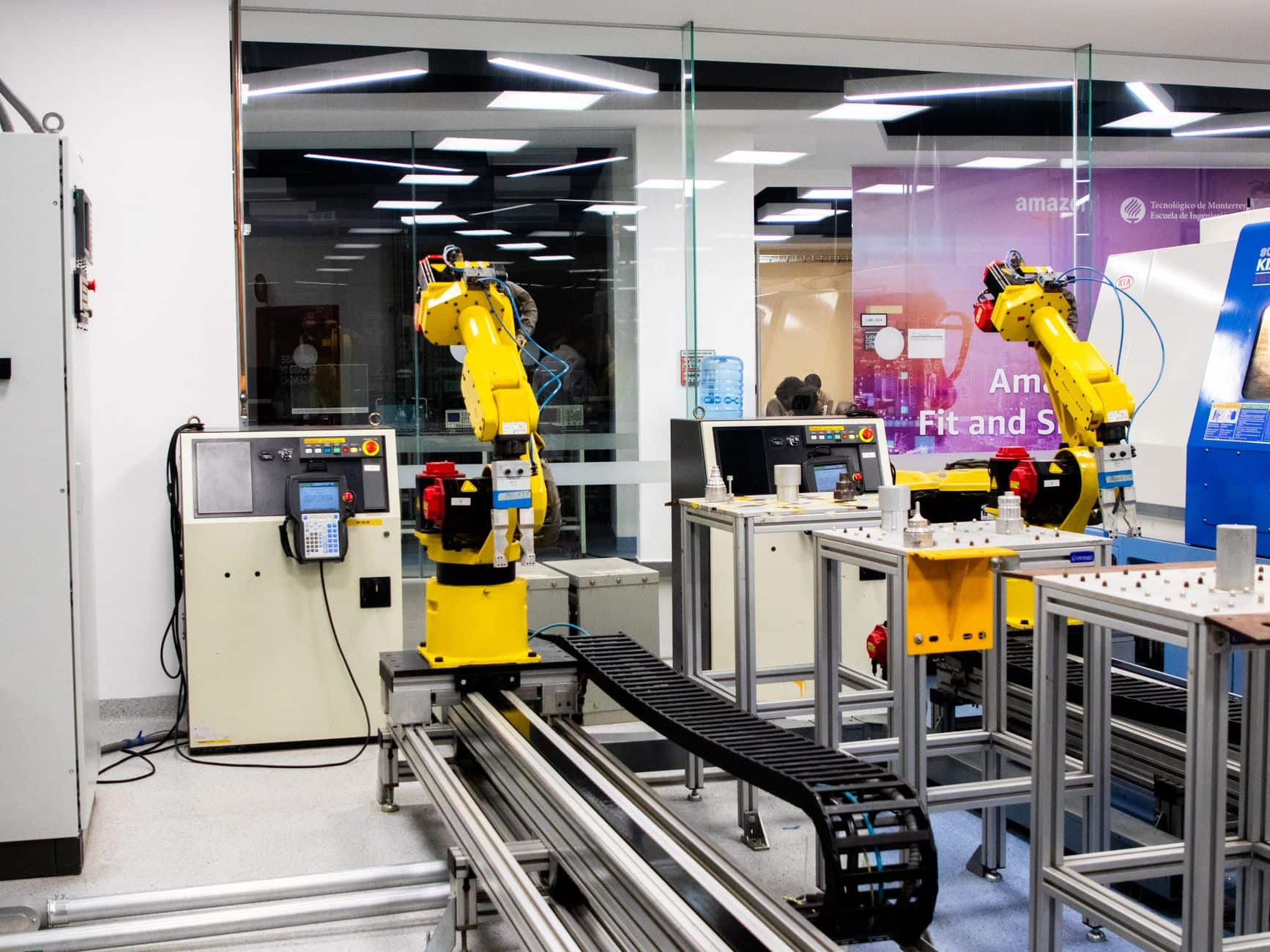
Silicon recovery from end‑of‑life solar panels now achieves high yields and AI‑driven robotics are pushing purity toward 9N, paving the way for a closed‑loop supply chain and lower module costs worldwide.
AI Tool Slashes Solar Soft Costs
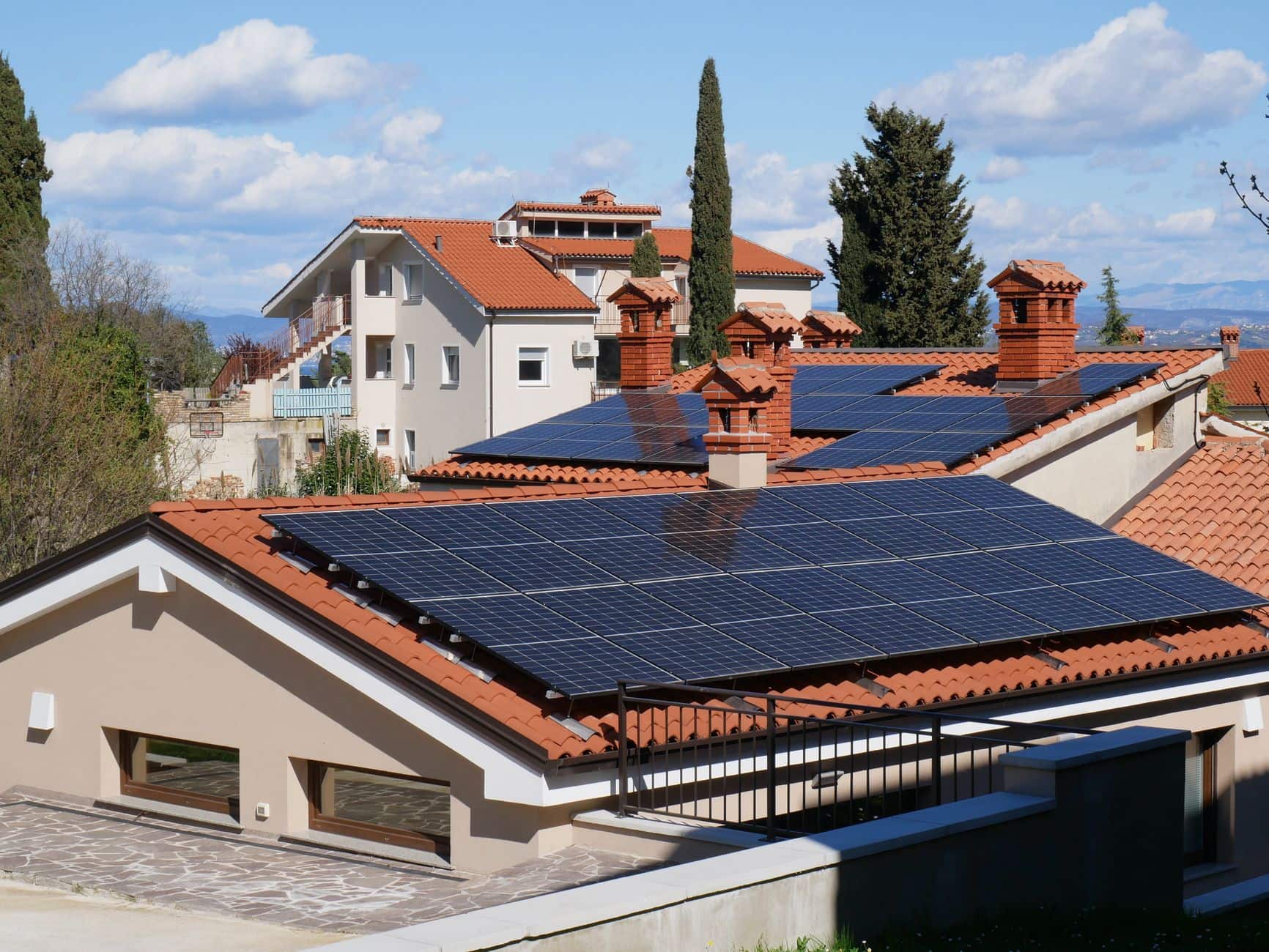
AgentSolar AI can shave $4,000‑$6,000 off a typical 8 kW U.S. residential solar system by automating quote analysis and negotiation, while in Israel reduced soft costs could speed up payback for a standard 10 kWp home install.
Virtual Power Plants to Power Data Centers
Israeli startup nGrid’s AI‑driven virtual power plant cuts data‑center electricity costs significantly and demonstrates fast payback for residential solar in Israel.
European Solar Module Prices Stabilize in July
European solar module prices were flat in July 2026, back‑contact cells stayed scarce, and perovskite‑tandem technology eyes a 2027 market debut.