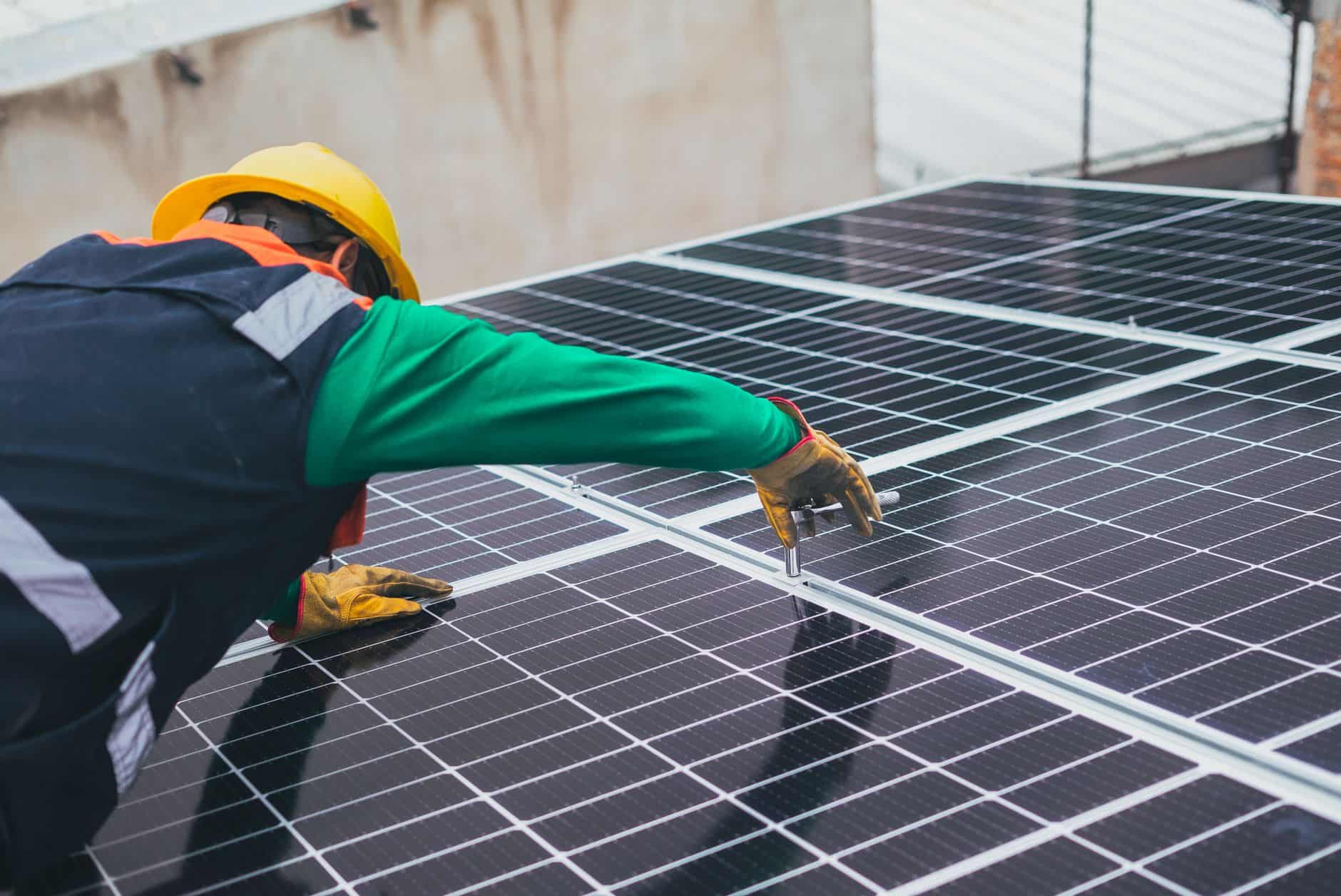
NJ Approves Plug‑In Solar Up to 1.2 kW
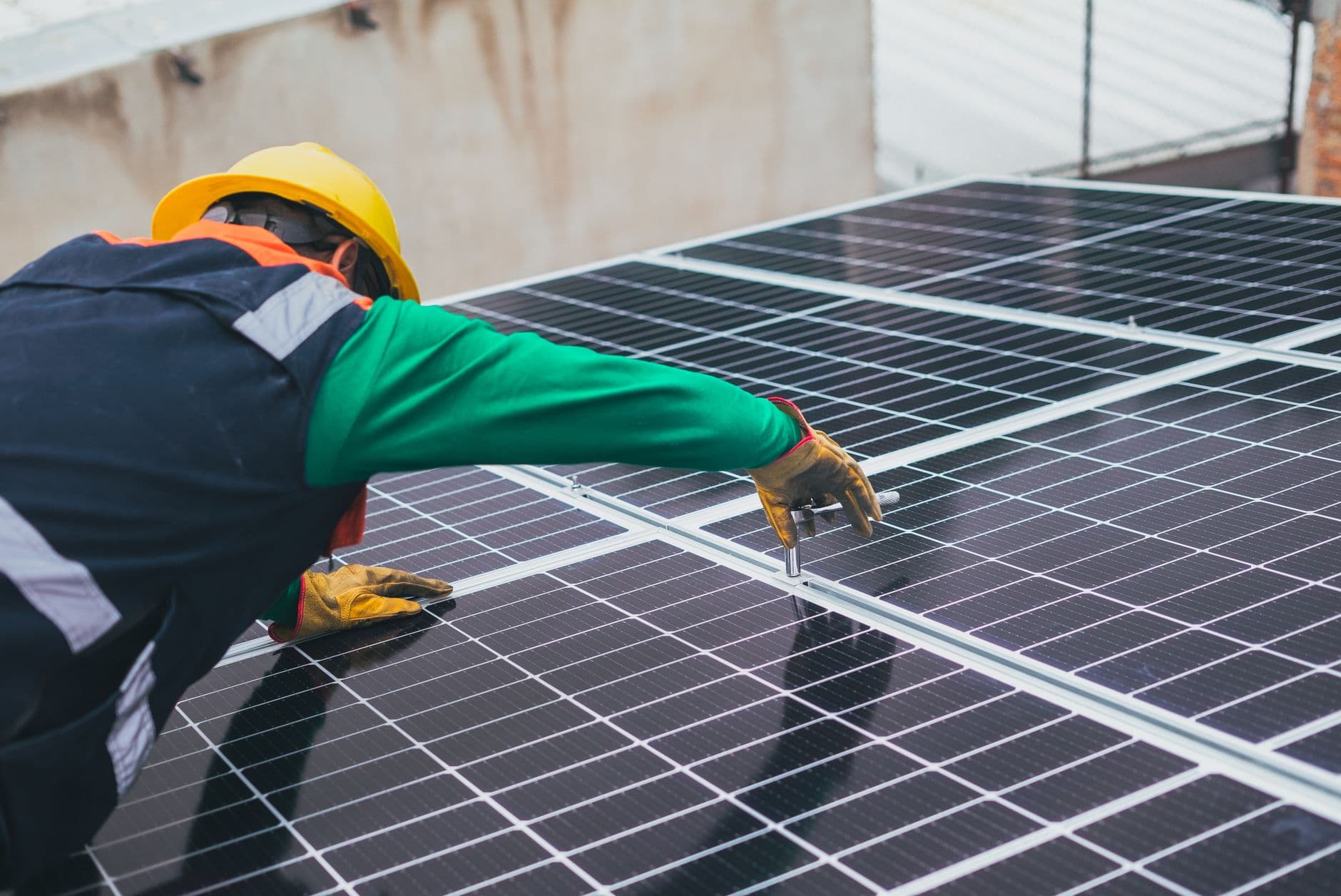
New Jersey joins ten states allowing plug‑in solar panels up to 1.2 kW without permits
New Jersey became the tenth U.S. state to pass a plug‑in solar law, the Garden State Balcony Solar Act (S2368/A4836), which lets residents install portable solar generators of up to 1,200 watts without a building permit or utility interconnection agreement. The bill cleared the legislature in two unanimous votes on June 30 and will take effect six months after Governor Mikie Sherrill signs it.
The bill lets anyone plug in a 1.2 kW system and start saving immediately
Under the new law, a homeowner can place a 1.2 kW balcony‑mounted panel on a balcony, patio, or other exterior surface and simply plug it into the home’s outlet. No paperwork, no utility approval, and no need to file an interconnection agreement. Devices ≤ 400 W are exempt from UL‑3700 certification, while larger units must be UL‑listed and meet NEC standards – a safety net that mirrors similar laws in Utah, Massachusetts and other early adopters.
Safety standards are built‑in, but landlords retain limited control
The act requires all plug‑in devices to comply with the National Electrical Code (NEC) and be UL‑listed (or equivalent) unless they are 400 W or less. It also protects utilities from liability for damage caused by the devices. Landlords, HOAs, and condo boards cannot outright ban these systems, though they may impose reasonable restrictions on size, placement, or mounting method, provided they give tenants 14 days’ written notice with safety documentation.
Broad public backing and a political backdrop of soaring electricity rates
A Fairleigh Dickinson University poll of 805 registered voters showed 74 %–82 % support for the bill across age groups, underscoring strong consumer demand. The legislation aligns with Governor Sherrill’s recent executive orders that freeze residential electricity rate hikes and push for rapid solar‑plus‑storage expansion, a response to New Jersey’s 33 % jump in residential rates last summer.
Why plug‑in solar matters now: falling costs and rising electricity prices
A recent industry update notes that “reduced gas acquisitions increased the price of electricity, making PV more competitive”. Meanwhile, global analyses highlight that solar module prices have dropped dramatically, driving residential adoption even without tax credits. Plug‑in solar removes the remaining barrier of permitting and interconnection, turning a low‑cost technology into an instantly usable home‑energy solution.
Israeli perspective: what a 1.2 kW plug‑in system could mean for a typical home
Using Israel’s typical central‑region yield of 1,700 kWh per kWp per year and a residential tariff of ₪0.48/kWh, a 1.2 kW portable panel would generate roughly 2,040 kWh annually, worth about ₪980 per year. At the average turnkey cost of ₪3,150 per kWp, the system would cost ≈₪3,780, giving a simple payback of just under 4 years (≈3.9 years). This mirrors the payback of a larger rooftop system but with a fraction of the upfront investment, illustrating how plug‑in solar could accelerate household savings in Israel as well.
Looking ahead: scaling the model and potential hurdles
The act’s exemption for devices up to 1.2 kW opens the door for mass‑market products from companies like Gismo Power and CraftStrom’s plug‑in kits. However, the requirement for NEC compliance and UL certification may limit ultra‑low‑cost imports, and the “reasonable restrictions” clause could lead to disputes with property owners. As more states adopt similar legislation, the national market for portable solar could expand rapidly, driving further price drops and encouraging utilities to rethink net‑metering policies.
What it means for Israel
Israel’s renewable target of 30 % by 2030 (20 % by 2025) relies heavily on rooftop solar. Plug‑in systems could help bridge the gap for renters and multi‑unit dwellers who currently face permits and landlord opposition. By offering a low‑cost, quickly deployable option, the model could boost residential solar participation, lower grid demand during peak hours, and contribute to the ≈0.5 kg CO₂ avoided per kWh saved.
For a deeper dive into your own savings, try our solar ROI calculator or explore the latest market data on our data page.
Sources & further reading
- Solar Market Insight Report 2025 Year in Review - SEIA
- A Solar Powered Future: Residential Adoption on a Global Scale
- Spring 2024 Solar Industry Update - Publications | NLR
- Network dynamics of solar PV adoption: Reconsidering flat tax...
- This week, New Jersey became the tenth state to pass a bill allowing...
FAQ
What size of solar panel does the New Jersey bill allow without a permit?
The Garden State Balcony Solar Act permits portable solar generators up to **1,200 watts** (1.2 kW) to be installed without a building permit or utility interconnection agreement.
Do plug‑in solar devices need UL certification?
Devices **over 400 W** must be UL‑listed (or meet an equivalent standard) and comply with the National Electrical Code; smaller units are exempt.
Can landlords stop tenants from using plug‑in solar?
Landlords, HOAs, and condo boards cannot outright ban the systems, but they may impose reasonable size or placement restrictions after receiving written notice and safety documentation.
How much could a 1.2 kW portable solar panel save an Israeli homeowner?
In central Israel it would generate about **2,040 kWh per year**, worth roughly **₪980** at the residential tariff, with a payback of **just under 4 years** based on typical installation costs.
Why is plug‑in solar gaining traction now?
Falling solar module prices, rising electricity rates, and new state laws that eliminate permitting barriers make plug‑in solar a fast, low‑cost way for households to start saving.
Which other states have similar plug‑in solar laws?
Before New Jersey, nine states—including Utah (the first in 2025), Massachusetts, and seven other East‑Coast states—had enacted comparable legislation.
Share this post
More from Policy
6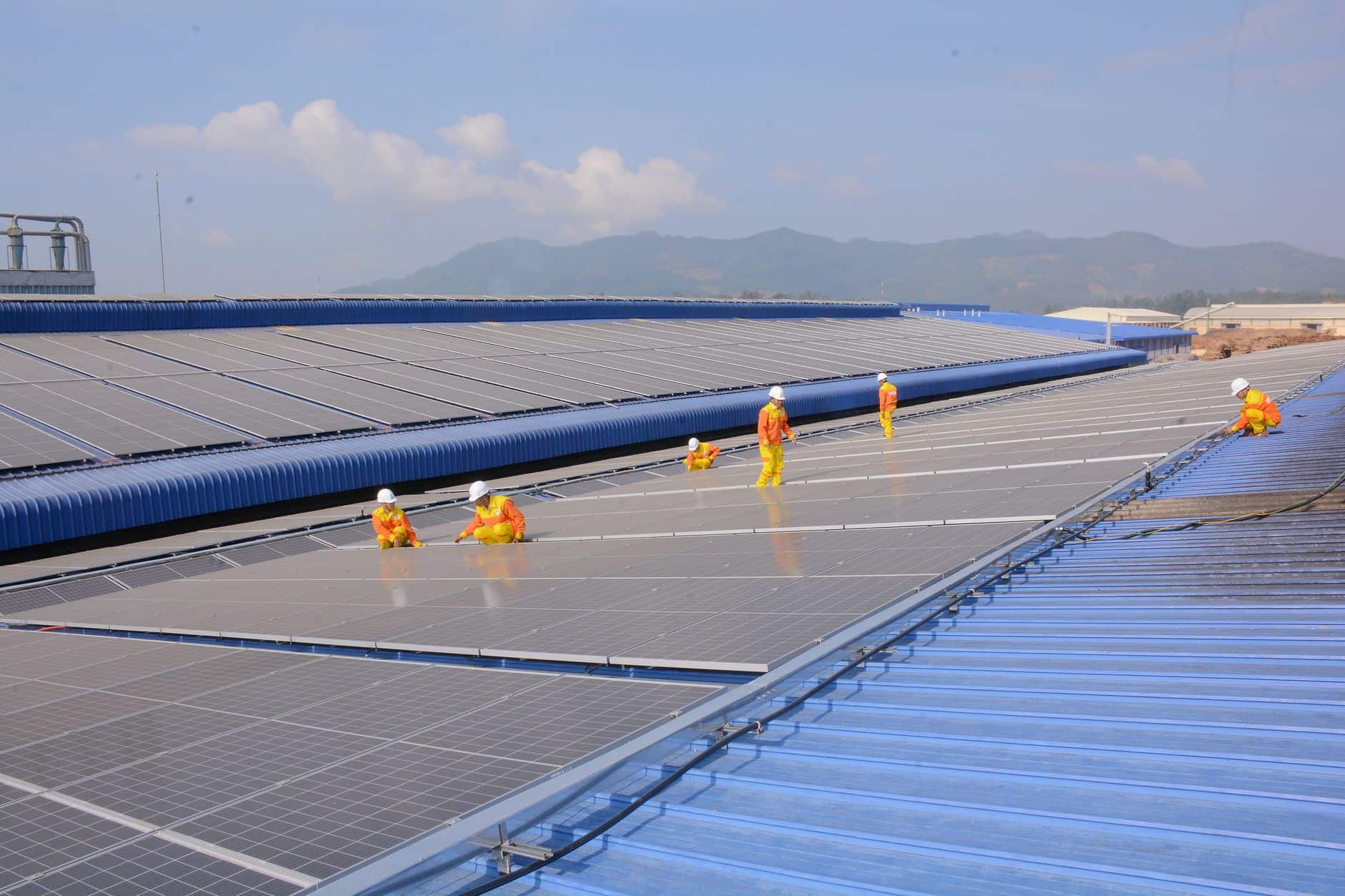
China's PV Standards Target Overcapacity
China’s new mandatory PV standards, effective Jan 1 2027, set energy‑use caps and minimum efficiency grades for polysilicon, silicon wafers, modules and inverters, aiming to curb overcapacity and push the industry toward higher‑efficiency products.
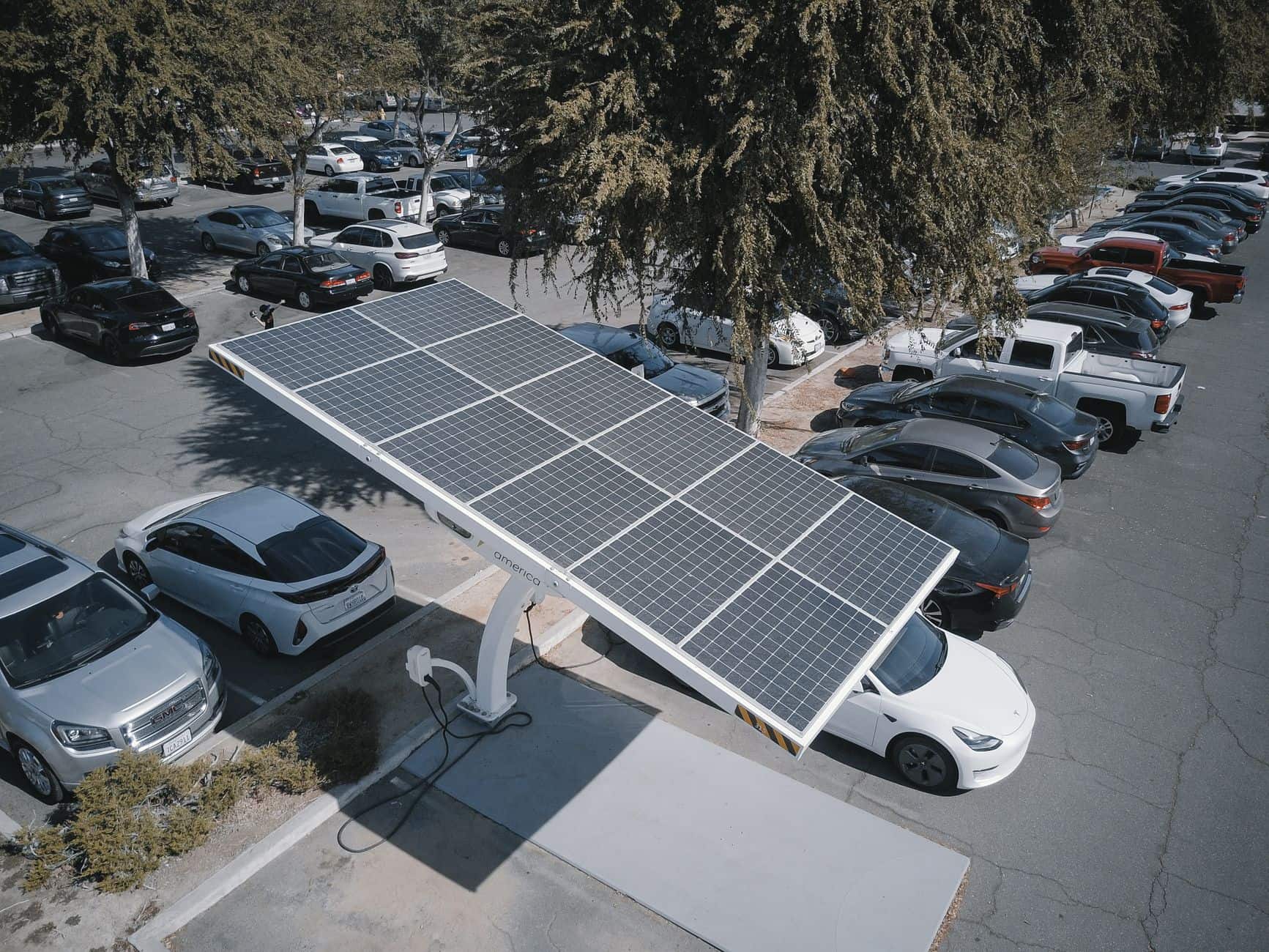
Israel Aims 70% Renewable Transport by 2050
Israel has set a 70 % renewable‑energy target for its transport sector by 2050, backed by rapid EV growth, expanding fast‑charging networks, and a push for rooftop solar to power home‑charging.
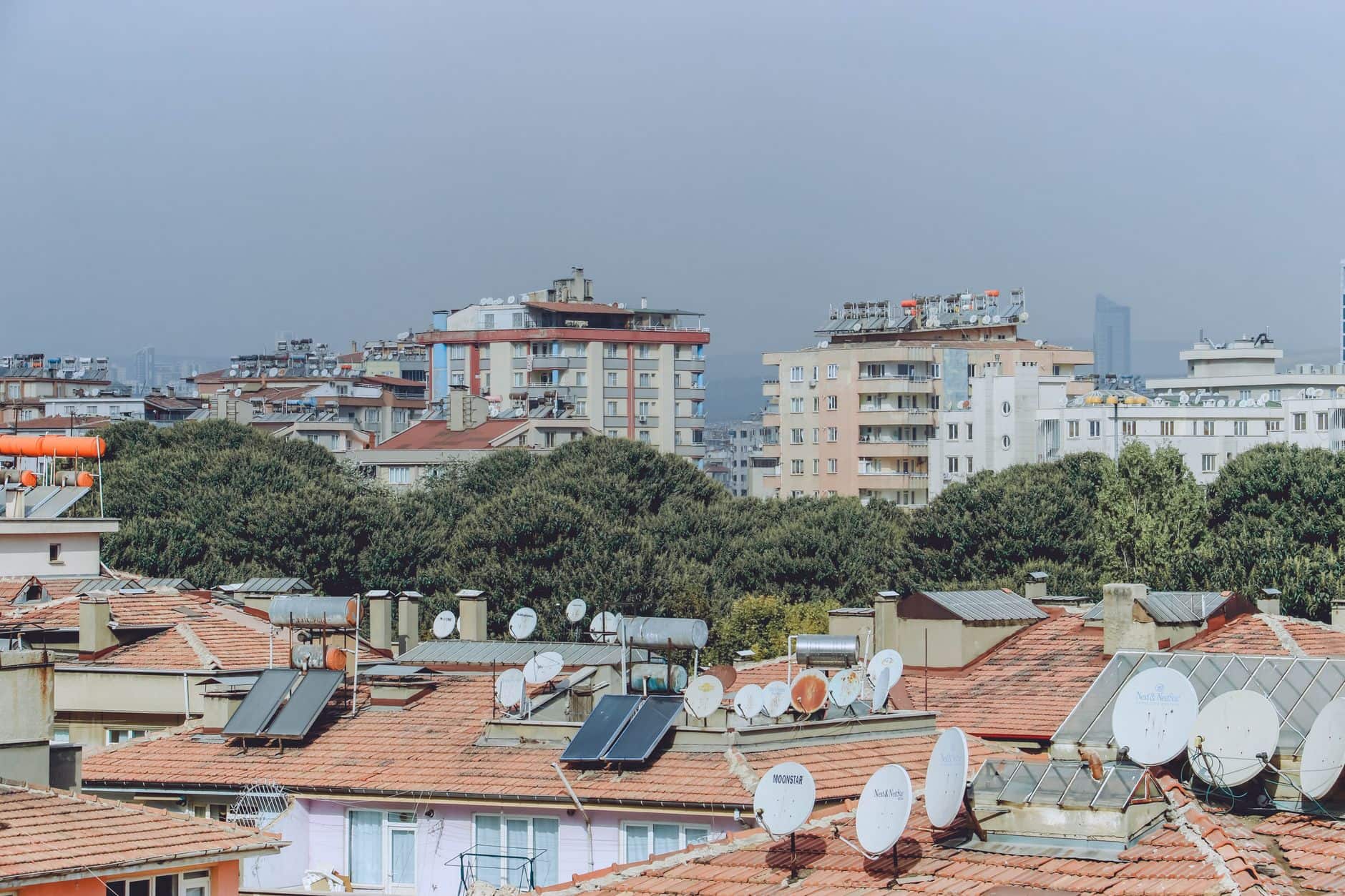
Israel's New Plan to Fast‑Track Rooftop Solar
Israel’s Energy Ministry plans to cut permitting delays and mandate solar‑ready roofs on all new buildings, targeting roughly 3.5 GW of rooftop PV by 2030 and shortening payback periods for homeowners.
US Drafts Ban on Chinese Solar Inverters
The Trump administration is drafting a rule that could ban Chinese‑made solar inverters from U.S. projects, citing cybersecurity risks and echoing recent EU restrictions.
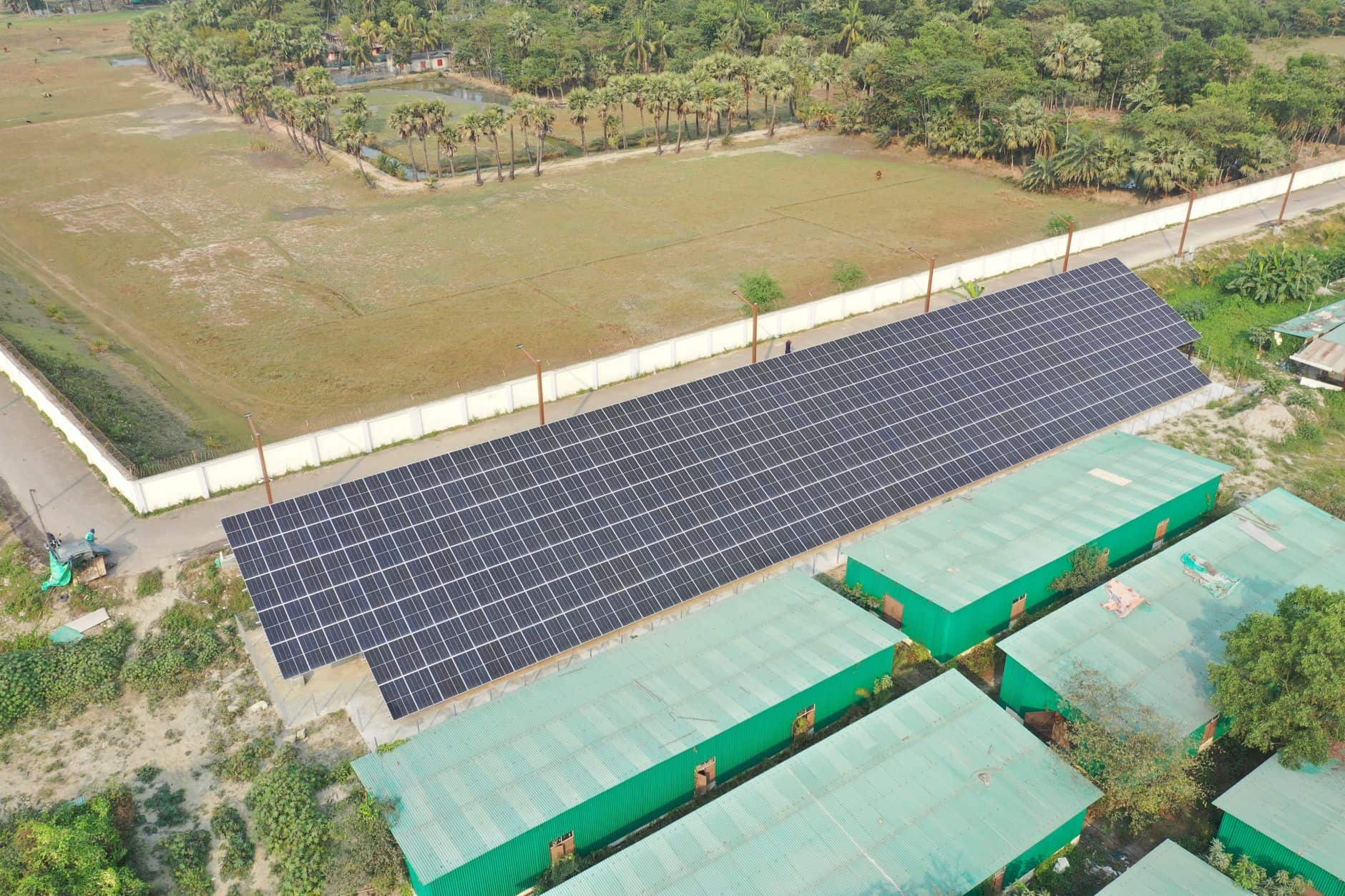
Bangladesh Opens 95 MW Solar Tender Amid Investor Doubts
Bangladesh’s Power Development Board has opened a 95 MW solar tender, but investors are hesitant because the government offers no land, financing or payment guarantees.

Germany Moves to Block Chinese Solar Inverters
Germany is set to restrict Chinese solar inverters, citing cybersecurity risks, with 70‑80 % of European inverters currently sourced from China.