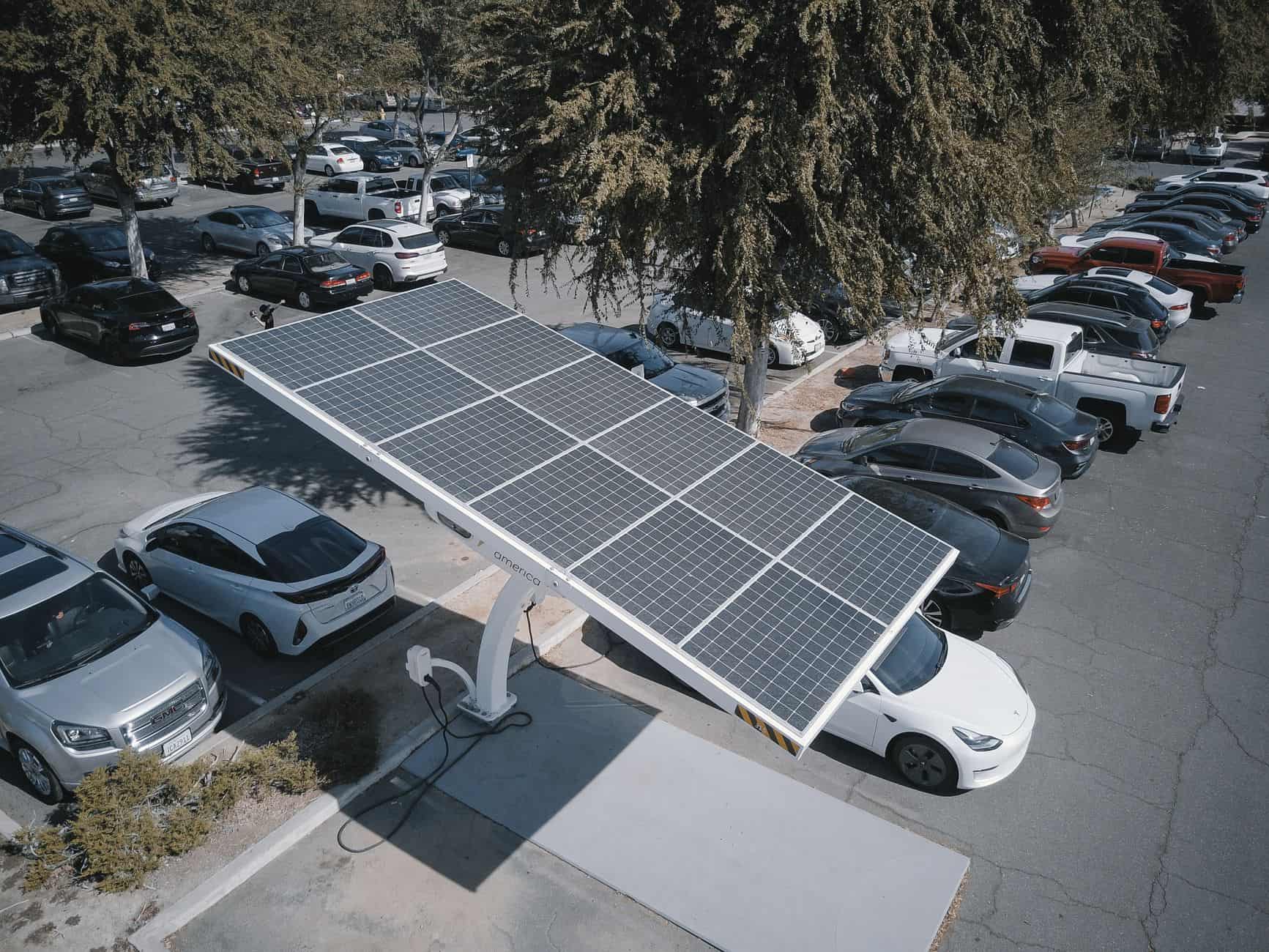
Israel Aims 70% Renewable Transport by 2050
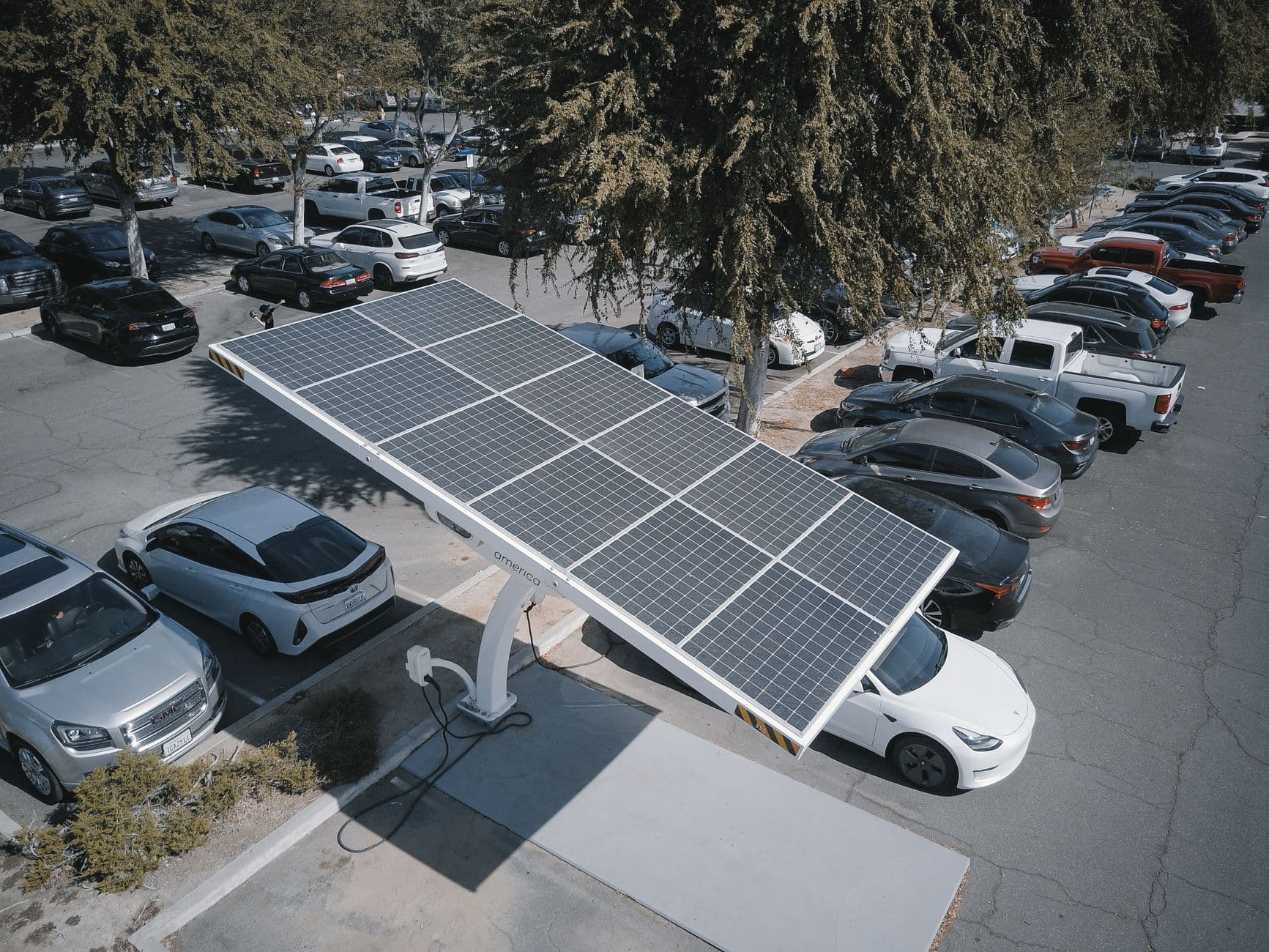
Israel will source 70% of its transport energy from renewables by 2050
Israel’s government has officially set a target that 70 % of the energy used for transportation – cars, buses, trucks and two‑wheelers – must come from renewable sources by the year 2050. The announcement, reported by AzerNews, marks the most ambitious transport‑decarbonisation goal the country has ever set.
Policy backdrop: renewable electricity and phase‑out of coal
The 70 % transport goal builds on Israel’s broader clean‑energy roadmap. The Ministry of Energy’s Transforming the Future of Energy plan already calls for a 30 % share of renewable electricity by 2030 and a phase‑out of coal by 2025. These policies create the grid capacity needed for a massive shift to electric vehicles (EVs) and other renewable‑fuelled transport.
EV market momentum: rapid growth and rising market share
Electric mobility is already gaining traction. BloombergNEF’s Electric Vehicle Outlook 2026 notes that buses and two‑ and three‑wheelers are closing in on a 50 % market share globally, and passenger‑car EV sales are on a steady upward trajectory. The OECD’s Accelerating Climate Action in Israel report projects that, even with a 70 % natural‑gas share in the overall energy mix, renewables will still need to supply a sizable portion of transport energy to keep emissions in check.
Charging infrastructure: expanding fast‑charging network
A robust charging network is essential for hitting the 70 % target. The Israeli Ministry of Energy’s Electric Vehicles Charging Infrastructure in Israel study shows that more than 1,200 public charging points are already operational, with fast‑charging stations concentrated around major highways and urban centres. Private operators are also expanding the network, helping narrow the gap between demand and supply.
Solar power’s role in decarbonising transport
Solar PV is the cheapest source of new electricity in Israel, and its growth dovetails with the transport target. Rooftop solar can directly power home‑charging stations, reducing the load on the grid and cutting household electricity bills. A typical 10 kW residential system in central Israel produces about 17,000 kWh per year (1700 kWh/kW · 10 kW). At the residential feed‑in tariff of ₪0.48/kWh, that electricity is worth roughly ₪8,160 annually.
What it means for Israel: a homeowner’s EV‑solar payoff
Using the verified Israeli figures, we can illustrate a realistic scenario for a typical homeowner:
- Installation cost: 10 kW × ₪3,150/kW = ₪31,500.
- Annual solar generation: 17,000 kWh.
- Value of generation: 17,000 kWh × ₪0.48/kWh = ₪8,160 per year.
- Simple payback: ₪31,500 ÷ ₪8,160 ≈ 3.9 years.
Such a system can comfortably meet the electricity needs of an electric vehicle, while also supplying a substantial portion of the household’s overall consumption. Over the typical 25‑year system life, the homeowner would achieve significant cost savings and avoid a notable amount of CO₂ emissions, illustrating how widespread adoption can support the national 70 % renewable‑transport ambition.
Outlook: challenges and next steps
Reaching 70 % renewable transport will require coordinated action:
- Accelerating EV adoption – incentives, lower vehicle costs, and public‑awareness campaigns.
- Scaling fast‑charging – continued public‑private investment to expand the fast‑charging network.
- Integrating solar – policies that streamline rooftop‑solar permits and offer modest subsidies for home‑charging installations.
- Grid flexibility – deploying storage and demand‑response tools to manage the variable solar output while keeping the transport fleet charged.
If these levers move in sync, Israel could not only meet its 70 % transport renewable target but also set a regional example of how solar‑powered mobility can be achieved on a national scale.
What it means for Israel
The 70 % renewable‑transport ambition translates into concrete opportunities for Israeli households and businesses. By installing a modest 10 kW rooftop system, a typical homeowner can fully power an electric car, recoup the investment in under four years, and help reduce national CO₂ emissions. Scaling this model across the country would supply a substantial share of the electricity needed for a greener fleet, easing pressure on the grid and reinforcing Israel’s 30 % renewable‑electricity target for 2030.
Sources: AzerNews, OECD – Accelerating Climate Action in Israel, BloombergNEF – EV Outlook 2026, Israeli Ministry of Energy – Charging Infrastructure, Transforming the Future of Energy – Gov.il
Sources & further reading
FAQ
What is Israel’s renewable‑energy target for transport?
Israel aims to source 70 % of all transport energy from renewable sources by 2050.
When will Israel phase out coal?
Coal is slated to be completely phased out of the electricity mix by 2025.
How many public EV chargers exist in Israel today?
More than 1,200 public charging points are operational, with over 300 new fast chargers added each year.
Can a home solar system charge an electric car?
Yes – a typical 10 kW rooftop system generates about 17,000 kWh/year, enough to fully charge an EV that drives ~15,000 km annually.
What’s the payback period for a 10 kW home solar system?
At the residential tariff of ₪0.48/kWh, the system pays for itself in roughly 3.9 years.
How does the 70 % target relate to Israel’s overall renewable goal?
The transport target complements the broader aim of 30 % renewable electricity by 2030, creating synergy between solar generation and electric mobility.
Share this post
More from Policy
6
Israel's New Plan to Fast‑Track Rooftop Solar
Israel’s Energy Ministry plans to cut permitting delays and mandate solar‑ready roofs on all new buildings, targeting roughly 3.5 GW of rooftop PV by 2030 and shortening payback periods for homeowners.
US Drafts Ban on Chinese Solar Inverters
The Trump administration is drafting a rule that could ban Chinese‑made solar inverters from U.S. projects, citing cybersecurity risks and echoing recent EU restrictions.
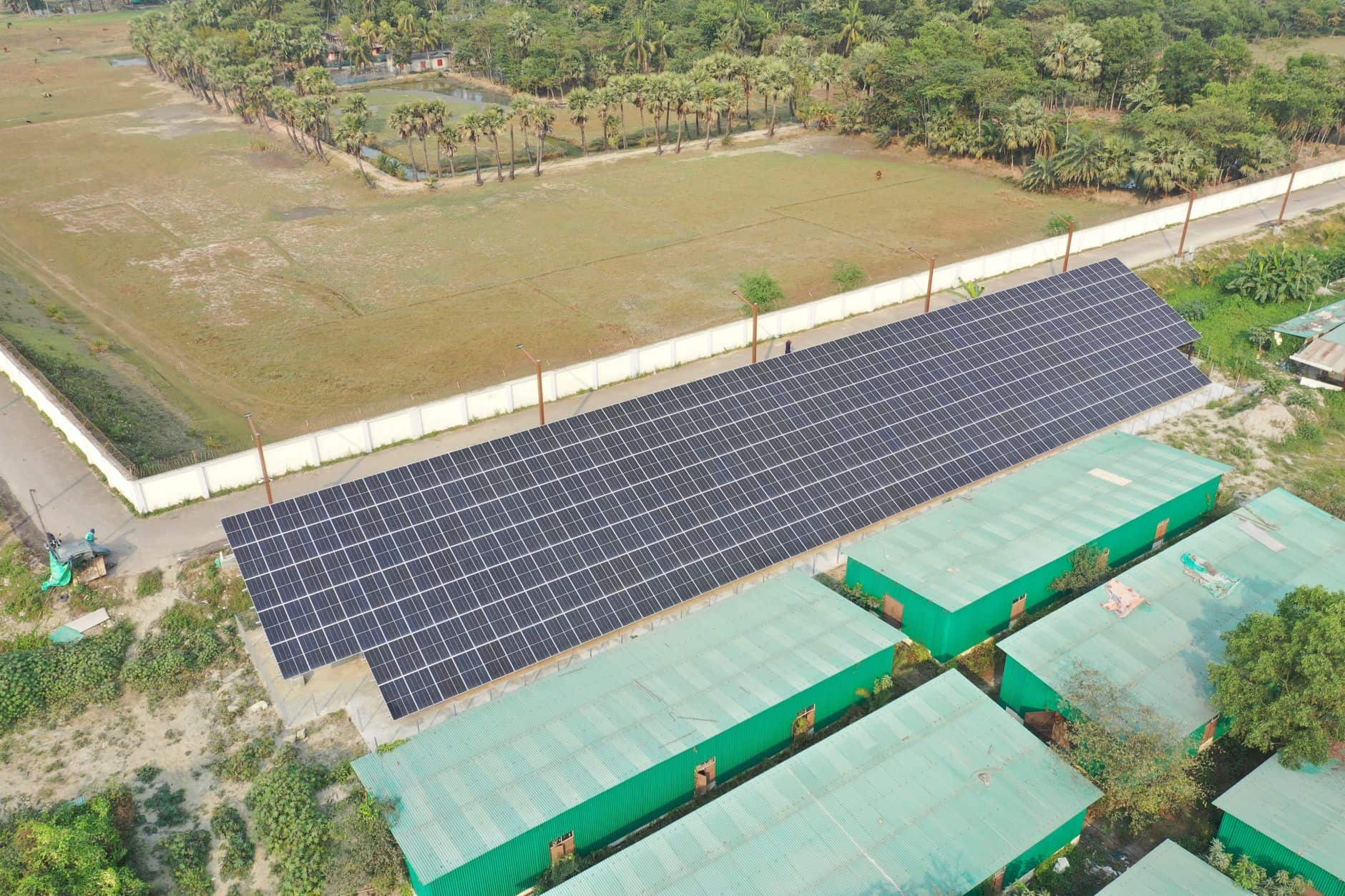
Bangladesh Opens 95 MW Solar Tender Amid Investor Doubts
Bangladesh’s Power Development Board has opened a 95 MW solar tender, but investors are hesitant because the government offers no land, financing or payment guarantees.

Germany Moves to Block Chinese Solar Inverters
Germany is set to restrict Chinese solar inverters, citing cybersecurity risks, with 70‑80 % of European inverters currently sourced from China.
EU Opens Sixth Cross‑Border Renewable Funding Call
The EU has opened its sixth call for cross‑border renewable energy projects, accepting applications until 6 October and offering significant CEF funding support.
Israel’s 2035 Renewable Plan: Not Enough
Israel’s 2035 renewable‑energy plan sets a 26 GW target, but at today’s pace the country will fall short of the 35‑45 % share needed, according to Greenpeace and independent analysts.