Ivory Coast Turns On 52 MW Solar Plant
52 MW Ferké solar plant goes live – the key facts
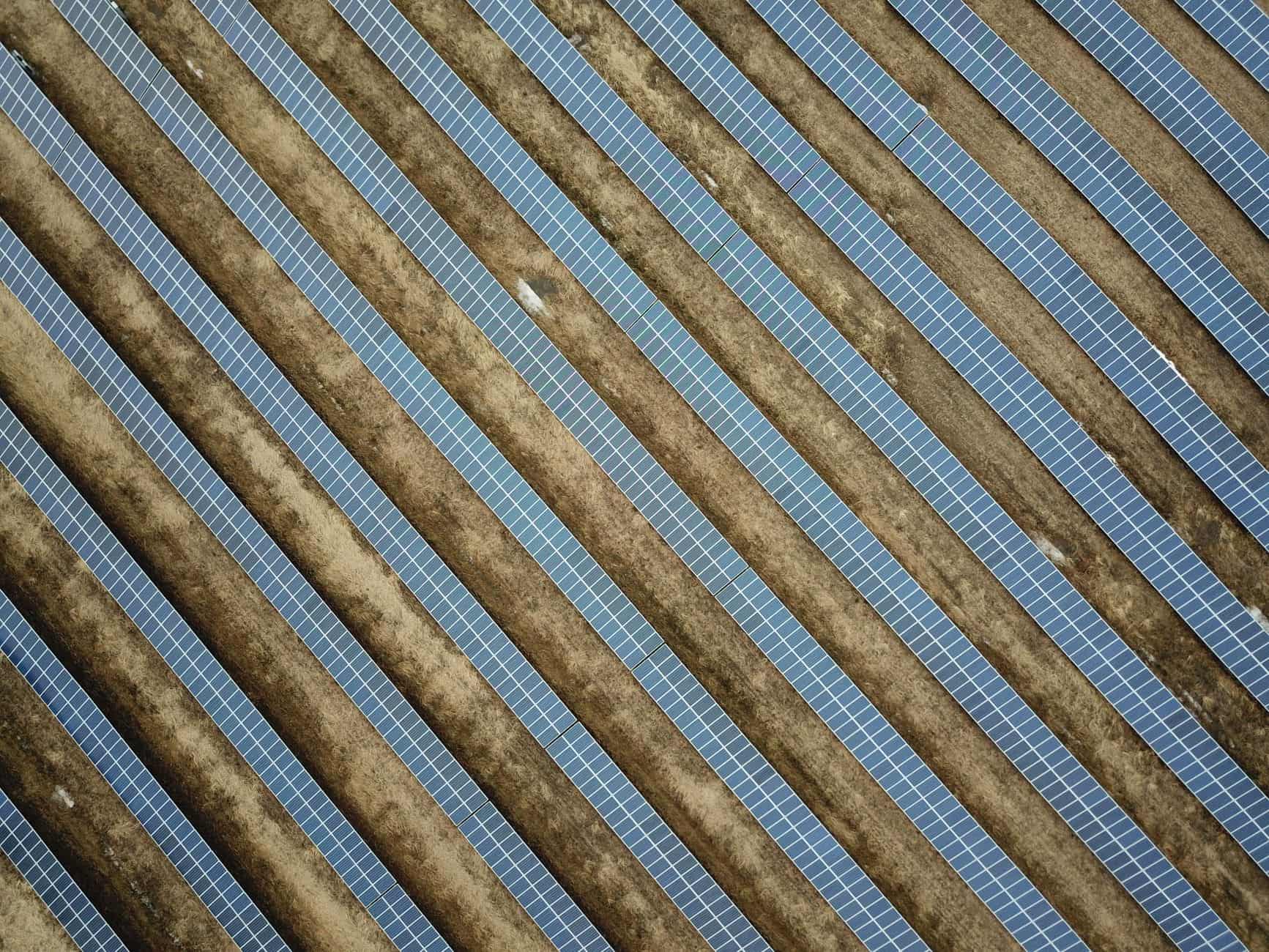
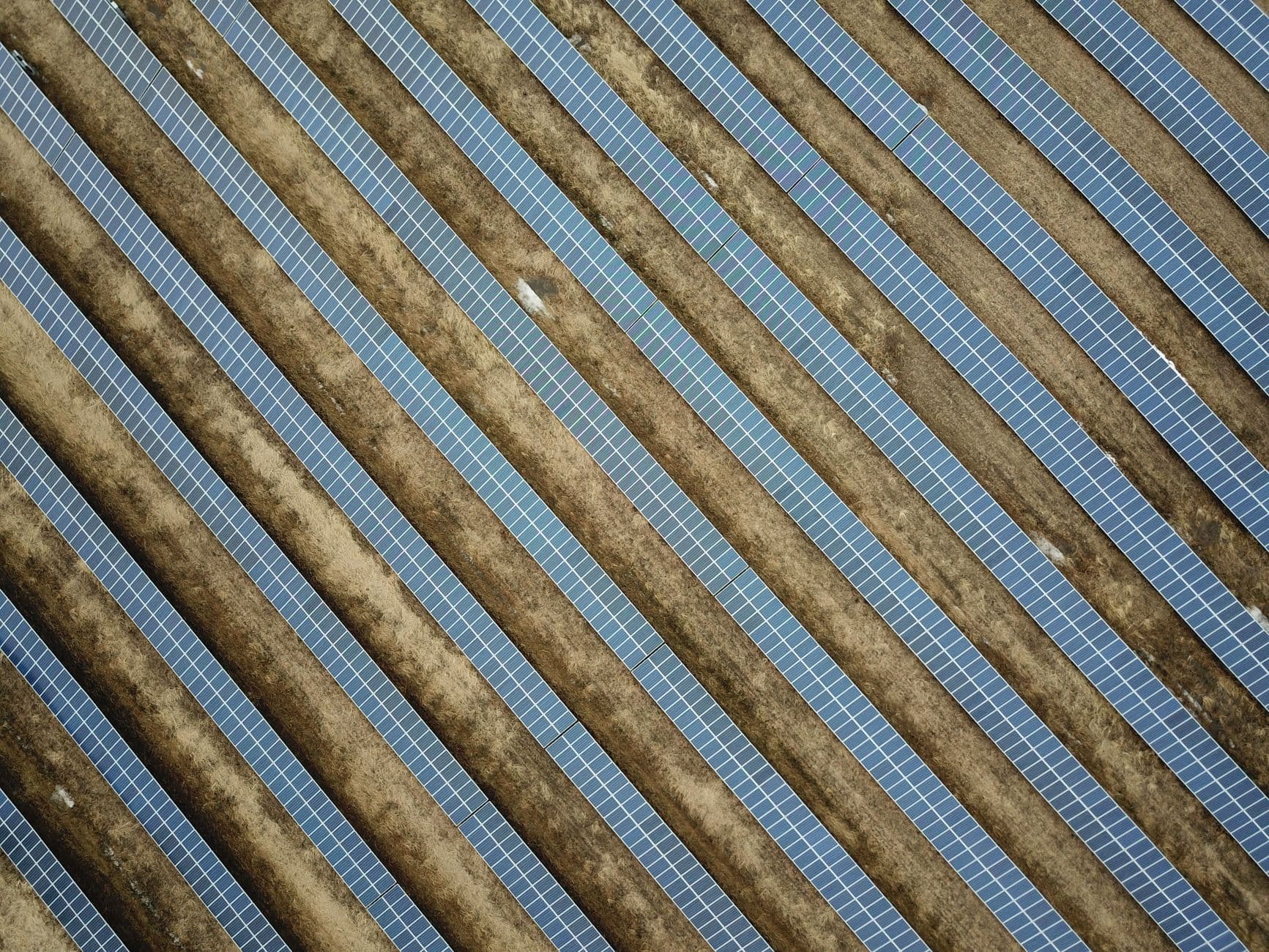
Ivory Coast has officially switched on the 52 MW Ferké solar power plant in the northern Tchologo region, a project worth XOF 41 billion (≈ $71.5 million) that will generate about 90 GWh of clean electricity each year. The ground‑mounted facility spreads over 70 ha, hosts more than 73 000 photovoltaic panels and is expected to serve over 370 000 households, schools, health centres and businesses.
How much power will it deliver? – capacity factor and household impact
At full operation the plant will produce 90 GWh annually, which translates to a capacity factor that is typical for solar farms in the Sahelian climate. The electricity is enough to power about 370 000 homes, assuming a typical household consumption pattern – a view that aligns with the Deputy Prime Minister’s statement during the inauguration.
Ivory Coast’s renewable roadmap – targets and pipeline
The new plant is the second operational solar project after the Boundiali plant inaugurated earlier in 2024. Ivory Coast aims to raise the share of renewables in its energy mix to 46.3 % by 2035, which includes expanding solar capacity to more than 1.3 GW by that date. In addition to Ferké, the country has several large‑scale projects under construction: the 50 MW Kong solar farm, the 52 MW M’Bengue facility (both slated for commissioning before the end of 2027) and a 50 MW plant built by UAE‑based Amea Power. According to the Africa Solar Industry Association (AFSIA), Ivory Coast already has 660 MW of operational solar (mostly commercial/industrial) and 199 MW under construction.
Regional impact – jobs, electrification and energy sovereignty
Deputy Prime Minister Téné Birahima Ouattara highlighted that the plant will reduce energy costs, create jobs for youth, and strengthen energy sovereignty. With electricity access now at 90 % nationwide, up from roughly one‑third in 2011, the new solar capacity helps close the remaining gaps in rural electrification while providing a stable, low‑carbon power source for local economies.
What it means for Israel – a quick economic comparison
If the same 90 GWh of solar were produced in Israel, the electricity would be valued at the typical residential feed‑in tariff of ₪0.48 /kWh. That equals roughly ₪43 million per year (90 000 MWh × ₪0.48). With a typical turnkey residential installation cost of ₪3 150 /kWp, a comparable 52 MW (52 000 kW) system would cost about ₪164 million. The implied simple payback, ignoring financing and incentives, would be around 3.9 years, similar to the 10 kW home example often quoted for Israeli rooftop solar. This illustrates how large‑scale solar can become a financially attractive asset in both West Africa and Israel, especially when feed‑in tariffs remain generous.
Outlook – Africa’s solar surge continues
The Ferké plant demonstrates that West Africa is moving from pilot projects to utility‑scale solar at speed. With the continent’s renewable targets rising and financing increasingly available from both local and international investors, the next few years are likely to see gigawatts of new solar capacity across the region. For investors, the combination of relatively low land costs, high solar irradiance and supportive government policies makes Ivory Coast a compelling case study.
What it means for Israel – The 52 MW plant’s annual output would avoid roughly 45 million kg of CO₂ each year (using the standard 0.5 kg CO₂/kWh avoided). While the scale differs, the economics echo Israel’s own rooftop boom, where a 10 kW system pays back in under four years and continues to generate clean energy for 25 years.
For a deeper dive into Israeli solar ROI, visit our calculator and explore the latest market data on our data page.
Sources & further reading
FAQ
How much electricity will the new Ferké solar plant produce?
The 52 MW plant is expected to generate roughly 90 GWh of electricity per year.
How many households can be powered by the plant?
At an average consumption of 240 kWh per month, the output can supply electricity to about 370 000 homes.
What was the total cost of the project?
The plant cost about XOF 41 billion, which is roughly US $71.5 million.
What renewable‑energy target has Ivory Coast set for 2035?
Ivory Coast aims for renewables to make up 46.3 % of its electricity mix by 2035, including more than 1.3 GW of solar capacity.
How does the plant’s capacity factor compare to typical solar farms?
With 90 GWh annual generation, the plant’s capacity factor is about 20 %, which is normal for solar in a Sahelian climate.
What does this mean for Israel’s solar market?
If the same 90 GWh were produced in Israel, it would be worth about ₪43 million at the residential tariff, showing that large‑scale solar can be financially attractive in both regions.
Share this post
More from Markets
6
Solar Boom in the Negev Sends 15 M NIS to Residents
Mitzpe Ramon’s 5 MW solar farm will return roughly 15 million shekels a year to local residents, part of Israel’s fast‑growing desert solar boom.
Europe's Solar Market Has No Clear Leader
The Solarmonitor study finds no single company dominates Europe’s residential solar market – the top three firms together hold only a modest share of the market.
Israel's AI Agri Drive Aims at Philippines
Israel is showcasing AI‑driven farm tech to the Philippines, with eleven firms seeking deals that could modernise Filipino agriculture and boost Israel’s export market.
Documentation Gaps Threaten Solar Funding
Investors are refusing to fund sound solar projects because developers lack proper quality and end‑of‑life documentation, turning paperwork into the biggest financing risk.

Chile's Solar Boom Hits 12 GW
Chile’s solar PV capacity hit 12.2 GW in May 2026, making up about 61 % of its renewable fleet and supplying roughly a quarter of the nation’s electricity.

Diversity Powers Solar’s Global Surge
Diverse, locally‑savvy teams are accelerating solar’s global boom, with 511 GW added in 2025, while Israel can cut payback to under four years by embracing inclusion and regional expertise.