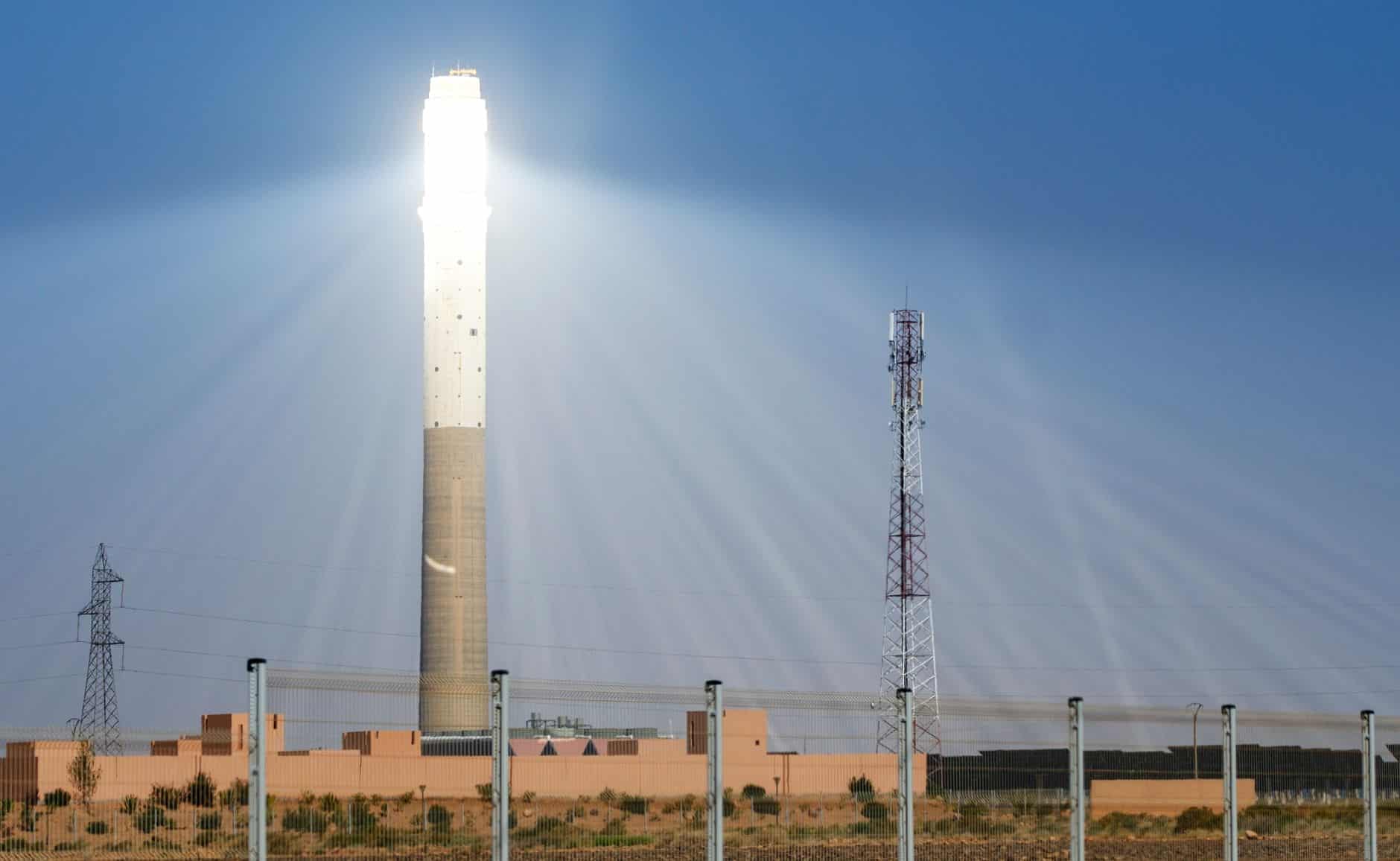
Inside Israel’s ‘Eye of Sauron’ Solar Tower
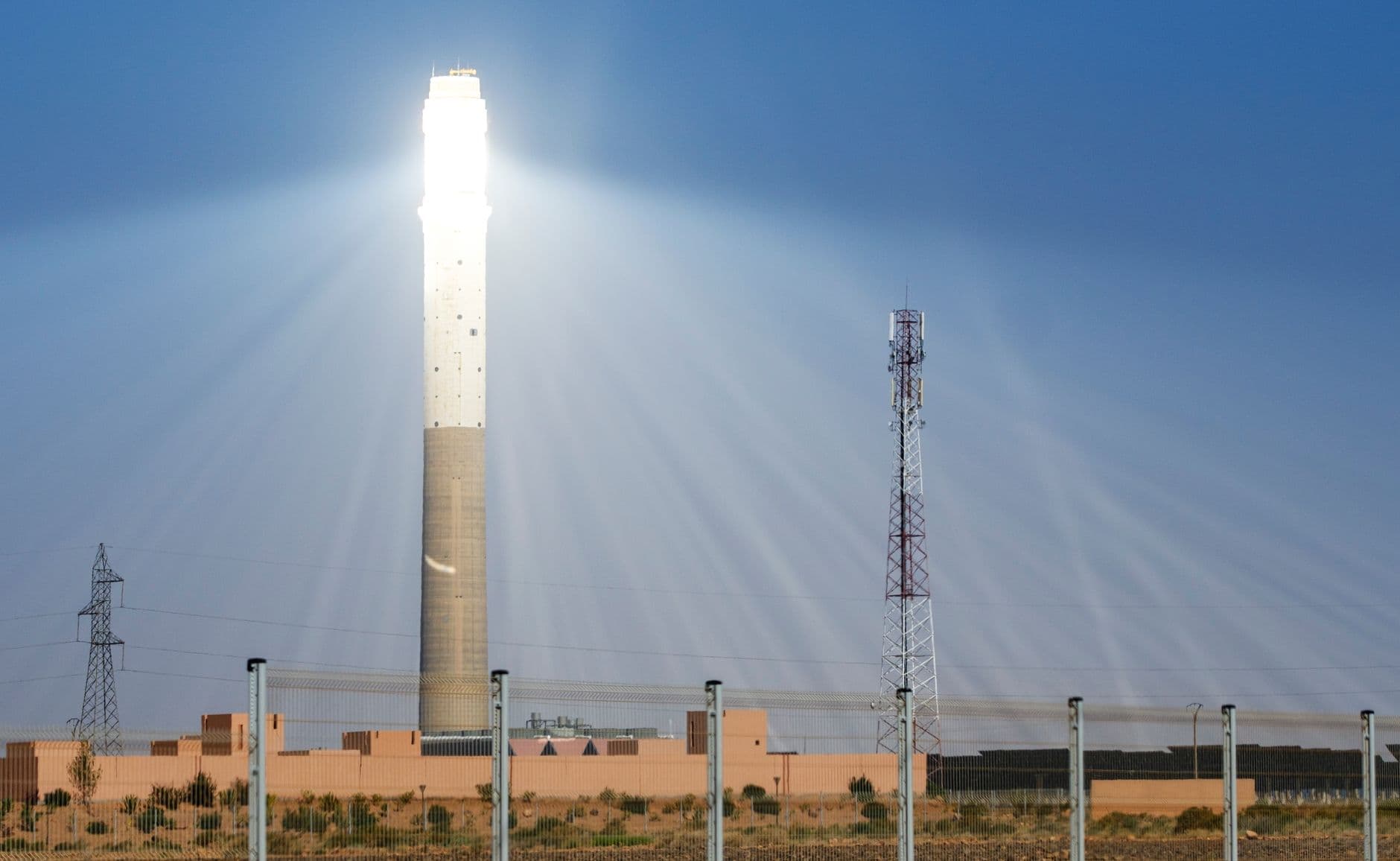
The Eye of Sauron is Israel’s 240‑metre solar‑thermal tower at the Ashalim Power Station
The striking 240‑m (≈ 790‑ft) tower that dominates the Negev desert is the centerpiece of the Ashalim Solar Thermal Power Station, Israel’s first utility‑scale concentrating solar power (CSP) plant. It earned the nickname “Eye of Sauron” because its glowing receiver looks like the all‑seeing eye from The Lord of the Rings and can be spotted from space.
A towering sight – why the nickname sticks
The tower’s cylindrical receiver glows bright orange when the sun’s rays are concentrated onto it, creating a beacon that can be seen for kilometres across the desert and, according to observers, even from orbit. Its height (about 240 m) makes it taller than a 70‑storey building, and the structure is illuminated at night for safety, adding to the “eye‑like” effect.
How the tower turns sunlight into dispatchable electricity
A solar‑thermal tower works by surrounding the tall receiver with a field of flat mirrors – called heliostats – that track the sun all day. At Ashalim a large number of heliostats reflect sunlight onto the receiver, heating molten salt that stores thermal energy and drives a steam turbine to generate electricity, even after the sun sets. The plant includes several hours of molten‑salt storage, allowing it to supply power during peak‑demand evenings.
Performance specs – capacity, storage and output
- Significant capacity: the plant delivers a sizable amount of electricity for the region.
- Thermal storage: several hours of molten‑salt heat give the plant dispatchable capability.
- Heliostat field: over a thousand mirrors, each sizable, are constantly re‑aimed to focus sunlight on the receiver.
- Generation: enough electricity is produced to supply tens of thousands of Israeli homes.
Why the tower matters for Israel’s renewable goals
Israel has pledged to source 30 % of its electricity from renewables by 2030 and 20 % by 2025. The Ashalim CSP plant adds a dispatchable, low‑carbon source that can fill gaps when solar PV is offline, helping the grid meet those targets without relying on natural‑gas peakers. It also demonstrates that large‑scale CSP can be built in the harsh Negev environment, opening the door for future towers or hybrid solar‑thermal‑PV projects.
What it means for Israel’s everyday solar consumer
For a typical homeowner in central Israel, a 10 kWp rooftop PV system produces about 17,000 kWh per year. At the residential feed‑in tariff of ~₪0.48 /kWh, that electricity is worth roughly ₪8,160 annually. With a turnkey installation cost of ~₪3,150 /kWp, the system costs about ₪31,500 to install, giving a simple payback of ≈ 3.9 years – well within the 25‑year system life. While the Eye of Sauron supplies grid‑scale, dispatchable power, the same economic logic shows why rooftop PV remains an attractive, fast‑paying investment for Israeli households.
Future outlook – can Israel build more towers?
Globally, CSP capacity is growing, with new dual‑tower designs in China boosting efficiency by 24 %. Israel’s success with Ashalim positions it to attract further CSP projects, especially if storage costs continue to fall. Government plans call for a total solar capacity of around 17 GW by 2030, a mix of PV and CSP, meaning the desert tower could be the first of many clean‑energy beacons across the country.
What it means for Israel
The Eye of Sauron proves that Israel can harvest the desert’s abundant sunshine in a form that is both high‑capacity and dispatchable. By delivering power after sunset, the tower reduces the need for fossil‑fuel peakers, cuts CO₂ emissions (about 0.5 kg per kWh generated), and supports the nation’s 30 % renewable electricity target for 2030. For consumers, the tower’s success reinforces the broader message: solar – whether on a rooftop or a 240‑m tower – is becoming an increasingly economical way to power Israeli homes and industry.
For a quick estimate of your own rooftop solar payback, try our solar ROI calculator. For up‑to‑date market data, visit our solar data hub.
Sources & further reading
- Solar power tower - Wikipedia
- Ashalim Solar Thermal Power Station: What is Israel's 'Eye of Sauron...
- Aerial View Ashalim Solar Power Station Stock Footage Video (100...
- What is Israel's 'Eye of Sauron': Inside the high-tech solar desert...
- World's first dual-tower solar thermal plant boosts efficiency by 24%
FAQ
What is the ‘Eye of Sauron’ in Israel?
It is the 240‑metre solar‑thermal tower at the Ashalim Solar Thermal Power Station, the country’s first utility‑scale CSP plant.
How tall is the tower?
The tower stands about 240 metres (≈ 790 feet) high, taller than a 70‑storey building.
What technology does the tower use?
It uses a field of heliostats to focus sunlight onto a central receiver that heats molten salt, which then drives a steam turbine for electricity.
How much power can the plant generate?
The plant has a 121 MW nameplate capacity and, thanks to 4.5 hours of molten‑salt storage, can produce roughly 300 GWh per year.
Why is the tower important for Israel’s energy mix?
Its dispatchable output helps meet the 30 % renewable electricity target for 2030 and reduces reliance on natural‑gas peaker plants.
Can the tower be seen from space?
Yes – the glowing receiver is bright enough to be spotted from orbit, which contributed to its “Eye of Sauron” nickname.
Share this post
More from Technology
6
Hands‑On Solar Lab Trains the Next Generation
Lancaster County’s vocational school now runs a rebuildable 6.4 kW off‑grid solar‑plus‑storage lab, funded by state grants and using a DIY‑friendly EG4 6000XP inverter to give students hands‑on experience.
חימום מסחרי עם משאבות חום פרופאן של Haier
Haier השיקה משאבת חום מסחרית עם פרופאן (R290) בעוצמות של 26‑40 kW, יעילות A+++ ו‑SCOP של 4.91, המיועדת לבניינים עירוניים עם רעש נמוך.
US Solar Cell Capacity Reaches 3 GW
ES Foundry finished a 2 GW expansion in South Carolina, bringing U.S. solar cell manufacturing capacity to 3 GW and strengthening domestic supply ahead of upcoming import tariffs.
Software Could Unlock 300 GW on US Grid
Advanced grid‑scanning software can unlock roughly 300 GW of hidden transmission capacity in the United States within five years, offering a fast‑track route for new solar and storage projects.
GIZ Seeks Five Agrivoltaic Pilot Models
GIZ is seeking multiple agrivoltaic pilot models in Vietnam to merge solar power with farming, a concept that could inspire similar dual‑use projects in Israel.
$1B Plan to Guard Earth from Solar Storms
A new study proposes a large‑scale programme of surge‑protectors, battery buffers and insurance to harden solar farms and grids against catastrophic solar super‑storms.