US Solar Cell Capacity Reaches 3 GW
ES Foundry’s expansion lifts U.S. solar cell output to 3 GW
ES Foundry has finished a 2 GW expansion of its Greenwood, South Carolina plant, taking its annual crystalline‑silicon cell capacity to 3 GW. The first cell from the new line rolled off the production line in early July, confirming the company’s schedule was met on time.
The expansion adds a critical chunk to a rapidly growing domestic supply chain
The 3 GW figure represents a sizable increase over the roughly 3 GW of U.S. cell capacity that existed recently, according to Wood Mackenzie analysts. Those analysts project total U.S. cell manufacturing capacity to reach about 20.5 GW by the end of 2027. ES Foundry’s new line therefore constitutes a significant share of the capacity expected in 2027 and helps close a supply‑chain gap that has slowed domestic module builds.
Other U.S. manufacturers are also scaling up
Suniva, another South‑Carolina player, currently runs a 1 GW factory and plans to expand to 5.5 GW by mid‑2027. Q‑Cells already produces cells at its Cartersville, Georgia plant, adding further domestic volume. Meanwhile, domestic module assembly capacity already exceeds 45 GW, but most of the cells inside those modules still come from overseas.
Why ES Foundry chose PERC instead of TOPCon
The Greenwood plant makes bifacial PERC (Passivated Emitter and Rear Contact) cells. PERC is a mature, reliable technology that avoids the patent disputes surrounding TOPCon (Tunnel Oxide Passivated Contact) cells. Efficiency data shows TOPCon cells can reach about 25.2 % versus roughly 23 % for PERC cells. ES Foundry argues that the proven yield and lower IP risk of PERC outweigh the modest efficiency edge of TOPCon for now.
Trade‑policy backdrop: Section 232 tariffs could level the playing field
Imported silicon cells are slated to face a Section 232 tariff of about $0.10 per watt later this year. That surcharge would bring the cost of foreign cells close to the cost of domestically produced ones, making ES Foundry’s capacity even more attractive for U.S. module makers seeking to meet bonus‑credit requirements that favor domestic content.
What it means for Israel
A 3 GW U.S. cell output, using a typical Israeli yield of 1,700 kWh per kWp per year, would generate a substantial amount of electricity—enough to power hundreds of thousands of homes.
For a typical Israeli homeowner installing a 10 kWp rooftop system in the central region, the system would produce ~17,000 kWh per year, worth about ₪8,160 at the residential tariff of ₪0.48 /kWh. With a turnkey cost of roughly ₪31,500 (₪3,150 /kWp), the simple payback period is about 3.9 years, well within the 25‑year lifetime of the panels. This illustrates how expanding domestic cell capacity abroad can indirectly help lower module prices in Israel, supporting the country’s goal of reaching a 30 % renewable electricity share by 2030.
Outlook: more capacity and tighter supply chains ahead
ES Foundry’s 3 GW capacity puts it among the top U.S. cell producers and positions it to capture a growing share of the domestic market, especially as Section 232 tariffs raise the cost of imports. With Suniva and other players also expanding, the U.S. is on track to meet the 20.5 GW capacity forecast for 2027, reducing reliance on Asian supply chains.
Key takeaways
- ES Foundry’s 2 GW expansion is complete, raising U.S. cell capacity to 3 GW.
- The move adds a significant share of the capacity the U.S. expects to have by 2027.
- PERC technology was chosen for its proven reliability and lower IP risk.
- Upcoming Section 232 tariffs will add $0.10 /W to imported cells, narrowing the price gap with U.S.‑made cells.
- The new capacity could generate enough electricity to power hundreds of thousands of Israeli homes, and a typical 10 kWp home system in Israel pays back in about 3.9 years.
Sources & further reading
- ES Foundry completes factory expansion, bringing output capacity to...
- ES Foundry Completes 2-GW Solar Cell Factory Expansion
- ES Foundry opens 2-GW expansion of S Carolina solar cell factory
- ES Foundry Completes 2 GW Greenwood Factory Expansion...
- ES Foundry Achieves 1 GW Solar Cell Manufacturing Capacity in...
FAQ
What is the total solar cell capacity of ES Foundry after the expansion?
The Greenwood, South Carolina plant now has an annual capacity of 3 GW after the 2 GW expansion.
When did the first cell from the new production line roll off?
The first solar cell from the new line was produced in early July 2026, confirming the expansion schedule.
How does the U.S. cell capacity outlook look for 2027?
Wood Mackenzie expects U.S. solar cell manufacturing capacity to reach about 20.5 GW by the end of 2027.
Why did ES Foundry choose PERC technology over TOPCon?
PERC offers proven reliability and avoids the patent disputes that currently affect TOPCon cells, even though TOPCon can be a few percentage points more efficient.
What impact will the Section 232 tariff have on imported cells?
The tariff adds roughly $0.10 per watt to imported solar cells, bringing their cost close to that of domestically produced cells.
How many Israeli homes could the 3 GW U.S. capacity theoretically power?
At a typical Israeli yield, 3 GW could generate about 5.1 TWh per year – enough for roughly 300,000 average Israeli households.
Share this post
More from Technology
6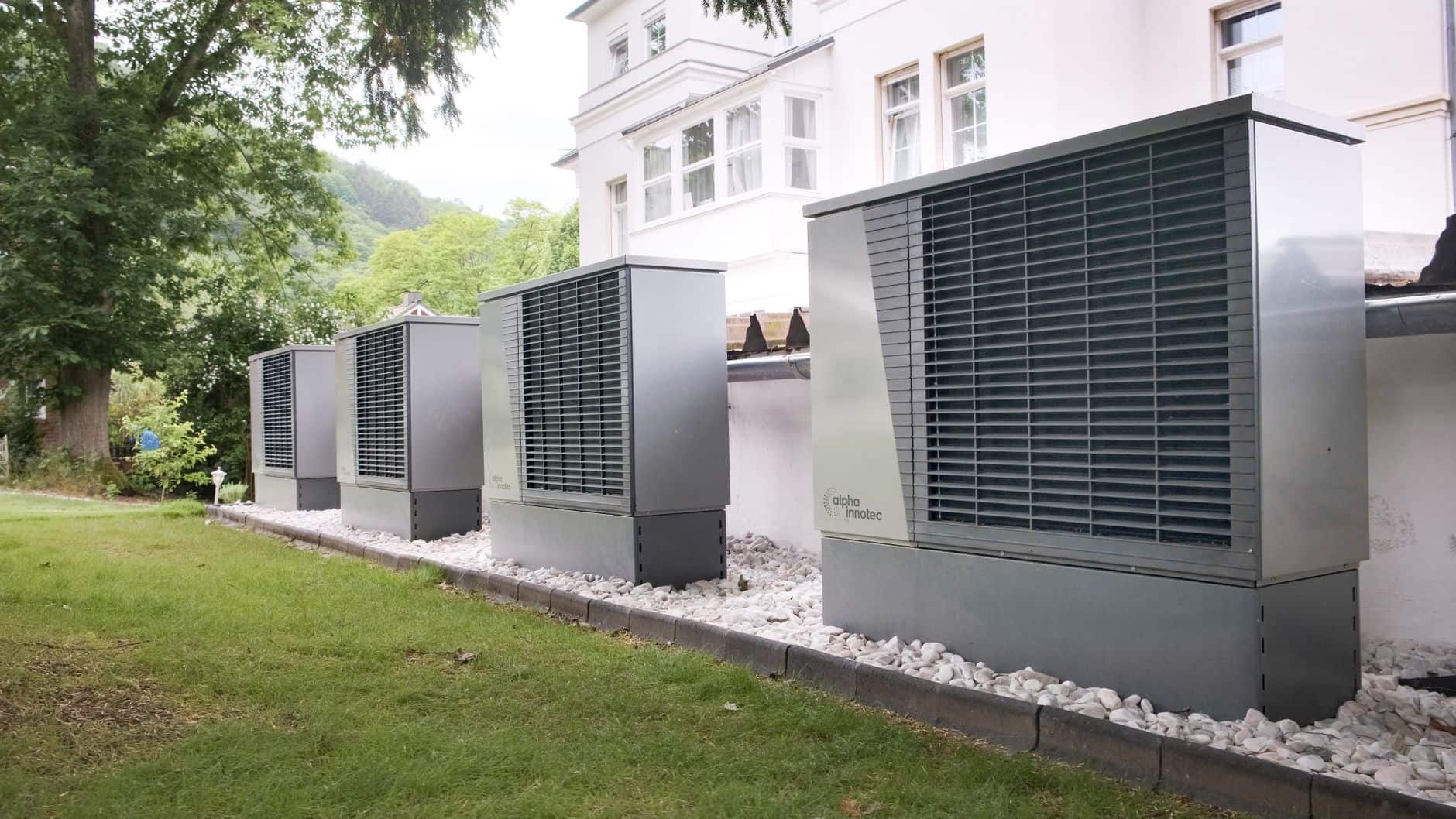
חימום מסחרי עם משאבות חום פרופאן של Haier
Haier השיקה משאבת חום מסחרית עם פרופאן (R290) בעוצמות של 26‑40 kW, יעילות A+++ ו‑SCOP של 4.91, המיועדת לבניינים עירוניים עם רעש נמוך.
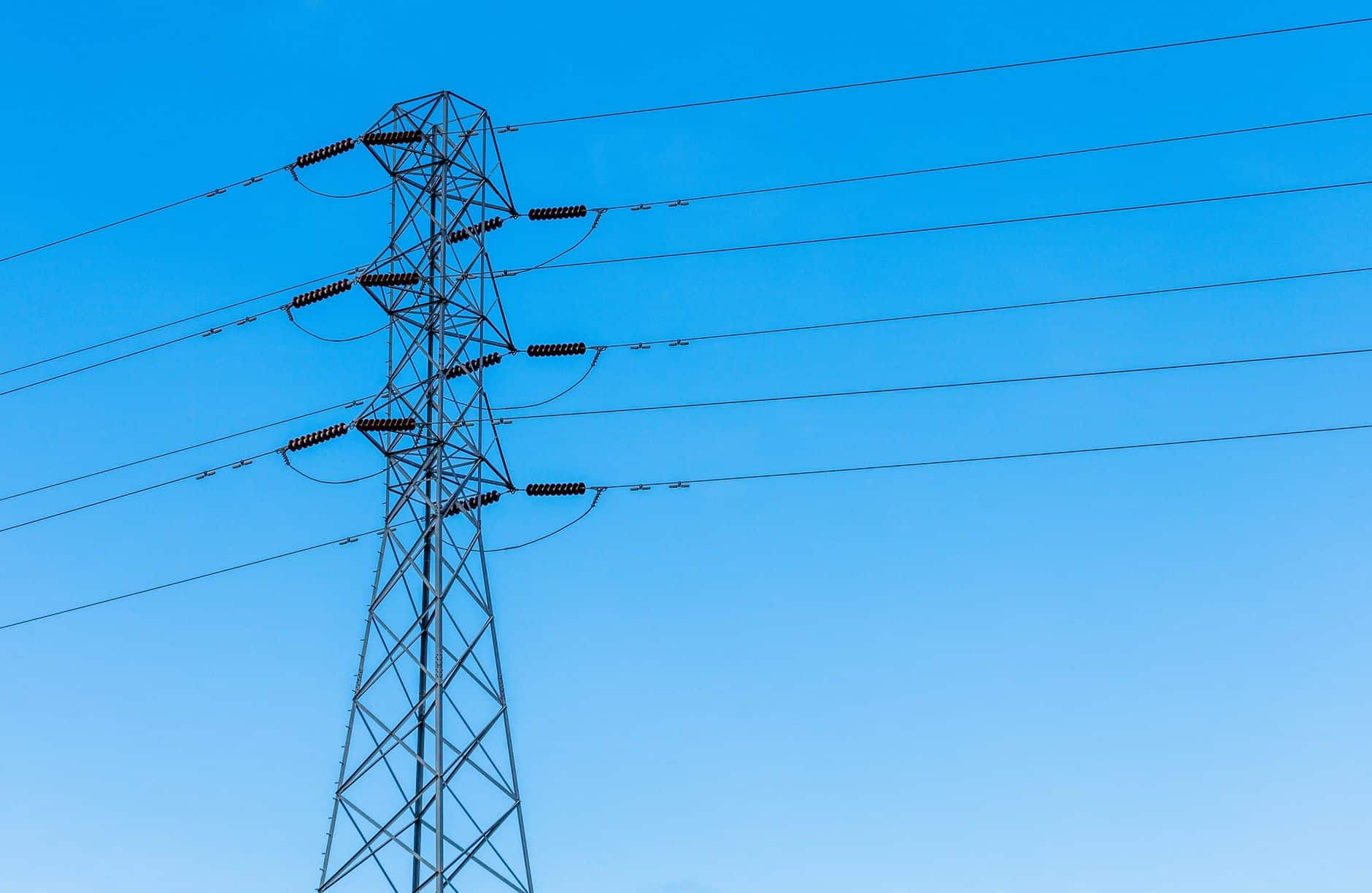
Software Could Unlock 300 GW on US Grid
Advanced grid‑scanning software can unlock roughly 300 GW of hidden transmission capacity in the United States within five years, offering a fast‑track route for new solar and storage projects.
GIZ Seeks Five Agrivoltaic Pilot Models
GIZ is seeking multiple agrivoltaic pilot models in Vietnam to merge solar power with farming, a concept that could inspire similar dual‑use projects in Israel.
$1B Plan to Guard Earth from Solar Storms
A new study proposes a large‑scale programme of surge‑protectors, battery buffers and insurance to harden solar farms and grids against catastrophic solar super‑storms.
Hidden Bypass Diode Faults Threaten Solar Safety
Lost bypass diodes stay invisible in standard tests but can cause severe overheating and fire when shading occurs, prompting a shift to EL imaging and shaded thermography for detection.