Hands‑On Solar Lab Trains the Next Generation
A 6.4 kW Off‑Grid Solar Lab Gives Hands‑On Training
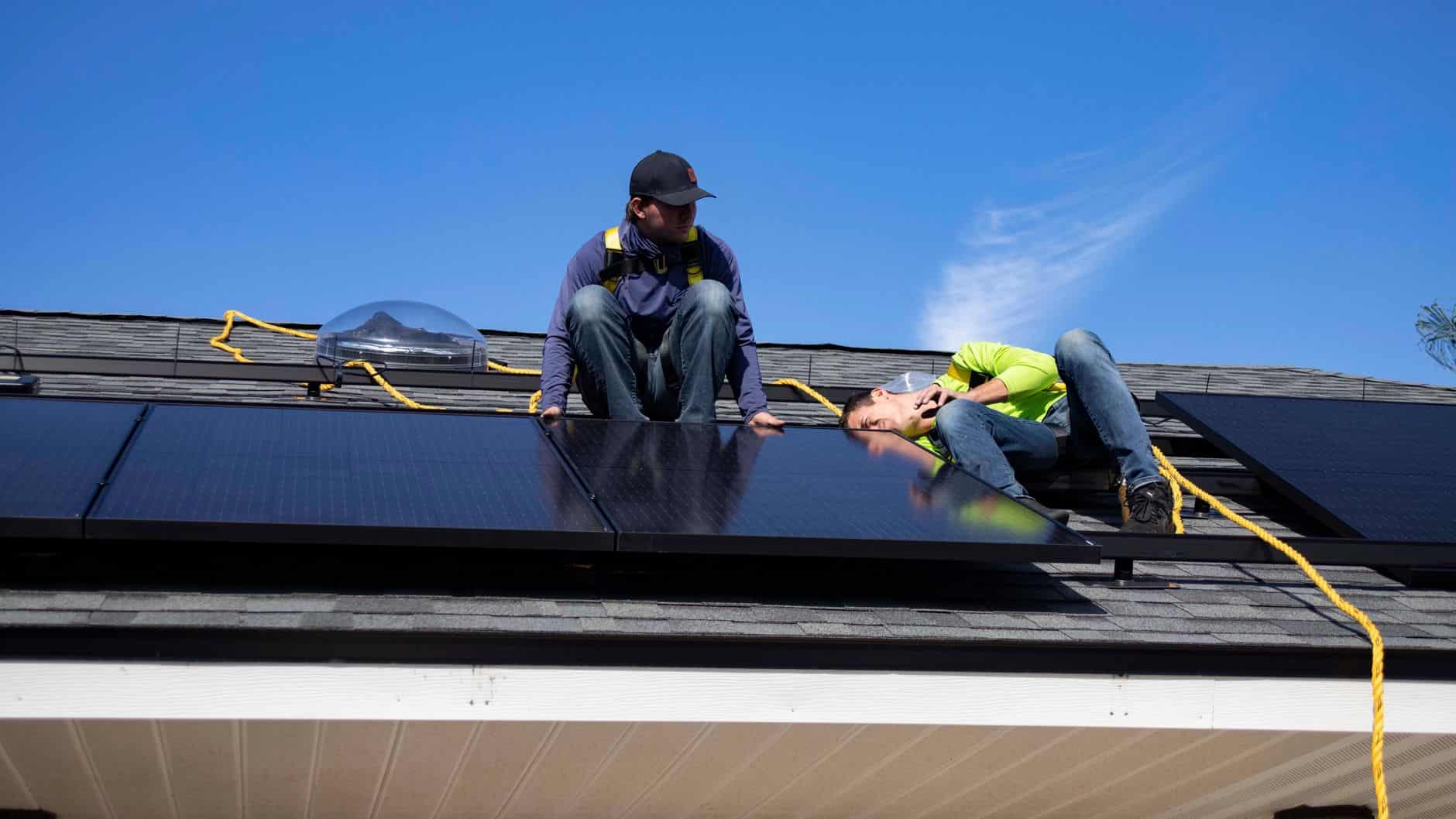
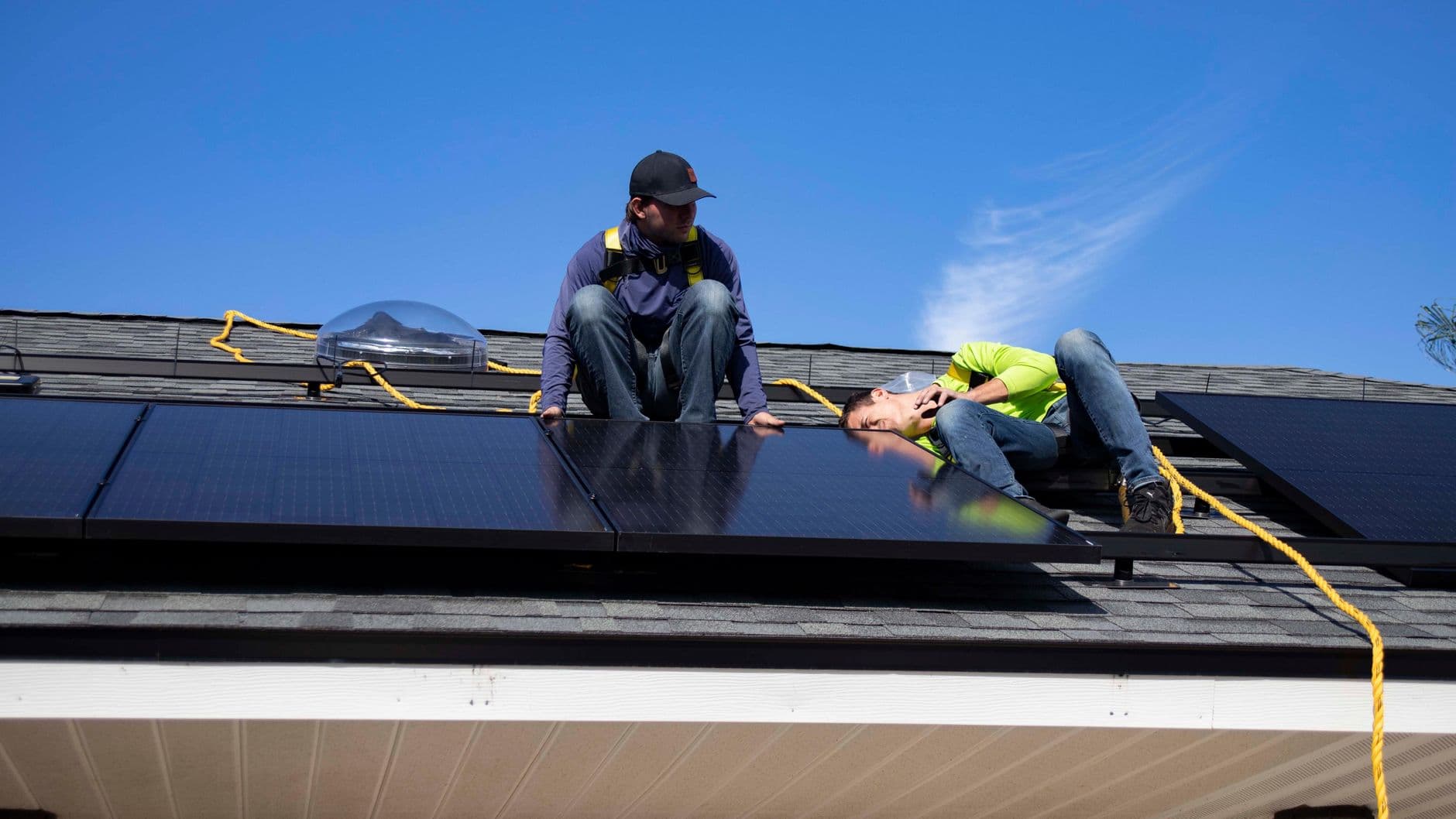
The Lancaster County Career & Technology Center now runs a rebuildable 6.4 kW solar‑plus‑storage system that students install, dismantle and re‑install every year. Master electrician Derek Mast designed the array so apprentices can see every component – from panels to inverter to battery – in action, then take it apart to study the wiring and re‑assemble it for the next class. The project was made possible by a workforce‑training grant from a local power utility and the Lancaster County Career & Technology Foundation .
Why an Off‑Grid Inverter Is Ideal for the Classroom
The heart of the system is a refurbished EG4 6000XP off‑grid inverter/charger, a unit popular in DIY circles for its simplicity and expandability. The EG4 6000XP accepts up to 8 kW of PV input, delivers a continuous 6 kW output, and can be scaled to 96 kW by adding parallel units . Because it operates completely off‑grid, students can power lights and charge batteries without dealing with utility interconnection rules – a safety win for a classroom setting.
Funding the Future: Grants Make the Project Possible
Pennsylvania’s Workforce‑Training Grant Program – administered by the Department of Community & Economic Development – provides cash to schools that create hands‑on curricula for in‑demand trades. The Lancaster Center’s solar lab secured such a grant, covering equipment costs and allowing the use of donated “leftover” panels from Mast’s employer. Similar grant opportunities are listed on the state’s website and can be accessed by any vocational school looking to launch renewable‑energy programs .
Lessons Learned: Visible Wiring and the “Beginner’s Mind”
To teach fundamentals, Mast left all conduit‑free wiring exposed on the ground, letting students trace the electric path from panel to inverter to battery in real time. He says this “beginner’s mind” approach forces even seasoned electricians to revisit basic steps, preventing the formation of bad habits that can creep in after years of routine work. Future upgrades – such as adding a generator and moving the AC panel for even clearer visibility – will keep the lab aligned with what residential customers are asking for, ensuring apprentices train on the latest market‑ready configurations.
What It Means for Israel’s Solar Workforce
Israel is racing toward a 30 % renewable electricity target by 2030, and the demand for qualified solar installers is soaring. A typical 6.4 kW residential system in central Israel would cost about ₪20,200 (6.4 kW × ₪3,150/kWp) and generate roughly 10,900 kWh per year (6.4 kW × 1,700 kWh/kWp). At the residential feed‑in tariff of ₪0.48/kWh, that electricity is worth about ₪5,200 annually, giving a simple payback of just under 4 years – comparable to the payback of a 10 kW home system cited in the national benchmark. By exposing students to the full install‑to‑maintenance cycle, programs like Lancaster’s provide a template for Israeli trade schools to produce job‑ready technicians who can meet the country’s aggressive solar rollout goals.
Scalability and Future Upgrades
Because the EG4 6000XP can be paralleled, the lab can grow from its current 6.4 kW size to a multi‑unit array that mimics larger residential or small‑commercial installations. Adding a generator, as Mast plans, will also teach students how hybrid systems balance solar, storage and backup power – a skill set increasingly valuable as Israel’s grid integrates more intermittent renewables.
For Israeli readers interested in building a similar training lab, our solar ROI calculator can turn the numbers above into a customized payback schedule, and our market data page tracks the latest equipment prices and grant opportunities.
Sources & further reading
FAQ
What is the capacity of the solar training system in Pennsylvania?
The system is a 6.4 kW solar‑plus‑storage array that can be rebuilt every year by students.
Which inverter is used in the training lab?
A refurbished EG4 6000XP off‑grid inverter/charger, capable of 6 kW continuous output and 8 kW PV input.
How is the project funded?
Through a workforce‑training grant from a local power company and the Lancaster County Career & Technology Foundation, plus donated panels.
Why are the wires left exposed?
Exposed wiring lets students see the exact path of electricity from panels to inverter to battery, reinforcing basic electrical concepts.
Can this training model be used in Israel?
Yes – Israel’s push for 30 % renewables needs skilled installers, and a similar hands‑on lab could cut the payback time for a 6.4 kW system to under four years.
What future upgrades are planned for the lab?
Mast plans to add a generator and relocate the AC panel for even clearer visual access, and the inverter can be paralleled for larger arrays.
Share this post
More from Technology
6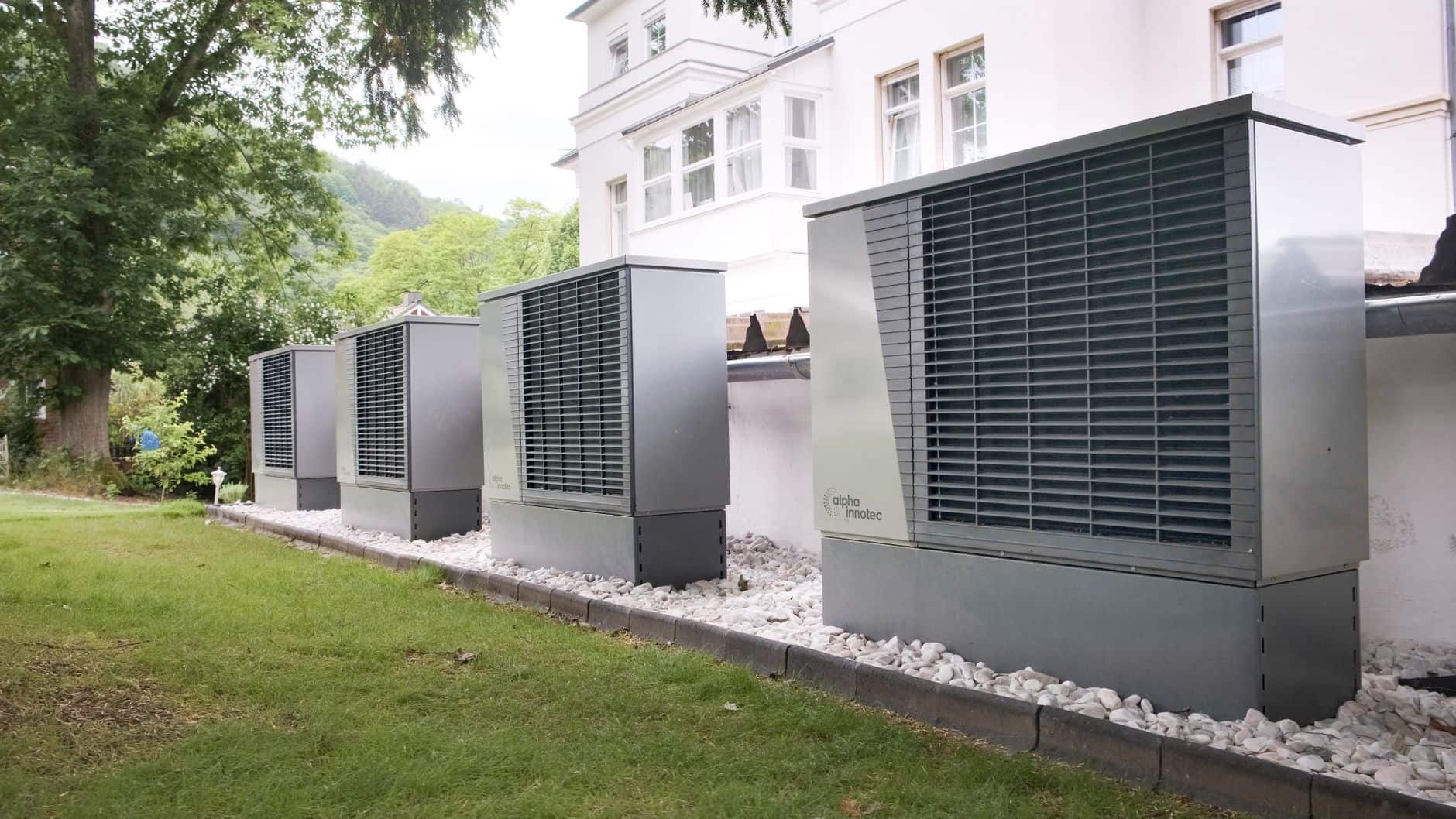
חימום מסחרי עם משאבות חום פרופאן של Haier
Haier השיקה משאבת חום מסחרית עם פרופאן (R290) בעוצמות של 26‑40 kW, יעילות A+++ ו‑SCOP של 4.91, המיועדת לבניינים עירוניים עם רעש נמוך.
US Solar Cell Capacity Reaches 3 GW
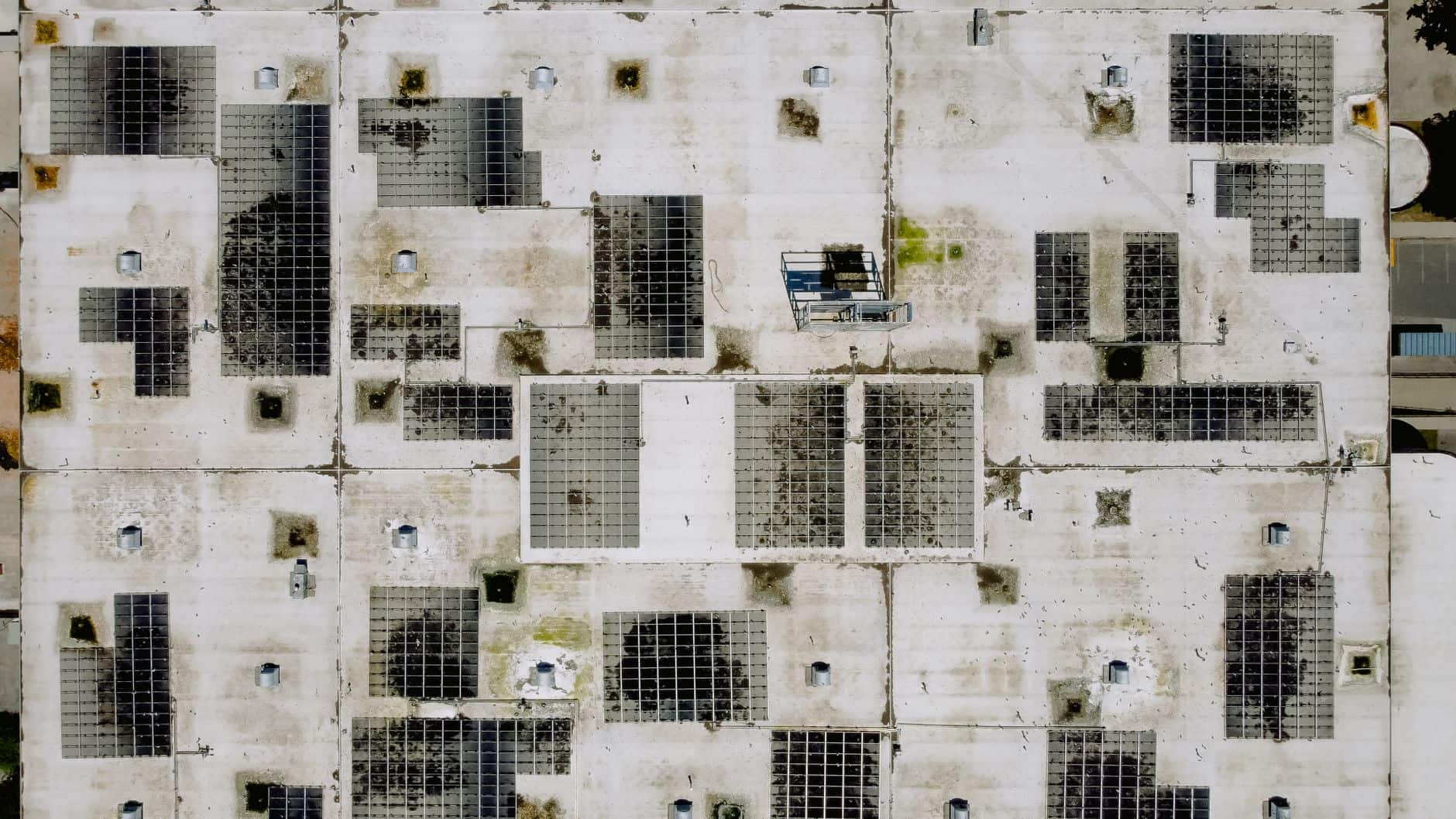
ES Foundry finished a 2 GW expansion in South Carolina, bringing U.S. solar cell manufacturing capacity to 3 GW and strengthening domestic supply ahead of upcoming import tariffs.
Software Could Unlock 300 GW on US Grid
Advanced grid‑scanning software can unlock roughly 300 GW of hidden transmission capacity in the United States within five years, offering a fast‑track route for new solar and storage projects.
GIZ Seeks Five Agrivoltaic Pilot Models
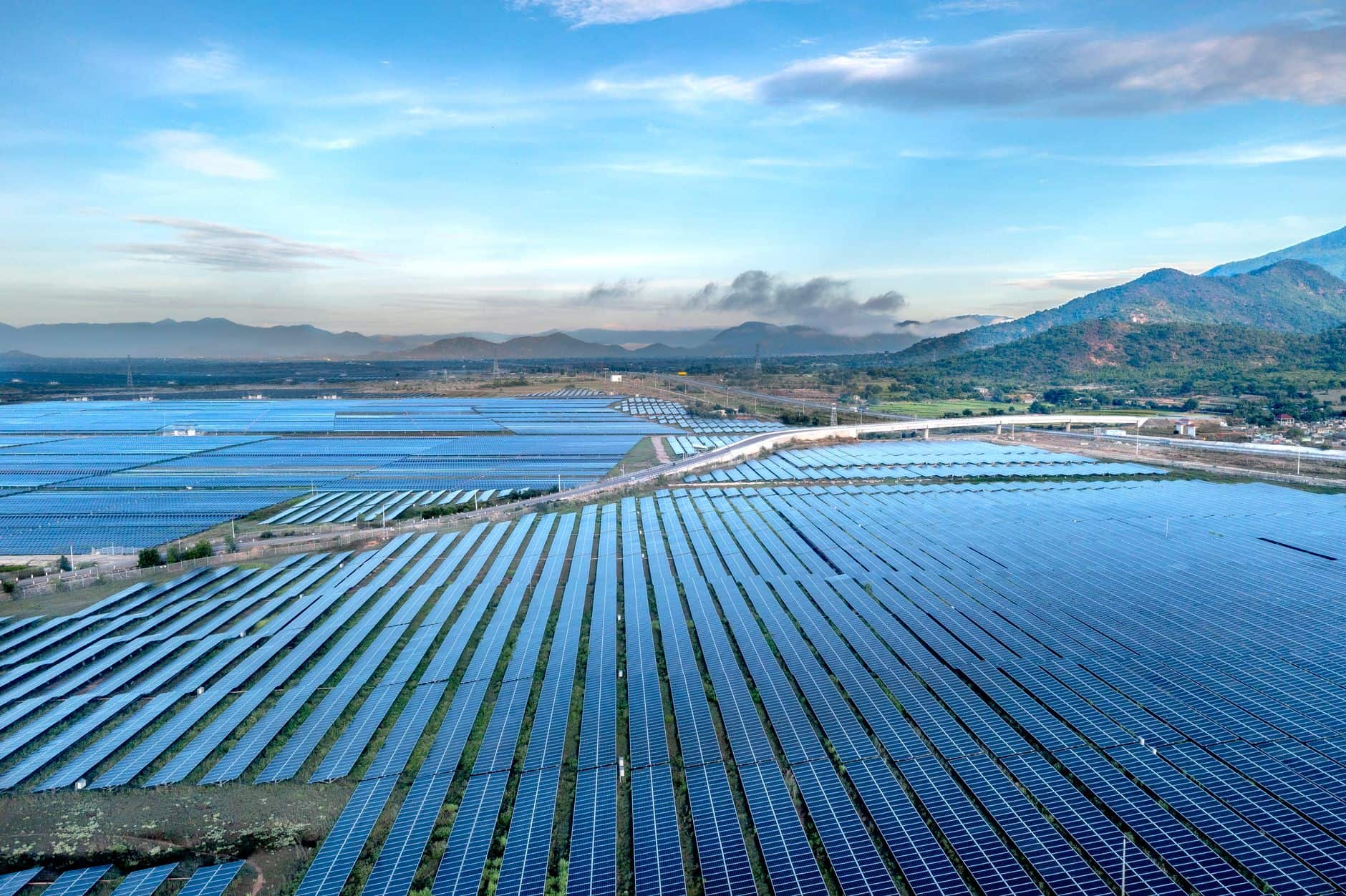
GIZ is seeking multiple agrivoltaic pilot models in Vietnam to merge solar power with farming, a concept that could inspire similar dual‑use projects in Israel.
$1B Plan to Guard Earth from Solar Storms
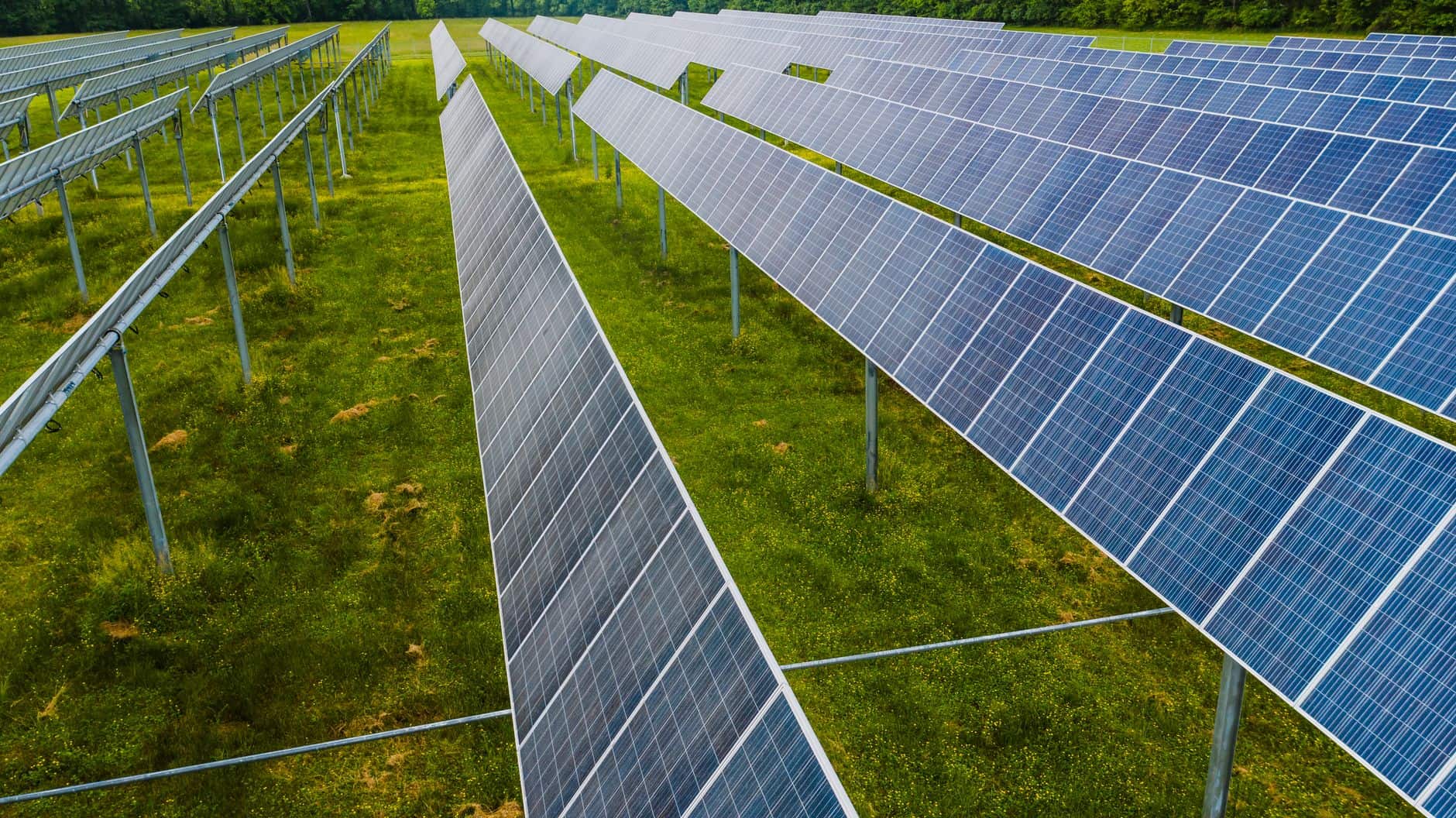
A new study proposes a large‑scale programme of surge‑protectors, battery buffers and insurance to harden solar farms and grids against catastrophic solar super‑storms.