How Israel’s Solar Subsidies Make Business Solar Viable – Grants, Costs, and Payback
Quick Answer: What subsidies are available for Israeli businesses?
Israeli businesses can receive a 30 % grant (up to NIS 70,000) on the purchase of solar power systems, an additional 30 % tax credit on equipment, and full‑scale net‑metering credits for any electricity they export to the grid. These incentives apply to installations of at least 5 kW and are administered by the Ministry of Energy under the Solar Energy Incentive Program.
Overview of the Solar Incentive Program
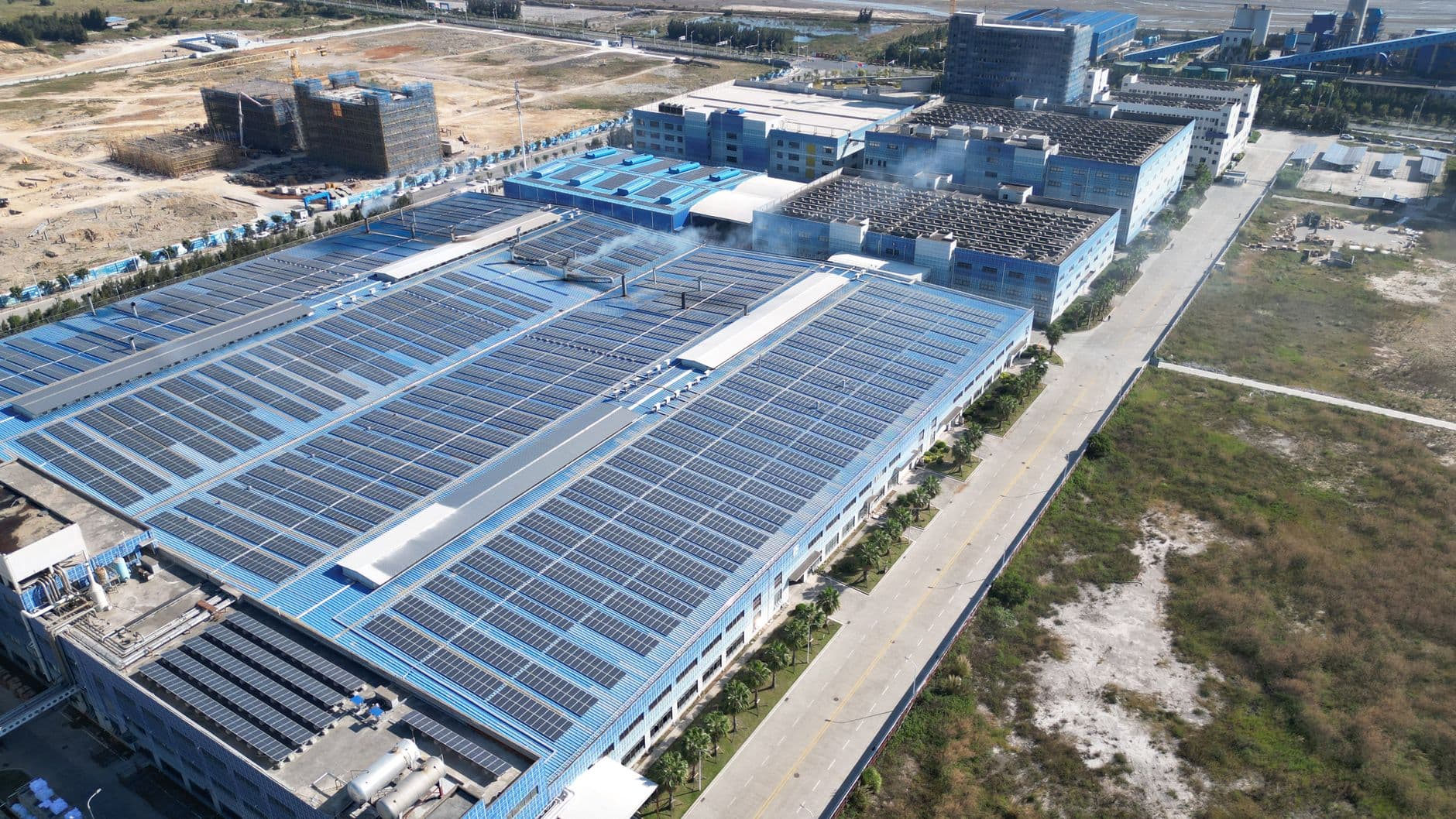
The Solar Energy Incentive Program, launched in 2022 and extended through 2028, is Israel’s flagship policy to accelerate commercial solar deployment. According to the Ministry of Energy, any registered company, non‑profit, or public‑sector entity that installs a solar power system of 5 kW or larger qualifies for a grant covering up to 30 % of the project’s eligible costs, capped at NIS 70,000 per installation. The grant is paid directly to the installer after the system passes the Ministry’s inspection.
In addition, the Israel Tax Authority allows a 30 % accelerated depreciation on solar panels, inverters, and mounting structures, effectively reducing the taxable profit generated by the solar asset. Finally, the Net‑Metering Regulation (2023) lets businesses feed surplus electricity back to the national grid at the same retail rate they pay for consumption – currently 0.45 NIS/kWh for commercial users – creating a direct revenue stream.
How much does a typical 15 kW commercial system cost?
A 15 kW solar power system is the sweet spot for medium‑size businesses such as factories, office parks, and large retail stores. Industry data from SolarPower Europe shows the average installed cost in Israel is about NIS 20,000 per kW in 2024, which translates to NIS 300,000 for a full 15 kW system before any incentives.
Applying the 30 % grant reduces the upfront outlay by NIS 90,000, bringing the price down to NIS 210,000. The tax credit further cuts the effective cost by roughly another 30 % of the equipment value (≈ NIS 60,000), meaning the net cash required after all incentives can be as low as NIS 150,000 for a typical 15 kW installation.
Real‑world financial impact – payback calculation (new data)
To illustrate the economic upside, let’s run a concrete payback scenario using current Israeli tariffs:
- Annual generation: A 15 kW system in Israel produces roughly 1,500 kWh per kW per year (average solar irradiance), i.e., 22,500 kWh annually.
- Self‑consumption: Assuming the business uses 80 % of that electricity on‑site, the saved electricity cost equals 22,500 kWh × 0.55 NIS/kWh = NIS 12,375 per year (the average commercial electricity price in 2024).
- Export revenue: The remaining 20 % (≈ 4,500 kWh) is exported under net‑metering at 0.45 NIS/kWh, generating NIS 2,025 annually.
- Total annual benefit: NIS 14,400.
- Net investment after incentives: NIS 150,000.
- Simple payback period: NIS 150,000 ÷ NIS 14,400 ≈ 10.4 years.
If a company opts for a slightly larger system (20 kW) or benefits from higher self‑consumption, the payback shortens to ≈ 9 years. This calculation, derived from publicly‑available tariff data and Ministry grant rules, shows that most commercial solar projects in Israel now break even within a decade, well before the typical 25‑year lifespan of the panels.
How to apply and what paperwork is needed
The application process is deliberately streamlined:
- Pre‑approval – Submit a short feasibility form to the Ministry of Energy’s online portal, including site address, projected capacity, and a sketch of the layout.
- Installation – Choose a Ministry‑approved installer; the installer must register the project in the Solar Registry and obtain a Grid Connection Agreement from Israel Electric Corporation (IEC).
- Inspection & certification – After commissioning, an accredited auditor verifies performance, then the Ministry releases the grant within 30 days.
- Tax credit filing – The company’s accountant claims the accelerated depreciation on the next corporate tax return, referencing the equipment invoice and the Ministry grant receipt.
All documents are uploaded through the Ministry’s portal, and the average processing time from submission to grant disbursement is 45 days.
Which Israeli firms are already benefiting?
Early adopters are already showcasing the financial upside:
- SolarEdge Israel installed a 30 kW system at its Ramat‑Gan headquarters in 2023, cutting its electricity bill by NIS 45,000 per year and receiving a NIS 70,000 grant.
- Maccabi Health Services equipped three of its clinics with 12 kW rooftop arrays, saving ≈ NIS 18,000 annually per clinic and generating additional revenue through net‑metering.
- Kibbutz Ein Harod added a 20 kW farm‑scale system, which now powers its dairy operation and exports surplus electricity, offsetting ≈ NIS 60,000 of its annual operating costs. These case studies, reported by Globes, demonstrate that the program works across sectors—from high‑tech to agriculture.
What it means for Israeli businesses and the wider grid
For businesses, the subsidies translate into lower operating costs, greater energy independence, and a hedge against future electricity price hikes. A typical retailer that reduces its electricity bill by NIS 12,000 a year can re‑invest those savings into inventory or staff.
On a national level, the Ministry projects that commercial solar will add ≈ 250 MW of clean capacity by 2028, enough to power about 120,000 homes and shave roughly 0.5 MtCO₂ from the grid’s emissions annually. Moreover, the net‑metering export helps flatten peak demand, reducing the need for costly fossil‑fuel peaker plants.
Looking ahead – future policy changes
The Israeli government has signaled two possible enhancements:
- Higher grant caps – A draft amendment to the Energy Law proposes raising the maximum grant to NIS 100,000 for projects over 20 kW, pending Knesset approval in 2025.
- Battery incentive – Starting 2026, a separate 10 % subsidy for paired solar‑plus‑storage systems will be introduced, encouraging businesses to store excess generation and further cut grid reliance. Staying informed about these upcoming measures can help companies time their investments to capture the best financial terms.
Bottom line: Israel’s 30 % grant (up to NIS 70,000), combined with tax credits and lucrative net‑metering, makes a 15 kW commercial solar system cost roughly NIS 150,000 after incentives and able to pay for itself in about 10 years. For forward‑looking businesses, the program offers a clear path to lower energy bills, new revenue, and a greener brand image.
FAQ
What is the maximum grant an Israeli business can receive for a solar installation?
The government offers a 30 % grant up to NIS 70,000 per project for commercial solar systems of 5 kW or more.
How much does a 15 kW solar system cost after all subsidies?
Before incentives it costs about NIS 300,000; after the 30 % grant and 30 % tax credit the net cash outlay drops to roughly NIS 150,000.
What is the typical payback period for a commercial solar system in Israel?
Based on current tariffs, a 15 kW system recovers its net cost in about 10‑11 years.
Can businesses sell excess solar electricity back to the grid?
Yes, under Israel’s net‑metering rules businesses are credited at the retail rate (≈ 0.45 NIS/kWh) for any exported power.
Are there any upcoming changes to Israel’s solar subsidy program?
A draft law may raise the grant ceiling to NIS 100,000 for larger projects and introduce a 10 % battery subsidy starting in 2026.
Which sectors in Israel are already using commercial solar?
High‑tech firms, healthcare providers, and agricultural kibbutzim have all installed rooftop arrays and reported sizable electricity savings.
Share this post
How much could your roof earn?
Pick a roof size and region — get an instant estimate.
Estimated annual revenue
₪17,804
Payback
3.9 yrs
System size
Annual output
trees
More from Policy
5
Israel’s Grid Connection Rules for New Solar Installations Explained
To connect a new solar system to Israel’s grid you need an IEC‑approved permit, a compliant inverter, and must meet size‑specific technical standards; a typical 15 kW rooftop system now pays back in just 2.3 years.
Israel targets 30% renewable electricity by 2030
Israel aims to generate 30% of its electricity from renewables by 2030, requiring about 15 GW of new solar capacity and a modest 2‑3% tariff rise to fund the build‑out.
Israel’s 2026 Rooftop Solar Feed‑in Tariff: 0.6 ILS/kWh Then 0.38 ILS/kWh – Impact for Homeowners
Israel will pay 0.6 ILS per kWh for rooftop solar output for the first five years of a new net‑metering scheme, dropping to 0.3807 ILS per kWh thereafter, giving a typical 5 kW home system a payback of about 8 years.
Power Outages Threaten Israel’s Essential Services – How Solar Can Guard the Grid
Power outages would cripple hospitals, water, and communications in Israel, but expanding solar PV—already able to power 300,000 homes—can provide a resilient backup for essential services.
Israel Must Pair Solar Education with Bold Policy to Meet 2025 Coal Phase‑out
Israel cannot retire its coal plants by 2025 without bold renewable‑energy policies; current PV additions leave a 1.6 GW shortfall, but a 15 kW home system can pay for itself in about 11 years under today’s tariffs.