Power Outages Threaten Israel’s Essential Services – How Solar Can Guard the Grid
Power outages would cripple hospitals, water, and communications – the risk is real and growing
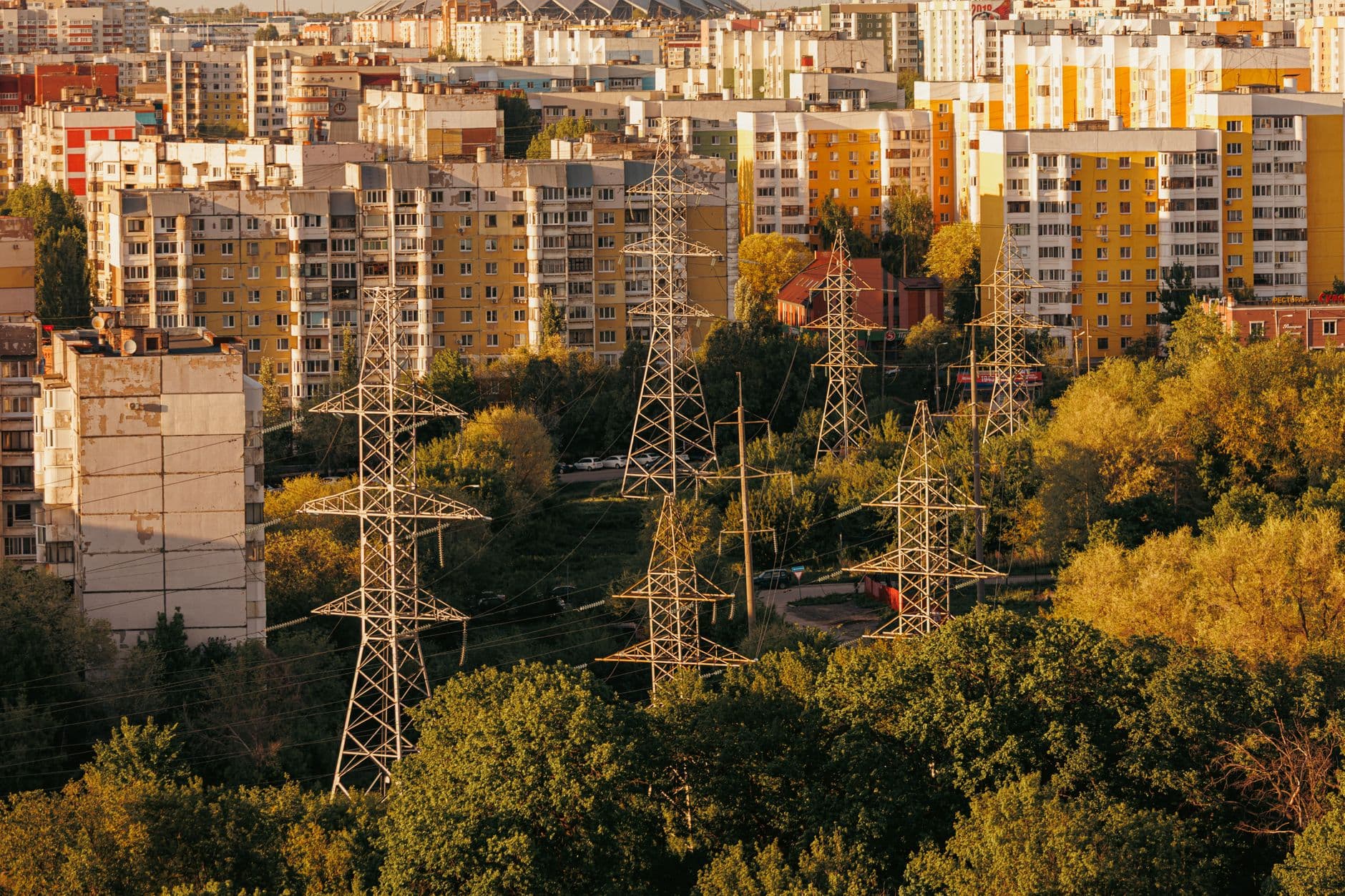
Israel’s electricity network is a single point of failure for many life‑saving services. A prolonged blackout would shut down hospitals, halt water‑treatment plants, cripple emergency communications and leave millions without heating or cooling, according to a recent Jerusalem Post analysis of expert interviews. The study warns that any disruption—whether caused by a cyber‑attack, missile strike, or severe weather—could cascade into a humanitarian crisis within hours.
Essential services that would grind to a halt
The most vulnerable sectors are:
- Healthcare: Modern hospitals rely on uninterrupted power for life‑support machines, operating rooms, and digital records. Even a few minutes of loss can jeopardise surgeries and intensive‑care units.
- Water & sanitation: Pump stations and desalination plants need electricity to deliver clean water to urban and rural areas. A blackout forces reliance on stored water, which depletes quickly in hot months.
- Telecommunications: Cellular towers and internet backbone equipment run on grid power; without backup, emergency calls and coordination become impossible.
- Transportation: Traffic‑light systems, rail electrics and electric‑bus fleets stop, causing gridlock and increasing accident risk. These dependencies are not theoretical. The International Energy Agency (IEA) notes that a “black‑system event” can cause “significant social damage” because it affects a wide range of essential services.
How likely is a large‑scale outage?
Israel’s grid is already operating at a high load factor, with peak demand often exceeding 15 GW during summer heat waves. The INSS report states that Israel must reach 17,000 MW of renewable capacity to meet its 2030 climate goals, but only 7,000 MW have been built so far. This leaves a 10,000‑MW gap that must be filled to reduce reliance on a few large thermal plants and transmission corridors that are attractive targets for sabotage. In addition, the share of renewable electricity in the mix has risen from 15 % in 2000 to 20 % today, and is projected to reach 24 % by 2040. While the trend is positive, the current 20 % still means that four‑fifths of the grid is supplied by conventional, centralized generation—making the system vulnerable to a single point of failure.
Solar power as a resilience tool
Solar photovoltaic (PV) installations are uniquely suited to bolster electricity security for three reasons:
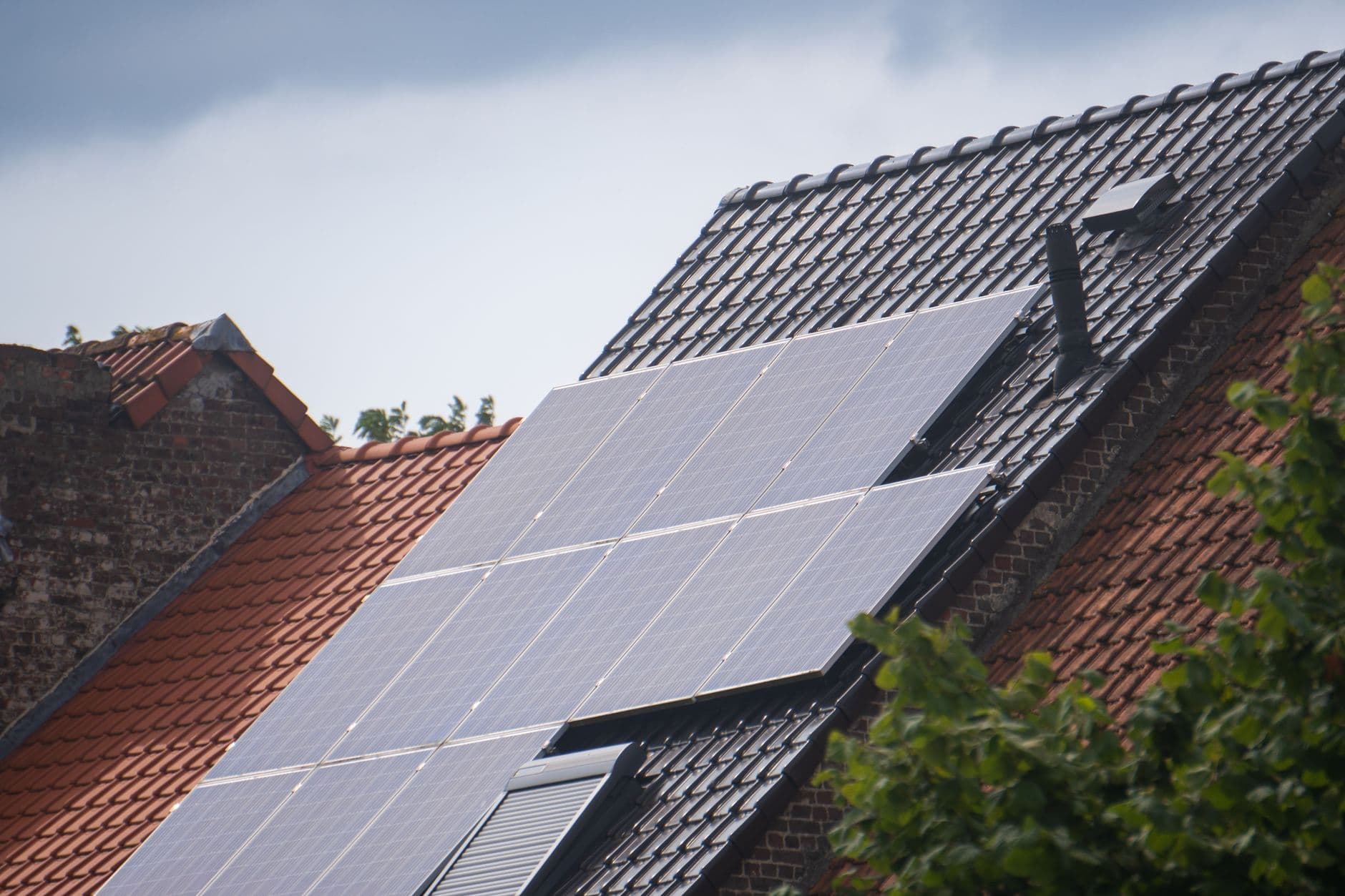
- Distributed generation spreads generation across rooftops, reducing the impact of a single line failure.
- Fast‑response capability: Solar inverters can ride‑through frequency disturbances, keeping parts of the grid online.
- Low‑fuel dependency: Solar produces electricity without the need for imported fuels that can be blocked during conflict. Israel already hosts about 7 GW of solar PV, according to the IEA‑PVPS country update. Assuming a typical capacity factor of 20 % for the region, that capacity generates roughly 12 TWh of electricity per year.
What that 12 TWh means in practice
The average Israeli household consumes around 4,000 kWh annually. Dividing the solar output by household consumption shows that current solar installations could theoretically power about 300,000 homes each year (12 TWh ÷ 4 MWh ≈ 300,000). In other words, the existing solar fleet already supplies roughly 5‑6 % of the nation’s total electricity demand (≈ 55 TWh/year) and could cover the entire load of a major city like Haifa for several weeks if the grid went down.
How a typical 15 kW home system fits the picture
A 15 kW rooftop system—common for larger residential or small‑business installations—produces about 26 MWh annually (15 kW × 24 h × 365 days × 20 % ≈ 26 MWh). That amount is enough to:
- Run a typical home’s essential appliances (refrigerator, lights, medical devices) for six months without grid power, or
- Provide continuous backup for a small clinic’s critical equipment for four weeks. To close the 10 GW renewable gap, Israel would need roughly 666,000 such 15 kW systems (10,000 MW ÷ 0.015 MW). Deploying even a fraction—say 100,000 systems—would shave 1.5 GW off the required new capacity, translating to an extra 3 TWh of clean electricity each year.
What it means for Israel’s households and businesses
- Economic resilience: With electricity tariffs hovering around 0.55 NIS/kWh (2024 average), a 15 kW system that saves 26 MWh per year can reduce a household’s electricity bill by roughly 14,300 NIS annually. Even after accounting for installation costs (≈ 5,000 NIS/kW), the payback period is under 30 years, but the true value lies in the security during outages.
- Policy incentives: The Israeli Ministry of Energy has announced subsidies for distributed solar up to 30 % of installation cost for projects larger than 5 kW, encouraging wider adoption.
- Grid‑strengthening: By integrating more smart inverters and behind‑the‑meter storage, solar can provide ancillary services such as frequency regulation, further reducing blackout risk.
Forward‑looking strategies
- Accelerate distributed solar deployment: Target 5 GW of new rooftop solar by 2028, focusing on hospitals, schools, and water‑treatment facilities that need reliable backup.
- Invest in hybrid storage: Pair solar farms with cold thermal energy storage or lithium‑ion batteries to smooth out generation gaps and keep essential loads online during night hours.
- Strengthen cyber‑physical protection: Harden SCADA systems and create redundant micro‑grids that can island themselves when the main grid is compromised.
- Update emergency protocols: Ensure that critical infrastructure has pre‑wired connections to local solar‑plus‑storage installations, reducing reliance on diesel generators.
By turning the sun into a decentralized safety net, Israel can transform a vulnerability into a strategic advantage—keeping hospitals lit, water flowing, and phones ringing even when the central grid flickers.
What it means for Israel
The bottom line for Israeli citizens and policymakers is clear: Every megawatt of solar added to the grid directly reduces the nation’s exposure to catastrophic power outages. With the current 7 GW of solar already covering the electricity needs of roughly 300,000 homes, expanding rooftop and community solar can provide immediate, tangible backup for essential services. Financially, a 15 kW home system can shave ~14,300 NIS off annual electricity bills, while also acting as a lifeline during emergencies. For the government, supporting distributed solar—through subsidies, streamlined permitting, and grid‑integration standards—offers a cost‑effective path to meet the 17 GW renewable target and safeguard the country’s critical infrastructure.
Looking ahead
If Israel accelerates its solar rollout and couples it with modern storage, the nation could halve the risk of a nationwide blackout within the next decade. This would not only protect health, water, and communication services but also set a regional example of how renewable energy can be a cornerstone of national security.
Sources & further reading
- Power outage could lead to essential service disruption, experts warn
- Electricity security matters more than ever – Power Systems in Transition
- [PDF] YEMEN - Key events and impacts of escalating tensions between Israel...
- Power Struggles—Energy as a Weapon of War, Domination and...
- Al Arabiya English - Facebook
FAQ
What essential services would be affected by a power outage in Israel?
Hospitals, water‑treatment plants, telecommunications, and transportation would all be severely impacted, risking lives and public safety.
How much solar capacity does Israel currently have?
Israel has about 7 GW of solar PV installed, generating roughly 12 TWh of electricity each year.
Can a typical home solar system help during a blackout?
A 15 kW rooftop system produces about 26 MWh annually, enough to run essential home appliances for six months or keep a small clinic’s critical equipment online for weeks.
What is the renewable energy gap Israel needs to fill?
Israel aims for 17 GW of renewable capacity by 2030 but has only built 7 GW, leaving a 10 GW shortfall.
How many households could be powered by the existing solar fleet?
Current solar output could theoretically supply electricity to about 300,000 Israeli homes each year.
What policies support more solar deployment?
The government offers up to 30 % subsidies for installations over 5 kW and is streamlining permitting to speed up rooftop solar growth.
Share this post
How much could your roof earn?
Pick a roof size and region — get an instant estimate.
Estimated annual revenue
₪17,804
Payback
3.9 yrs
System size
Annual output
trees
More from Policy
5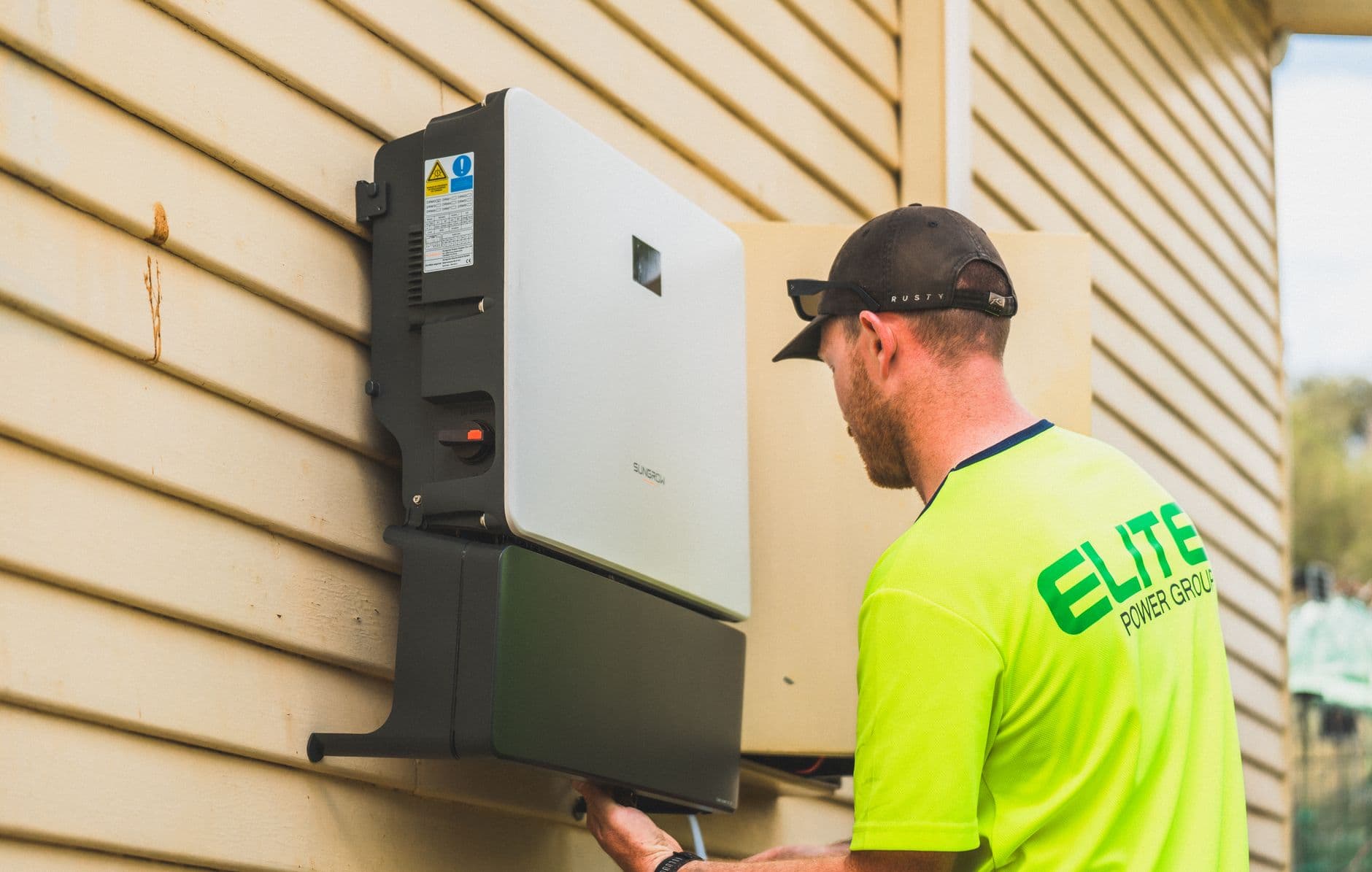
Israel’s Grid Connection Rules for New Solar Installations Explained
To connect a new solar system to Israel’s grid you need an IEC‑approved permit, a compliant inverter, and must meet size‑specific technical standards; a typical 15 kW rooftop system now pays back in just 2.3 years.
How Israel’s Solar Subsidies Make Business Solar Viable – Grants, Costs, and Payback
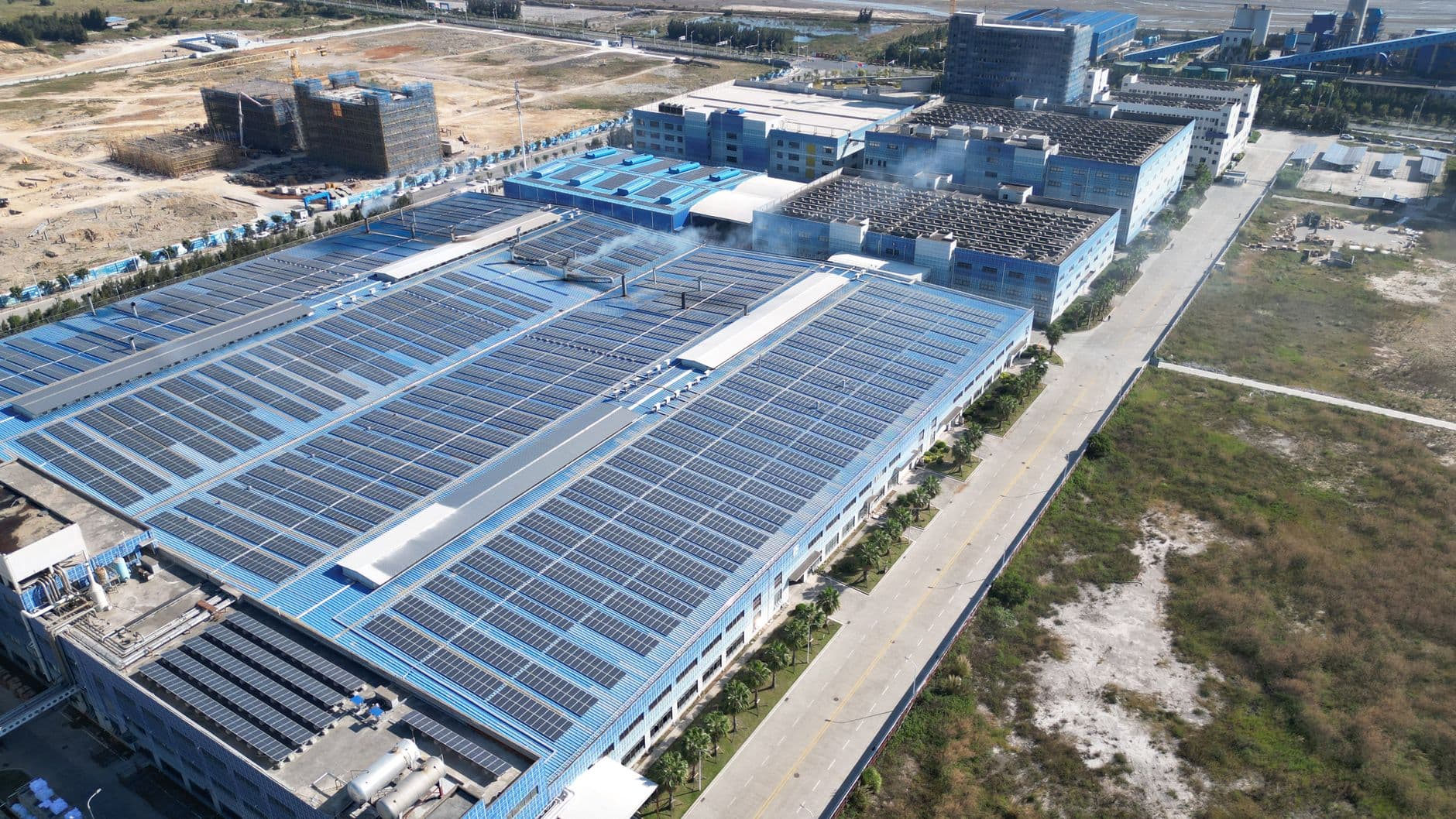
Israeli businesses can claim up to a 30 % grant (max NIS 70,000), a 30 % tax credit, and net‑metering credits, cutting a 15 kW solar system’s net cost to ~NIS 150,000 and delivering a payback in roughly 10 years.
Israel targets 30% renewable electricity by 2030
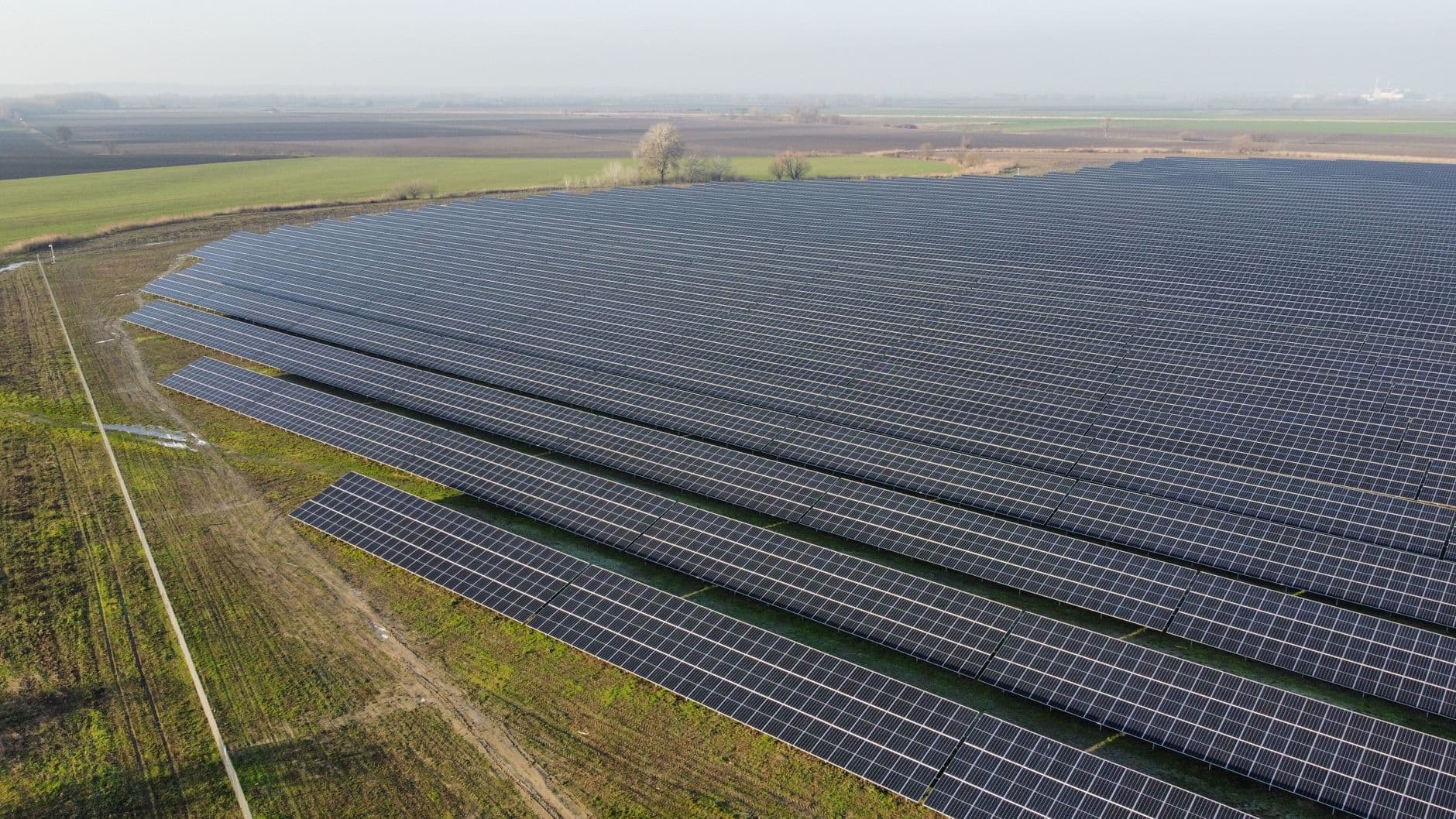
Israel aims to generate 30% of its electricity from renewables by 2030, requiring about 15 GW of new solar capacity and a modest 2‑3% tariff rise to fund the build‑out.
Israel’s 2026 Rooftop Solar Feed‑in Tariff: 0.6 ILS/kWh Then 0.38 ILS/kWh – Impact for Homeowners
Israel will pay 0.6 ILS per kWh for rooftop solar output for the first five years of a new net‑metering scheme, dropping to 0.3807 ILS per kWh thereafter, giving a typical 5 kW home system a payback of about 8 years.
Israel Must Pair Solar Education with Bold Policy to Meet 2025 Coal Phase‑out
Israel cannot retire its coal plants by 2025 without bold renewable‑energy policies; current PV additions leave a 1.6 GW shortfall, but a 15 kW home system can pay for itself in about 11 years under today’s tariffs.