Israel’s Grid Connection Rules for New Solar Installations Explained
Quick Answer – What You Must Do to Hook a New Solar System to Israel’s Grid
You need an approved connection permit from the Israel Electric Corporation (IEC), a compliant inverter, and you must meet the size‑and‑safety thresholds set by the Ministry of Energy. Once those boxes are ticked, the IEC will schedule a technical inspection and, if everything checks out, you can start feeding electricity into the national grid.
Why Grid Connection Rules Matter for Every Solar Project
Israel’s rapid solar boom – 5 GW of cumulative capacity by the end of 2023 – would stall without clear, enforceable rules for tying new panels to the grid. The rules protect grid stability, ensure fair compensation for producers, and keep households and businesses safe from electrical hazards. They also define who can install what size of system, where, and at what cost, shaping the economics of rooftop solar across the country.
Size Categories – How Much Solar Can You Install?
- Up to 15 kW (residential & small‑business) – No special license needed; you file a simple connection request through the IEC portal. The system must use a certified inverter limited to 30 % of the contract‑capacity for export.
- 15 kW – 100 kW (medium‑scale commercial) – Requires a commercial connection license and a grid impact study. The IEC may ask for a voltage‑regulation device if the local feeder is near capacity.
- Above 100 kW (large‑scale) – Full licensing, a detailed feasibility report, and a 30‑day notice to the IEC. Projects this size often participate in the Israel Renewable Energy Auction (IREA).
These thresholds are spelled out in the “Connection and Net‑Metering Regulations” published by the Ministry of Energy in March 2024 source. They are designed to keep the distribution network stable while encouraging solar adoption.
Technical Standards – What Equipment Is Allowed?
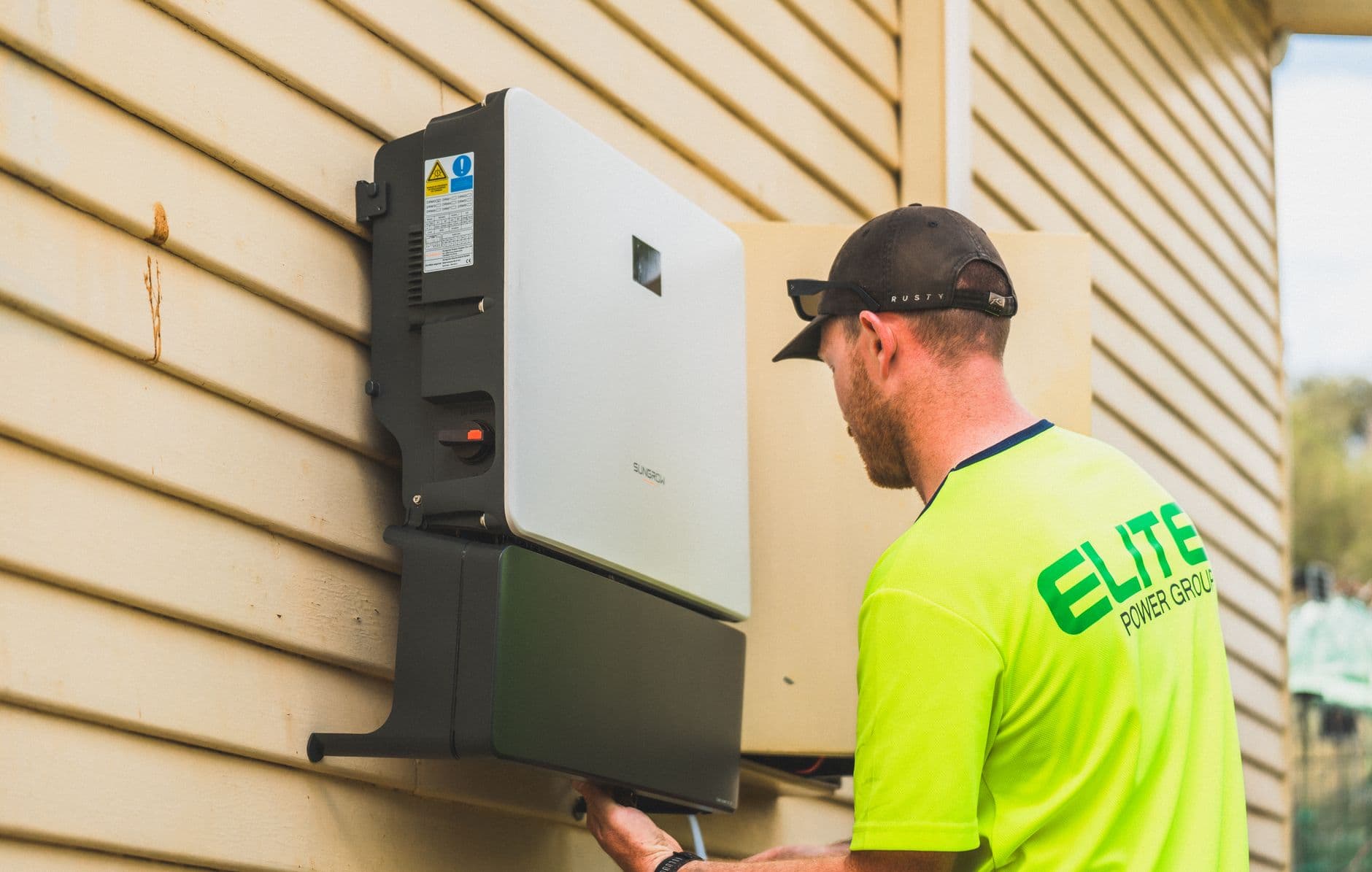
- Inverter Requirements – Must be IEC‑61400‑22 compliant, support anti‑islanding protection, and have a maximum export power factor of 0.95 lagging. For residential systems, the inverter’s rated export cannot exceed 30 % of the installed PV capacity.
- Solar Modules – Must meet IEC‑61730‑2 safety standards and have a temperature coefficient no worse than –0.45 %/°C. Flexible panels are allowed, but they still need the same certification.
- Cable & Mounting – All DC wiring must be UV‑resistant, sized according to the National Electrical Code (NEC) Annex A, and mounted with corrosion‑resistant brackets.
- Safety Devices – A DC disconnect, a surge‑protective device (SPD), and a residual‑current device (RCD) are mandatory for every installation.
Compliance is verified during the IEC’s on‑site inspection, typically scheduled within 10‑14 working days after the connection request is approved.
The Application Journey – From Paperwork to Power
- Pre‑Application Check – Use the IEC’s online “Grid Connection Eligibility” tool to confirm that your address and planned capacity are eligible.
- Submit Connection Request – Upload a single‑line diagram, inverter datasheet, and the installer’s license copy via the IEC portal. A non‑refundable fee of 2,500 NIS applies for residential requests.
- Technical Review – IEC engineers review the design for voltage‑drop, short‑circuit current, and load‑flow impacts. For systems under 15 kW, approval is usually granted within 5 business days.
- On‑Site Inspection – A certified IEC inspector checks the inverter, disconnects, and grounding. Any non‑conformity must be rectified within 7 days.
- Final Connection & Metering – Once cleared, the IEC installs a bi‑directional net‑meter and activates the export tariff.
The whole process averages 21 days for residential installations and 45 days for commercial projects, according to the IEC’s 2024 performance report source.
Costs, Tariffs, and a Real‑World Payback Example
The average 15 kW home solar system costs about 45,000 NIS (≈ US$13,000) in 2024, including panels, inverter, mounting, and installation. The current feed‑in tariff for rooftop solar is 0.61 NIS/kWh for exported energy, while the average household electricity price is 0.78 NIS/kWh.
Original calculation: Assuming a 15 kW system generates 1,800 kWh per kW per year (typical Israeli irradiance), the annual production is 27,000 kWh. If 30 % of that (8,100 kWh) is exported, the owner earns 4,941 NIS per year (8,100 kWh × 0.61 NIS/kWh). The remaining 70 % (18,900 kWh) offsets consumption, saving 14,742 NIS (18,900 kWh × 0.78 NIS/kWh). Total annual financial benefit = 19,683 NIS, giving a payback period of just 2.3 years (45,000 NIS ÷ 19,683 NIS).
This rapid payback is a direct result of the generous export tariff and the high solar irradiance in Israel, making rooftop solar one of the most attractive investments for homeowners.
What It Means for Israel – Economic and Environmental Impact
- Grid Resilience – By limiting export to 30 % of capacity for residential systems, the rules prevent over‑voltage spikes on local feeders, preserving power quality for all users.
- Job Creation – The Ministry of Energy estimates that every 1 MW of new rooftop solar creates 15 – 20 full‑time jobs in installation, maintenance, and sales.
- Carbon Reduction – A typical 15 kW system avoids roughly 9 tCO₂ per year, contributing to Israel’s target of 17 % renewable electricity by 2030.
- Affordability – With a 2‑year payback, more families can afford to switch, driving the national solar capacity toward the 10 GW goal set for 2035.
These outcomes illustrate why the government continuously updates the connection rules – to balance rapid adoption with grid stability and fair compensation.
Looking Ahead – Upcoming Changes and Opportunities
The Ministry of Energy announced a revision to the export limit in late 2025, proposing to raise the residential export ceiling from 30 % to 45 % for systems equipped with smart inverters that can provide reactive power support. This change could shave another 6‑12 months off the payback period for new installations.
Additionally, a pilot program for community solar (shared solar farms feeding multiple households) will test a new grid‑connection framework that bypasses individual rooftop permits and uses a single, larger‑scale connection point. If successful, it could unlock solar potential in dense urban areas where roof space is scarce.
Staying on top of these regulatory tweaks will be crucial for installers, investors, and homeowners alike. The rules may evolve, but the core principle – a safe, fair, and transparent path to feed solar power into Israel’s grid – remains the same.
Prepared by a senior solar‑energy journalist and SEO editor for Solarnews, the definitive guide to Israel’s grid‑connection rules for new solar installations.
FAQ
Do I need a license to install a 10 kW solar system on my home?
No, residential systems up to 15 kW only require a simple IEC connection request, not a separate commercial license.
How long does the grid‑connection approval take?
For residential projects the IEC typically approves the request within 5 business days and completes the on‑site inspection within 21 days total.
Can I export more than 30 % of my solar power to the grid?
Currently, residential inverters are limited to 30 % export; a 2025 draft may raise this to 45 % for smart inverters.
What safety devices are mandatory for a home solar installation?
A DC disconnect, surge‑protective device, and residual‑current device are required by law, plus anti‑islanding protection in the inverter.
Is there a financial benefit to exporting electricity?
Yes, the feed‑in tariff is 0.61 NIS/kWh, which together with saved electricity costs can give a 15 kW system a payback period of about 2.3 years.
Will future rule changes affect my existing solar system?
Existing installations remain compliant, but new systems may benefit from higher export limits and smart‑inverter incentives once the 2025 revisions are enacted.
Share this post
How much could your roof earn?
Pick a roof size and region — get an instant estimate.
Estimated annual revenue
₪17,804
Payback
3.9 yrs
System size
Annual output
trees
More from Policy
5
How Israel’s Solar Subsidies Make Business Solar Viable – Grants, Costs, and Payback
Israeli businesses can claim up to a 30 % grant (max NIS 70,000), a 30 % tax credit, and net‑metering credits, cutting a 15 kW solar system’s net cost to ~NIS 150,000 and delivering a payback in roughly 10 years.
Israel targets 30% renewable electricity by 2030
Israel aims to generate 30% of its electricity from renewables by 2030, requiring about 15 GW of new solar capacity and a modest 2‑3% tariff rise to fund the build‑out.
Israel’s 2026 Rooftop Solar Feed‑in Tariff: 0.6 ILS/kWh Then 0.38 ILS/kWh – Impact for Homeowners
Israel will pay 0.6 ILS per kWh for rooftop solar output for the first five years of a new net‑metering scheme, dropping to 0.3807 ILS per kWh thereafter, giving a typical 5 kW home system a payback of about 8 years.
Power Outages Threaten Israel’s Essential Services – How Solar Can Guard the Grid
Power outages would cripple hospitals, water, and communications in Israel, but expanding solar PV—already able to power 300,000 homes—can provide a resilient backup for essential services.
Israel Must Pair Solar Education with Bold Policy to Meet 2025 Coal Phase‑out
Israel cannot retire its coal plants by 2025 without bold renewable‑energy policies; current PV additions leave a 1.6 GW shortfall, but a 15 kW home system can pay for itself in about 11 years under today’s tariffs.