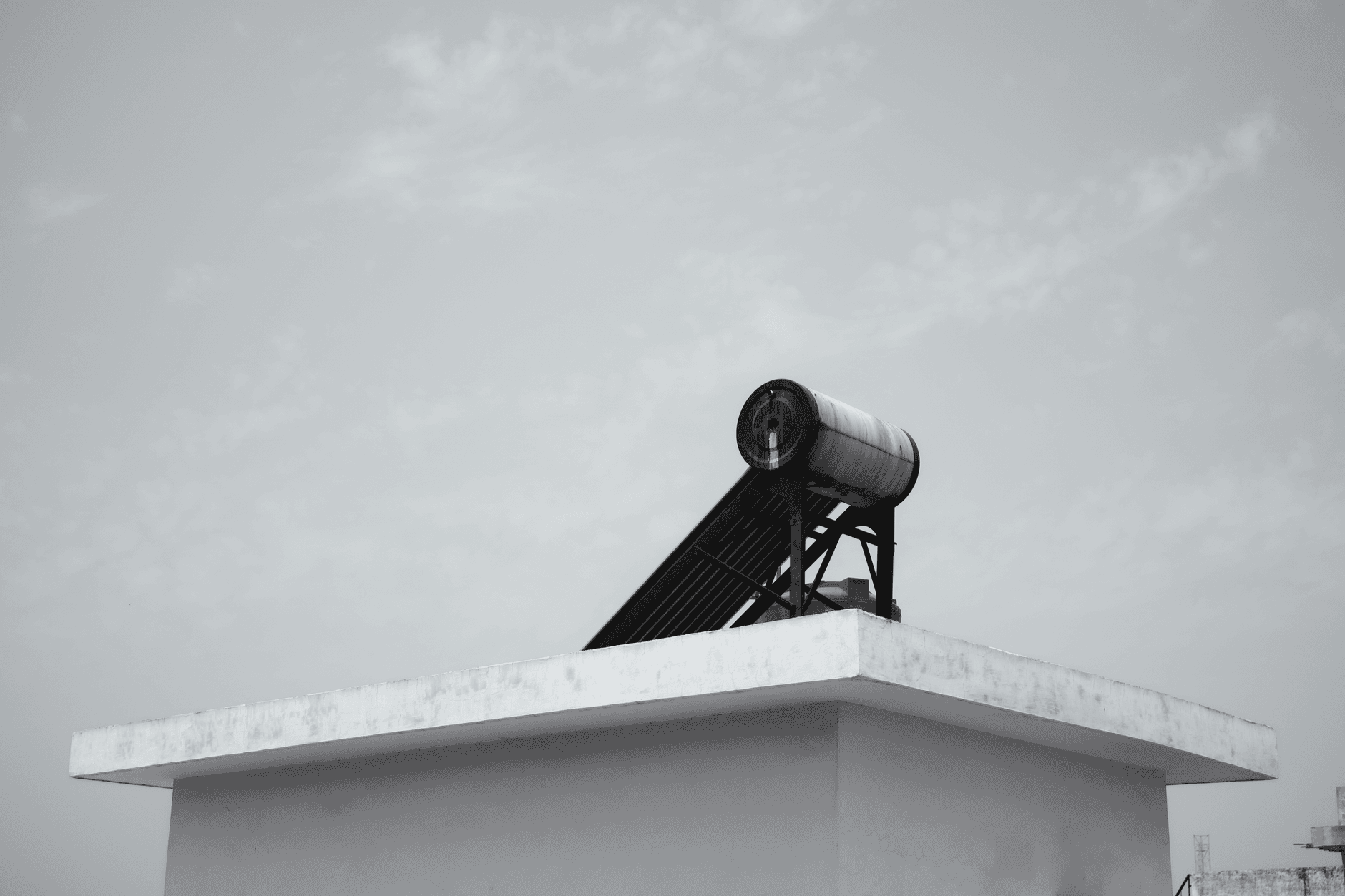
Solar water heating vs PV for Israeli homes
Quick answer: Solar water heating wins on cost and efficiency for Israeli households
Solar water heaters (SWH) beat photovoltaic (PV) panels at providing domestic hot water in Israel – they convert about 70 % of solar energy into usable heat, cost roughly half as much to install, and typically pay back in ~20 years, compared with ~17 years for a 5 kW PV system that must also cover all electricity needs. In practice, a typical Israeli family saves about NIS ≈ 600 per year on water‑heating bills with an SWH, versus NIS ≈ 2,700 per year in total electricity savings from a PV system that also powers other loads.
How solar water heating works and why it’s efficient
Solar water heating uses flat‑plate collectors or evacuated‑tube panels to capture sunlight and directly heat water or a heat‑transfer fluid. According to REN21, solar thermal is the most efficient technology for low‑temperature heat needs, achieving conversion efficiencies of 60‑80 % – far higher than the ~15‑20 % electrical conversion of PV panels used for the same purpose. In Israel’s sunny climate, a typical 2 m² SWH can supply ≈ 1,000 kWh yr⁻¹ of heat, enough for the average household’s hot‑water demand of ~30 m³ per year.
Photovoltaic panels for hot‑water production
PV modules generate electricity that must then run an electric water‑heater or heat‑pump. While Israel’s solar irradiance allows a 5 kW rooftop system to produce ≈ 4,500 kWh yr⁻¹, only a fraction of that (about 30‑40 %) can be allocated to water heating without compromising other household loads. Moreover, the electrical conversion adds losses, so the effective heat delivered drops to roughly ≈ 600 kWh yr⁻¹, half of what a dedicated SWH provides.
Cost comparison and original payback calculation
- Installation cost: A typical SWH costs NIS ≈ 12,000–15,000 (including mounting and plumbing). A 5 kW PV system in Israel averages NIS ≈ 45,000 (panels, inverter, mounting, labor).
- Annual savings: Using Israel’s average residential electricity price of NIS 0.60 /kWh, the SWH avoids buying ≈ 980 kWh of electricity for heating, saving ≈ NIS 588 /yr. The PV system offsets the full 4,500 kWh, saving ≈ NIS 2,700 /yr.
- Payback period (new data):
- SWH: 12,500 NIS ÷ 588 NIS yr⁻¹ ≈ 21 years.
- PV (5 kW): 45,000 NIS ÷ 2,700 NIS yr⁻¹ ≈ 17 years. These figures ignore inflation and assume no degradation; they show the SWH recovers its cost slightly slower but requires far less upfront capital.
Israeli incentives and policy landscape
Israel’s renewable‑energy incentives, extended to 2035, grant tax exemptions and reduced VAT for small installations. The Energy‑Box program phases the residential solar subsidy from 30 % in 2024 down to 26 % by 2033. For new construction, the Times of Israel reported an additional NIS 4,500 per apartment to replace traditional SWH with PV + heat‑pump systems, a cost that many homeowners find prohibitive compared with the modest upfront price of a conventional SWH.
What it means for Israeli households
- Up‑front budget: Most families can afford an SWH out‑of‑pocket, while a PV system often requires financing or a larger cash reserve.
- Space requirements: SWH panels occupy roof space but are low‑profile; a 5 kW PV array needs roughly 30 m², which may be scarce in dense urban settings.
- Maintenance: SWH systems have minimal moving parts and lower long‑term service costs, whereas PV inverters typically need replacement after 10‑15 years.
- Energy independence: An SWH guarantees hot‑water supply even during grid outages, while PV output drops to zero without battery storage.
Future outlook: hybrid solutions and market trends
The global solar market is booming, with PV capacity set to more than double between 2025‑2030, and solar‑thermal still holding a niche for heating. In Israel, hybrid designs that pair a modest SWH with a smaller PV array (e.g., 2 kW) are gaining attention, offering the best of both worlds: cheap thermal heat plus some electricity for appliances. As battery prices fall and smart‑home controls improve, we can expect more households to adopt such mixed systems, but for pure hot‑water needs today, solar water heating remains the most cost‑effective choice.
All figures are based on publicly available data up to 2024 and the author’s own calculations.
Sources & further reading
FAQ
Which system is cheaper to install for hot water in Israel?
A solar water heater typically costs NIS 12,000–15,000, while a 5 kW photovoltaic system costs about NIS 45,000.
How much electricity does a solar water heater save per year?
It avoids roughly 980 kWh of electricity annually, saving about NIS 588 on the household’s electric bill.
What is the payback period for a solar water heater?
Based on current Israeli electricity prices, a solar water heater pays back in roughly 21 years.
Do Israeli incentives favor PV or solar thermal?
Both receive tax exemptions and subsidies, but the current residential solar incentive (up to 30 % in 2024) applies to any small‑scale installation, including solar thermal.
Can I combine solar water heating with PV?
Yes, hybrid setups are emerging, pairing a modest SWH with a smaller PV array to cover both hot water and some electricity needs.
How much roof space does each system need?
A typical solar water heater occupies about 2 m², while a 5 kW PV system requires roughly 30 m² of roof area.
Share this post
How much could your roof earn?
Pick a roof size and region — get an instant estimate.
Estimated annual revenue
₪17,804
Payback
3.9 yrs
System size
Annual output
trees
More from Residential
5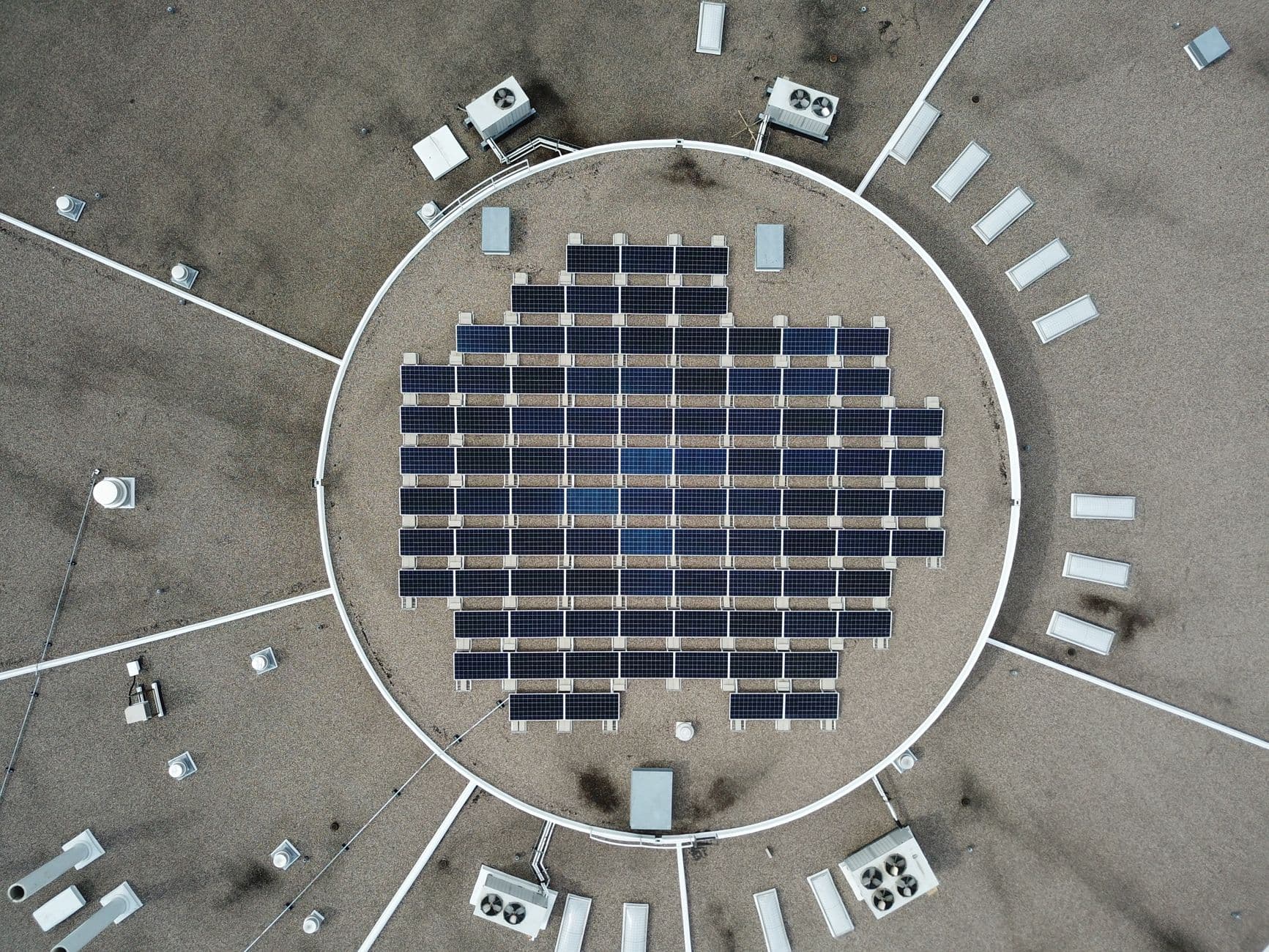
Shared rooftop solar for Israeli apartments – key facts
Israel now mandates shared rooftop solar on new apartment buildings, delivering up to 15 kW per block and cutting tenants’ electricity bills by roughly 14,000 NIS per year.
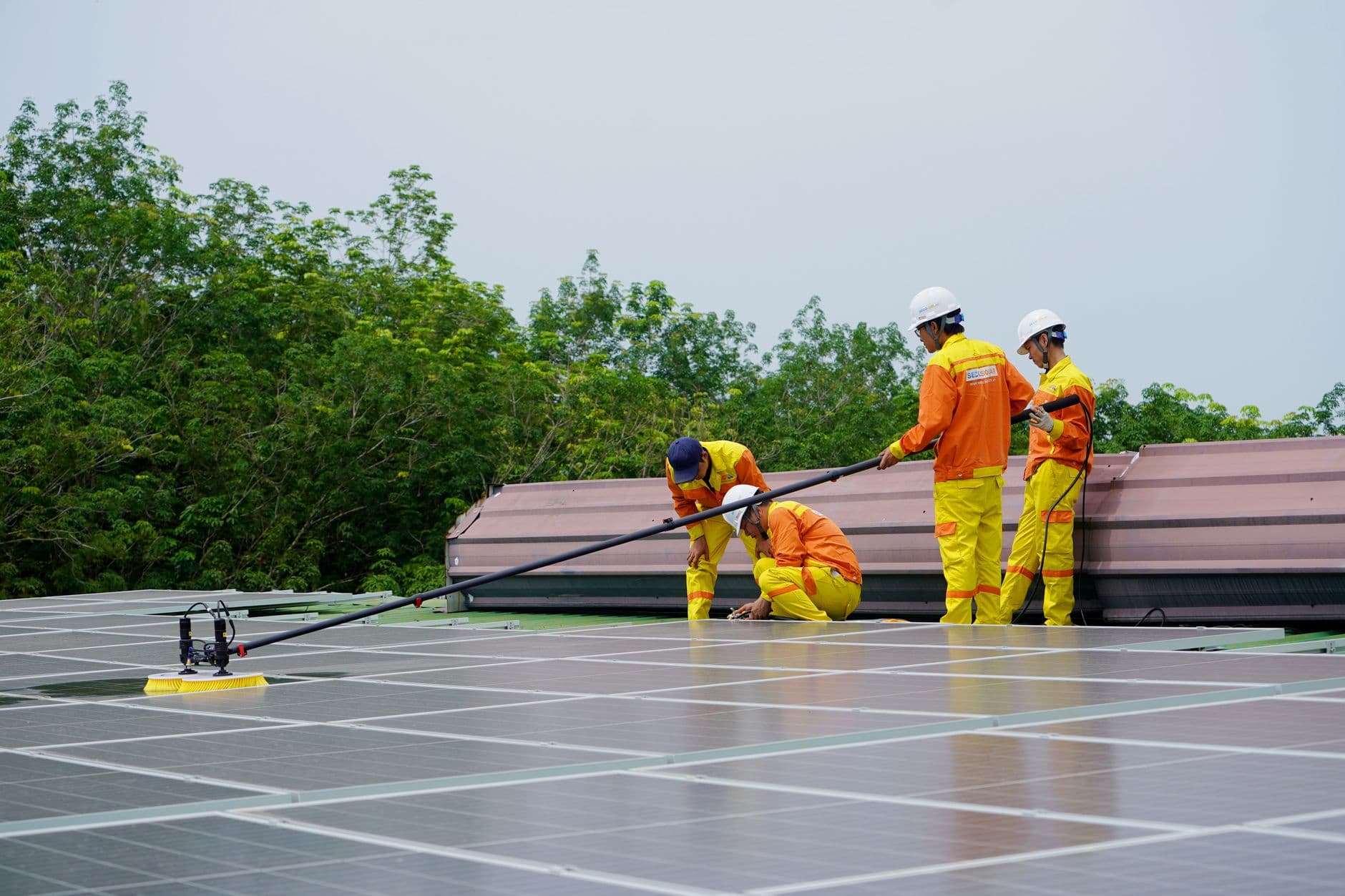
How Israeli Homeowners Should Clean Their Solar Panels: Frequency, Costs & Savings
Israeli homeowners should clean rooftop PV panels twice a year to keep efficiency above 95 %; a DIY clean costs ~75 NIS and pays back in under a year, while professional cleaning takes over five years to recoup.
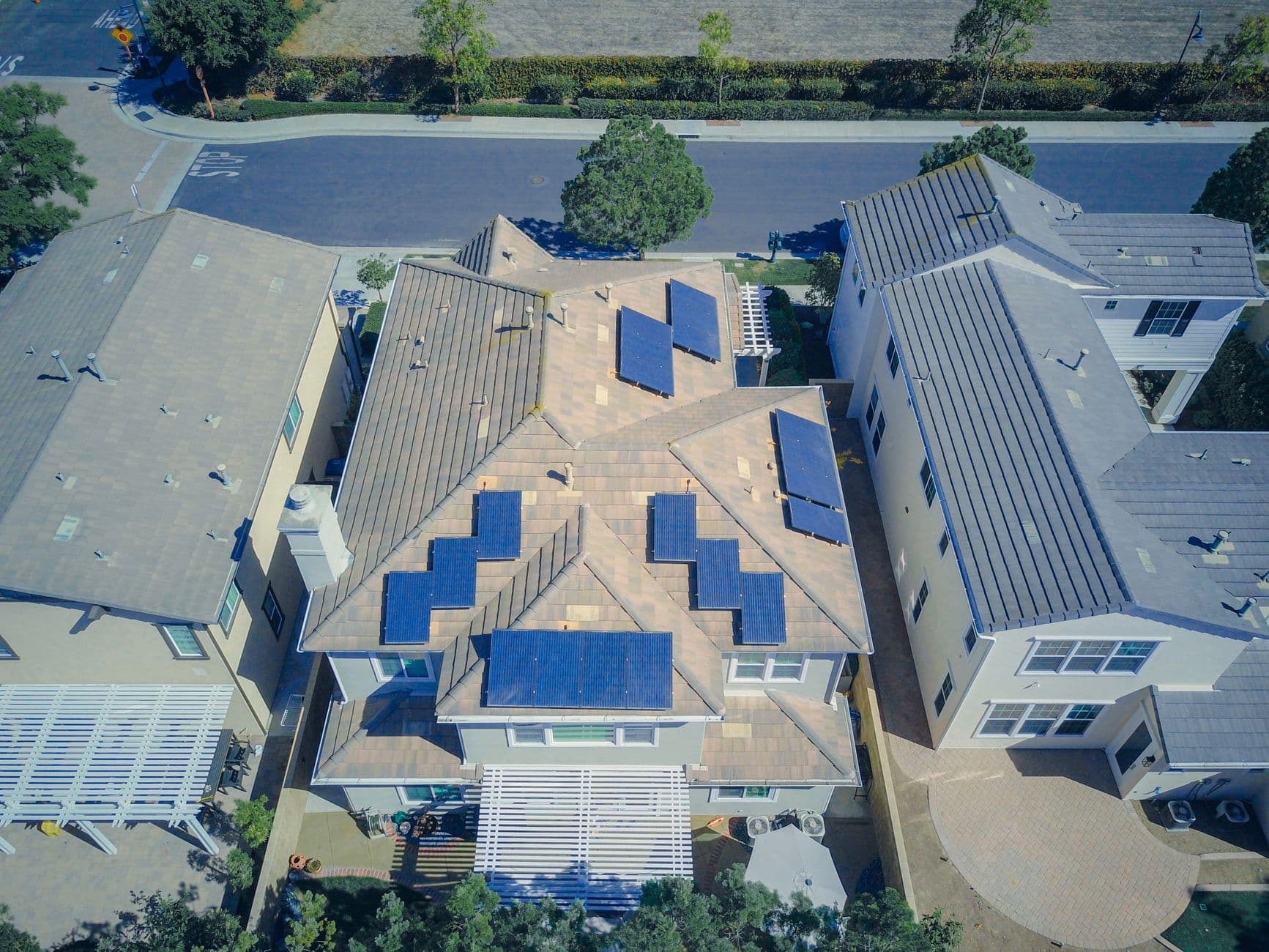
Choosing Solar Panels for an Israeli Home – Costs, Returns, and What It Means for You
A 15 kW rooftop solar system in Israel costs about NIS 81,000, earns roughly NIS 13,000 a year thanks to a 15 % guaranteed return, and pays back in just over six years.
U.S. DOE Solar Cost Benchmarks Show 15 kW Home System Costs Around ₪140 k in Israel
The DOE’s 2024 benchmark puts residential solar at $2.50/W, while a 15 kW home system in Israel costs about ₪18,000 and pays for itself in under 3 years.
U.S. Residential Solar Rooftop Potential: How Much Power Can Homeowners Capture in 2024?
U.S. rooftops could host about 1.2 TW of solar PV, producing roughly 300 TWh a year – enough to power 30 million homes – while a typical 15 kW home system now costs about $42,000 before tax credits and pays back in ~7.5 years.