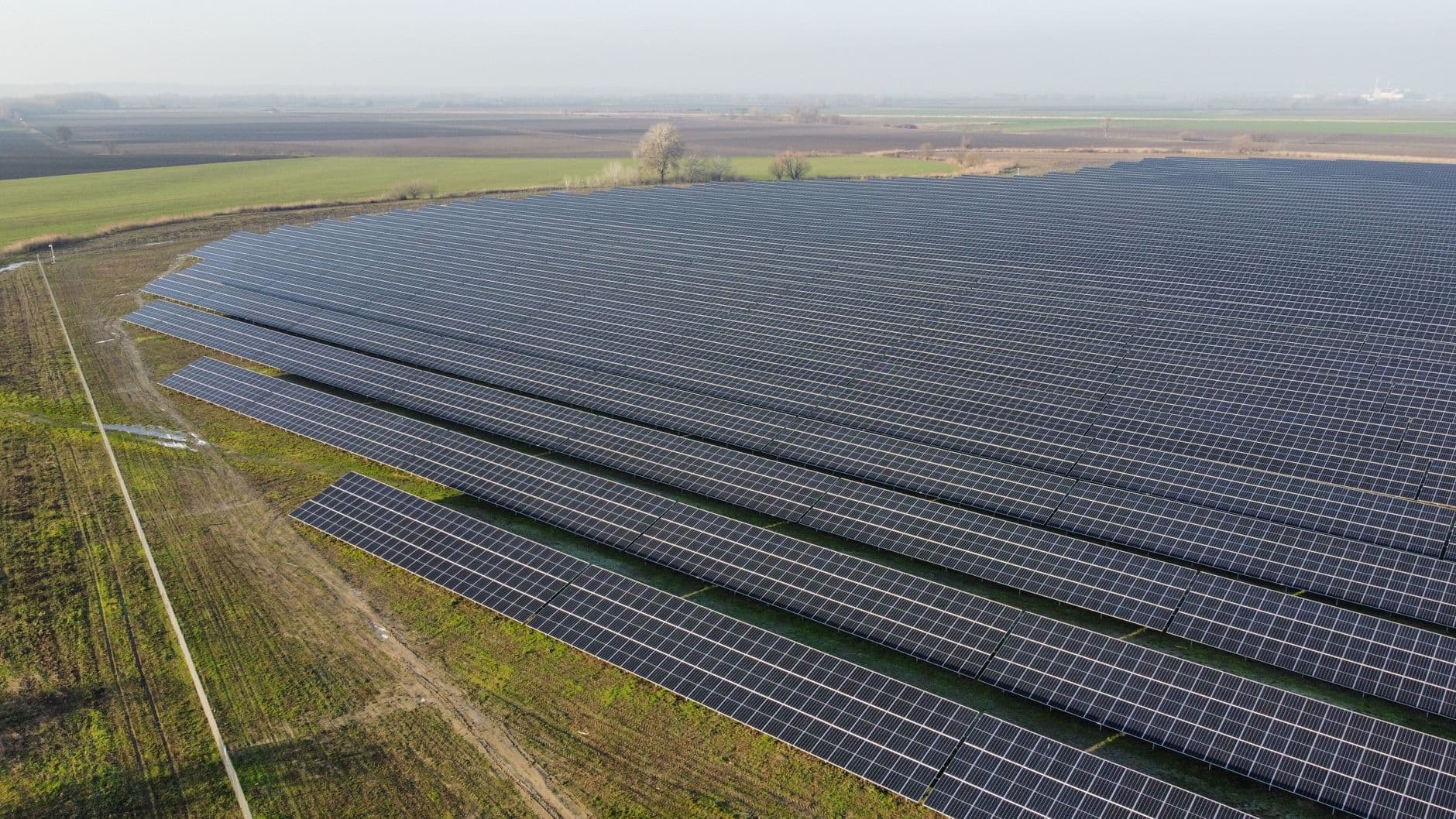
Israel targets 30% renewable electricity by 2030
Israel's 2030 Renewable Energy Goal: 30% of Electricity
Israel has set a firm target to generate 30% of its electricity from renewable sources by 2030, which translates into roughly 15 GW of new solar capacity according to the Ministry of Energy’s 2020 decision (see Trade.gov). The plan is part of a broader climate‑action agenda that also includes modest upgrades to wind and bio‑energy, but solar will dominate because it already supplies about 92% of Israel’s renewables.
How Much Solar Is Already in Place?
By the end of 2023 Israel’s total renewable electricity capacity reached 5 903 MW, with solar PV accounting for about 90% of that mix (see PVKnowhow). In practical terms, that capacity can produce roughly 10 GWh per day, enough to power around 120 000 homes at today’s average consumption.
The Scale of New Solar Build Needed
To lift the renewable share from the current ~10% to 30%, the country must add roughly 15 GW of solar PV by 2030 – a three‑fold increase over today’s stock. Spread over the next seven years, that means installing about 2.1 GW per year, or roughly 210 MW per month, a pace that would rank Israel among the world’s fastest solar expanders (compare with the global average of 1.5 GW/yr per country in 2024, IEA data).
Financing the Expansion: Tariffs and Costs
The government intends to fund the rollout through a modest 2‑3% uplift in electricity tariffs, a figure cited in the national announcement on the 30% target (Reglobal). For households, the average cost of a 10 kW rooftop system in 2024 is about NIS 120 000, while the regulated feed‑in tariff sits near NIS 0.68 per kWh. Assuming a typical production of 1 500 kWh per kW‑year, a 10 kW system generates ~15 000 kWh annually, earning roughly NIS 10 200 per year. At that rate the payback period is ~12‑13 years, well within the 20‑year lifespan of most panels.
What It Means for Israeli Households
A 10 kW home solar system can offset up to 70% of a typical family’s electricity bill, translating into annual savings of NIS 8‑10 000 after accounting for net‑metering losses. With the projected tariff increase, the net revenue could rise to NIS 11 500 per year, shaving the payback to about 10‑11 years for new installations. Moreover, the government’s “solar‑first” zoning rules promise faster permitting, meaning homeowners could see a system on their roof within 6‑9 months of application.
Regional and Industry Players
Local firms such as Arava Institute, Negev Energy and the Israel Electricity Authority are leading the permitting and land‑allocation process, while international EPCs like JinkoSolar and First Solar are supplying high‑efficiency modules. The market is also seeing a surge in flexible and BIPV (building‑integrated PV) products, which are now priced at roughly NIS 2 500 per kW, a 15% drop from 2022 levels.
Outlook and Risks
If Israel maintains the required 2 GW‑plus annual installation rate, the 30% renewable target is achievable by 2030, according to scenario modelling by the IEA’s Renewables 2024 outlook. However, risks remain: land‑use conflicts in the Negev, potential delays in grid‑upgrade funding, and global silicon shortages could push the timeline toward 2035. Continuous policy support and stable tariff signals will be essential to keep the pipeline full.
What It Means for the Economy
Reaching 30% renewables is projected to shave up to 5 % off Israel’s overall electricity import bill, saving the state roughly NIS 1.2 billion per year. The solar build‑out alone could create 12 000‑15 000 jobs in construction, operations and manufacturing, supporting the nation’s goal of a green‑tech hub in the Middle East.
Sources & further reading
FAQ
What is Israel’s renewable electricity target for 2030?
Israel aims for renewables to supply 30% of its electricity mix by 2030, which translates to roughly 15 GW of new solar capacity.
How much solar capacity does Israel already have?
By the end of 2023 the country had about 5.9 GW of renewable capacity, with solar PV making up roughly 90% of that.
How will the new solar build be financed?
The government plans to fund the expansion with a modest 2‑3% increase in electricity tariffs.
What is the payback time for a typical home solar system?
A 10 kW rooftop system costing around NIS 120 000 can recoup its investment in about 12‑13 years under the current feed‑in tariff.
Which companies are leading Israel’s solar rollout?
Local players like Arava Institute and Negev Energy, together with international EPCs such as JinkoSolar, are driving the rapid deployment.
What are the economic benefits of reaching the 30% target?
Achieving the goal could save the state roughly NIS 1.2 billion annually in import costs and generate 12 000‑15 000 jobs in the solar sector.
Share this post
How much could your roof earn?
Pick a roof size and region — get an instant estimate.
Estimated annual revenue
₪17,804
Payback
3.9 yrs
System size
Annual output
trees
More from Policy
5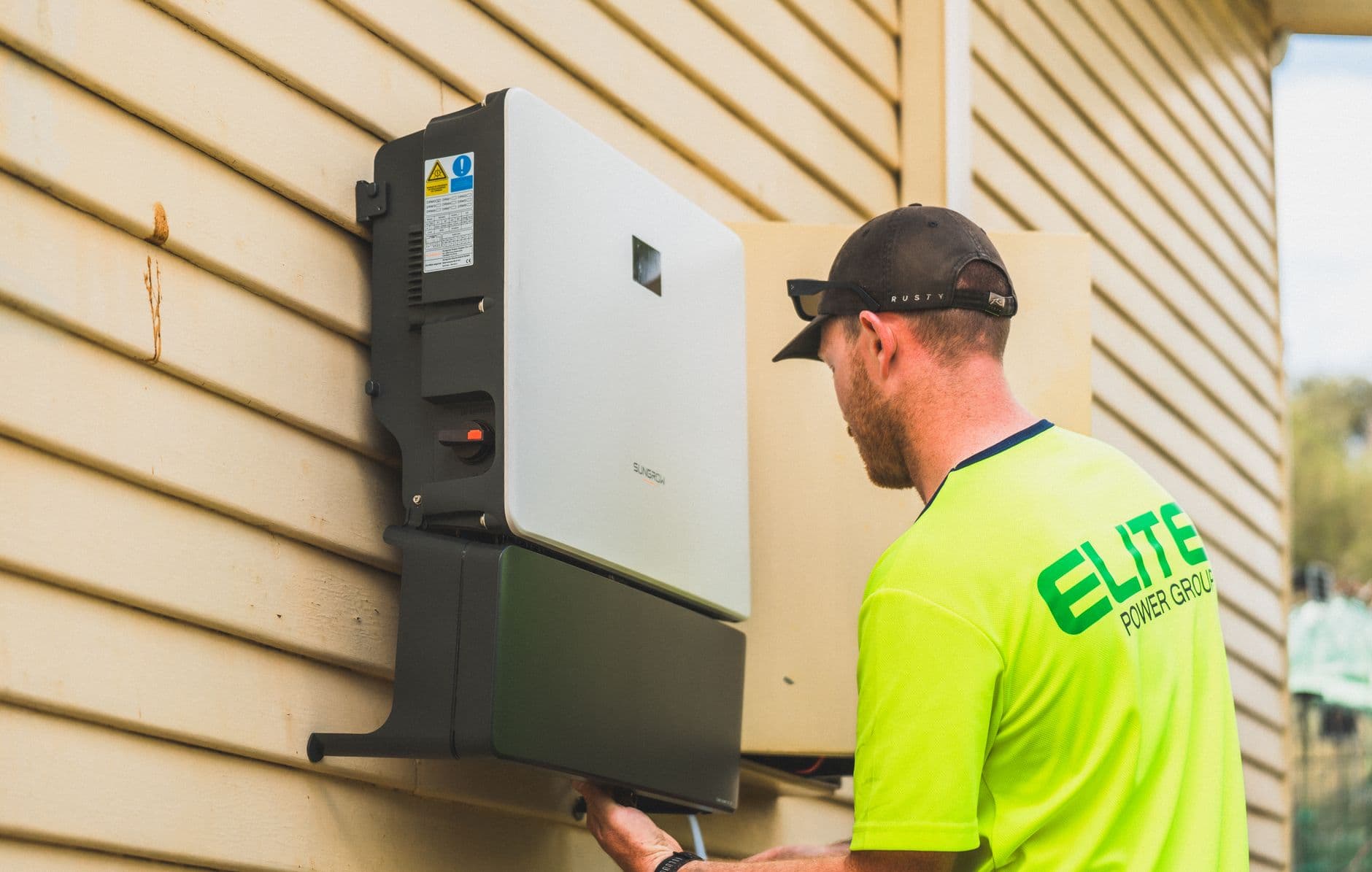
Israel’s Grid Connection Rules for New Solar Installations Explained
To connect a new solar system to Israel’s grid you need an IEC‑approved permit, a compliant inverter, and must meet size‑specific technical standards; a typical 15 kW rooftop system now pays back in just 2.3 years.
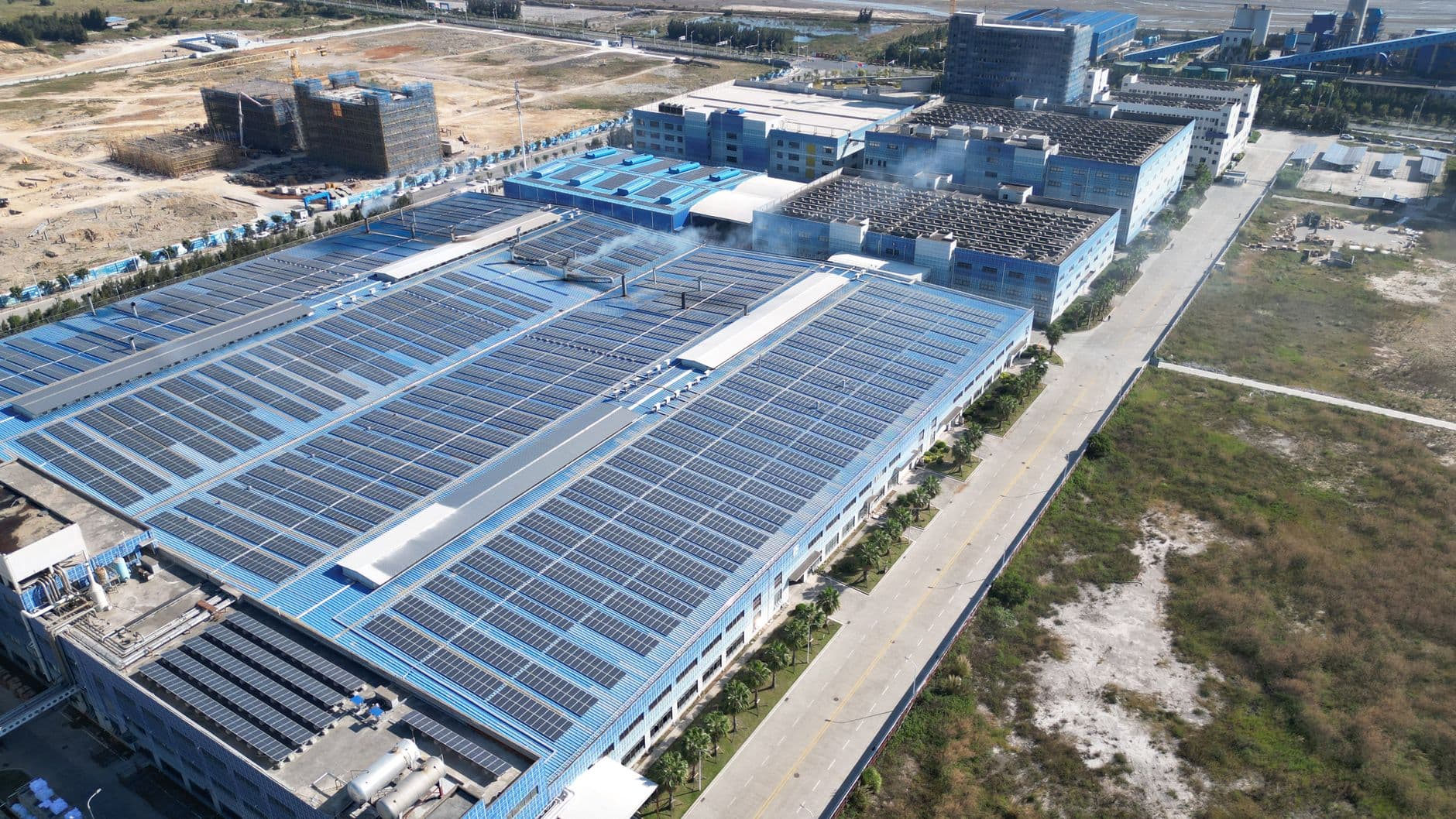
How Israel’s Solar Subsidies Make Business Solar Viable – Grants, Costs, and Payback
Israeli businesses can claim up to a 30 % grant (max NIS 70,000), a 30 % tax credit, and net‑metering credits, cutting a 15 kW solar system’s net cost to ~NIS 150,000 and delivering a payback in roughly 10 years.
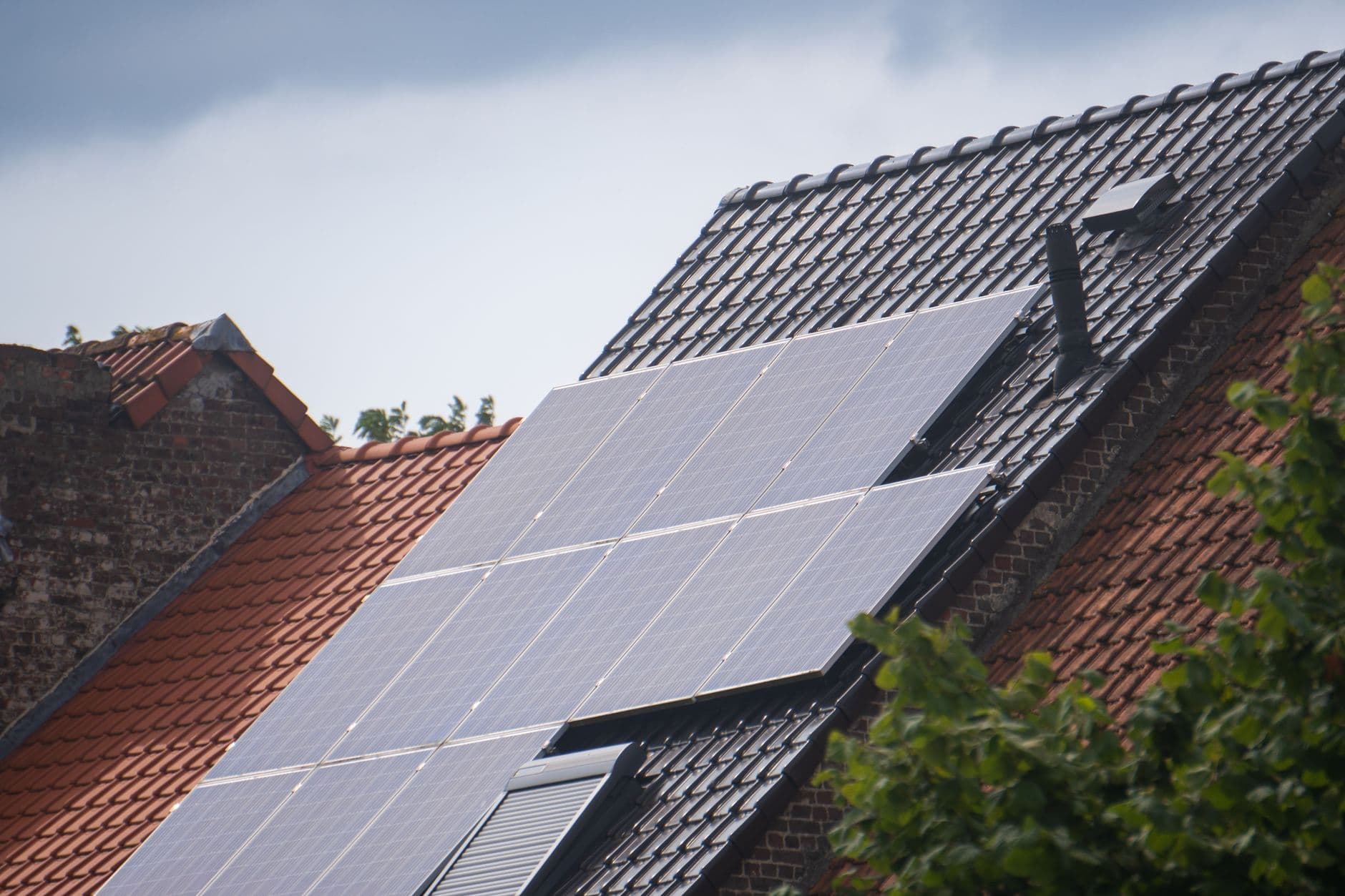
Israel’s 2026 Rooftop Solar Feed‑in Tariff: 0.6 ILS/kWh Then 0.38 ILS/kWh – Impact for Homeowners
Israel will pay 0.6 ILS per kWh for rooftop solar output for the first five years of a new net‑metering scheme, dropping to 0.3807 ILS per kWh thereafter, giving a typical 5 kW home system a payback of about 8 years.
Power Outages Threaten Israel’s Essential Services – How Solar Can Guard the Grid
Power outages would cripple hospitals, water, and communications in Israel, but expanding solar PV—already able to power 300,000 homes—can provide a resilient backup for essential services.
Israel Must Pair Solar Education with Bold Policy to Meet 2025 Coal Phase‑out
Israel cannot retire its coal plants by 2025 without bold renewable‑energy policies; current PV additions leave a 1.6 GW shortfall, but a 15 kW home system can pay for itself in about 11 years under today’s tariffs.