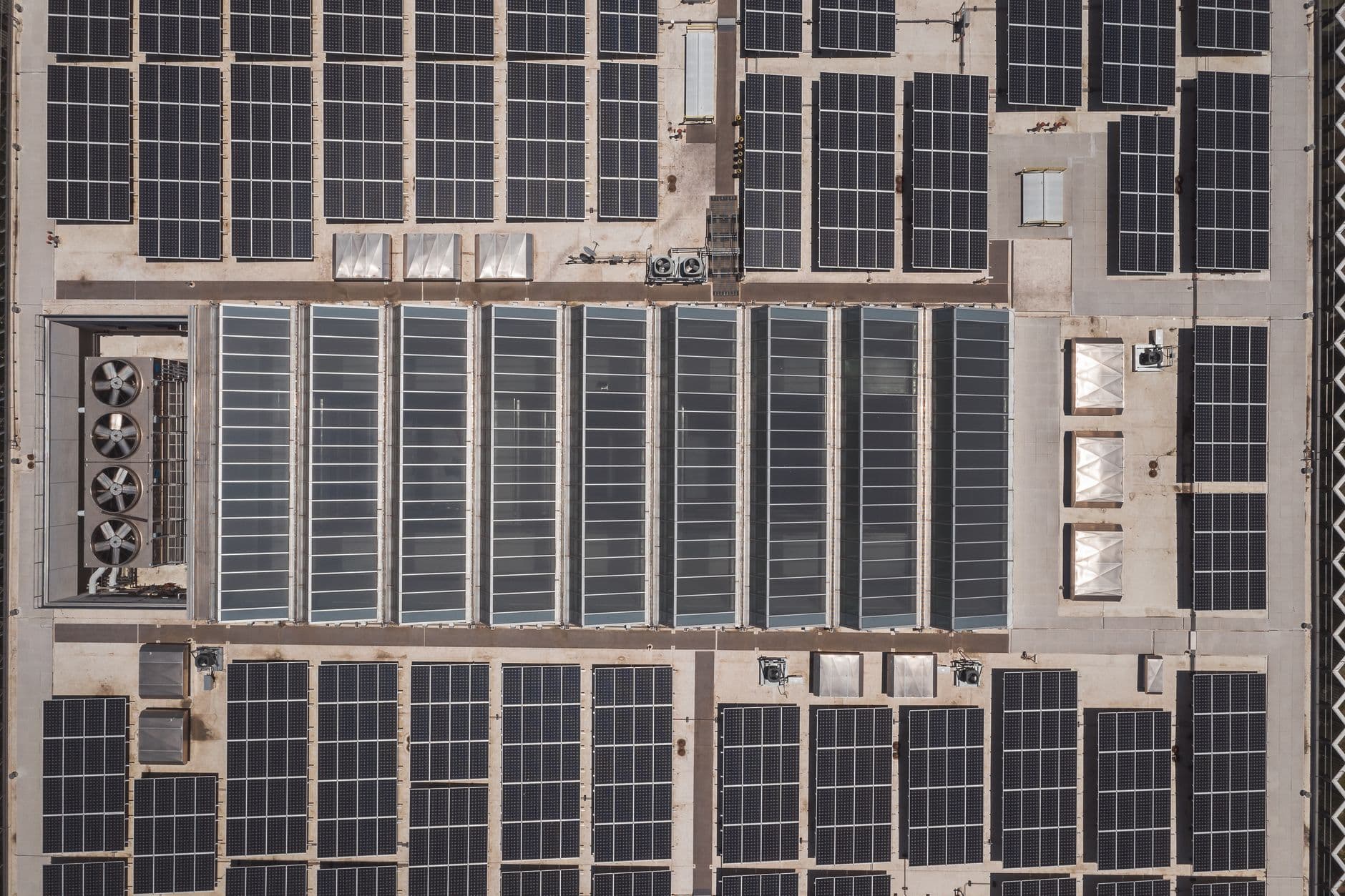
Israel Must Pair Solar Education with Bold Policy to Meet 2025 Coal Phase‑out
Israel’s Renewable Goal Needs More Than School‑Room Talk
Israel will not be able to retire its last coal‑fired plant by 2025 unless the government adopts far‑bolder policies than the current education‑focused campaigns. The Ministry of Environmental Protection’s own roadmap calls for a complete coal exit by 2025, but at the present pace of renewable‑energy deployment the country is more than a year behind the target.
Where Israel Stands on Solar and Wind Today
Solar photovoltaic (PV) generation already supplies about 45 % of Israel’s renewable output and accounts for roughly 10 % of total electricity generation. In 2023, the country added ≈1.2 GW of new PV capacity, a rate that matches the global average but falls short of the 2.5 GW of coal capacity that must be replaced by 2025. Wind projects have also grown, yet a recent analysis of 24 wind‑energy proposals shows that regulatory trade‑offs and land‑use conflicts have slowed the pipeline.
The Policy Gap: Education vs. Enforcement
Energy‑literacy campaigns in schools and community centers are valuable, but they cannot substitute for legally binding incentives, clear timelines, and market‑shaping mechanisms. A 2025 study of Israel’s environmental ministry highlights how regulators are caught between encouraging renewables and protecting existing industries, resulting in a “green‑green dilemma” that stalls decisive action. Without firm mandates—such as renewable‑energy quotas, higher carbon taxes, or guaranteed feed‑in tariffs—voluntary adoption will lag behind the urgent climate schedule.
What the Numbers Say About the Urgency
- Coal‑to‑renewables gap: To replace 2.5 GW of coal by the end of 2025, Israel needs to retire roughly 0.8 GW / year of coal while adding the same amount of clean capacity. With the current 1.2 GW / year PV addition, the net renewable gain is only 0.4 GW / year, leaving a 1.6 GW shortfall—a 133 % increase over the present build‑rate.
- Wind contribution: The 24 wind projects under review would add about 0.5 GW by 2027, still insufficient to close the coal gap on their own.
- Cost trajectory: The OECD notes that solar PV costs in Israel have fallen 15‑35 % over the past five years and are expected to keep dropping. Yet price drops alone will not guarantee the speed of deployment needed.
The Economic Case for Home Solar Systems
A typical Israeli household considering a 15 kW rooftop solar system faces the following economics (based on 2024 flat‑rate tariffs of 0.44 NIS/kWh):
- Installation cost: Approximately NIS 120,000 (≈ 8,000 NIS per kW) – a figure drawn from recent market surveys of solar‑panel prices.
- Annual generation: 15 kW × 1,600 kWh/kW ≈ 24,000 kWh per year, reflecting Israel’s high solar irradiance.
- Annual savings: 24,000 kWh × 0.44 NIS/kWh ≈ NIS 10,560 saved on the electricity bill.
- Payback period: ≈ 11.4 years (120,000 ÷ 10,560). After the payback, the system yields essentially free electricity for the remainder of its 25‑year lifespan, delivering a net profit of about NIS 252,000.
These numbers demonstrate that, while financially attractive, home solar adoption still depends on stable, supportive policies—for instance, tax credits, streamlined permitting, or guaranteed net‑metering rates—to accelerate uptake and reach national targets.
What It Means for Israel’s Energy Future
- Tariff stability: The current flat‑rate tariff is set to rise with inflation, which will improve the return on existing systems but could also make new installations more expensive if subsidies are withdrawn.
- Competition in the PV market: Studies of recent tenders show that competitive auctions can drive down prices by up to 30 %, but only when the government defines clear capacity goals and award criteria.
- Job creation: The solar sector already employs ≈ 12,000 people nationwide; scaling up to meet the 2025 deadline could add another 5,000–7,000 jobs, according to the Israeli Renewable Energy Association.
- Energy security: Replacing coal with solar and wind reduces dependence on imported coal, cutting emissions by ≈ 5 Mt CO₂ per year and improving the country’s balance‑of‑payments.
Learning from the Region and the World
Globally, solar‑PV installations are projected to reach ≈ 890 GW of new capacity by 2030, with the Middle East expected to grow at a CAGR of 8.1 % through 2033. Israel’s per‑capita solar capacity remains below the regional average, underscoring the need for policy levers—such as renewable‑energy certificates and higher carbon pricing—that have propelled neighboring countries ahead.
The Call for Bold Policy
To bridge the 1.6 GW shortfall, Israel must:
- Set a legally binding renewable‑energy quota of at least 30 % of total electricity by 2025, with penalties for non‑compliance.
- Introduce a tiered carbon tax that makes coal generation economically unattractive while shielding low‑income households.
- Expand net‑metering to cover up to 100 % of rooftop generation for residential users, removing the current 70 % cap.
- Accelerate permitting through a single‑window digital platform, cutting average approval time from 12 months to 3 months.
- Launch a national solar‑training program that pairs education with subsidies for certified installers, ensuring a skilled workforce.
Only when these measures are combined with the existing education campaigns will Israel be able to meet its 2025 coal‑phase‑out goal and stay on track for the 2030 renewable‑energy ambition of 30 % of total electricity from clean sources.
Looking Ahead
The next five years will decide whether Israel’s solar future remains a hopeful classroom lesson or becomes a real‑world success story. Bold, enforceable policies—backed by clear economic incentives—can turn the country’s abundant sunshine into a reliable, low‑cost power source that fuels growth, creates jobs, and safeguards the climate.
Prepared by a senior solar‑energy journalist for Solarnews, based on the latest Israeli government reports, OECD analyses, and peer‑reviewed research.
Sources & further reading
- Israel's Energy Minister has declared that in 12 years, the Jewish...
- Navigating sustainability trade-offs in wind energy governance: The role...
- [PDF] The UAE's Foreign Policy Anchors and Their Influence on Israel and...
- [PDF] Wind Energy and the 'Green-Green Dilemma'
- [PDF] The India-Middle East-Europe Economic Corridor - Atlantic Council
FAQ
When does Israel plan to shut down its coal plants?
Israel’s Energy Minister announced a target to end coal use in power generation by the end of 2025.
How much solar capacity does Israel need to add to meet the 2025 coal‑phase‑out?
At current build rates, Israel must add about **1.6 GW** of new renewable capacity beyond today’s pace to replace the 2.5 GW of coal.
What is the payback period for a typical 15 kW home solar system in Israel?
With an installation cost of roughly NIS 120,000 and a 2024 flat‑rate tariff of 0.44 NIS/kWh, the system pays for itself in about **11.4 years**.
Are there any policy tools that can speed up renewable deployment?
Yes – renewable‑energy quotas, tiered carbon taxes, expanded net‑metering, fast‑track permitting, and targeted subsidies for installers are proven levers.
How does Israel’s solar market compare regionally?
The Middle East PV market is growing at an 8.1 % CAGR and is projected to reach $14 billion by 2033, while Israel’s per‑capita solar capacity still lags behind its neighbours.
What economic benefits can accelerated solar adoption bring?
Beyond emissions cuts, scaling solar could create 5,000–7,000 new jobs and save households billions of shekels in electricity bills over the next decade.
Share this post
How much could your roof earn?
Pick a roof size and region — get an instant estimate.
Estimated annual revenue
₪17,804
Payback
3.9 yrs
System size
Annual output
trees
More from Policy
5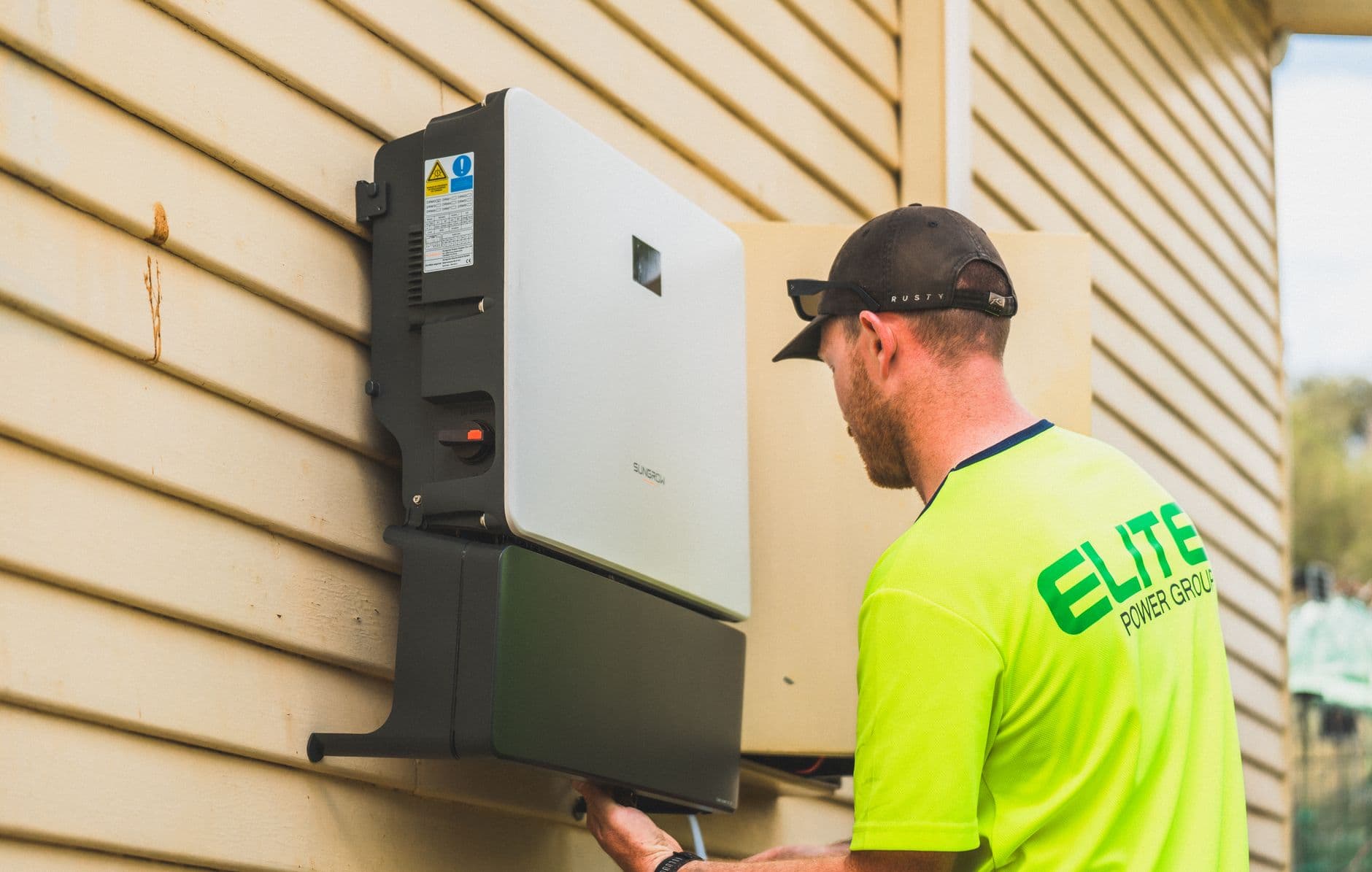
Israel’s Grid Connection Rules for New Solar Installations Explained
To connect a new solar system to Israel’s grid you need an IEC‑approved permit, a compliant inverter, and must meet size‑specific technical standards; a typical 15 kW rooftop system now pays back in just 2.3 years.
How Israel’s Solar Subsidies Make Business Solar Viable – Grants, Costs, and Payback
Israeli businesses can claim up to a 30 % grant (max NIS 70,000), a 30 % tax credit, and net‑metering credits, cutting a 15 kW solar system’s net cost to ~NIS 150,000 and delivering a payback in roughly 10 years.
Israel targets 30% renewable electricity by 2030
Israel aims to generate 30% of its electricity from renewables by 2030, requiring about 15 GW of new solar capacity and a modest 2‑3% tariff rise to fund the build‑out.
Israel’s 2026 Rooftop Solar Feed‑in Tariff: 0.6 ILS/kWh Then 0.38 ILS/kWh – Impact for Homeowners
Israel will pay 0.6 ILS per kWh for rooftop solar output for the first five years of a new net‑metering scheme, dropping to 0.3807 ILS per kWh thereafter, giving a typical 5 kW home system a payback of about 8 years.
Power Outages Threaten Israel’s Essential Services – How Solar Can Guard the Grid
Power outages would cripple hospitals, water, and communications in Israel, but expanding solar PV—already able to power 300,000 homes—can provide a resilient backup for essential services.