U.S. DOE Solar Cost Benchmarks Show 15 kW Home System Costs Around ₪140 k in Israel
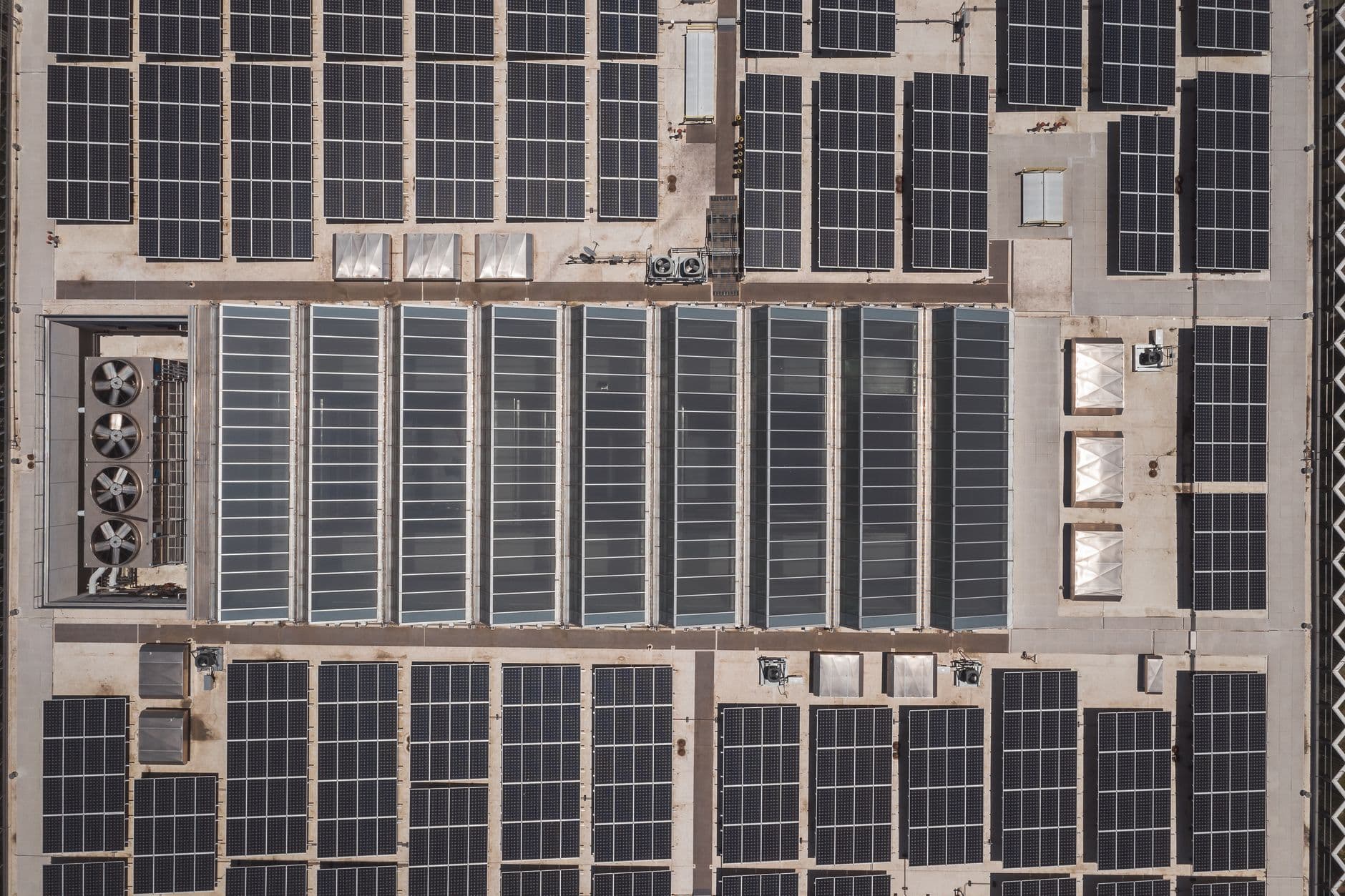
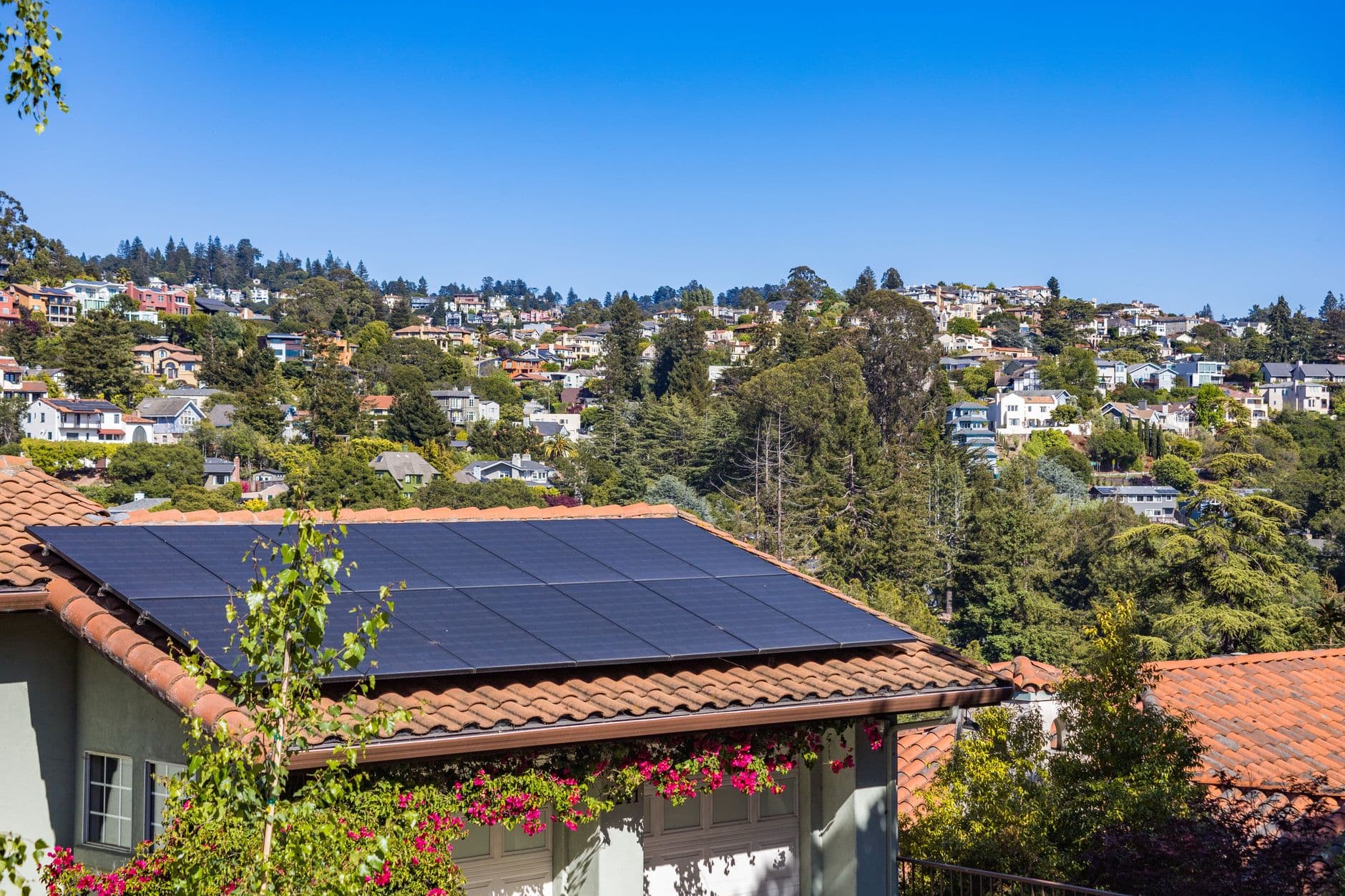
The DOE’s 2024 benchmark puts residential solar at $2.50/W, while a 15 kW home system in Israel costs about ₪18,000 and pays for itself in under 3 years.
Articles tagged

The DOE’s 2024 benchmark puts residential solar at $2.50/W, while a 15 kW home system in Israel costs about ₪18,000 and pays for itself in under 3 years.

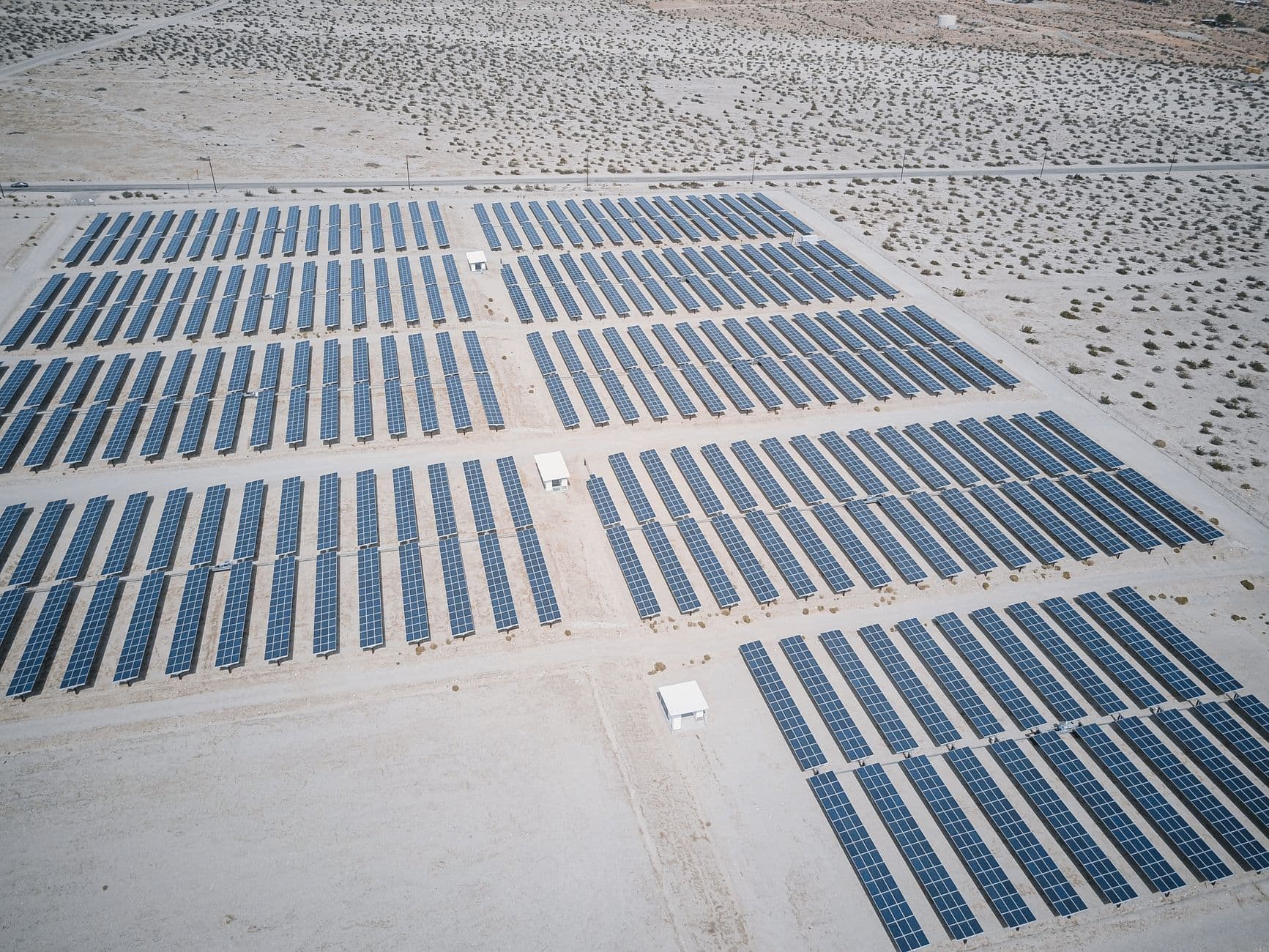
In 2024 California’s solar farms, backed by a 329 % jump in battery storage, generated more electricity than natural‑gas plants on 210 of 365 days (57 % of the year).

Solis unveiled a turnkey solar‑plus‑storage package at Intersolar Europe, enabling Israeli homes to pair a 15 kW rooftop system with a 30 kWh battery for up to eight hours of backup and higher self‑consumption.

Power outages would cripple hospitals, water, and communications in Israel, but expanding solar PV—already able to power 300,000 homes—can provide a resilient backup for essential services.

Israel cannot retire its coal plants by 2025 without bold renewable‑energy policies; current PV additions leave a 1.6 GW shortfall, but a 15 kW home system can pay for itself in about 11 years under today’s tariffs.

A record 664 GW of solar capacity was added worldwide in 2025, but growth slowed to 12% and a contraction is forecast for 2026 – the first such dip in over 20 years, with major implications for Israel’s solar market.

China’s two‑parallel cable‑truss PV mounting system can survive wind speeds up to 36.8 m/s on a 40 m span, cutting foundation costs by about 30 % and shortening Israeli solar farm payback by two years.

The developing El Niño that will peak in late‑2025 will boost solar irradiance by up to +10 % in India and eastern Australia, while Israel can expect a modest 5‑10 % winter dip in PV output, equating to about 110 kNIS less revenue per MW annually.
Send us a message — about solar, a story tip, advertising or anything else. We'll get back to you.