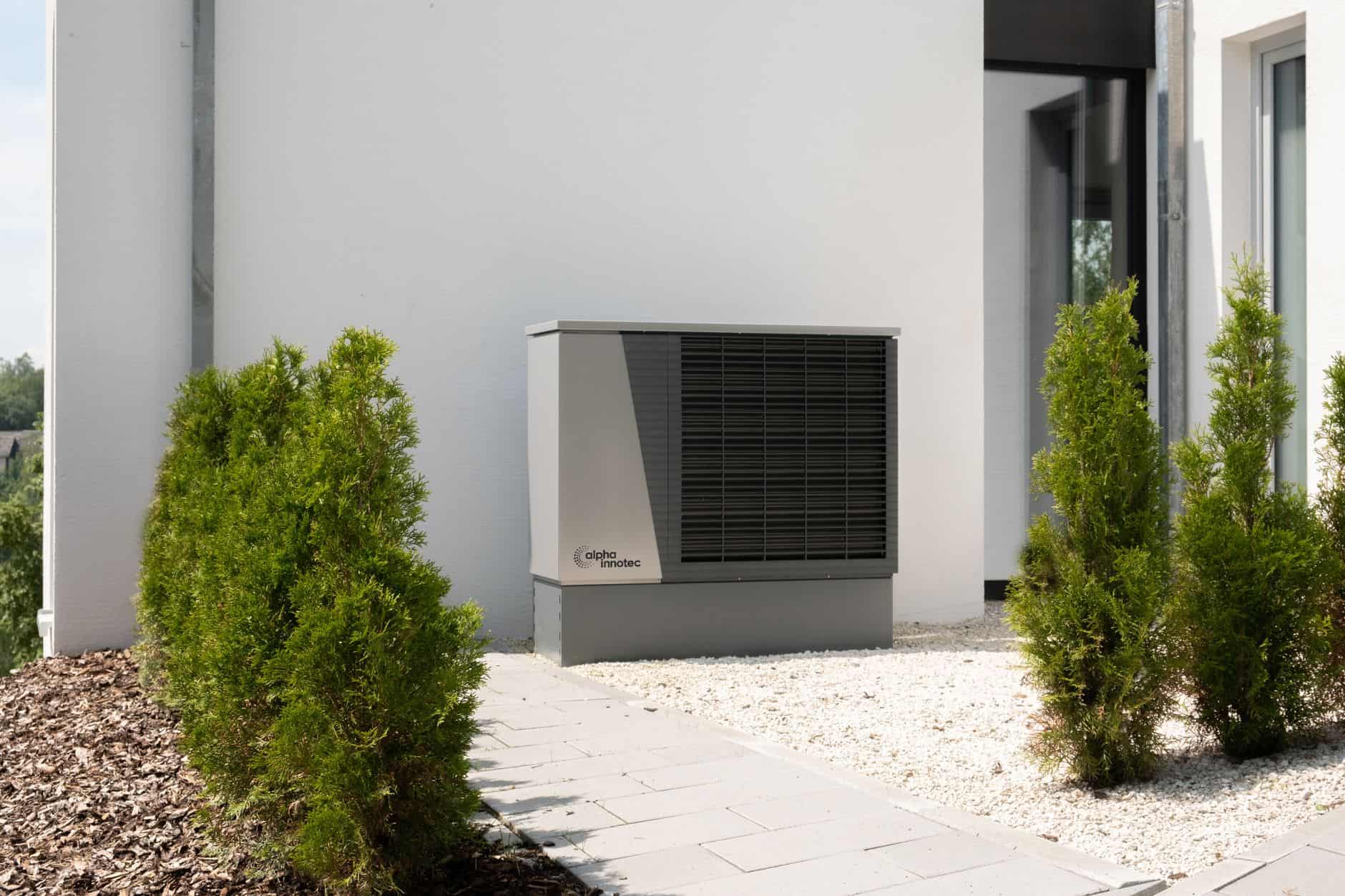
Germany Slashes Heat Pump Subsidy Caps
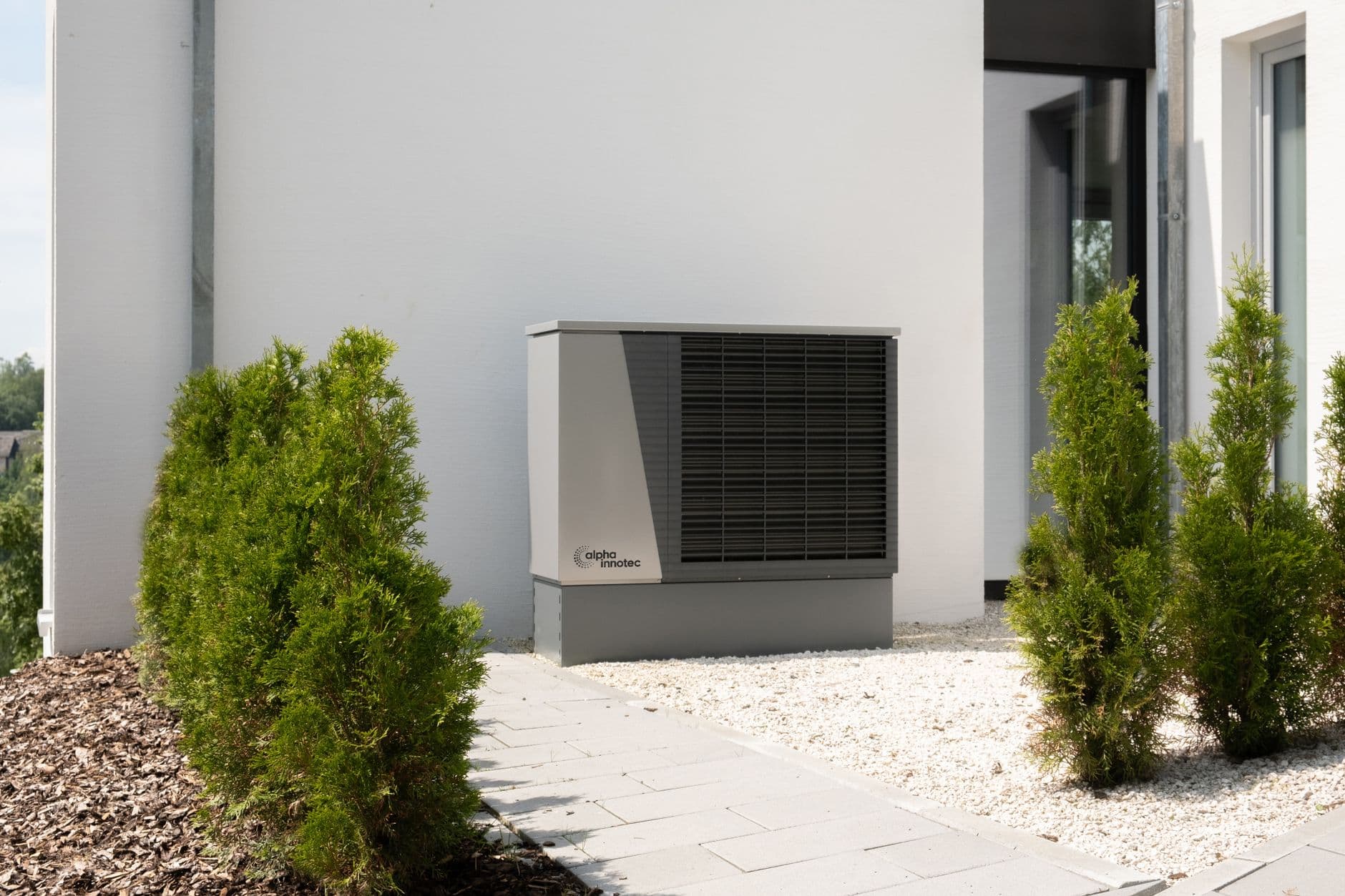
Germany Cuts Heat Pump Subsidy Caps – What Changes?
The German government will lower the maximum eligible cost for heat‑pump subsidies from €30,000 to €28,000 at the program’s restart, and then trim it by €750 every six months until it reaches €22,000 in the second half of 2030. This means the biggest possible grant will be €8,000 smaller than today’s cap. The cut is part of a broader reform of the BEG (Building Energy Efficiency) programme aimed at curbing spending while still encouraging climate‑friendly heating.
Income‑Based Bonus Shifts – Who Gains?
Low‑income households will actually see a higher percentage bonus: families earning up to €30,000 will receive a 40% subsidy instead of the current 30%, translating to €11,200 on a €28,000 eligible cost (versus €9,000 on a €30,000 cost before). Households earning €31,001‑€40,000 keep the 30% rate, while those above €50,001 drop to just 10%. Each minor child reduces the income threshold by €10,000, further favouring larger families.
New “Made in Europe” Requirement – What It Means for Manufacturers?
From Q1 2025 a “Made in Europe” requirement will apply: at least 15% of a heat‑pump’s value‑creation must occur inside the EU or associated markets for the subsidy to be granted. This pushes manufacturers to source more components locally, aligning with the EU’s strategic autonomy goals.
Funding Sources and Timeline – Where Money Comes From?
The subsidies will continue to be financed by the Climate and Transformation Fund (KTF) and repayments from the EU Climate Social Fund. Repayment grants for KfW‑issued loans may also be cut by 10%. The reforms are slated to roll out alongside the Building Modernisation Act, but parliamentary debate has been delayed until at least September, so exact start dates remain uncertain.
How the Changes Compare to European Trends – Context
Germany’s tightening mirrors a continent‑wide shift. According to the European Heat Pump Association (EHPA), many EU states are moving from flat subsidies to income‑targeted or performance‑based schemes to reduce market distortion and improve cost‑effectiveness. In the UK, for example, the Warm Homes Plan pairs grants with low‑interest loans rather than generous upfront caps. Germany’s €22,000 cap in 2030 will still be higher than the €14,000 average installation cost reported for the UK, but the reduction narrows the subsidy gap that has historically driven German heat‑pump uptake.
What It Means for Israel – Implications for Israeli Homeowners
While Israel does not run a heat‑pump subsidy comparable to Germany’s BEG, the policy shift highlights the importance of pairing incentives with long‑term cost‑recovery. Using Israel’s typical residential solar figures (₪3,150/kWp install, 1,700 kWh/kWp · yr yield in the central region), a 10 kWp rooftop system generates about 17,000 kWh/year, worth roughly ₪8,160 at the ₪0.48/kWh tariff. At a €22,000 German heat‑pump cap, the German homeowner would need to finance the remainder of the system cost, whereas an Israeli homeowner could recoup the entire solar investment in about 3.9 years, after which the electricity saved offsets heating bills. This illustrates that, in markets where subsidies shrink, self‑generation with solar can become a financially attractive alternative.
Outlook – Future of Heat‑Pump Support
Analysts expect the German reforms to be fine‑tuned as the Building Modernisation Act passes. If electricity‑to‑gas price ratios stay high—as they did in 2024, dampening heat‑pump sales across Europe—the income‑targeted bonuses may become the main driver of adoption. Manufacturers that adapt to the “Made in Europe” rule could capture a larger share of the remaining subsidy pool, while households will need to weigh the reduced grant against the long‑term savings of efficient heating and, potentially, solar‑PV self‑consumption.
What it means for you: If you’re a German homeowner, expect a lower maximum grant but a higher percentage if you earn less than €30,000. If you’re in Israel, consider pairing a heat‑pump upgrade with a rooftop solar system to lock in savings even as subsidies elsewhere shrink.
Sources & further reading
FAQ
What will the maximum heat‑pump subsidy be in Germany by 2030?
The cap will be €22,000, down from the current €30,000.
How much extra subsidy will a household earning up to €30,000 receive?
They will get a 40% bonus on eligible costs, which equals €11,200 on a €28,000 eligible amount.
What is the “Made in Europe” bonus?
A 15% additional grant is granted if at least 15% of the heat‑pump’s value‑creation occurs within the EU or associated markets.
Which fund finances the German heat‑pump subsidies?
The Climate and Transformation Fund (KTF) and repayments from the EU Climate Social Fund.
How does the German subsidy change compare to other EU countries?
Germany is moving from a flat cap to income‑targeted rates, similar to the UK’s shift toward grants plus low‑interest loans.
Can Israeli homeowners benefit from similar incentives?
Israel doesn’t have a comparable heat‑pump grant, but a typical 10 kWp solar system pays back in about 4 years, offering an alternative way to offset heating costs.
Share this post
More from Policy
6
UK Frequency Rules Shift Battery Revenue
Ofgem approved six of eight rule changes to the UK’s Dynamic Response frequency services, with the first set effective from 31 July 2026, tightening availability proof and data‑submission requirements for battery storage.

Abu Dhabi Summit to Revive Israel-Jordan Water
Israel is weighing an Abu Dhabi‑hosted summit as a way to restart talks on the 1994 water‑sharing agreement with Jordan, a move that could ease chronic water stress in both countries.
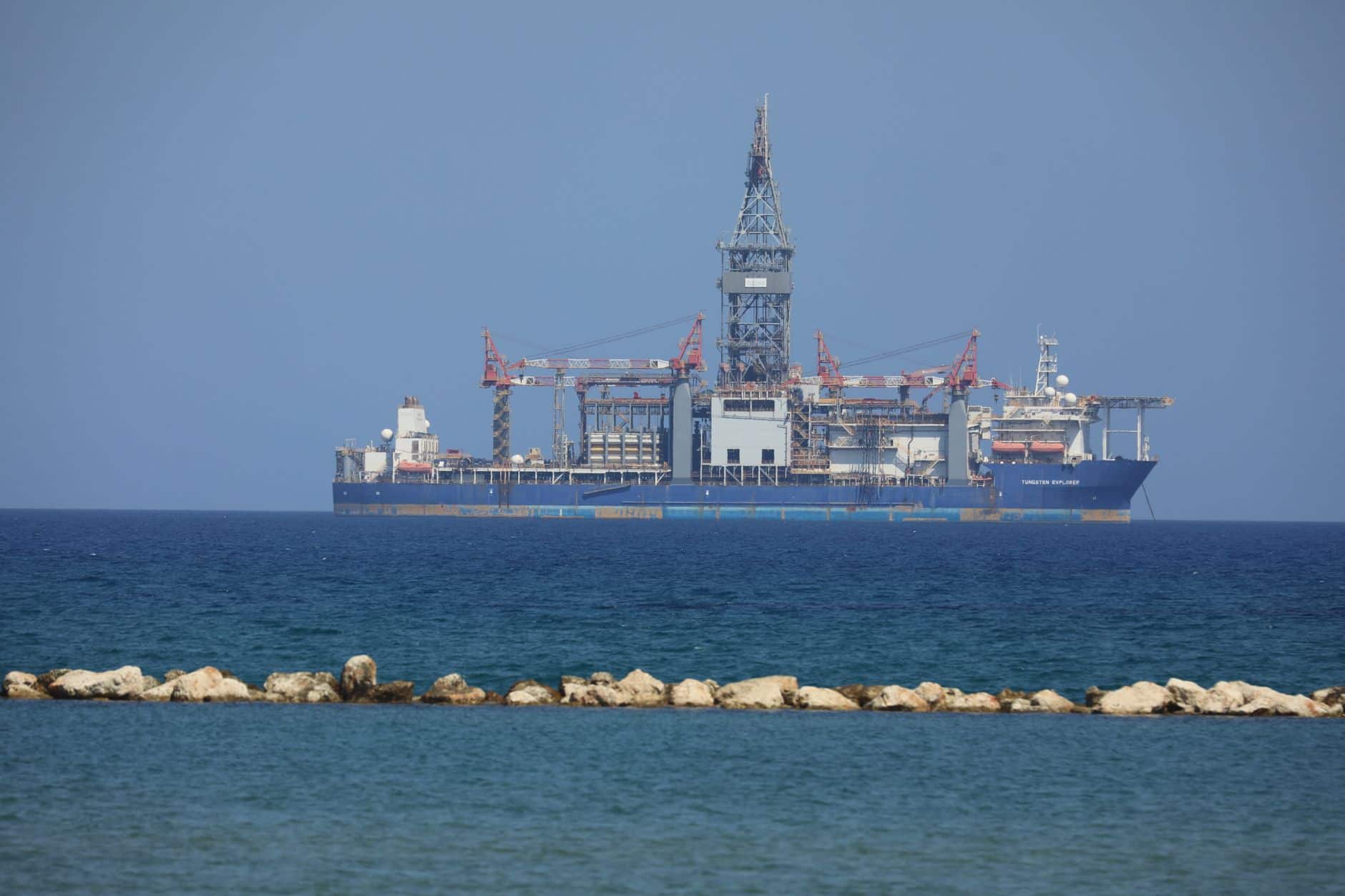
Israel Opens 5 New Offshore Gas Blocks
Israel opened five offshore blocks covering nearly 6,000 km² for natural‑gas exploration, a move that adds a modest gas supply to support the country’s solar‑PV expansion.
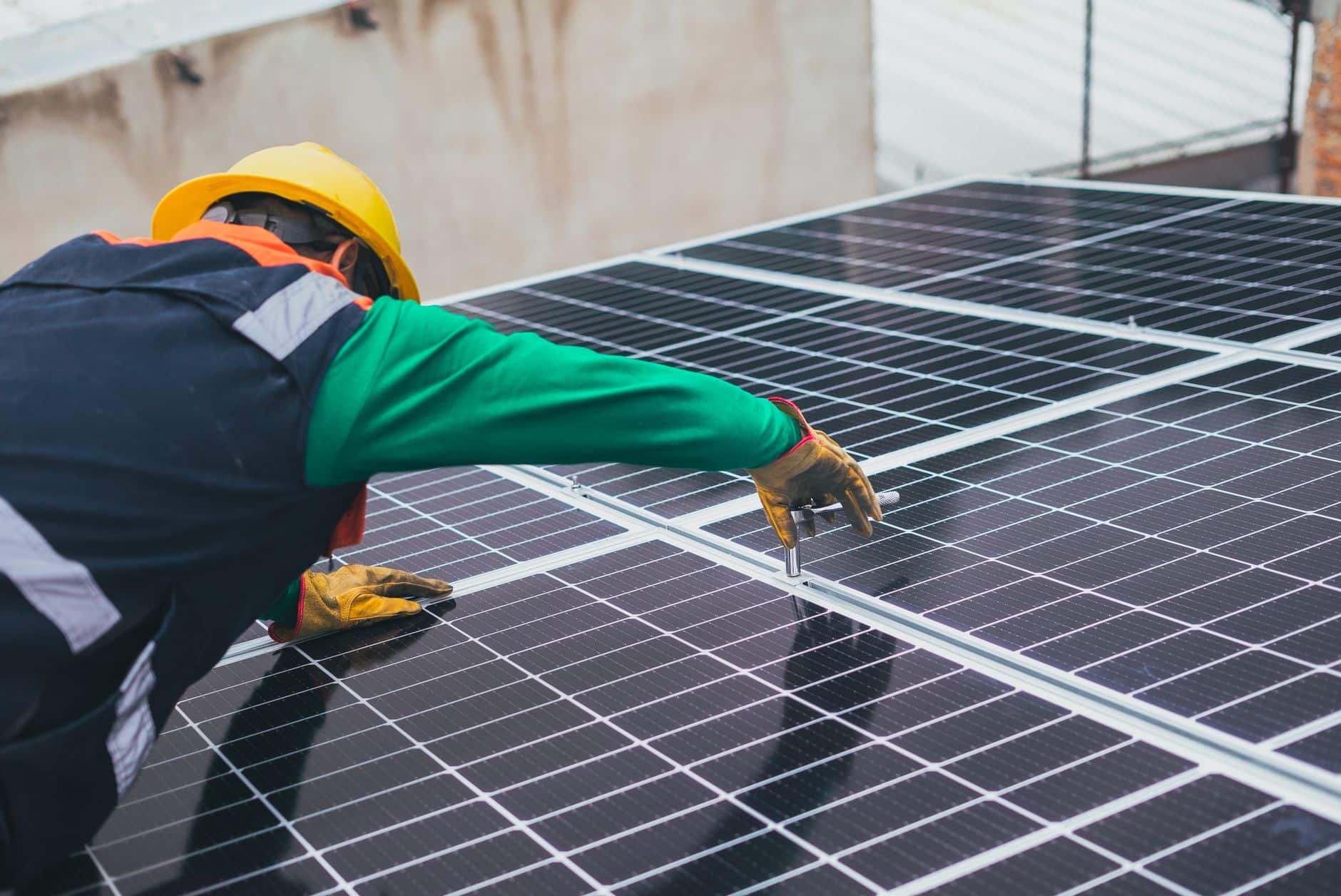
NJ Approves Plug‑In Solar Up to 1.2 kW
New Jersey became the tenth state to allow plug‑in solar panels up to 1.2 kW without permits, opening the door for instant rooftop power.
China's PV Standards Target Overcapacity
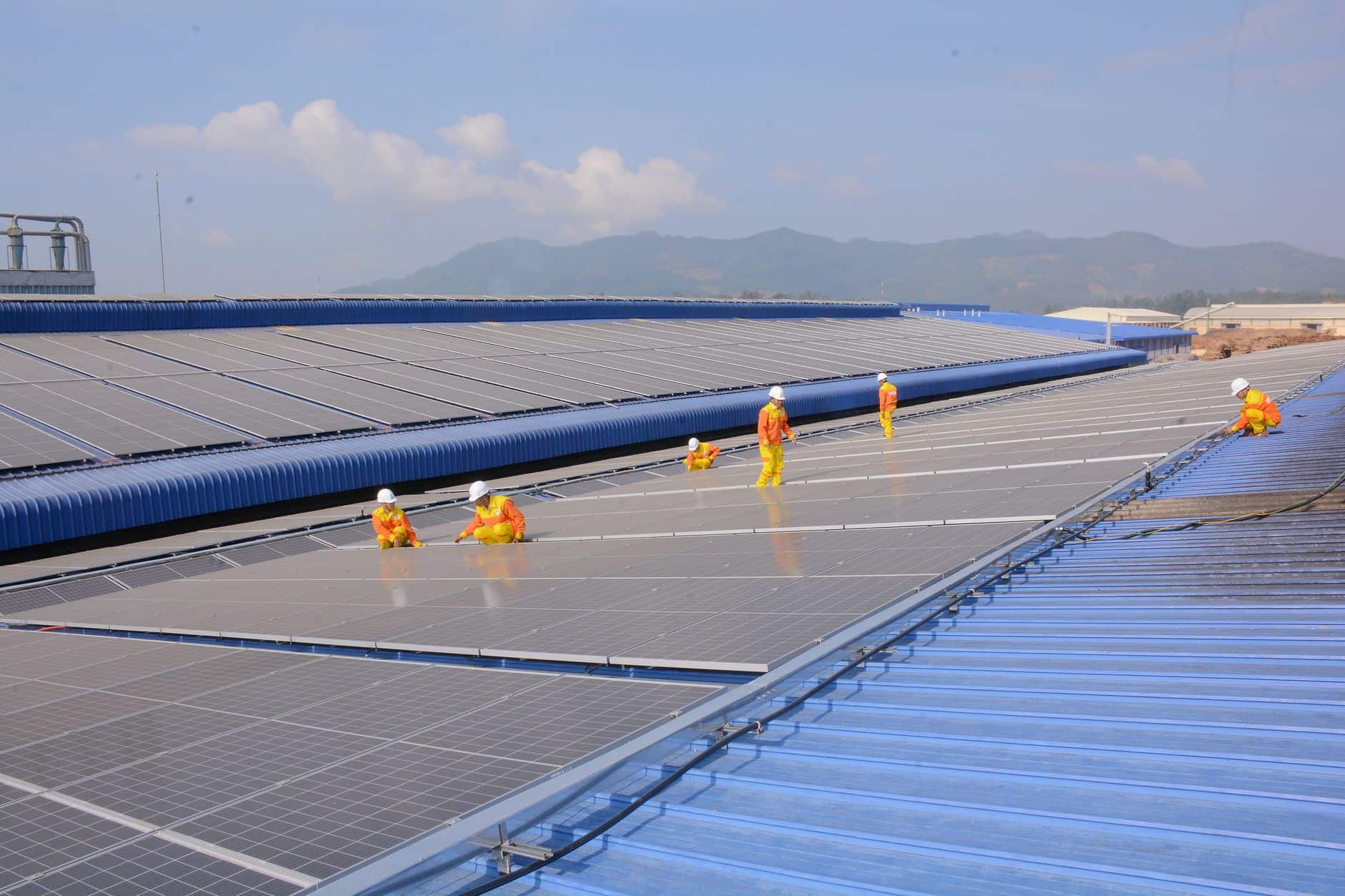
China’s new mandatory PV standards, effective Jan 1 2027, set energy‑use caps and minimum efficiency grades for polysilicon, silicon wafers, modules and inverters, aiming to curb overcapacity and push the industry toward higher‑efficiency products.
Israel Aims 70% Renewable Transport by 2050
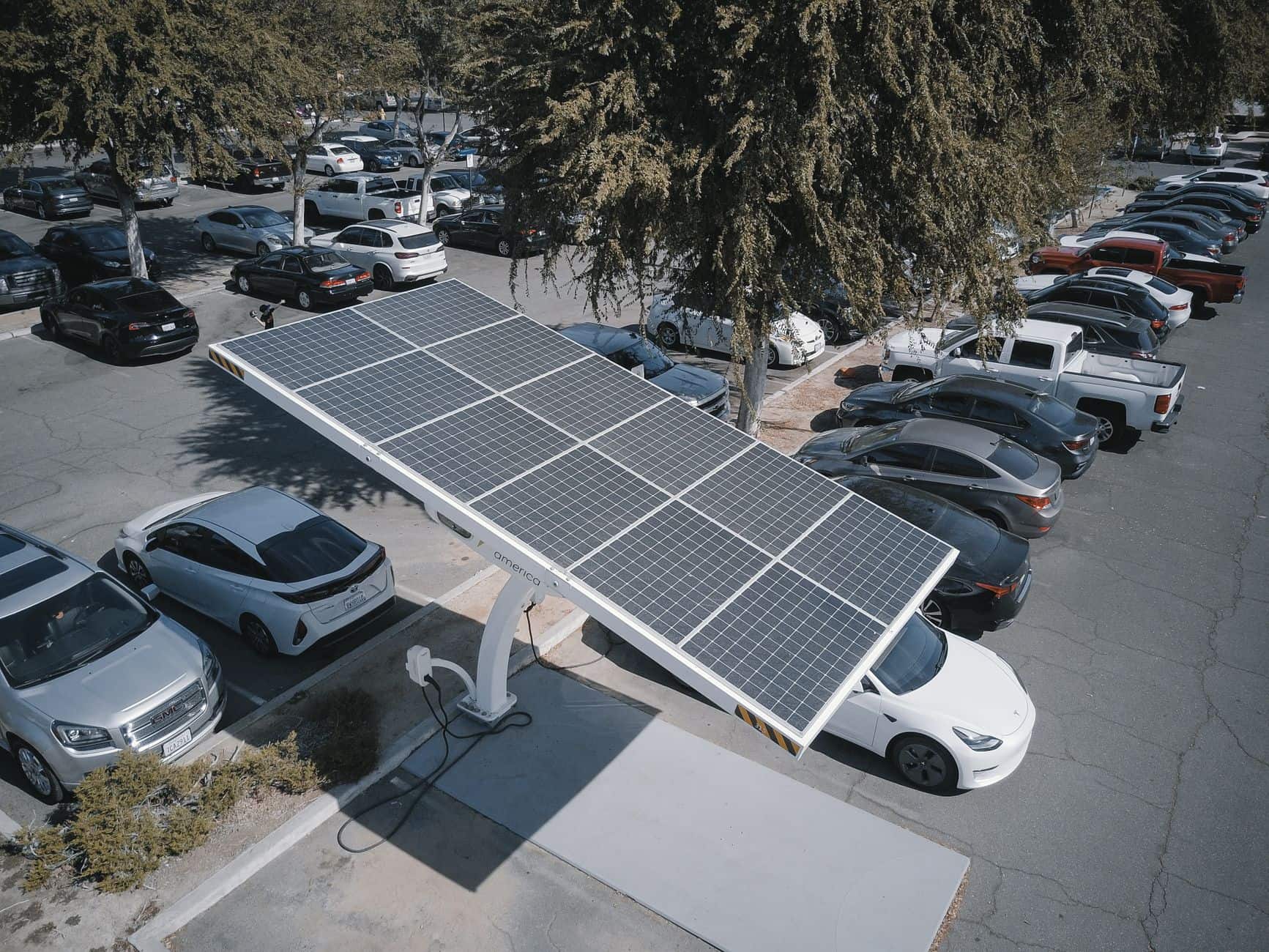
Israel has set a 70 % renewable‑energy target for its transport sector by 2050, backed by rapid EV growth, expanding fast‑charging networks, and a push for rooftop solar to power home‑charging.