Abu Dhabi Summit to Revive Israel-Jordan Water
Israel is considering an Abu Dhabi summit to restart the 1994 Jordan water agreement
Israel’s foreign ministry has floated the idea of convening a high‑level summit in Abu Dhabi to revive the water‑allocation pact signed after the 1994 peace treaty with Jordan. The proposal aims to break the current stalemate over the Jordan River’s dwindling flow and to explore joint projects that could supplement both nations’ water supplies.
Water scarcity drives the need for a new deal
Israel’s water balance is under chronic pressure: about half of the nation’s annual supply now comes from unconventional sources such as reclaimed water and seawater desalination, according to the Wikipedia overview of Israeli water supply. A series of droughts, most notably the 1998‑2002 episode, forced the government to accelerate large‑scale desalination, but the process remains energy‑intensive.
The 1994 treaty still defines water rights, but implementation stalls
Under the 1994 peace treaty, Jordan receives a share of Jordan River water, while Israel receives a larger share. Decades of reduced river flow, over‑extraction, and climate‑driven variability have made the original allocations increasingly unrealistic. Both sides have hinted that a refreshed agreement could include joint desalination or water‑recycling projects, but negotiations have been dead‑locked for years.
Why Abu Dhabi? A neutral platform for regional cooperation
Abu Dhabi offers a politically neutral venue where Israel, Jordan, and the United Arab Emirates can discuss water security without the baggage of direct bilateral talks. The UAE’s diplomatic outreach in the Abraham Accords has already produced joint initiatives, suggesting that a water‑focused summit could build on existing cooperation frameworks.
Potential benefits for Israel’s water system
If the summit leads to a revived deal, Israel could gain access to additional surface water, reducing the share of desalinated water that must be pumped into the Sea of Galilee—a project highlighted by the Times of Israel as a world‑first effort to raise the lake’s level using desalinated water. Less reliance on desalination would cut electricity demand, a crucial factor given Israel’s push to power more of its water infrastructure with solar energy.
Solar energy ties into the water‑security agenda
Israel’s renewable‑energy push is already reshaping its water sector. Solar‑powered desalination concepts are being explored, and the falling cost of solar panels makes large‑scale solar farms economically attractive. The country’s typical residential solar‑panel installation cost of about ₪3,150 per kW‑peak (as per the verified Israeli figures) means that a 10 kW rooftop system can be built for roughly ₪31,500. Such systems generate enough electricity to meaningfully support water‑treatment operations, illustrating how solar and water policies can reinforce each other.
What it means for Israel: a quick solar‑ROI illustration
Using the representative Israeli numbers, a 10 kWp home solar system in the central region would produce roughly 17,000 kWh per year (1700 kWh/kWp × 10 kWp). At the residential feed‑in tariff of ₪0.48/kWh, that electricity is worth about ₪8,160 annually. With a total install cost of ₪31,500, the simple payback period is ≈ 3.9 years, after which the system continues to generate savings for the remainder of its ~25‑year lifetime. This calculation shows how households can lower their electricity bills while the grid benefits from cleaner power—exactly the kind of synergy policymakers hope to leverage in future water‑energy projects.
Outlook: From summit talks to solar‑water integration
The Abu Dhabi summit is still in the planning stage, but its success could unlock a cascade of regional initiatives: joint water‑treatment plants, shared solar farms to power desalination, and coordinated drought‑response strategies. For Israel, the prospect of a revived Jordan water deal dovetails with its broader goal of reaching a 30 % renewable electricity share by 2030, reinforcing the notion that water security and solar energy are two sides of the same sustainability coin.
Key takeaways
- Israel is weighing an Abu Dhabi summit to restart the 1994 Israel‑Jordan water‑sharing pact.
- Half of Israel’s water now comes from reclaimed or desalinated sources, making any additional surface‑water allocation valuable.
- Solar‑energy costs are low enough that rooftop systems can pay for themselves in under four years, offering a template for powering future water‑treatment projects.
- A successful summit could lead to joint solar‑powered desalination, easing pressure on Israel’s energy‑intensive water infrastructure.
For readers who want to crunch their own numbers, try our solar ROI calculator or explore the latest market data on our solar data page.
Sources & further reading
FAQ
Why is Israel interested in reviving the Jordan water deal now?
Because chronic water scarcity and the high cost of desalination make any additional surface water from the Jordan River a valuable relief for both countries.
What role does Abu Dhabi play in the proposed summit?
Abu Dhabi offers a neutral diplomatic setting where Israel, Jordan, and the UAE can discuss water security without the direct tensions of bilateral talks.
How much of Israel’s water comes from desalination?
Roughly 50 % of Israel’s total water supply now comes from unconventional sources, including desalination and reclaimed water.
Can solar power help reduce desalination costs?
Yes—solar‑powered desalination plants are being piloted, and falling solar‑panel prices make it cheaper to run water‑treatment facilities on renewable energy.
What is the payback period for a typical home solar system in Israel?
A 10 kWp rooftop system typically pays back in about 3.9 years, based on a ₪0.48/kWh residential tariff and a ₪3,150/kWp installation cost.
What are the long‑term goals for Israel’s renewable energy?
Israel aims to generate 30 % of its electricity from renewables by 2030, up from the interim target of 20 % by 2025.
Share this post
More from Policy
6
UK Frequency Rules Shift Battery Revenue
Ofgem approved six of eight rule changes to the UK’s Dynamic Response frequency services, with the first set effective from 31 July 2026, tightening availability proof and data‑submission requirements for battery storage.
Israel Opens 5 New Offshore Gas Blocks
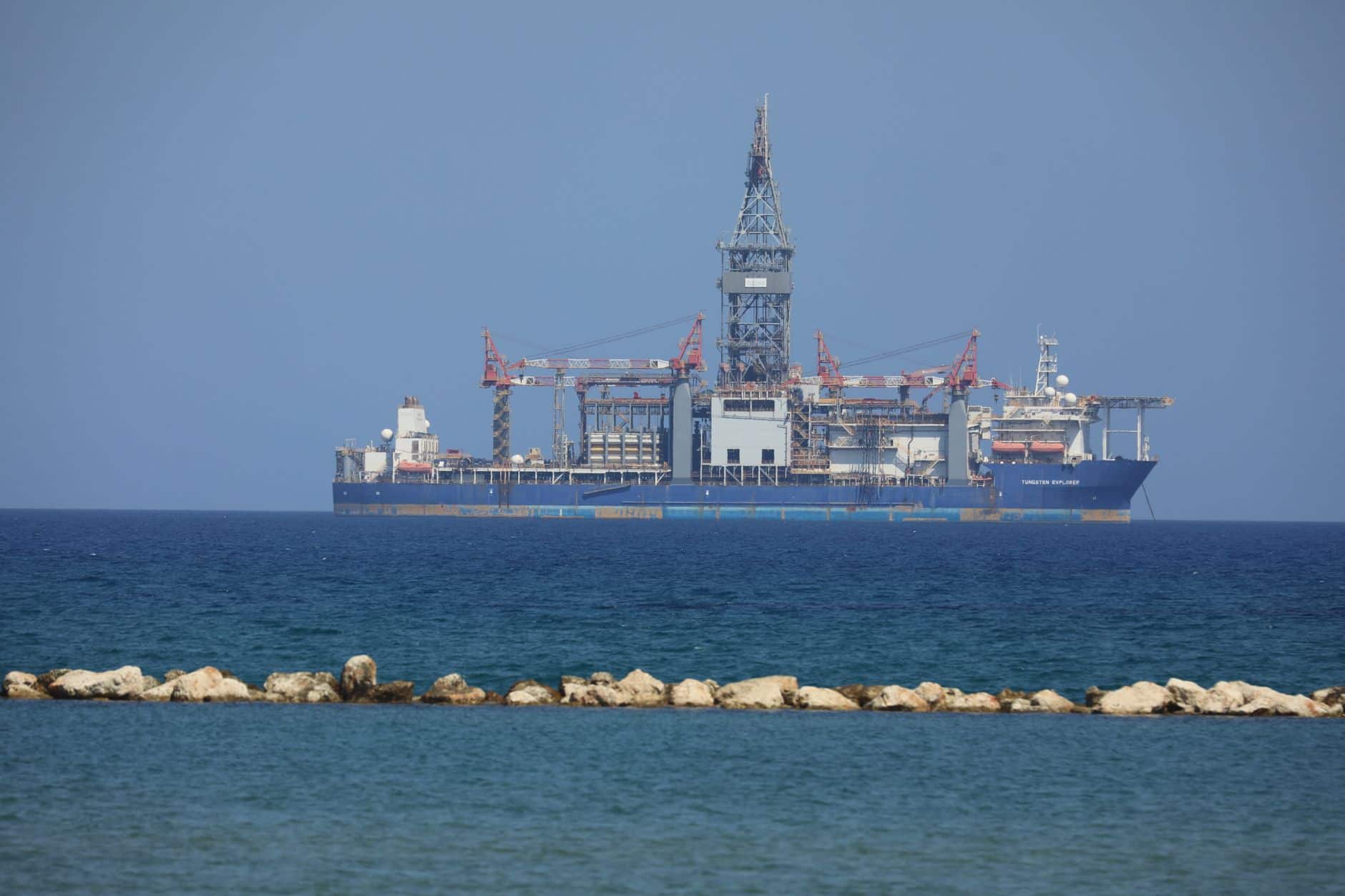
Israel opened five offshore blocks covering nearly 6,000 km² for natural‑gas exploration, a move that adds a modest gas supply to support the country’s solar‑PV expansion.
NJ Approves Plug‑In Solar Up to 1.2 kW
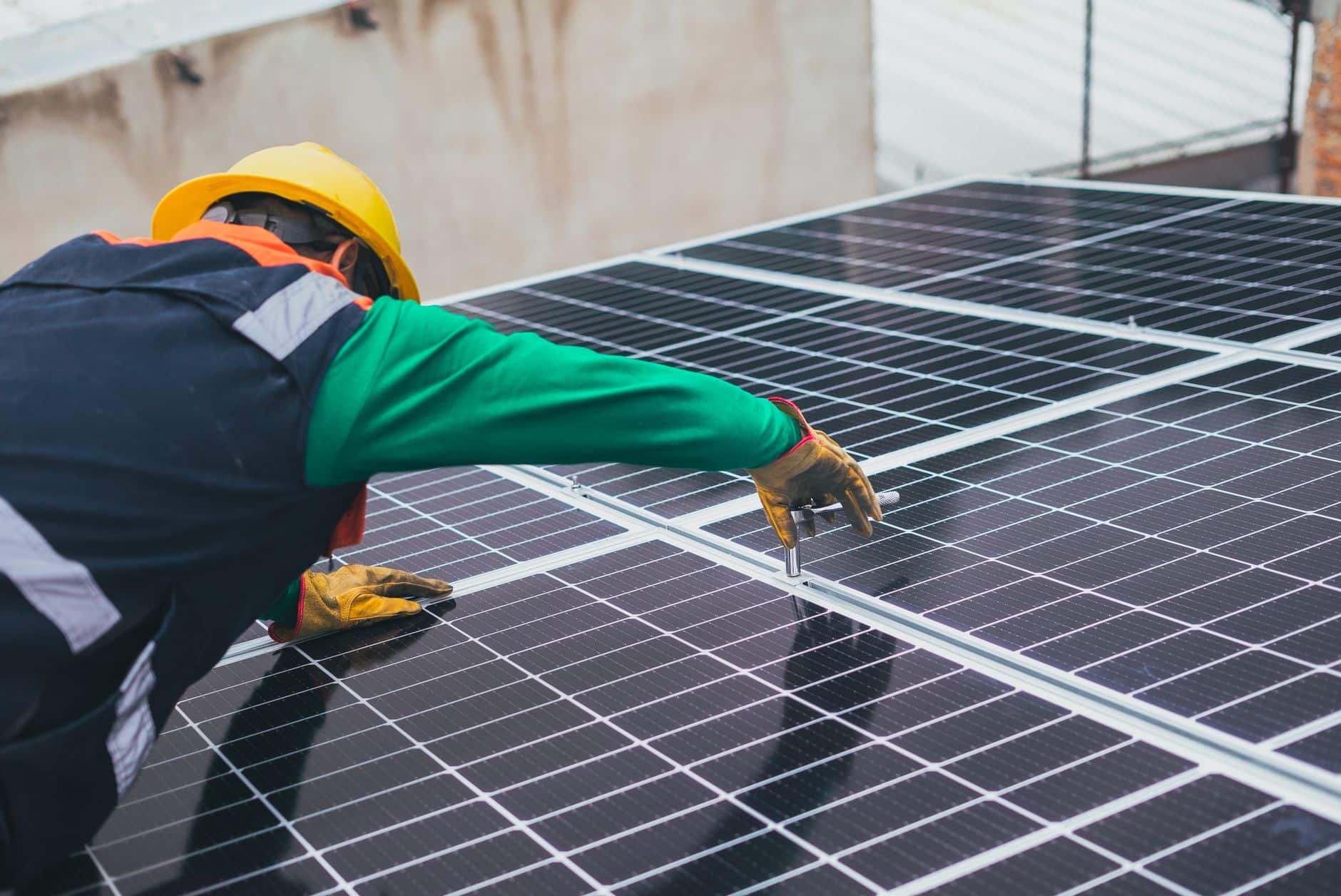
New Jersey became the tenth state to allow plug‑in solar panels up to 1.2 kW without permits, opening the door for instant rooftop power.
China's PV Standards Target Overcapacity
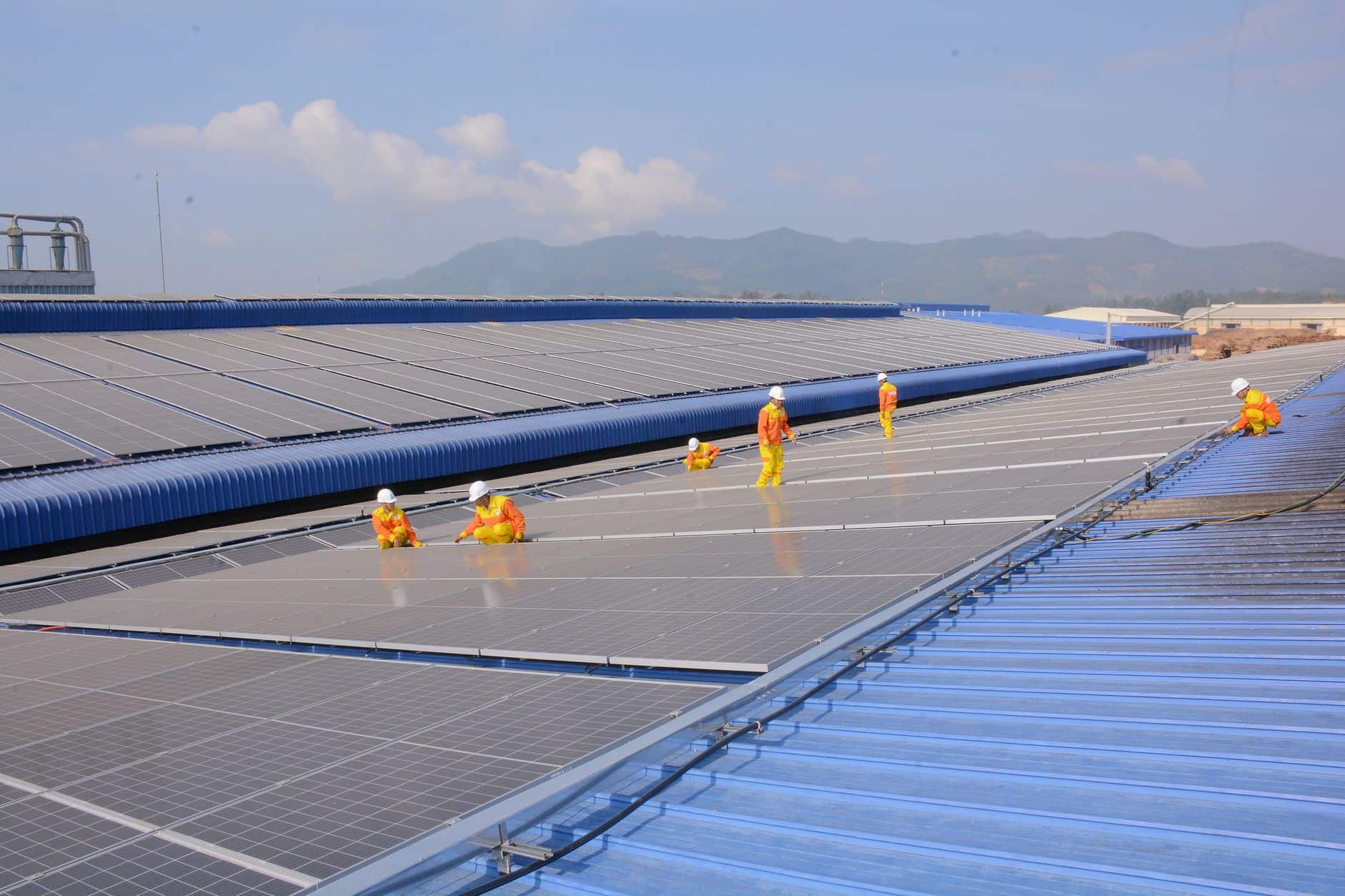
China’s new mandatory PV standards, effective Jan 1 2027, set energy‑use caps and minimum efficiency grades for polysilicon, silicon wafers, modules and inverters, aiming to curb overcapacity and push the industry toward higher‑efficiency products.
Israel Aims 70% Renewable Transport by 2050
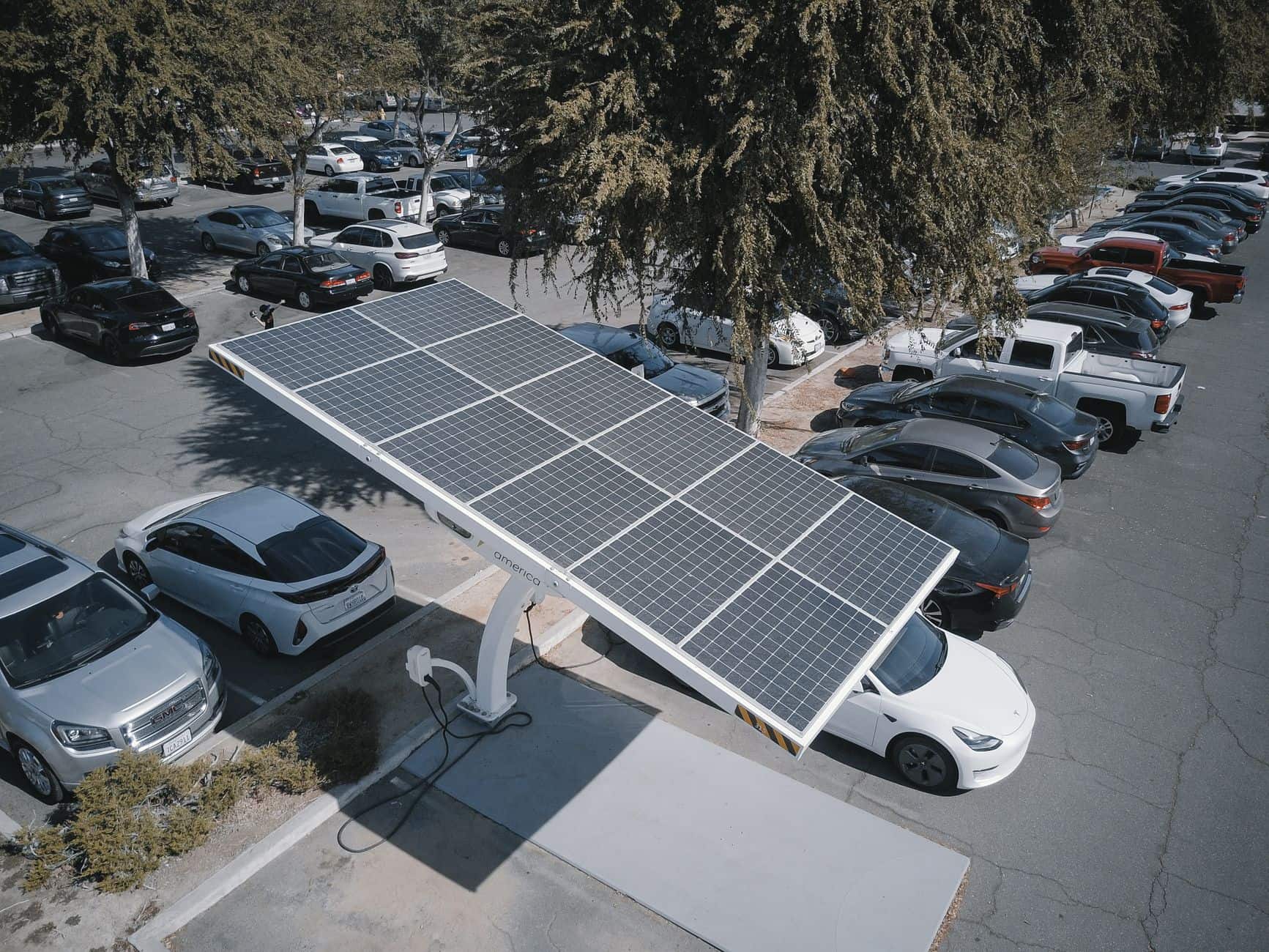
Israel has set a 70 % renewable‑energy target for its transport sector by 2050, backed by rapid EV growth, expanding fast‑charging networks, and a push for rooftop solar to power home‑charging.

Israel's New Plan to Fast‑Track Rooftop Solar
Israel’s Energy Ministry plans to cut permitting delays and mandate solar‑ready roofs on all new buildings, targeting roughly 3.5 GW of rooftop PV by 2030 and shortening payback periods for homeowners.