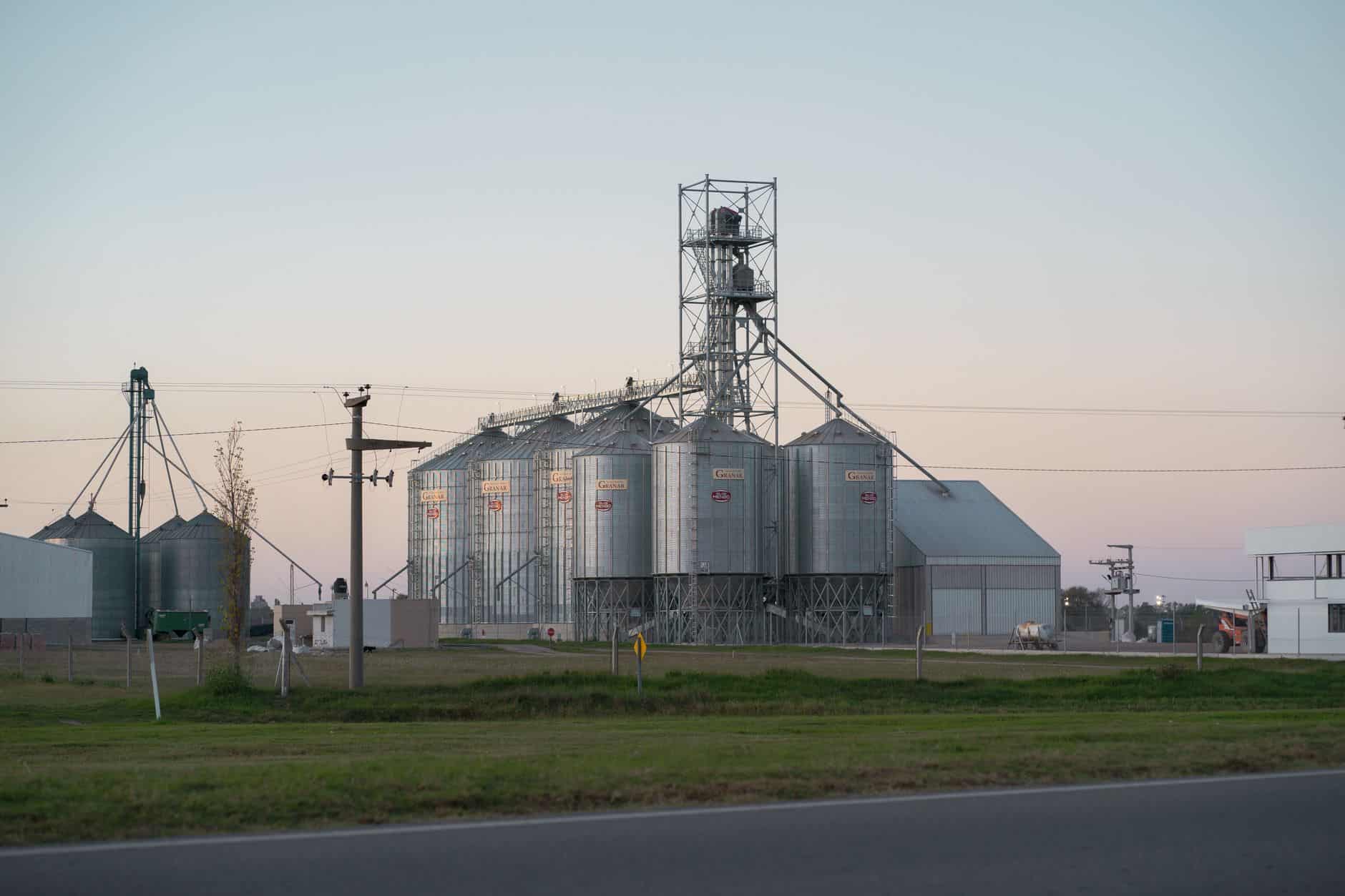
Argentina Grants 700 MW Battery Storage Boost
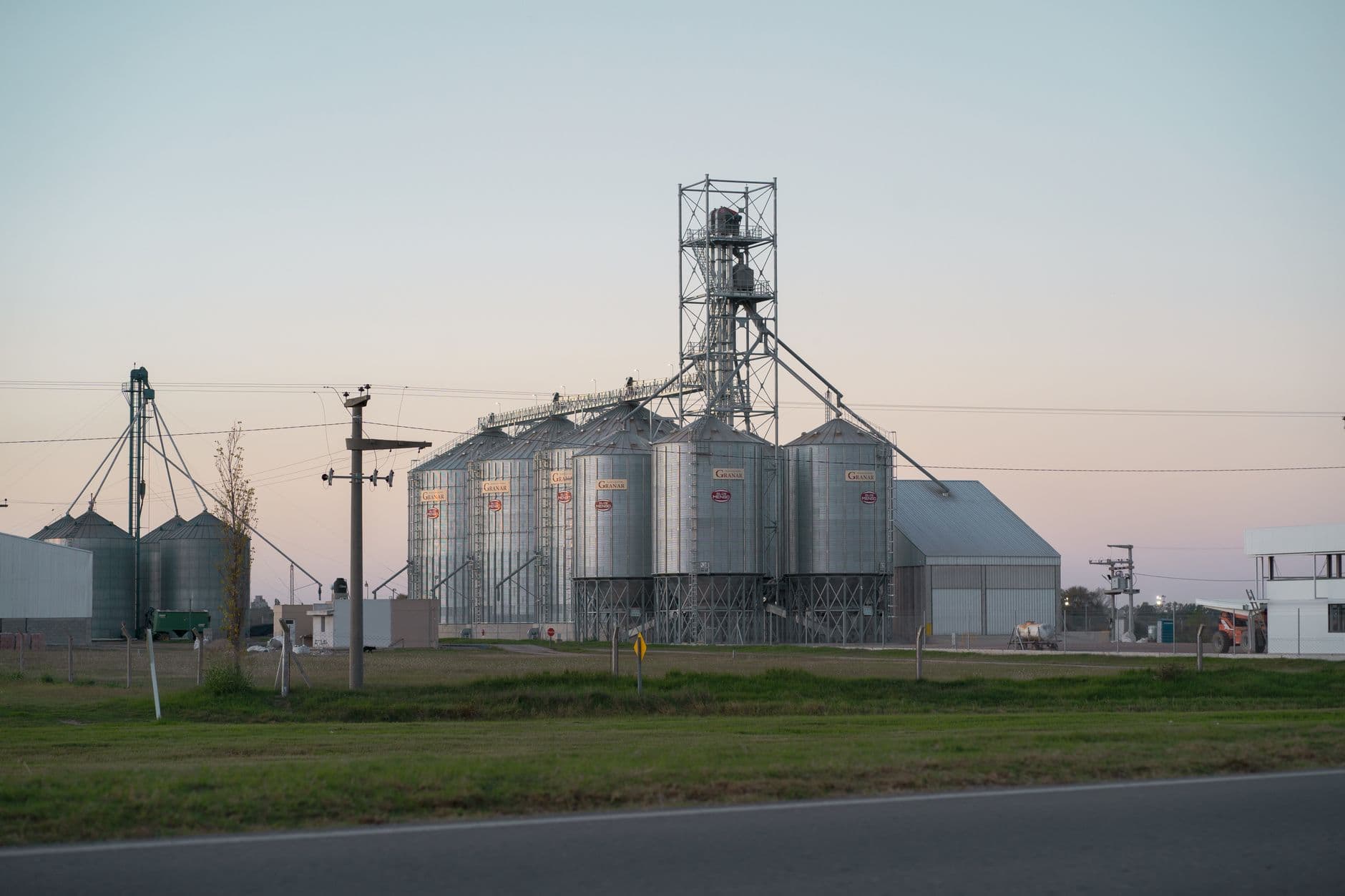
Argentina awarded 700.5 MW of battery storage in a $700 million tender
Argentina’s Energy Secretariat officially granted 20 battery‑energy‑storage system (BESS) projects totaling 700.5 MW to five developers, with an estimated investment of US$700 million. The award was confirmed by Resolution 155/2026 and covers critical nodes of the Argentine Interconnection System (SADI) outside the Buenos Aires metro area.
The projects are split among Genneia (7 projects), DQD Energy (8), 360 Energy Solar (3), Aluar (1) and Intermepro (1) and are spread across seven regions – Buenos Aires province (185 MW), Northwest (150 MW), Chaco‑Formosa (161.5 MW), Misiones‑Corrientes (50 MW), Entre Ríos (50 MW), Santa Fe (36 MW) and the Pampa (68 MW) (https://www.pv-magazine.com/2026/05/28/la-licitacion-de-almacenamiento-de-argentina-recibe-235-ofertas-por-mas-de-8-300-mw/).
The tender drew 11‑times more capacity than the 700 MW target
CAMMESA, Argentina’s wholesale market operator, received 235 technical bids totalling 8,338 MW, more than 11 × the requested amount. After a technical screening that qualified 232 bids, financial proposals were opened on 24 June, leading to the final award. The massive oversubscription signals strong private‑sector confidence in Argentina’s grid‑flexibility market and the attractiveness of BESS revenues under the country’s regulatory framework (https://www.ess-news.com/2026/06/18/argentina-advances-232-battery-bids-in-almasadi-tender/).
Winners submitted the lowest weighted‑average bid price of US$10,568 per MW‑month
The five selected developers secured the contract with a weighted‑average bid price of US$10,568 per MW‑month. Multiplying by 12 gives roughly US$126,800 per MW‑year, a benchmark that analysts say reflects the current cost of providing fast‑response, dispatchable capacity in Argentina (https://www.bnamericas.com/en/news/genneia-dqd-energy-big-winners-in-argentinas-700mw-almasadi-auction).
Investment per megawatt comes to about US$1 million, underscoring the scale of the program
Dividing the total US$700 million budget by the awarded 700.5 MW yields an average investment of roughly US$1 million per MW of storage. This figure is useful for benchmarking against other large‑scale storage programmes worldwide and shows that Argentina is committing capital comparable to the cost of utility‑scale lithium‑ion projects in Europe and the U.S. (https://energy-analytics-institute.org/2026/07/06/argentina-awards-almasadi-tender-for-battery-storage-plants/).
The award builds on Argentina’s earlier AlmaGBA tender and a national storage roadmap
AlmaSADI follows the 2024‑2025 AlmaGBA tender, which awarded 713 MW of battery storage inside the Buenos Aires metropolitan area – already exceeding its 500 MW goal. Both tenders are part of a government programme launched in 2024 to relieve transmission bottlenecks, improve operating reserves and reduce outage risk across the SADI network (https://www.pv-magazine.com/2026/05/28/la-licitacion-de-almacenamiento-de-argentina-recibe-235-ofertas-por-mas-de-8-300-mw/).
What it means for Israel’s solar‑plus‑storage market
Israel is rapidly adding battery storage to complement its booming rooftop‑solar sector. Using the typical Israeli residential tariff of ₪0.48 /kWh and a 10 kWp home system that yields about 17,000 kWh / year (≈₪8,160 of annual revenue), adding storage can increase the value of that generation by shifting energy to higher‑price periods. With a typical installation cost of ₪3,150 /kWp for solar and the Argentine benchmark of roughly US$1 million per MW for utility‑scale storage, such projects can offer attractive payback periods, aligning with the economics observed in Israeli storage deployments.
For Israeli investors, Argentina’s tender demonstrates that large‑scale, fast‑response BESS can be procured at a cost that is competitive with domestic projects, supporting the country’s push toward its 30 % renewable electricity target by 2030.
Outlook: scaling storage to match renewable growth
With Argentina now securing 700 MW of battery capacity outside its capital, the country is poised to integrate more intermittent solar and wind generation while curbing blackouts. The tender’s success may encourage other Latin‑American markets to launch comparable programmes. In Israel, the combination of affordable rooftop solar (≈₪3,150 /kWp) and increasingly competitive battery costs could accelerate the transition to a more resilient, low‑carbon grid, especially as regulators continue to refine incentives for storage‑enabled demand response.
For a deeper dive into Israeli solar ROI, try our solar calculator and explore the latest market data on our data page.
Sources & further reading
- Argentina advances 232 battery bids in AlmaSADI tender - ESS News
- Saudi Arabia opens tender for 12 GWh of battery storage projects
- Genneia, DQD Energy big winners in Argentina's 700MW AlmaSADI...
- Argentina awards AlmaSADI tender for battery storage plants
- Argentina storage tender attracts 235 bids totaling over 8.300 MW
FAQ
How much battery capacity did Argentina award in the AlmaSADI tender?
A total of **700.5 MW** was awarded across 20 projects.
What was the total investment announced for the awarded storage projects?
The government estimates the investment at **US$700 million**.
Which companies won the AlmaSADI contracts?
Genneia (7 projects), DQD Energy (8), 360 Energy Solar (3), Aluar (1) and Intermepro (1).
How many bids were submitted and how did they compare to the target?
CAMMESA received **235 technical bids totaling 8,338 MW**, more than **11 ×** the 700 MW target.
What was the weighted‑average bid price?
The average bid was **US$10,568 per MW‑month** (≈US$126,800 per MW‑year).
Why is this tender important for Israel?
It shows that large‑scale battery storage can be procured at about **US$1 million per MW**, a cost comparable to Israeli projects and useful for pairing with rooftop solar to reduce peak‑price electricity bills.
Share this post
More from Storage
6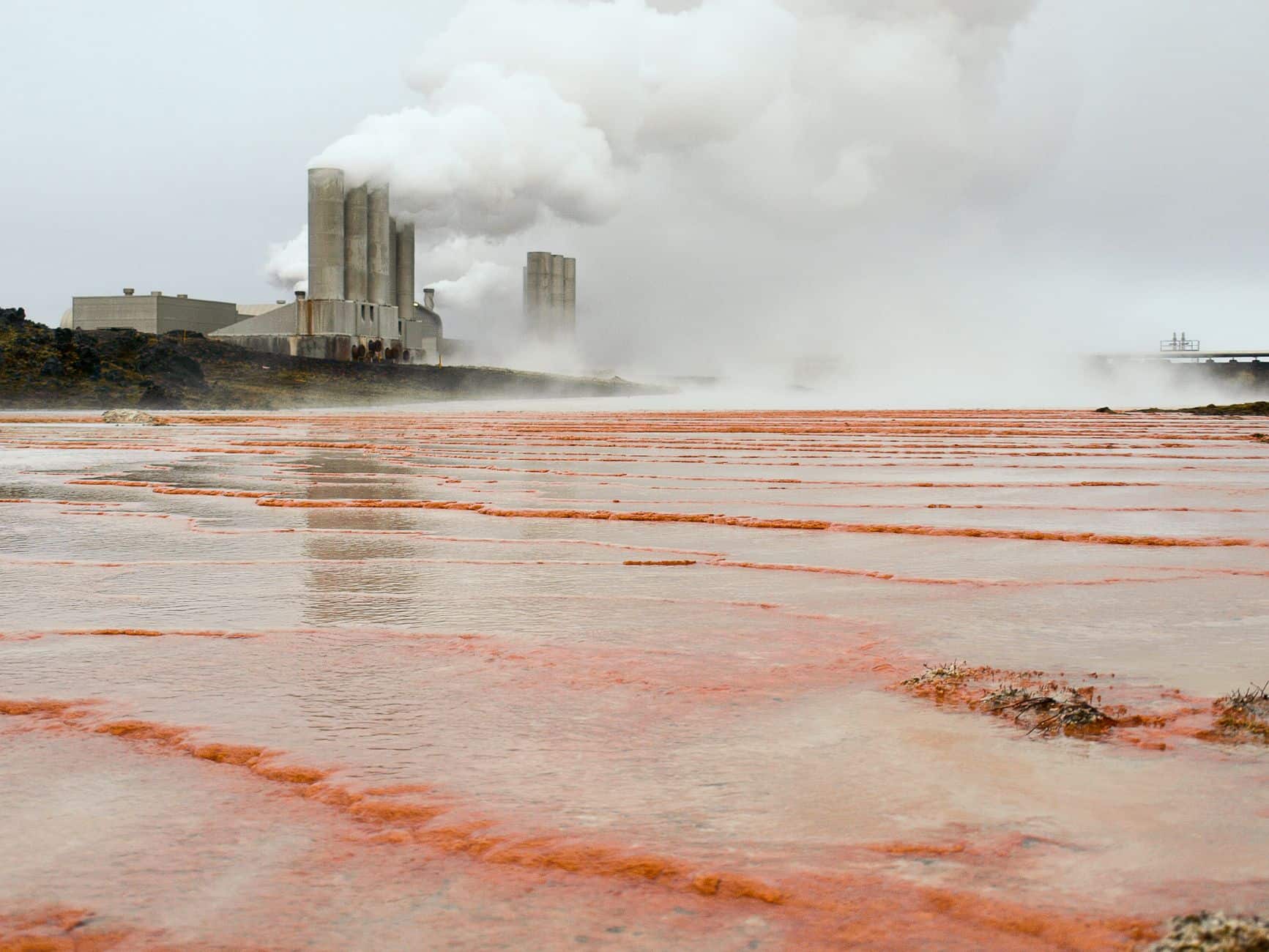
Rock Battery Could Power Israeli Factories
Israel’s new "stone battery" stores excess solar heat in crushed rock and releases it as industrial steam, offering factories a low‑cost, multi‑hour backup that can cut fossil‑fuel use and support the nation’s renewable‑energy targets.
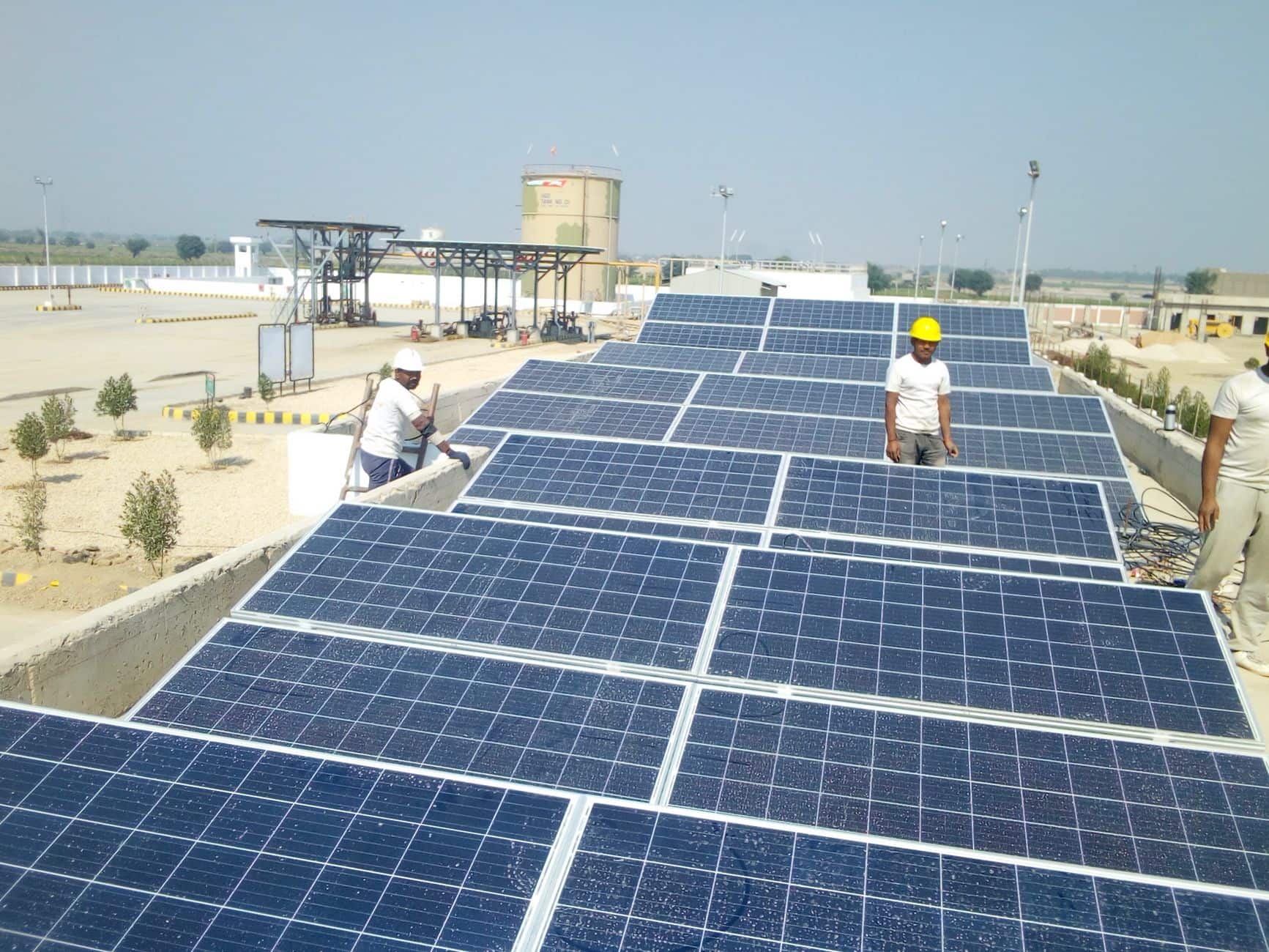
Sodium‑Ion Home Battery Offers 27‑Year Life
Unigrid’s Na+Casa sodium‑ion home battery offers a 10,000‑cycle, 27‑year lifespan, safety advantages over lithium‑ion, and a 9.25 kWh capacity that could save Israeli households about ₪1,600 a year.
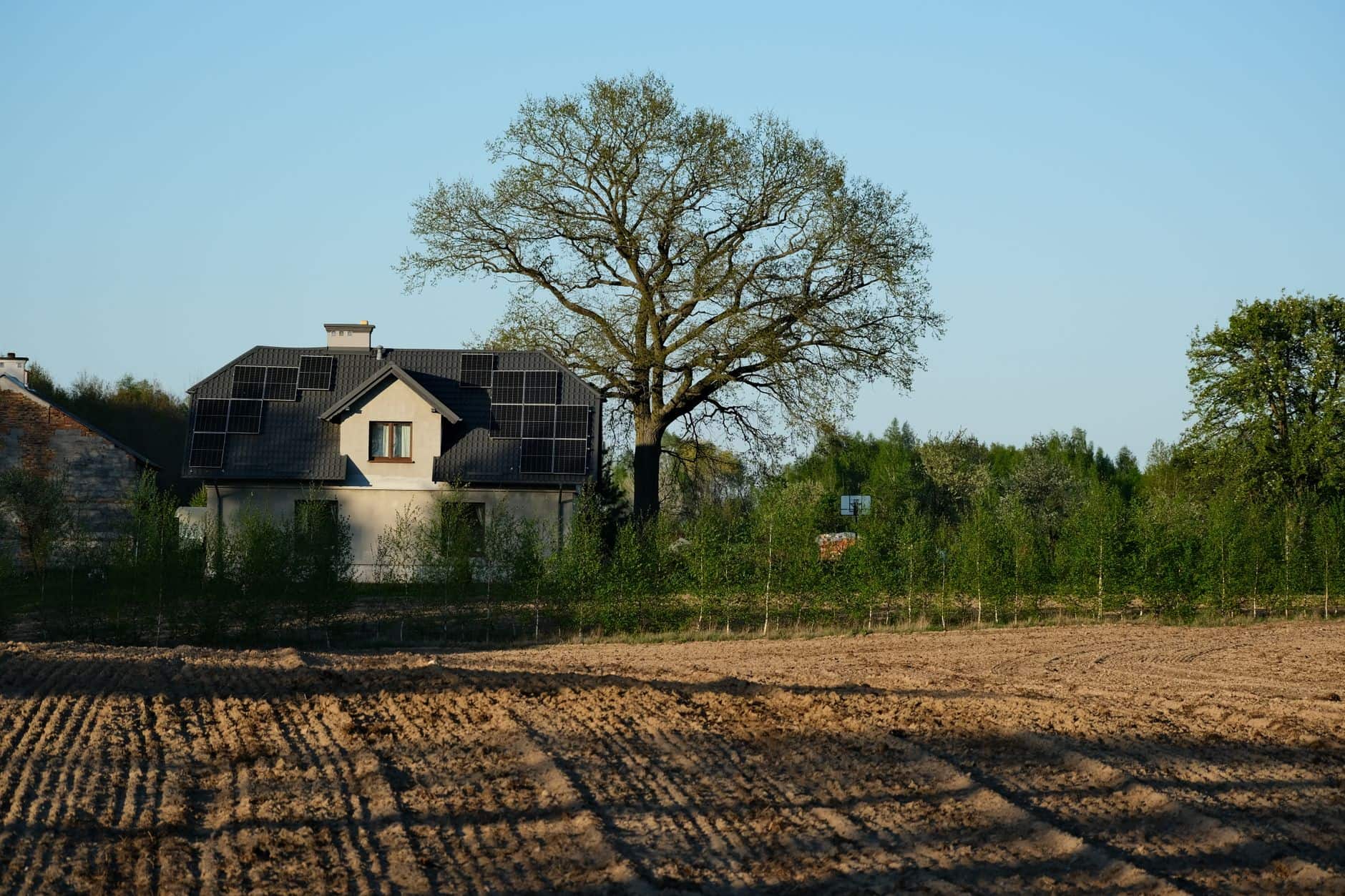
Octopus Nook: Plug‑In Home Battery Arrives
Octopus Energy’s new Nook battery line offers plug‑in storage for renters, with a 2 kWh Cube and a 5 kWh Colossus, launching in the UK in 2027 and expanding across Europe.
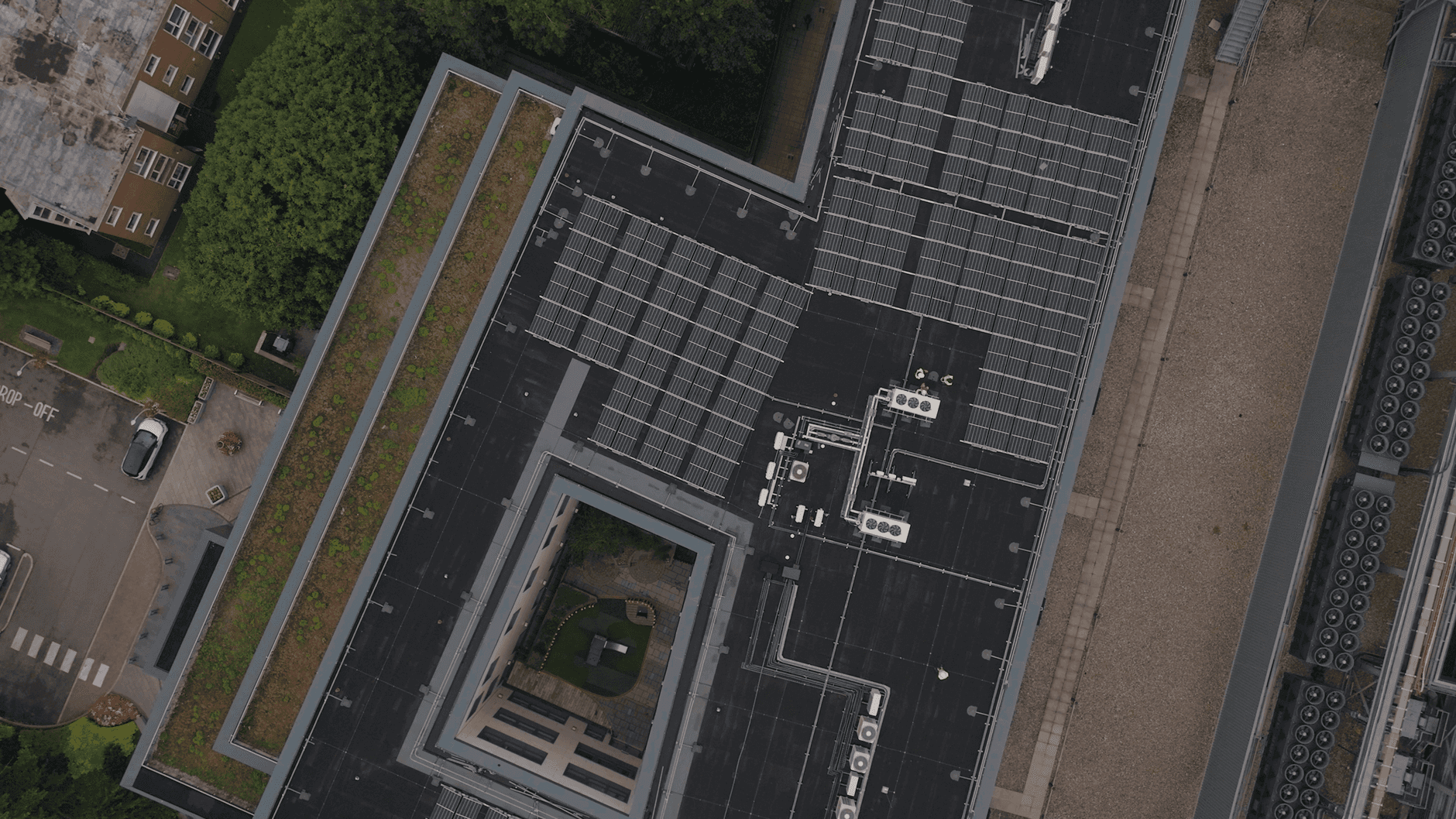
Huawei’s Grid‑Forming Solar Push for Europe
Huawei unveiled a grid‑forming solar‑plus‑storage platform that can replace traditional generators, a move timed for Europe’s target of 64 % renewable electricity by 2030.
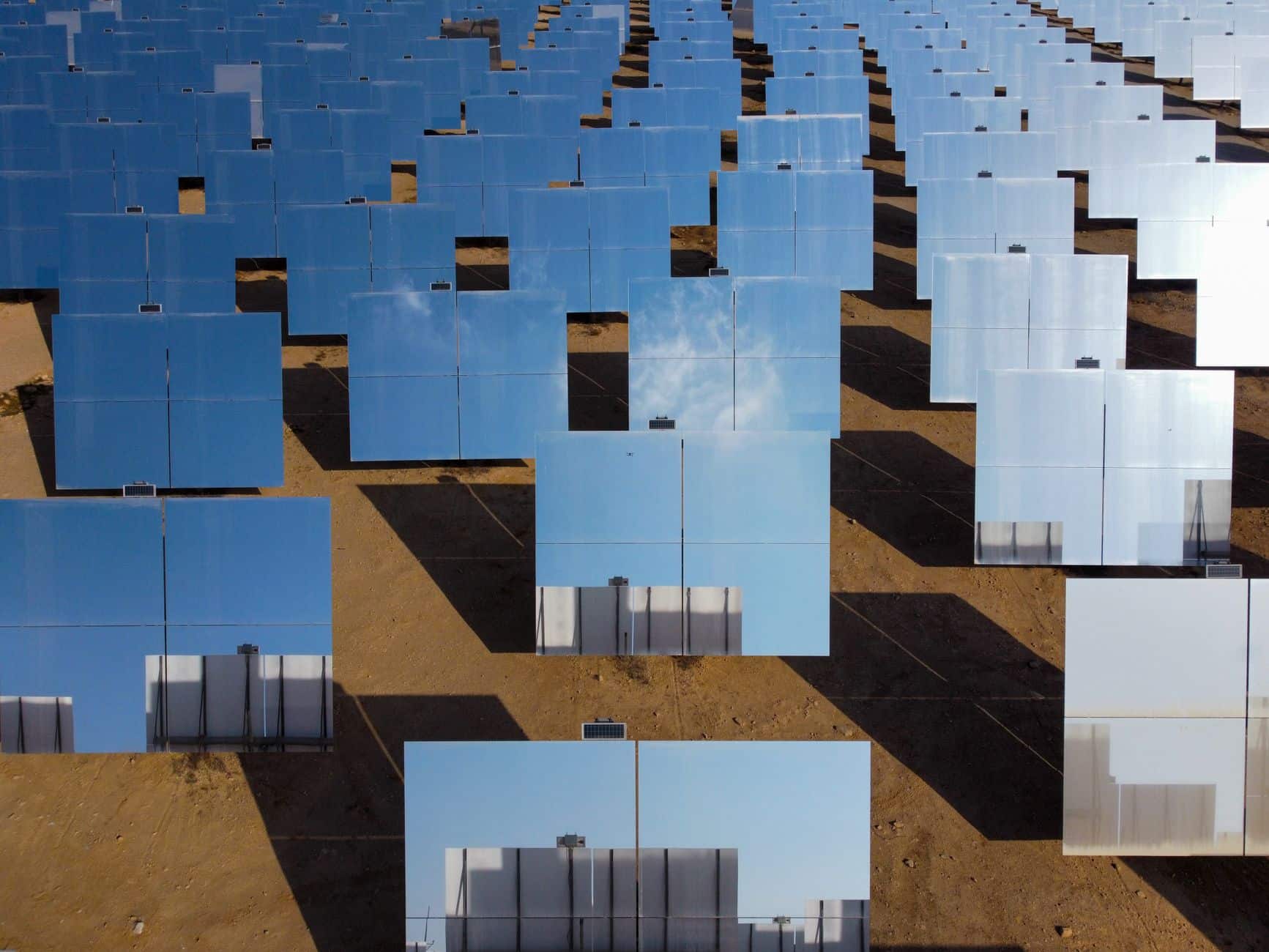
Israel secures 500 MWh solar storage deal
Nofar Energy has signed a power‑supply contract in Israel backed by 500 MWh of battery storage, a move that could add roughly ₪240,000 of value per full discharge and support the country’s renewable energy goals.
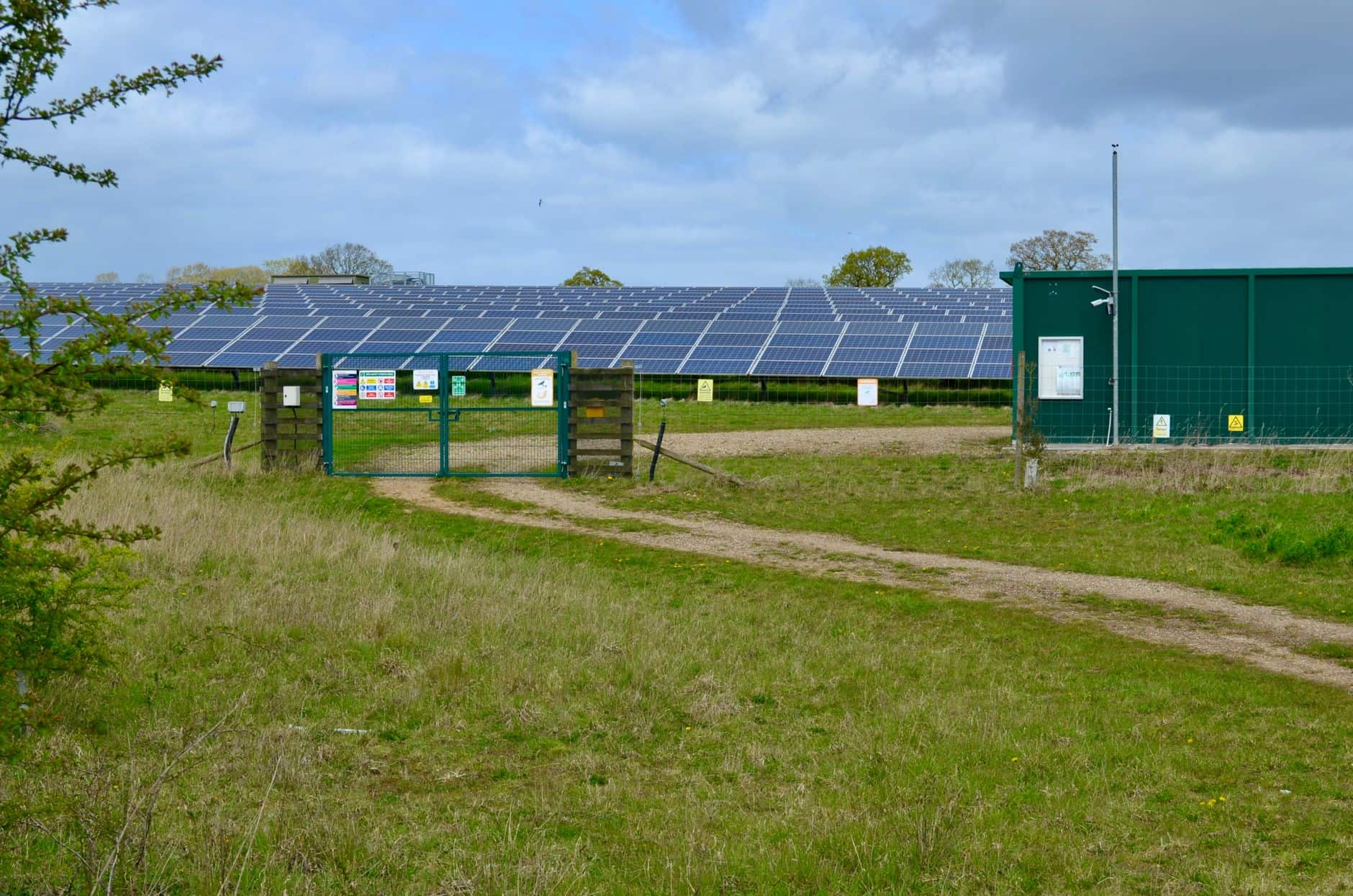
Eight‑Hour LDES Boosts Europe’s Battery Power
HiTHIUM’s ∞Power 6.9 MWh system, the world’s first native eight‑hour LDES, debuted in Europe and could help Israel shift solar power into evening peaks, supporting its 30 % renewable target.