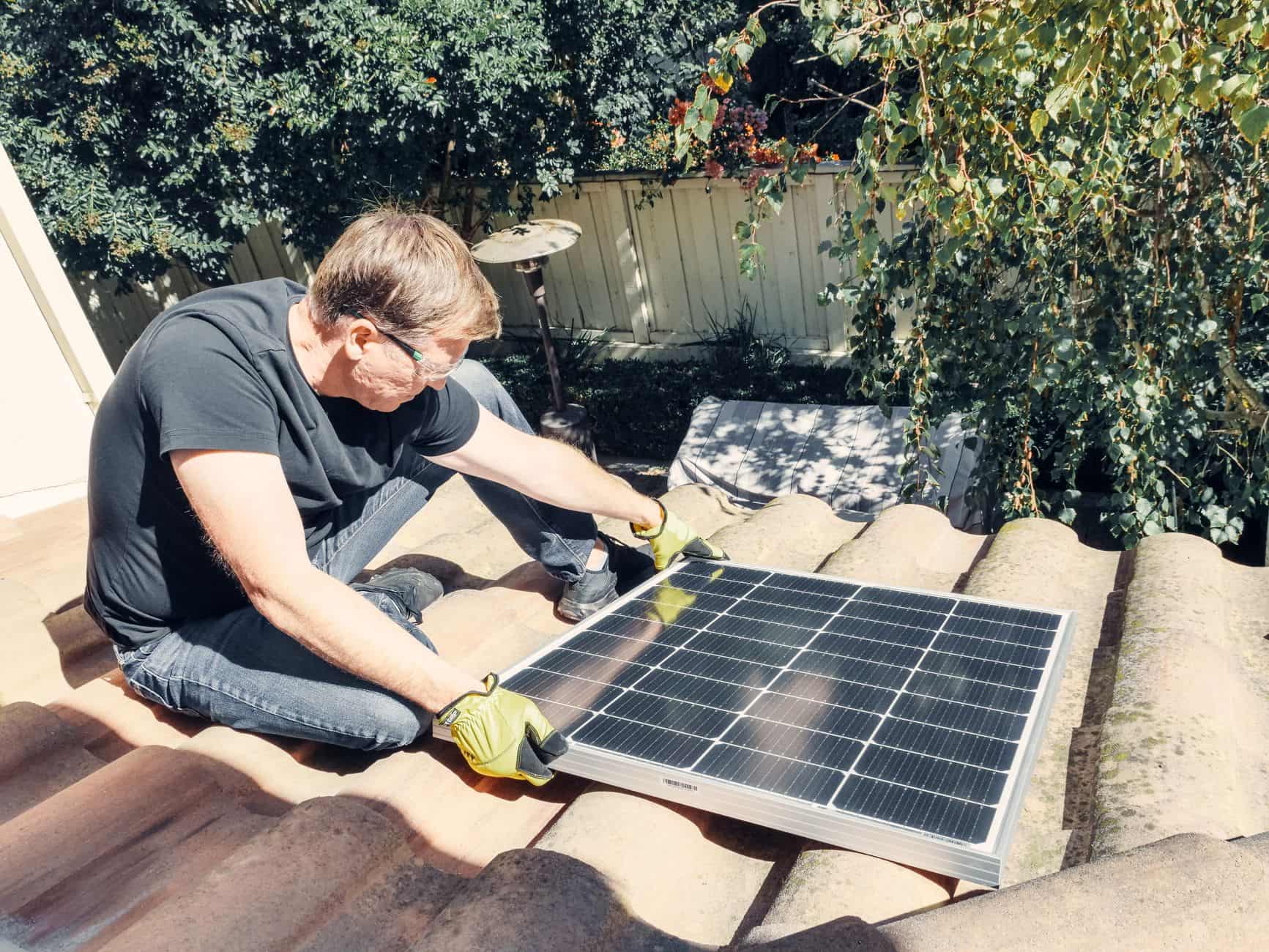
Family Champion Drives Solar Adoption
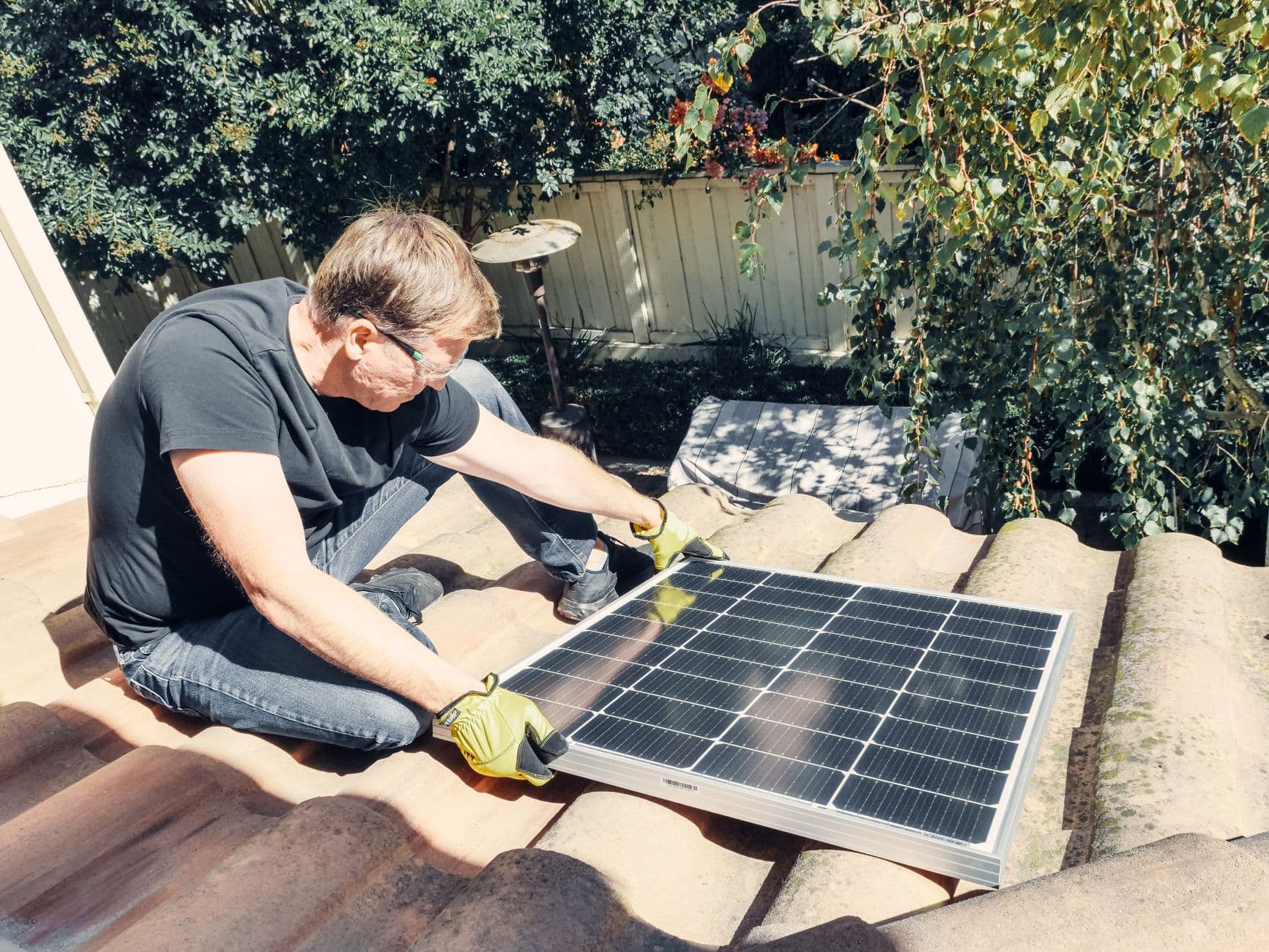
Solar adoption hinges on the family champion
The single biggest predictor of a household actually installing rooftop solar is the presence of a motivated “solar champion” inside the family, according to a new study by Ohio State University and Southern Illinois University. Researchers interviewed 39 couples and surveyed 394 households – including 126 adopters and 268 lost customers – and found that when one family member takes charge of the project, the odds of closing a sale increase markedly. The paper, published in Nature Energy, shows that households act as a decision‑making unit, not as isolated individuals, and that salespeople who identify and back the champion can improve conversion rates.
Disagreement can be a catalyst, not a roadblock
Surprisingly, the study also discovered that higher levels of family disagreement about solar correlate with higher adoption rates. The authors interpret this as a sign of active deliberation – families that talk, argue, and weigh pros and cons are more likely to reach a decision than those that simply ignore the issue. In other words, even negative chatter can move a project forward, as long as it stays constructive.
Timing and external triggers push decisions
Even “in‑sync” couples often need an external catalyst to seal the deal. The researchers listed several common triggers: a shrinking federal tax credit, sharply rising electricity rates, fear of frequent outages, and lack of access to the local utility. In the U.S. the residential solar Investment Tax Credit (ITC) is set to expire at the end of 2025, creating a clear deadline that many families cite as the final push to act.
How installers can support the champion
The authors recommend three practical steps for sales teams:
- Identify the champion early – ask who is gathering information, doing the math, or talking to neighbors.
- Provide tailored tools – give the champion checklists, financing calculators, and easy‑to‑share fact sheets so they can delegate tasks to other family members.
- Facilitate family workshops – organized webinars or on‑site “solar cafés” where the whole household can ask questions, compare financing options, and see real‑world performance data. Such structured dialogue mirrors the study’s suggestion to “encourage constructive dialogue and facilitate coordination among family members”.
What it means for Israel
In Israel, the same family‑centric dynamics apply, and the economics are especially compelling. A typical 10 kWp rooftop system in the central region yields about 17,000 kWh per year (1,700 kWh / kWp × 10 kWp). At the residential feed‑in tariff of ₪0.48 /kWh, that electricity is worth roughly ₪8,160 annually. With a turnkey installation cost of ₪3,150 /kWp, the upfront outlay is about ₪31,500. Simple payback works out to roughly four years, after which the system continues to generate clean power for the remainder of its 25‑year lifetime, avoiding several tonnes of CO₂ each year (0.5 kg / kWh × 17,000 kWh). Homeowners can explore these numbers in our free solar ROI calculator and compare regional yields on our market data page.
Looking ahead: scaling family‑focused sales
As the U.S. ITC phases out and electricity rates keep climbing, the pressure to act will intensify worldwide. Installers that embed family‑champion support into their sales process – from early identification to collaborative workshops – will be well positioned to capture a larger share of the growing residential market. In Israel, where the government targets 30 % renewable electricity by 2030, leveraging household dynamics could be a key piece of meeting that ambition.
Key takeaways
- A family “solar champion” is a strong predictor of adoption.
- Constructive disagreement can signal active deliberation and is linked to higher adoption.
- External catalysts such as tax‑credit deadlines and rate hikes often accelerate decisions.
- Israeli homeowners can see payback in roughly four years on a typical 10 kWp system and avoid several tonnes of CO₂ annually.
- Providing tools and family‑focused workshops aligns with research recommendations and can help close more deals.
Sources & further reading
- What every household debating rooftop solar needs: a champion
- Family dynamics are a missing piece in understanding residential...
- Saving money is the biggest driver of residential solar adoption
- What every household debating rooftop solar needs: a champion
- Impacts of non-residential solar on residential adoption decisions
FAQ
What is a solar champion?
A solar champion is the family member who gathers information, runs the numbers and leads the conversation about installing rooftop solar.
Does family disagreement hurt solar sales?
No – the study found that more disagreement actually predicts higher adoption, because it shows the family is actively deliberating.
Why does timing matter for solar purchases?
External triggers like a shrinking tax credit, rising electricity rates, or fear of outages create urgency that pushes families from discussion to purchase.
How can installers help the champion?
Identify the champion early, give them easy‑to‑share tools and calculators, and host family workshops that answer everyone’s questions.
What’s the payback for a typical Israeli home system?
A 10 kWp system costs about ₪31,500 and saves roughly ₪8,160 per year, delivering a payback of just under four years.
Will family‑focused sales work after the U.S. tax credit ends?
Yes – as incentives disappear, the financial upside becomes clearer, and families that have a champion will act faster.
Share this post
More from Residential
6
Zero‑Bill Homes Promise Free Power in 10 Years
Octopus Energy’s French "Zero Bills Homes" pilot will let 100 families pay nothing for electricity over ten years by combining solar panels, heat pumps, batteries and smart aggregation.
Irish Solar Calculator Shows Real Savings
AirPV’s free calculator shows Irish homeowners how much a solar‑plus‑battery system can save, highlighting the impact of inverter clipping and export tariffs.
Home Solar Becomes Israel’s Energy Lifeline
The Israel‑Iran conflict has highlighted rooftop solar as a security priority, with a typical 10 kWp home system paying for itself in under four years and helping the country meet its renewable targets.
How to Decide if Solar Panels Are Right for Your Roof
Thinking about going solar? Before you call an installer, work through these roof, usage and financial checks to know whether panels are a smart fit for your home.
Is Your Roof Ready for Solar? Quick Checklist
A roof is solar‑ready if it faces south, stays mostly unshaded, can support the panel weight, and has sufficient clear area – then a typical 5 kW system in Israel pays for itself in under four years.
How to Pick the Right Solar Installer
Hire a certified installer with transparent pricing and solid warranties; a typical 10 kWp home system in Israel pays for itself in under four years.