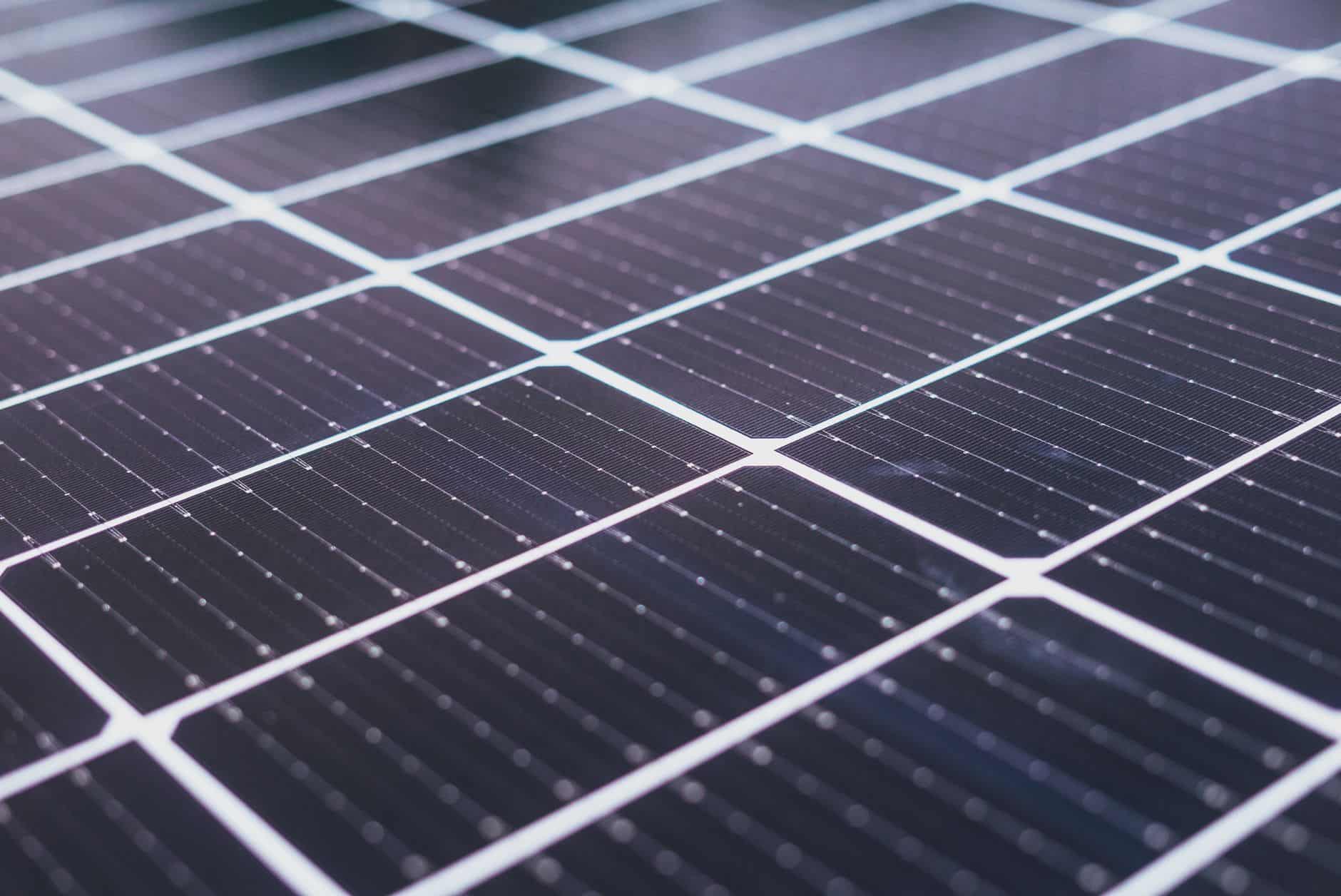
30%‑Plus Tandem Cell Breaks Efficiency Record
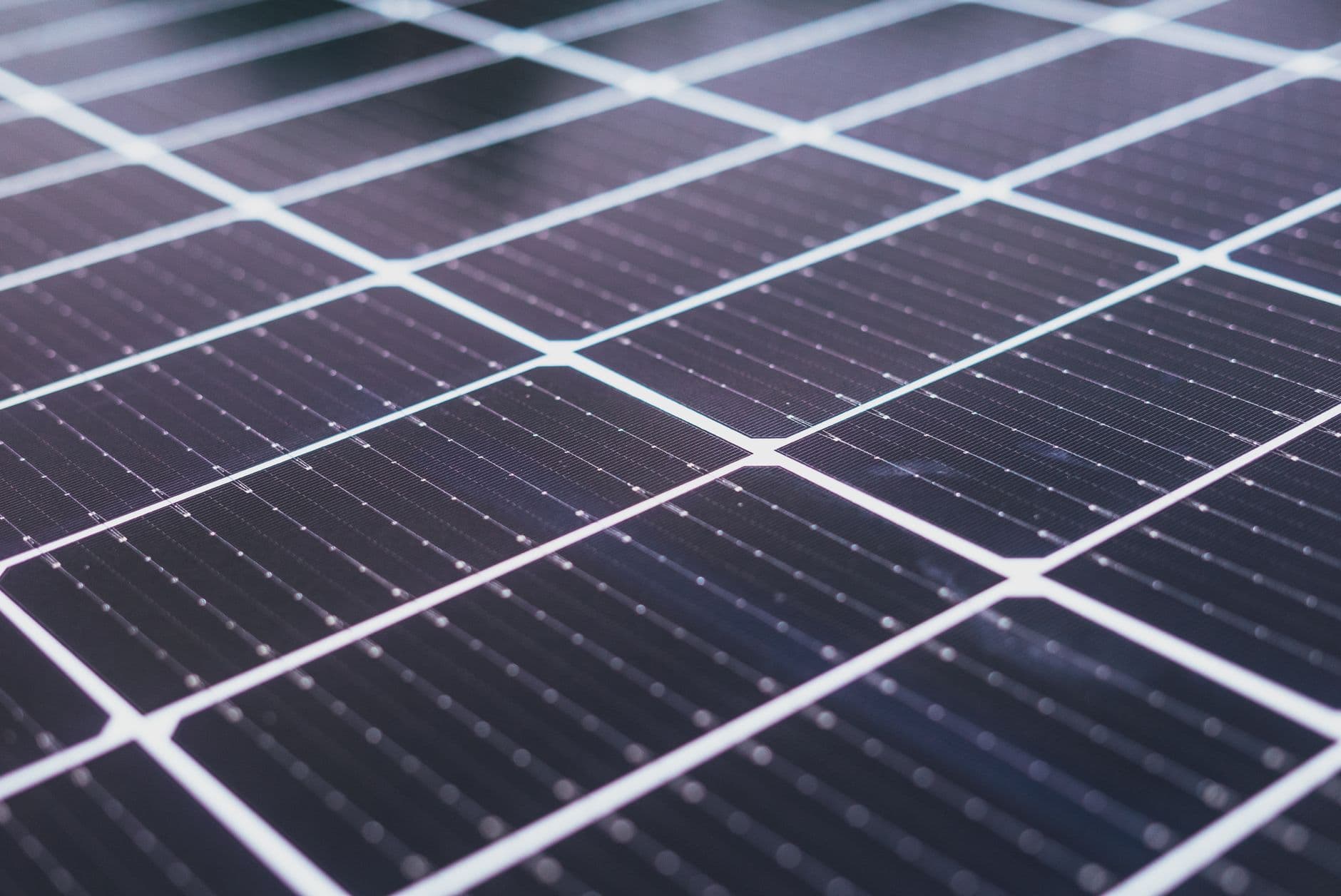
Record 30.2% Efficiency Confirmed
The University of Sydney team has demonstrated a two‑terminal perovskite‑silicon tandem solar cell that converts 30.2 % of sunlight into electricity – one of the highest certified efficiencies for a 10 cm² monolithic device. The result was independently verified by CSIRO’s PV Performance Lab, confirming the breakthrough beyond the single‑junction silicon limit of ~29.4 %.
Why Size Matters and How the Cell Works
Scaling perovskite layers from 1 cm² to 10 cm² required a uniform hole‑selective layer, which the researchers engineered to enable reproducible solution‑processed perovskite deposition across a larger area. The bottom junction is a heterojunction silicon cell, while the top perovskite absorber captures high‑energy photons, allowing the two sub‑cells to operate near their optimal voltage‑current points. This architecture delivers the combined voltage needed for a 2‑terminal (2T) monolithic stack, eliminating the need for separate wiring.
Global Race to 30%‑Plus Tandems
Sydney’s achievement puts the team among a handful of groups that have reported >30 % efficiencies on larger‑area tandems, including Longi, JA Solar, Trina Solar (with NUS), and a consortium led by Suzhou Maxwell and the University of Oxford. Earlier this year, a 1 cm² perovskite‑silicon tandem reached 30 % efficiency and was certified by the U.S. National Renewable Energy Laboratory (NREL) Science Daily. Other coverage has highlighted similar progress, emphasizing that the 30 % threshold is now seen as a realistic commercial target Renewable Energy World.
What This Means for Israel’s Solar Future
Israel’s rooftop market typically installs ~10 kWp residential systems that, with conventional silicon panels (~20 % efficiency), generate about 17 000 kWh per year in the central region (≈1700 kWh/kWp·yr). A higher‑efficiency tandem module could increase that production proportionally, potentially adding a substantial amount of energy each year. At the residential feed‑in tariff of ₪0.48 /kWh, the extra generation would raise revenue and could shorten the simple payback period compared with current silicon‑based installations. The higher efficiency also reduces the roof area needed for the same output, easing structural constraints on older buildings.
Outlook and Next Steps
The Sydney team says the breakthrough “provides a good foundation for further area scaling of perovskite layer for improved electrical performance and stability.” The next milestones are to push cell areas beyond 10 cm², demonstrate long‑term (>1 year) stability, and integrate the tandems into commercial modules. If those hurdles are cleared, Israeli installers could soon offer higher‑output panels that lower balance‑of‑system costs and help the country move toward its 30 % renewable electricity target for 2030.
Key take‑aways
- 30.2 % certified efficiency on a 10 cm² perovskite‑silicon tandem (among the highest for that size).
- Uniform hole‑selective layer solved the scaling challenge for solution‑processed perovskite.
- The result puts Australia among a select global group achieving >30 % on larger‑area tandems.
- A typical Israeli 10 kWp home system yields about 17 000 kWh/yr; higher‑efficiency tandems could raise that output and improve payback.
- Commercial rollout will depend on durability testing and module‑scale manufacturing.
For a quick estimate of your own rooftop’s ROI, try our solar ROI calculator. Up‑to‑date market data are available on our solar data page.
FAQ
What is a perovskite‑silicon tandem solar cell?
It stacks a thin perovskite layer on top of a silicon cell, letting each material absorb different parts of the solar spectrum for higher overall efficiency.
Why is 30 % efficiency important?
30 % surpasses the theoretical limit for single‑junction silicon (~29.4 %) and opens the door to cheaper, smaller solar installations.
How does this affect rooftop solar in Israel?
Higher‑efficiency panels mean more electricity from the same roof area and a faster return on the typical ₪3 150/kWp investment.
When will tandem panels be available commercially?
Manufacturers are targeting the next 2–3 years, pending long‑term stability tests and scaling of the production line.
Which other companies have reached 30 %+ efficiencies?
Longi, JA Solar, Trina Solar (with NUS), and a consortium led by Suzhou Maxwell and the University of Oxford have all reported similar results.
Share this post
More from Research
6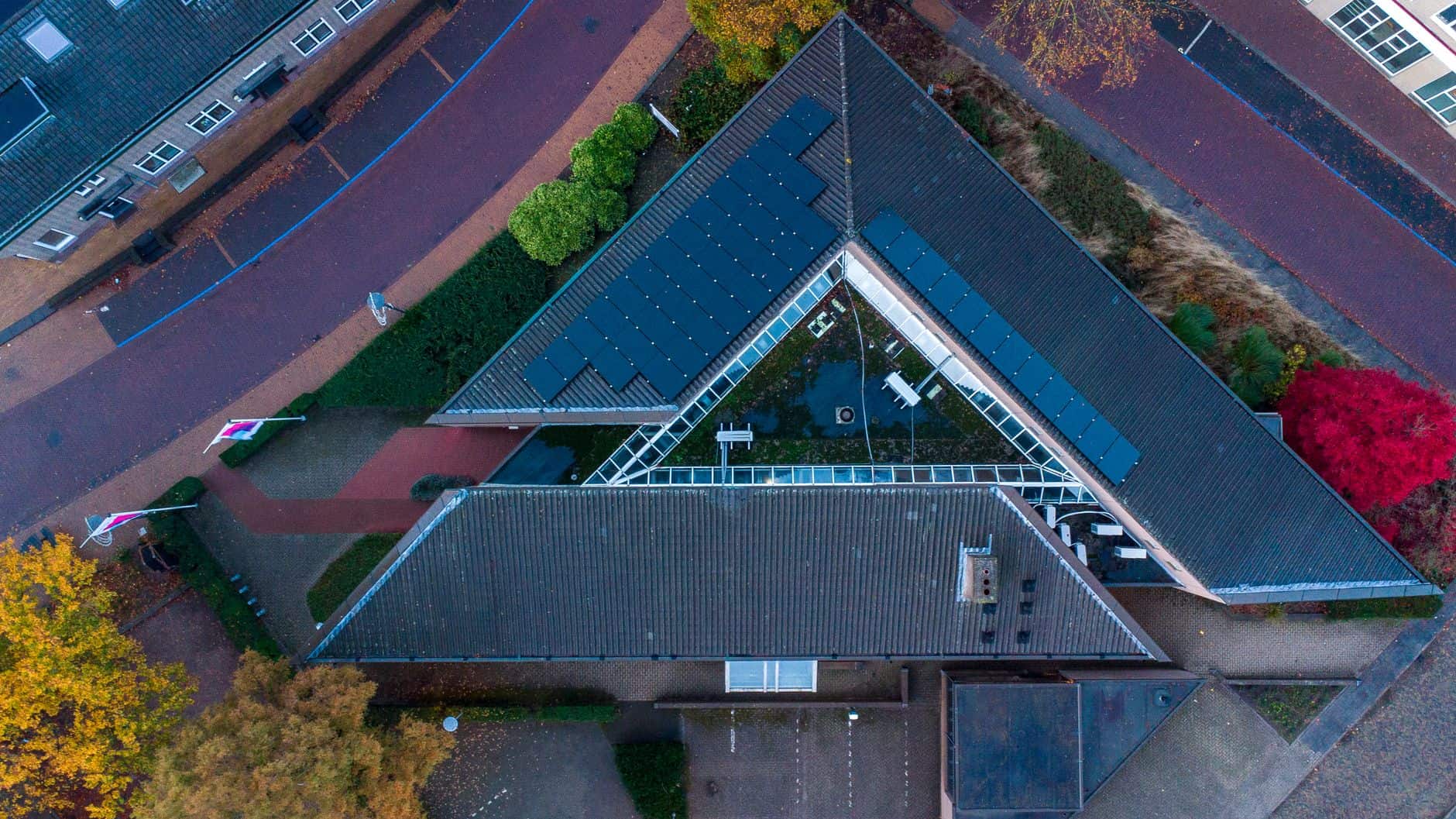
AI Diffusion Model Unveils Hidden Rooftop Solar
A new AI diffusion model (cDDPM) can reconstruct hidden rooftop solar output from 30‑minute smart‑meter data, giving DSOs accurate PV profiles with quantified uncertainty.
New PV LCI Shows Solar Carbon Cut
The IEA‑PVPS 2026 Life‑Cycle Inventory, based on 83 factory assessments, shows a 6 % drop in CO₂ emissions per watt thanks to silicon recycling, thinner wafers and new bottom‑up simulations.

Groove Glass Slashes Facade PV Reflection
A new periodic‑groove glass reduces façade PV reflectance to under 2.4 % at 60° and boosts light capture by up to 73 % at 89°, offering faster payback and higher yields for Israeli solar projects.
Catalyst Boosts Israel’s Green Hydrogen
RMIT University’s upgraded TiO₂ nanosphere catalyst lifts lab‑scale green hydrogen output by more than 80 times, offering a low‑cost route to cheaper clean hydrogen.

Record 35.5% Tandem Cell Pushes Solar Limits
Longi set a new world record of 35.5 % efficiency for a perovskite‑silicon tandem solar cell, certified by ESTI, marking the highest lab efficiency ever achieved.

Passive Mooring Cuts FPV Motion by 70%
A counterweight‑and‑pulley mooring cuts floating‑PV surge by 71.7% and sway by 65.6% while tracking water‑level changes passively, promising cheaper, more stable FPV farms.