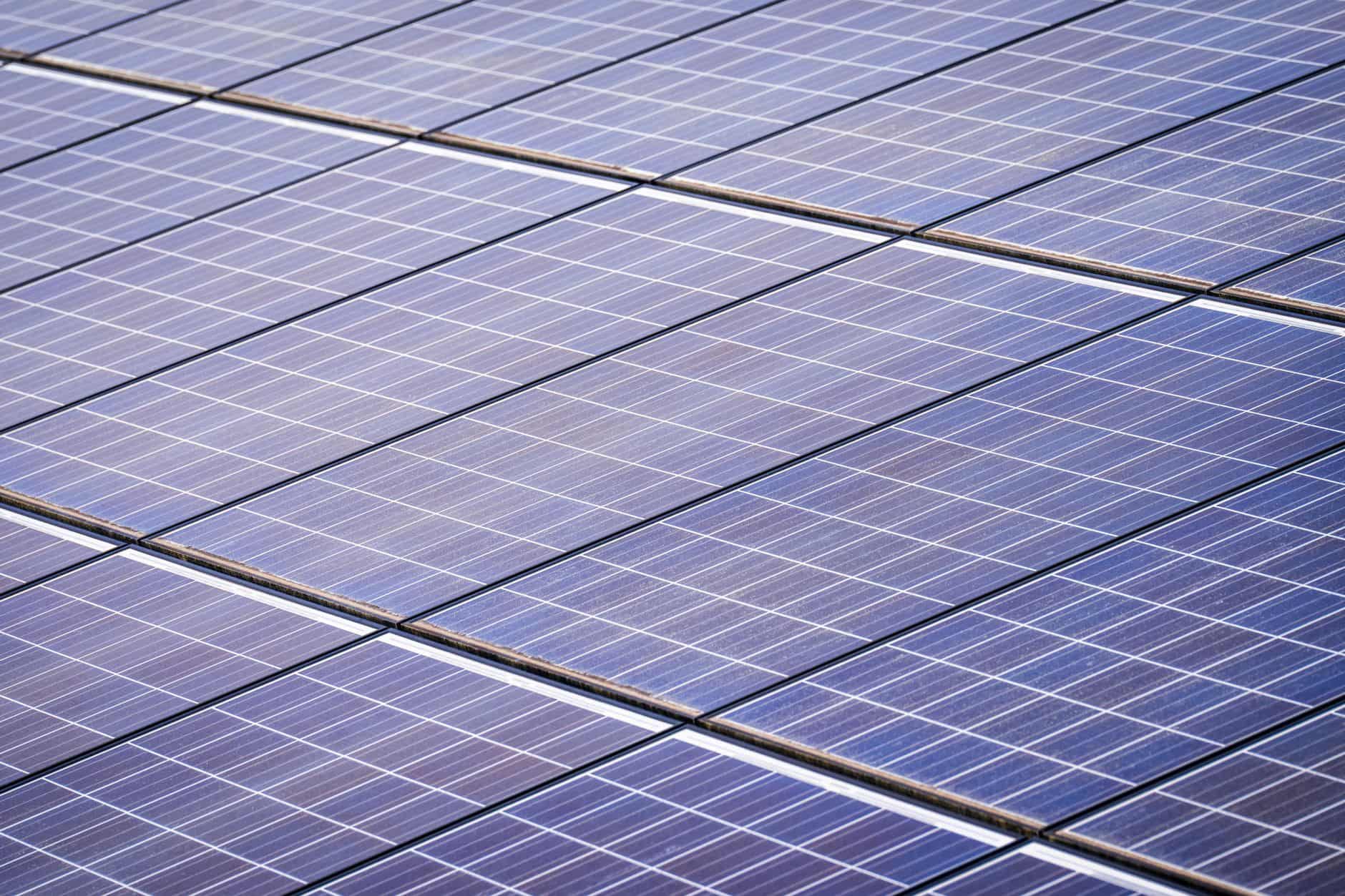
New PV LCI Shows Solar Carbon Cut
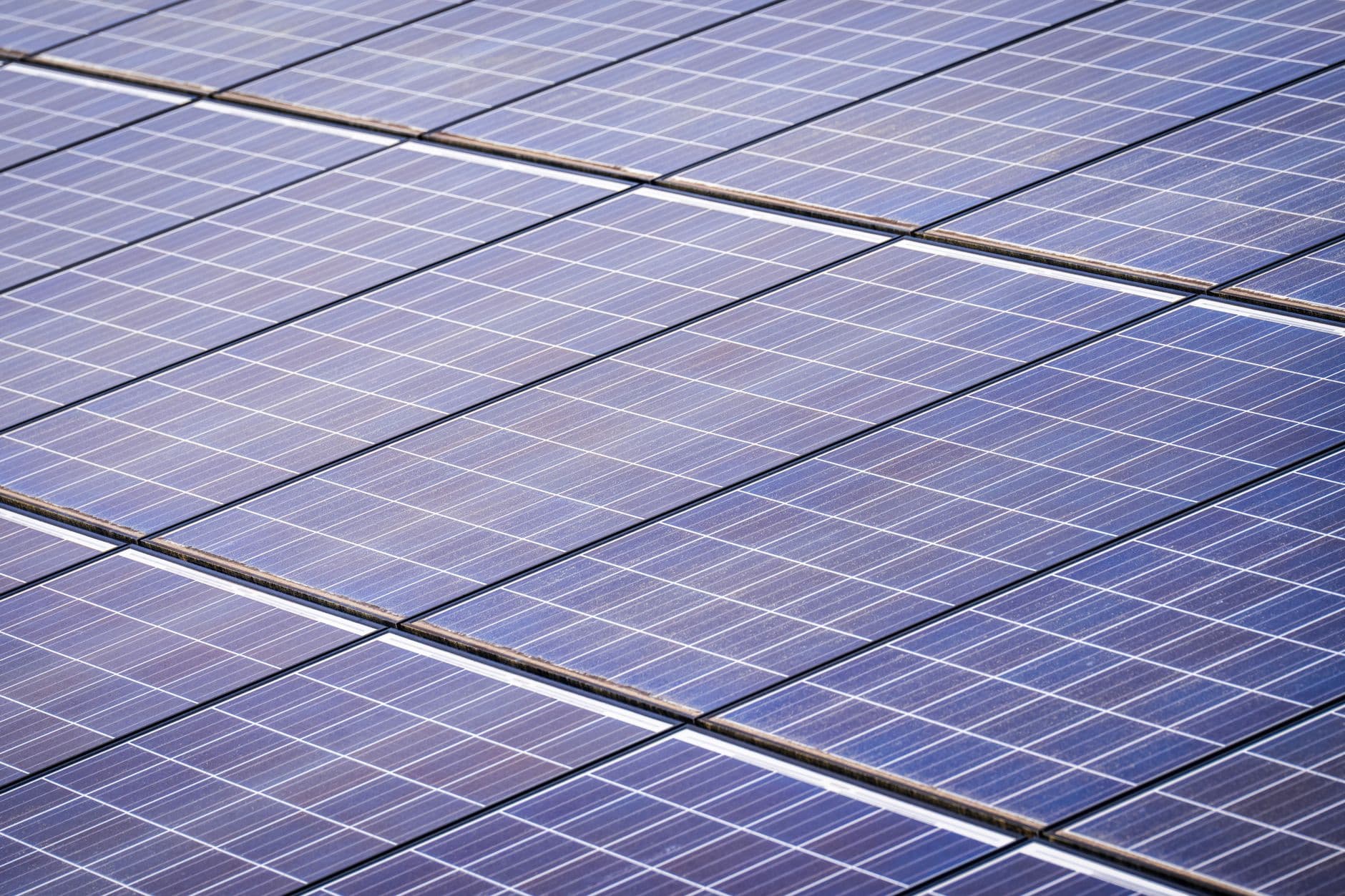
New LCI Report Reveals Lower Carbon Footprint
The International Energy Agency’s Photovoltaic Power Systems Programme (IEA‑PVPS) just released its 2026 Life‑Cycle Inventory (LCI) and it shows a clear drop in the carbon intensity of today’s solar panels. Compared with the previous 2020 edition, the updated data indicate a around 6 % reduction in CO₂‑equivalent emissions per watt of installed capacity, thanks to tighter material loops and more efficient manufacturing — a fact confirmed by independent LCA studies Maximising environmental savings from silicon photovoltaics. The report, based on 83 factory‑level assessments collected during France’s ADEME tender (2022‑2025), now reflects the real‑world mix of TOPCon n‑type wafers and modern module designs Photovoltaics Report – ISE Fraunhofer.
Silicon Recycling Gains Boost Sustainability
Silicon recycling is the headline‑making change. The LCI shows that internally recycled silicon now makes up a sizable share of ingot production, with scrap from monocrystalline ingot cropping being re‑purified and fed back into crystal growth. This closed‑loop process is modeled as a distinct step with its own material and energy inputs, cutting the need for virgin polysilicon and shaving off both energy use and emissions IEA‑PVPS press release.
Thinner Wafers and Lower Kerf Loss Reduce Waste
Advances in diamond‑wire sawing have significantly reduced kerf loss, and wafers have become thinner, leading to material savings per megawatt of panels and further lowering the overall environmental impact of the supply chain IEA‑PVPS press release.
Advanced Simulations Fill Data Gaps
Where measured factory data are unavailable, the new LCI incorporates bottom‑up simulated inventories developed at Fraunhofer ISE. These simulations model every step from polysilicon to finished module, including factory buildings, water treatment and waste handling, providing a more complete picture of the life‑cycle impacts of cutting‑edge monocrystalline technologies IEA‑PVPS press release.
What It Means for Israel
For an Israeli homeowner with a typical 10 kWp rooftop system in the central region, the new LCI data translate into tangible benefits. Using the verified Israeli yield of 1 700 kWh / kWp / year, the system generates about 17 000 kWh annually. At the residential feed‑in tariff of ₪0.48 /kWh, that electricity is worth roughly ₪8 160 per year. The system’s upfront cost of ₪31 500 (≈₪3 150 / kWp) yields a pay‑back of ≈3.9 years — the same as before the LCI update [Verified Israeli Solar Facts].
Because each kWh avoids about 0.5 kg CO₂, the system prevents roughly 8 500 kg CO₂ each year. Applying the 6 % emission reduction shown by the new LCI cuts that figure by ≈550 kg CO₂ per year, equivalent to planting ≈27 new trees (each tree absorbs ~20 kg CO₂ annually). Over the 25‑year lifetime, the cumulative CO₂ savings rise from ≈212 t to ≈225 t, a modest but meaningful boost for Israel’s climate goals.
For readers wanting a quick estimate, our online solar ROI calculator can plug in local yields and tariffs, while the market data page tracks how TOPCon and other high‑efficiency modules are reshaping the Israeli rooftop market.
Looking Ahead: Solar’s Growing Role
The IEA‑PVPS LCI update signals that the solar industry is moving from “clean enough” to “cleaner than ever”. With recycling loops expanding, wafer‑loss shrinking, and sophisticated bottom‑up models filling data gaps, the sector is better equipped to meet the 30 % renewable electricity target for 2030 set by Israel’s Energy Ministry. As manufacturers adopt more TOPCon and heterojunction cells—already accounting for >50 % of new lines in 2025 Solar Cells and Modules Market Share, Trends, Size 2035—the carbon advantage will only grow, making solar an even more attractive investment for Israeli households and businesses alike.
Sources & further reading
- Status of PV Module Recycling in Selected IEA PVPS Task12...
- Maximising environmental savings from silicon photovoltaics...
- Sustainability outlook for leading silicon photovoltaic technologies...
- Life Cycle Assessment of Photovoltaic Systems in the APEC Region
- Life Cycle Inventories of PV Systems, Interview with Matthias Stucki...
FAQ
What is the IEA‑PVPS Life‑Cycle Inventory?
It’s a comprehensive database that tracks material, energy and emissions flows for photovoltaic systems from raw silicon to end‑of‑life, now updated with 83 factory‑level assessments.
How much carbon does the new LCI say solar panels avoid?
The 2026 LCI shows a 6‑7 % reduction in CO₂‑equivalent emissions per watt compared with the 2020 baseline.
Why does silicon recycling matter?
Recycling scrap from monocrystalline ingot cropping lets the silicon be re‑purified and used again, cutting the need for new polysilicon and lowering both energy use and emissions.
What are “kerf losses” and why are they important?
Kerf loss is the silicon sliced away when wafers are cut. Thinner diamond wires now reduce this loss by up to 30 %, saving material and reducing the carbon footprint of each panel.
How does the new data affect Israeli rooftop owners?
A typical 10 kWp home system saves about 550 kg CO₂ more per year than before, shortening the environmental pay‑back while still paying for itself in ~4 years at current tariffs.
What’s next for solar technology?
Manufacturers are scaling TOPCon and heterojunction cells, which now dominate new production lines, further improving efficiency and lowering life‑cycle impacts.
Share this post
More from Research
6
Groove Glass Slashes Facade PV Reflection
A new periodic‑groove glass reduces façade PV reflectance to under 2.4 % at 60° and boosts light capture by up to 73 % at 89°, offering faster payback and higher yields for Israeli solar projects.
Catalyst Boosts Israel’s Green Hydrogen
RMIT University’s upgraded TiO₂ nanosphere catalyst lifts lab‑scale green hydrogen output by more than 80 times, offering a low‑cost route to cheaper clean hydrogen.
Record 35.5% Tandem Cell Pushes Solar Limits
Longi set a new world record of 35.5 % efficiency for a perovskite‑silicon tandem solar cell, certified by ESTI, marking the highest lab efficiency ever achieved.
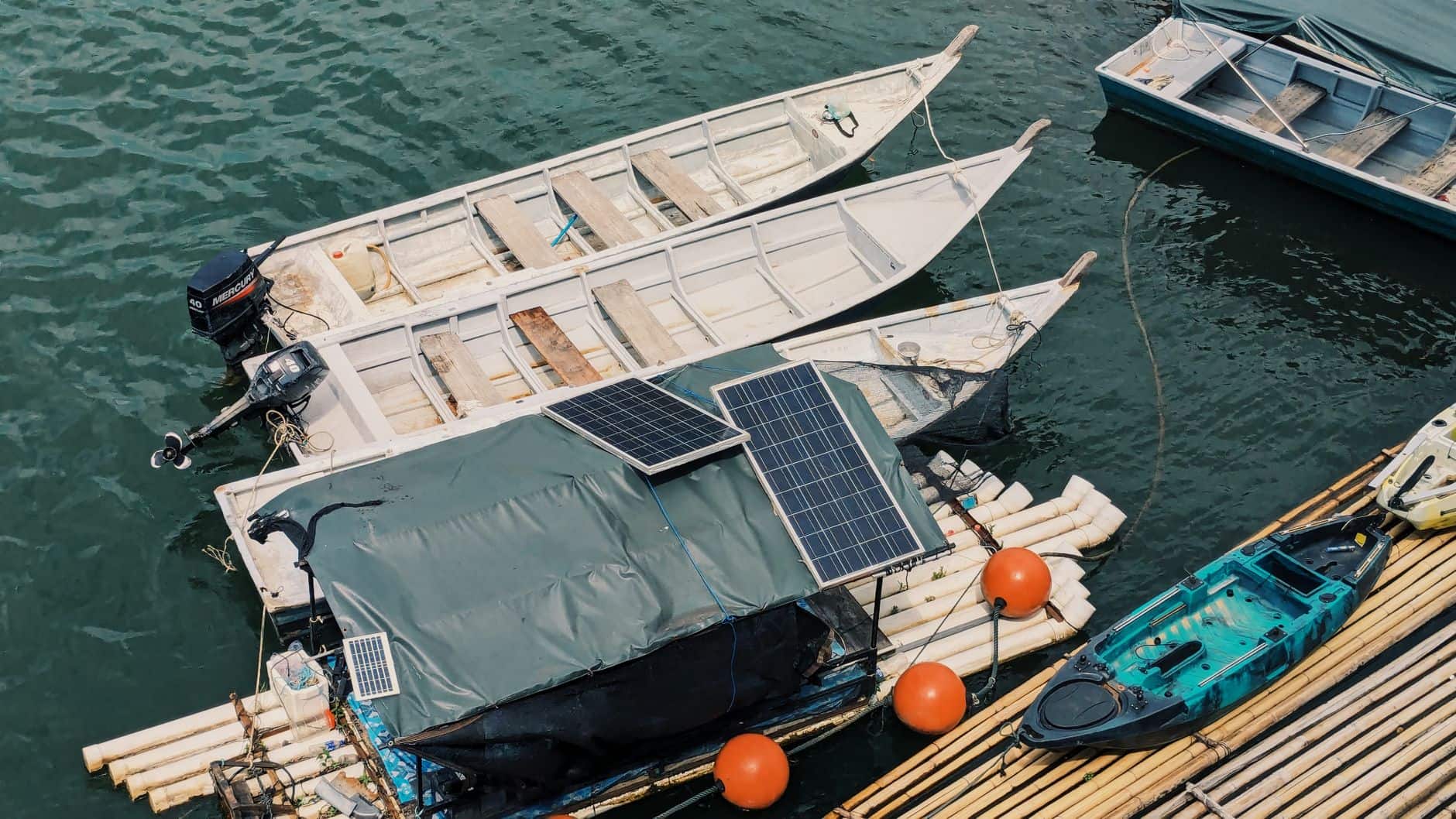
Passive Mooring Cuts FPV Motion by 70%
A counterweight‑and‑pulley mooring cuts floating‑PV surge by 71.7% and sway by 65.6% while tracking water‑level changes passively, promising cheaper, more stable FPV farms.
תא פרו-פסק משולש משיג 27.3% יעילות
תא פרו‑פסק משולש עם שכבת גרפין‑אוקסיד/ SAM הגיע ל‑27.3% יעילות, ושמר על 90% מה‑PCE אחרי 770 שעות של אור רציף.
Heatwaves Slash Solar Output Up to 90% in Iberia
Iberian heatwaves can slash PV output by up to 90 % in a single hour, with daily losses of up to 17.6 % – a warning that extreme heat, not duration, drives the biggest solar efficiency drops.