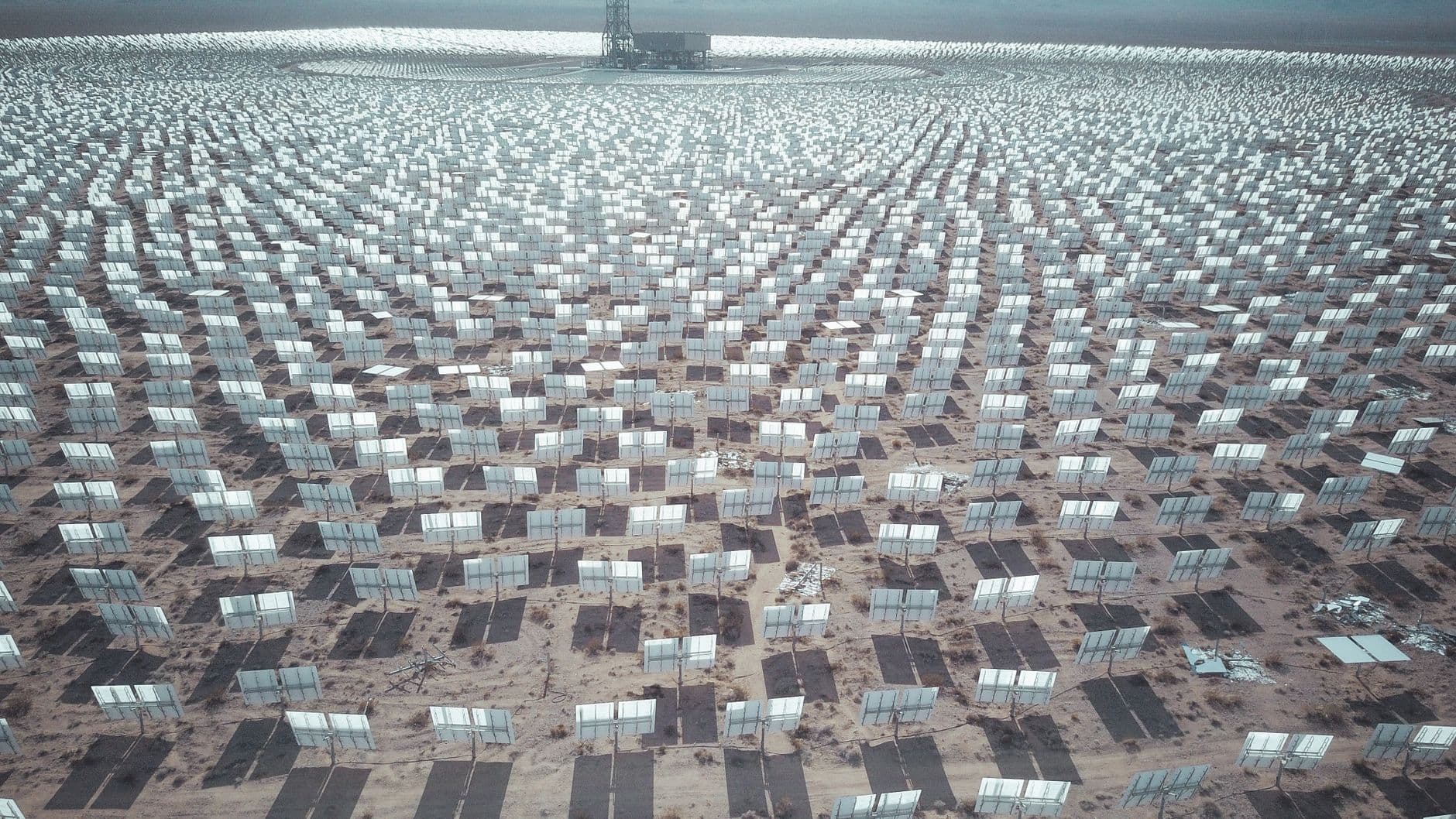
Global Solar Additions Hit Record 664 GW in 2025 – What It Means for Israel’s Solar Future
Record‑breaking 664 GW of solar was installed worldwide in 2025, a 12% growth rate that still set a new all‑time high.
The SolarPower Europe Global Solar Market Outlook 2026‑2030 confirms that 664 GW of new solar capacity came online in 2025, up 69 GW from 2024 and 212 GW from 2023 — the biggest single‑year addition ever recorded (https://www.solarpowereurope.org/insights/outlooks/global-solar-market-outlook-2026-2030/detail). This pushed total global solar capacity past the 3 TW milestone early in 2026, just two years after reaching 2 TW.
Growth is slowing and a contraction looms – the first in more than two decades.
While 2025 set a volume record, the annual growth rate fell sharply to 12%, down from 85% in 2023 and 32% in 2024 (https://www.solarpowereurope.org/insights/outlooks/global-solar-market-outlook-2026-2030/detail). SolarPower Europe now projects a medium‑scenario decline of about 8% in 2026, dropping to roughly 612 GW – the first global contraction since the early 2000s (https://www.solarpowereurope.org/insights/outlooks/global-solar-market-outlook-2026-2030).
Asia‑Pacific still dominates, with China supplying more than half of all new capacity.
The region contributed 487 GW (73% of the total). China alone installed 382 GW, a 57% share of the world market [original]. India added 45.7 GW, overtaking the United States to become the second‑largest market [original]. Europe’s 81.6 GW growth was modest (+3% YoY), led by Germany, while the Americas fell 13% to 43.2 GW and the Middle East & Africa surged 51% to 23.7 GW [original].
The 3 TW milestone translates to roughly 9% of global electricity generation.
Solar now supplies about nine percent of worldwide electricity, three times the share five years ago [original]. If the average capacity factor stays near 18%, the 3 TW fleet generates roughly 4,700 TWh per year – enough to power over 600 million homes.
The slowdown is driven mainly by China’s policy shift, not a structural market collapse.
SolarPower Europe attributes the 2026 decline largely to a 24% cut in Chinese installations after new subsidy reforms [original]. The report stresses that growth continues elsewhere: Asia‑Pacific outside China is set to rise 18%, Europe +3%, the Americas +11%, and the Middle East & Africa +48% in 2026 [original]. Grid congestion, limited storage, permitting delays and financing bottlenecks remain the biggest cross‑regional hurdles [original].
What the 664 GW means for Israel – a concrete, local perspective.
Israel’s installed solar PV capacity stood at roughly 4.5 GW by the end of 2024 (https://dergipark.org.tr/en/download/article-file/2182006). The 664 GW added worldwide in 2025 is equivalent to about 148 times Israel’s entire solar fleet. Translating that into residential terms, the global addition could power ≈44 million typical 15 kW home solar systems (15 kW × 44 million ≈ 660 GW).
For an Israeli homeowner, a 15 kW system today costs roughly NIS 120,000 (≈ NIS 8 per watt). With the current feed‑in tariff of NIS 0.70/kWh and an average yield of 1,800 kWh per kW per year, a 15 kW system generates ~27,000 kWh annually, earning about NIS 18,900 per year. At that rate, the pay‑back period is ≈6.3 years, after which the system produces net profit for its 25‑year lifetime. This simple calculation shows that even as global growth moderates, the economics of residential solar in Israel remain highly attractive.
Looking ahead to 2030 – a revised forecast of 6.6 TW global capacity.
SolarPower Europe’s medium‑scenario now expects total solar capacity to reach 6.6 TW by 2030, down from an earlier 7.1 TW projection [original]. The revised outlook reflects the near‑term contraction but still envisions more than doubling the 2025 capacity within the decade. Achieving this will require massive investments in grid reinforcement, battery storage, and flexible demand‑side resources – a point highlighted repeatedly by CEO Walburga Hemetsberger [original].
Bottom line – the world is still building solar at breakneck speed, and Israel can ride the wave.
Even with an 8% dip forecast for 2026, the sheer scale of 664 GW added in 2025 proves solar’s dominance over fossil‑fuel and nuclear additions [original]. For Israel, the numbers translate into a clear business case for expanding residential and commercial solar, especially as feed‑in tariffs remain generous and module prices stay low. Policymakers who accelerate grid upgrades and storage deployment will ensure the country captures a larger slice of the global solar boom.
Keywords woven in naturally: solar energy, solar panels, solar power system, home solar system, solar modules, solar panel prices, solar power, 15kW solar system cost, flexible solar panels, solar system installation.
Sources & further reading
FAQ
How much solar capacity was added globally in 2025?
A record 664 GW of solar PV was installed worldwide in 2025, according to SolarPower Europe.
Why is global solar growth expected to contract in 2026?
The contraction is mainly due to a 24% cut in Chinese installations after subsidy reforms, which outweighs growth elsewhere.
Which country became the second‑largest solar market in 2025?
India, adding 45.7 GW, overtook the United States to become the world’s second‑largest solar market in 2025.
What share of global electricity does solar provide today?
Solar now supplies about 9% of global electricity, three times the share it held five years ago.
How does the 2025 global addition compare to Israel’s solar capacity?
The 664 GW added in 2025 equals roughly 148 times Israel’s total installed solar capacity of about 4.5 GW.
What is the pay‑back period for a typical 15 kW home solar system in Israel?
At a cost of ~NIS 120,000 and a feed‑in tariff of NIS 0.70/kWh, the system pays for itself in about 6.3 years.
Share this post
How much could your roof earn?
Pick a roof size and region — get an instant estimate.
Estimated annual revenue
₪17,804
Payback
3.9 yrs
System size
Annual output
trees
More from Markets
4
Anlit to Launch Data Center Farms in Israel & Canada – Market Impact and Solar Opportunities
Anlit will build 100 MW data‑center farms in Israel and Canada, each offsetting 30 % of power with on‑site solar, saving roughly NIS 3 billion annually.
Otovo Buys Israel’s Green Panel for $11 Million to Accelerate EMEA Solar Services
Otovo’s $11 million acquisition of Israel’s Green Panel instantly expands its EMEA solar services, adds over 150 MW of rooftop PV and offers Israeli homeowners a roughly **5.6‑year payback** on a typical 15 kW system.
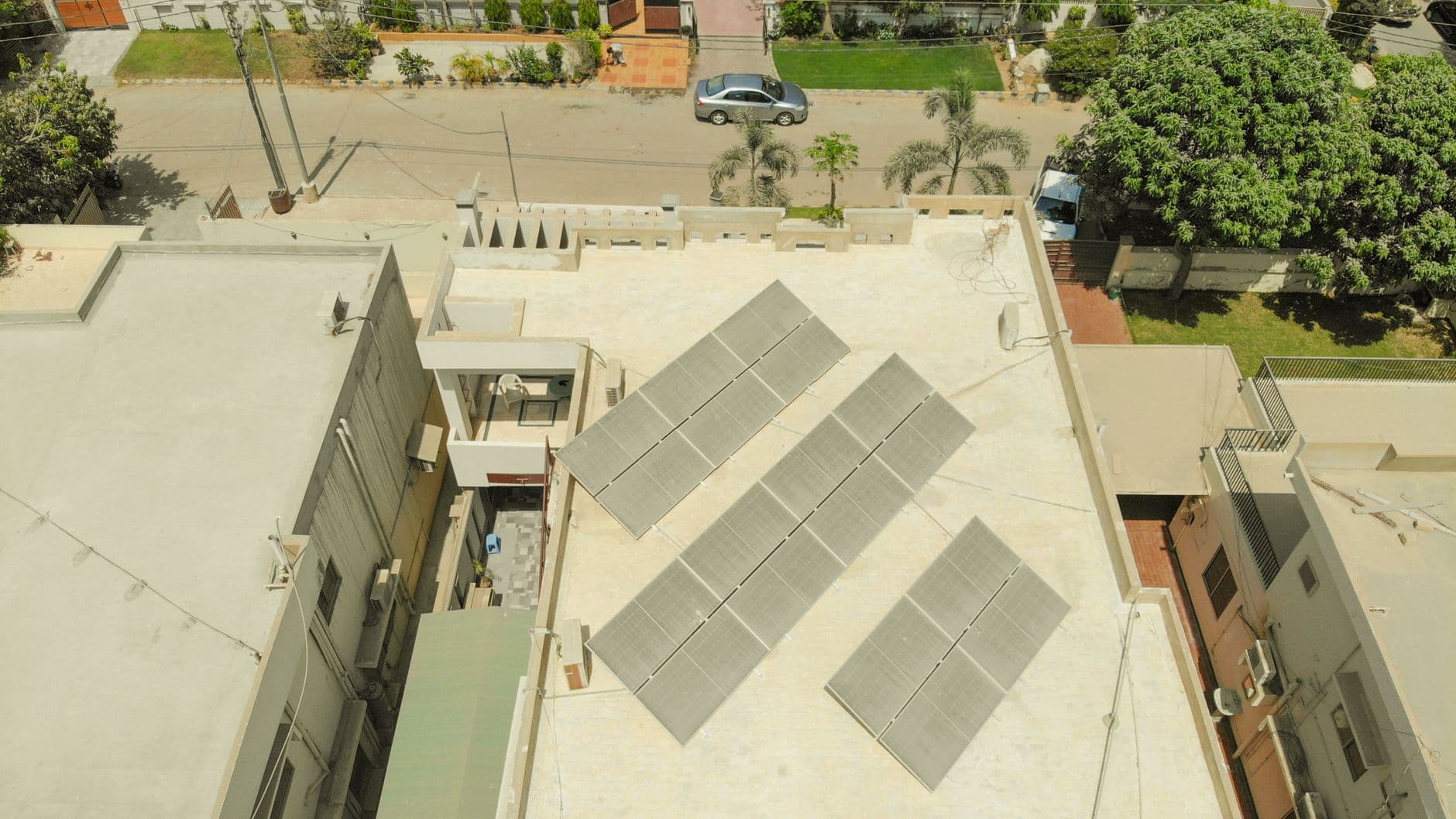
740W Pakistani Solar Panels @28 PKR/W – Cost
Pakistani 740‑W solar panels now sell for about 28 PKR per watt, roughly 504 NIS/kW, meaning a 15 kW home system could be built for under 9,200 NIS – a fraction of Israeli prices.

Europe’s C&I Solar & Storage Boom: Trust, Revenue‑Stacking and What It Means for Israel
Europe’s C&I solar‑storage market will grow 78 % in 2026, driven by trust, ESG performance and revenue‑stacking – a trend that could add roughly NIS 4.3 billion of storage investment to Israel’s commercial sector.