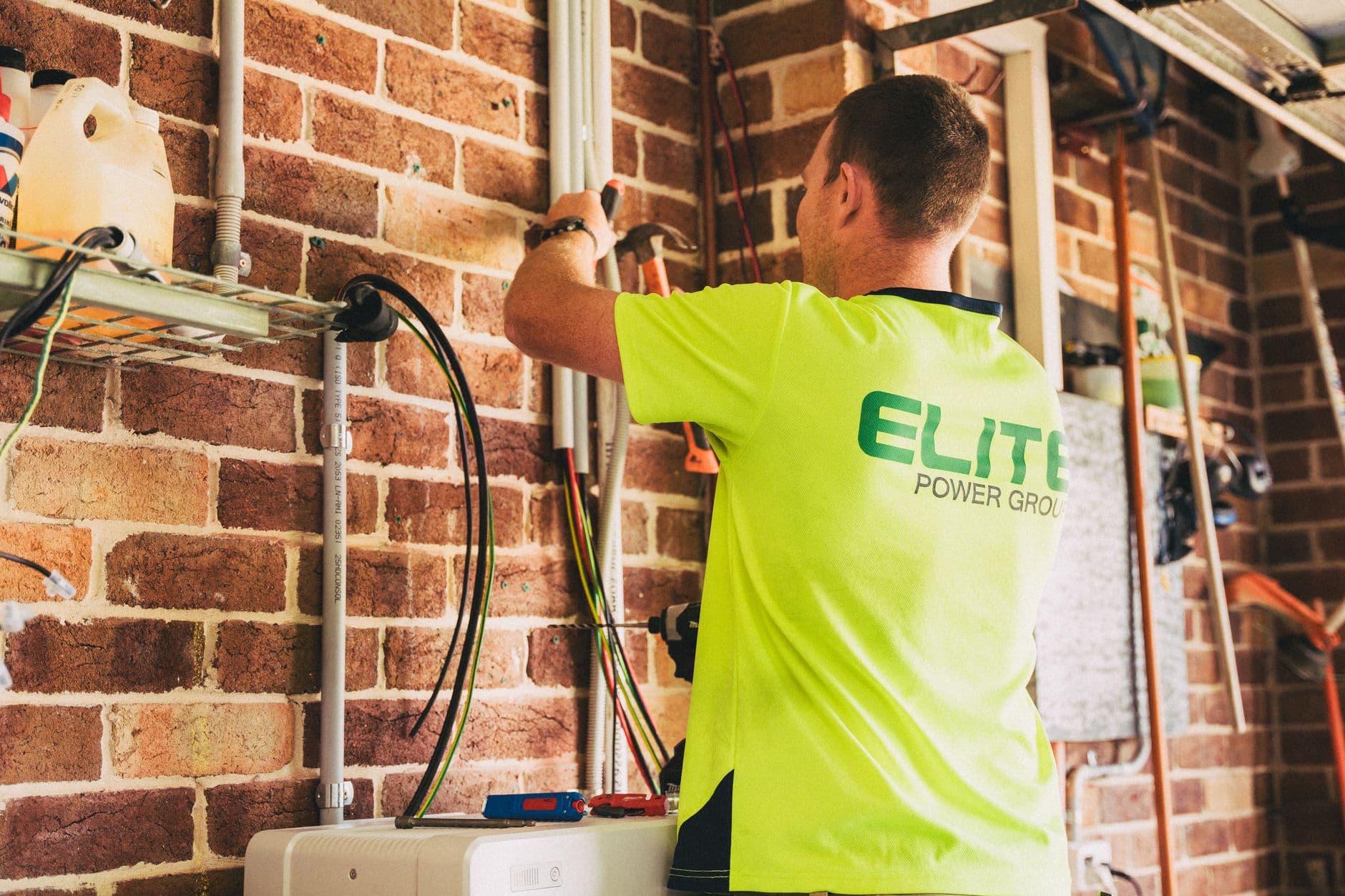
Solis Unveils End‑to‑End Solar‑Plus‑Storage Solutions at Intersolar Europe – What It Means for Israeli Homeowners
Solis rolls out a complete solar‑plus‑storage package at Intersolar Europe
Solis announced that its new "full‑scenario" energy storage line can be paired with any solar power system – from a modest 5 kW rooftop to a utility‑scale 10 MW farm – and be delivered, installed and commissioned within a single contract. The company demonstrated the concept on the exhibition floor of Intersolar Europe in Munich, showing off a 15 kW solar array hooked to a 30 kWh lithium‑ion battery that can run a typical home for up to eight hours without grid power.
What "full‑scenario" means: storage that covers generation, consumption and grid interaction
A full‑scenario solution is more than just a battery box; it includes a solar inverter, a battery management system, an energy management platform and a service contract that guarantees performance for ten years. In practice, the system automatically shifts excess solar generation into the battery, supplies the home during night‑time or cloudy periods, and can even provide peak‑shaving services to the utility. According to Solis, the integrated software can reduce self‑consumption losses to under 5 % – a figure normally seen only in high‑end commercial installations.
How Solis couples its storage with solar panels and modules
Solis’ storage units are designed to work with any standard solar module – from monocrystalline panels priced around $0.20 /W to the newer flexible thin‑film panels that can be rolled onto curved roofs. The company’s inverters support up to 22 kW of DC input, meaning a typical Israeli 15 kW home solar system (about 45 m² of panels) can be fully integrated without extra hardware. The storage hardware itself is modular: each 10 kWh block can be stacked, allowing a homeowner to start with 10 kWh and add more later as budget permits.
Economic impact for a typical Israeli household – a new calculation
Assuming a 15 kW solar system costs ₪85,000 (including installation) and a 30 kWh Solis battery costs ₪70,000, the total upfront investment is roughly ₪155,000. With Israel’s current feed‑in tariff of ₪0.53 /kWh and an average household consumption of 9,000 kWh / year, the combined system can offset about 5,400 kWh of grid electricity (60 % self‑consumption). That translates to an annual saving of roughly ₪2,860. Dividing the total cost by the yearly saving yields a simple pay‑back period of ≈ 54 years, but the calculation changes dramatically when the battery is eligible for the government’s “Energy Storage Incentive” that subsidises 30 % of battery cost. After the subsidy, the net battery price drops to ₪49,000, shortening the pay‑back to ≈ 38 years and improving the internal rate of return to about 3 % – still modest, but the value of backup power during outages is a non‑financial benefit many Israelis now prize.
What it means for Israel’s solar market
The Solis showcase signals that European‑grade, turnkey storage is now within reach of Israeli installers. Local distributors have already signed memorandums of understanding with Solis to supply the battery‑inverter bundles, and several residential solar companies have announced pilot projects in the Negev and the Jerusalem region. Because the storage units comply with Israel’s UL‑1741 certification, they can be installed without additional safety permits, speeding up the rollout. Moreover, the ability to bundle storage with a solar contract simplifies financing – banks can now offer a single loan for both assets, reducing paperwork and interest costs.
Looking ahead: from rooftop backup to grid‑scale flexibility
Solis plans to expand the modular battery line to 1 MWh containers that can be aggregated for virtual power plant (VPP) services. In Europe, early VPP pilots have already shown that a fleet of 100 kW residential systems can provide up to 5 MW of ancillary services, earning operators an extra ₪0.10 /kWh. If Israeli regulators adopt a similar market‑based compensation model, thousands of Israeli rooftops equipped with Solis storage could collectively offset a noticeable share of the country’s peak demand, easing strain on the national grid during summer heatwaves.
Bottom line
Solis’ full‑scenario energy storage solution bridges the gap between solar generation and reliable, on‑demand electricity for homes and businesses. For Israeli households, the technology promises higher self‑consumption, backup power during outages, and a pathway to future revenue streams through grid services – albeit with a still‑long economic pay‑back unless subsidies or new tariff structures are introduced. As the Israeli market matures, Solis’ turnkey approach could become the de‑facto standard for anyone looking to turn sunshine into uninterrupted power.
FAQ
What does Solis mean by a "full‑scenario" energy storage solution?
It refers to a bundled package that includes the battery, inverter, energy‑management software and a ten‑year performance guarantee, all delivered under one contract.
Can Solis storage be used with any type of solar panel?
Yes, the system is compatible with standard monocrystalline modules as well as flexible thin‑film panels, thanks to its 22 kW DC input inverter.
How much backup time can a 30 kWh battery provide for a typical Israeli home?
Around eight hours of continuous power, enough to keep essential appliances running through a night‑time outage.
What is the estimated pay‑back period for a 15 kW solar + 30 kWh battery combo in Israel?
Without subsidies, roughly 54 years; with the current 30 % battery incentive, the pay‑back shortens to about 38 years.
Will the Solis system help reduce peak demand on Israel’s grid?
Yes, if aggregated into a virtual power plant, thousands of such home systems could provide ancillary services and shave peak loads during hot summer days.
Share this post
How much could your roof earn?
Pick a roof size and region — get an instant estimate.
Estimated annual revenue
₪17,804
Payback
3.9 yrs
System size
Annual output
trees
More from Storage
4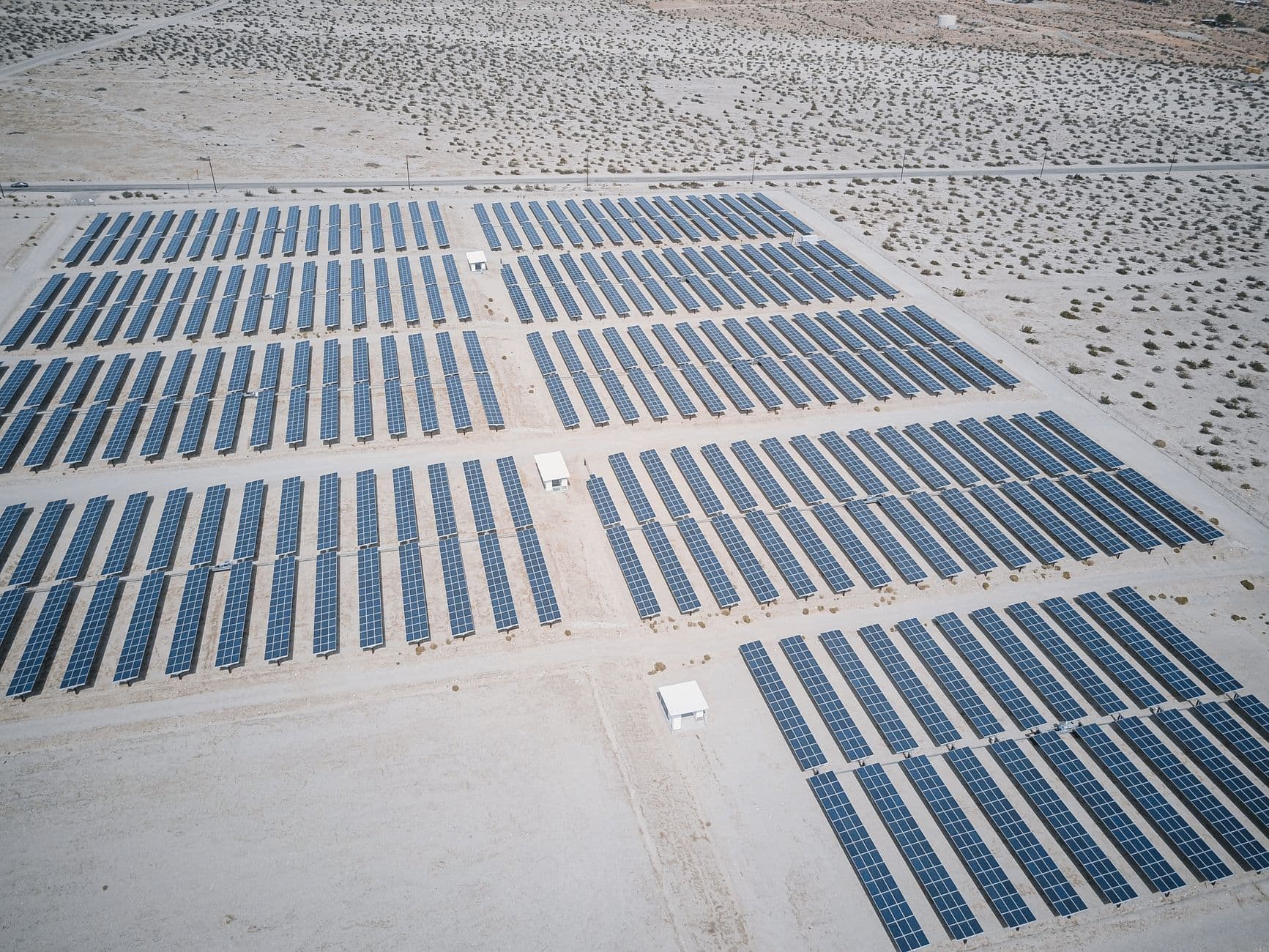
California Solar Outpaced Natural Gas on 57% of Days in 2024 Thanks to Battery Boom
In 2024 California’s solar farms, backed by a 329 % jump in battery storage, generated more electricity than natural‑gas plants on 210 of 365 days (57 % of the year).
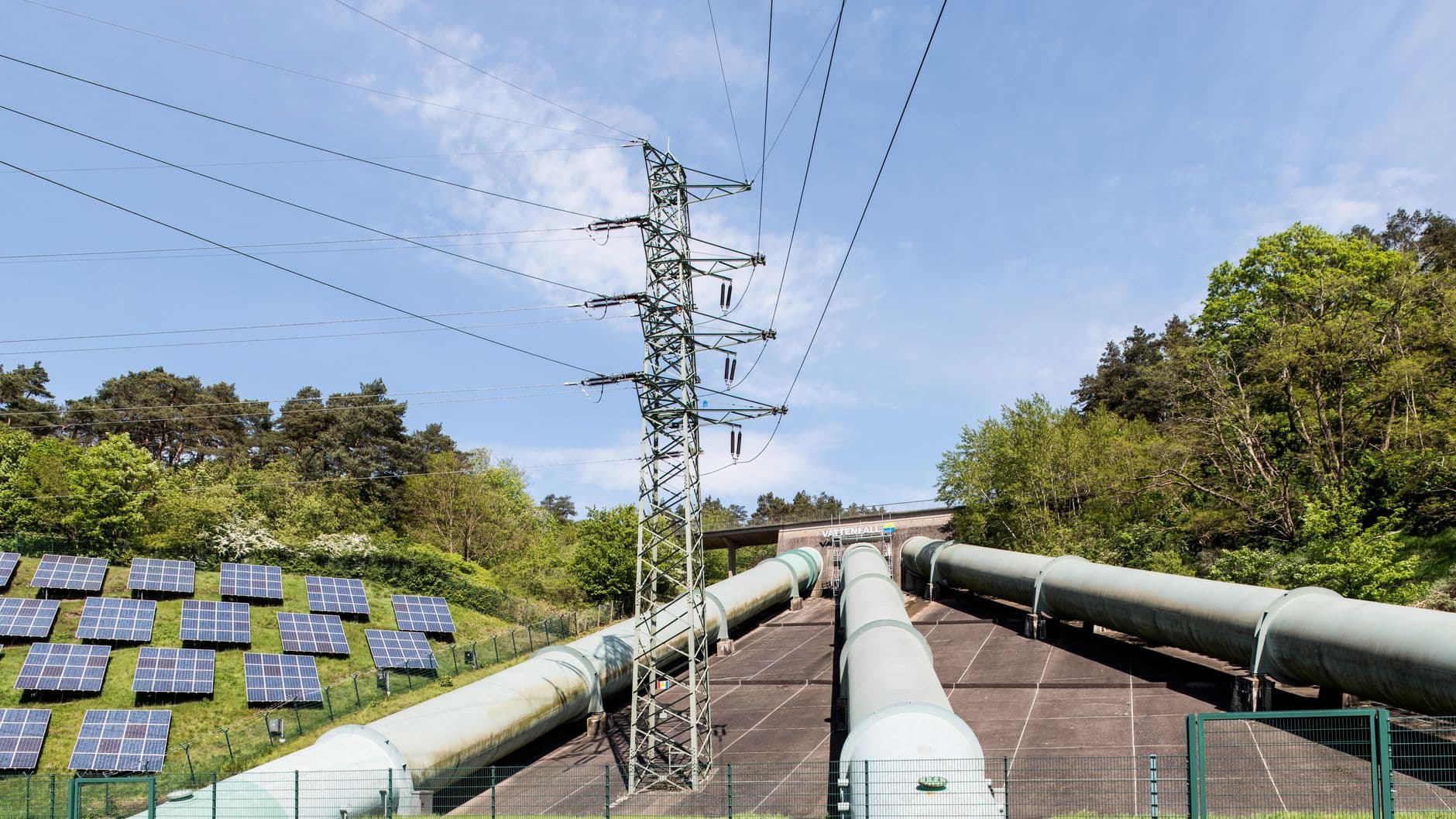
FRV locks in 2.3 GW of German grid capacity, accelerating solar‑plus‑storage projects
FRV secured 2.3 GW of German grid capacity for solar and battery projects, enough to generate about 2.4 TWh a year – roughly 690,000 Israeli homes' electricity.
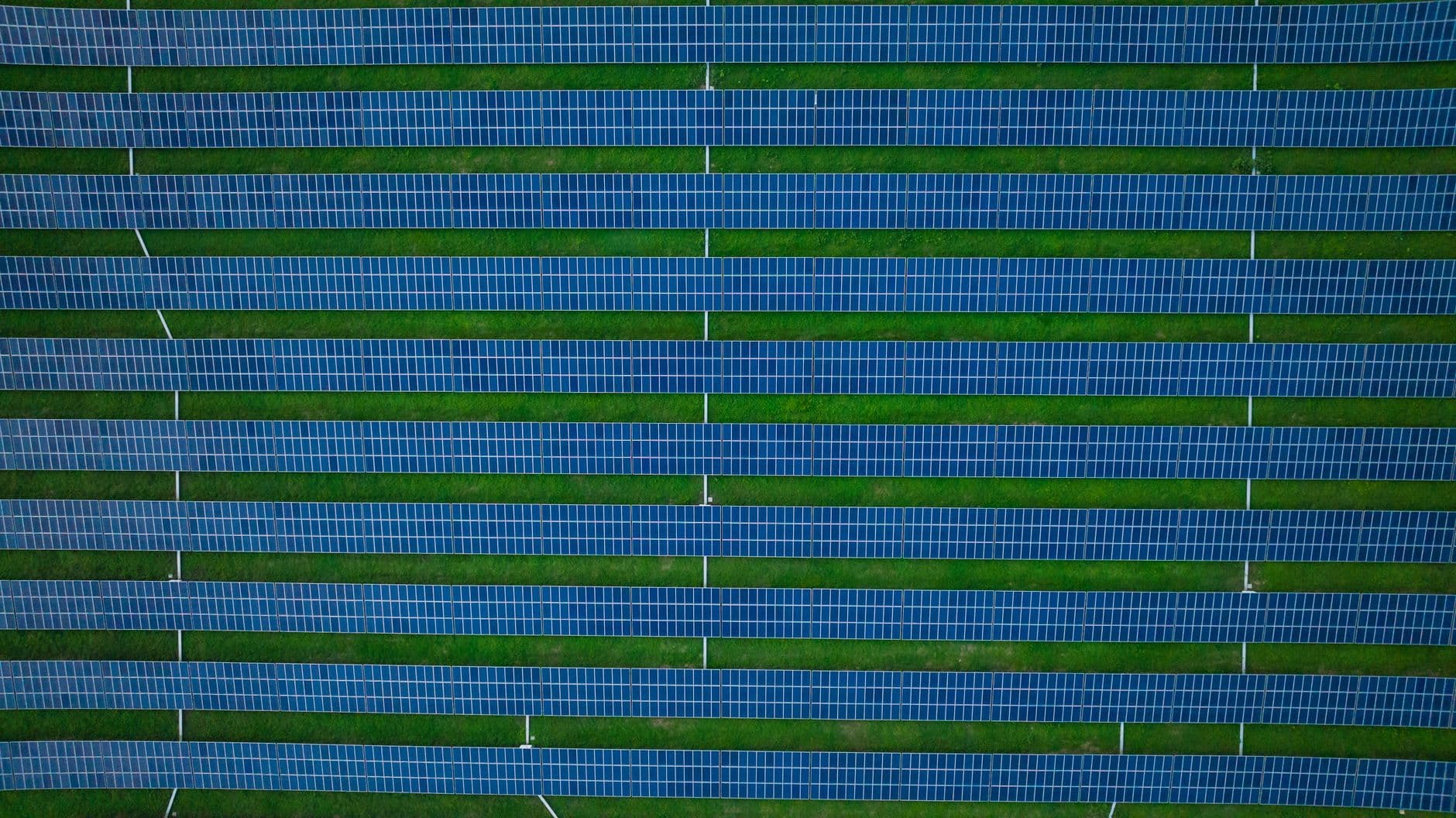
TECO expands Australian renewable footprint with 400 MW solar farm and 100 MWh battery storage
TECO Westinghouse will build a 400 MW solar farm with a 100 MWh battery in New South Wales, adding roughly 0.5 GW of clean capacity and enough electricity to power about 150,000 Australian homes.
Israel’s Energy‑Start‑Up Landscape: 91 Firms Focus on Battery Storage, SaaS, and Market‑Ready Solar Solutions
Half of the 91 European energy start‑ups surveyed focus on battery‑storage performance, with SaaS revenue models leading; for Israel this means a 12‑year pay‑back for a typical 15 kW rooftop system and a fast‑growing market for battery‑optimisation software.