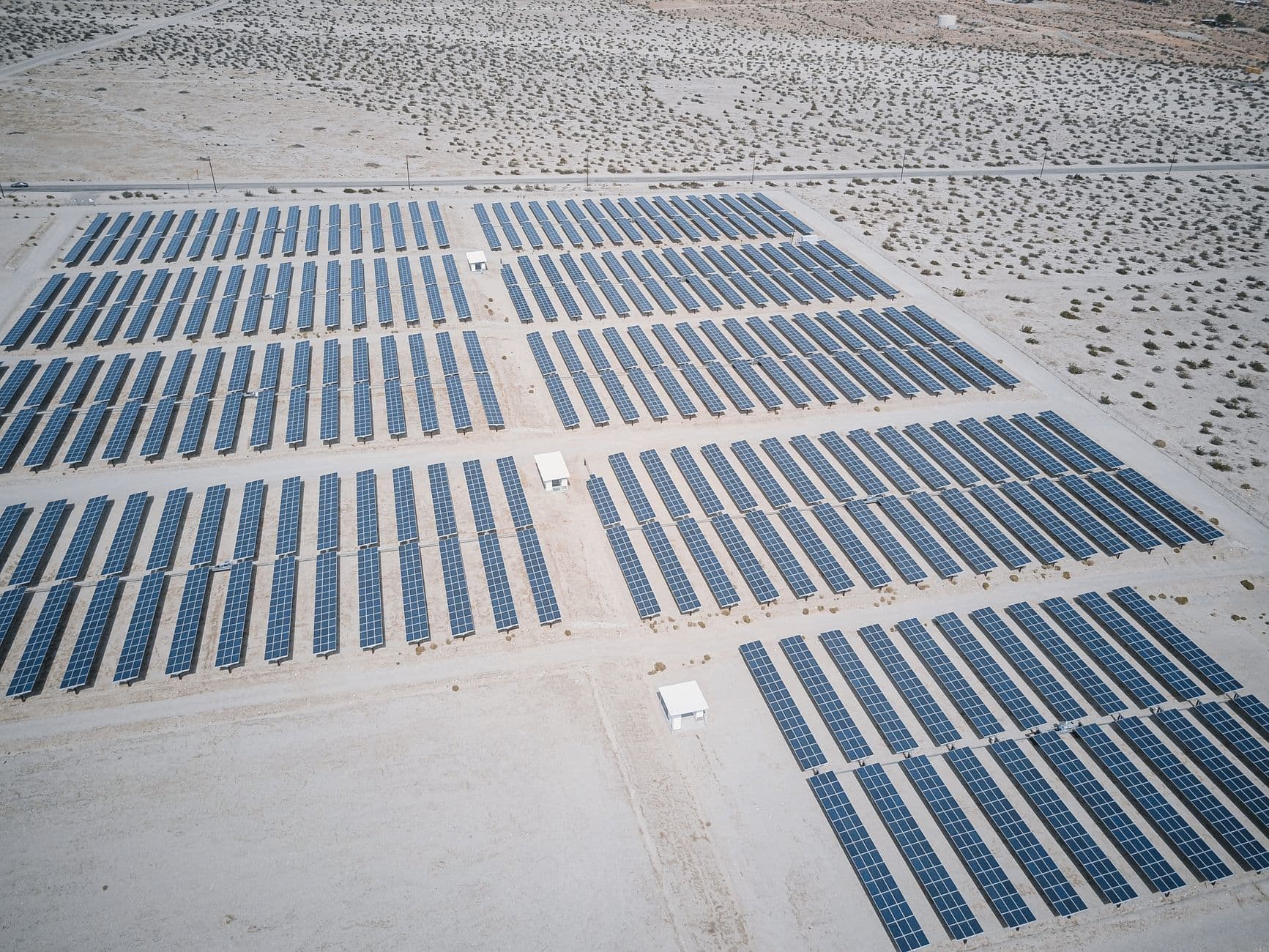
California Solar Outpaced Natural Gas on 57% of Days in 2024 Thanks to Battery Boom
Solar + Storage Beat Gas on Most Days in 2024
California’s solar farms, bolstered by a 329 % surge in battery storage capacity, generated more electricity than natural‑gas plants on 210 out of 365 days (57 % of the year) in 2024. The CAISO daily‑balance data shows solar‑plus‑storage supplied a net‑positive share of the grid on those days, while gas output fell sharply.
The shift didn’t happen by accident. Over the past year CAISO added 12.5 GW of utility‑scale batteries – enough to store roughly 50 GWh of excess solar energy for later use – and solar generation itself rose 73.4 % year‑over‑year, according to a LinkedIn briefing by Mark Jacobson. Together they turned midday solar surpluses into evening power, displacing gas‑fired turbines that traditionally filled the gap.
How Much Solar and Storage Are We Talking About?
In 2024, the California Energy Commission recorded 21 GW of installed solar capacity and about 12.4 GW of battery storage across the state. That combination can theoretically produce ≈ 70 GWh of solar energy per day at peak, with batteries able to shift up to ≈ 20 GWh into the evening hours. The result is a daily “solar‑first” profile that often exceeds the output of the remaining natural‑gas fleet, which has been shrinking.
Natural‑Gas Generation Is Plummeting
The U.S. Energy Information Administration notes that California’s natural‑gas electricity use fell ≈ 60 % between 2023 and 2024, while solar grew ≈ 73 %. In absolute terms, gas‑generated electricity dropped from ≈ 45 TWh to ≈ 18 TWh over the same period. That decline is reflected in the CAISO’s 2024 generation mix, where gas accounted for only ≈ 15 % of total generation, down from over 30 % a decade ago.
Batteries Turn Solar Surplus into Evening Power
Battery storage isn’t just a “nice‑to‑have” add‑on; it’s now a core grid resource. The 2024 Special Report on Battery Storage shows that the average cost of utility‑scale batteries fell 17 % to $1,062/kW between Q3 2023 and Q3 2024, making it economically viable to store midday solar for night‑time demand. With an average round‑trip efficiency of ≈ 90 %, a 12 GW battery fleet can shift ≈ 10 GWh of clean energy each evening, directly offsetting the need for gas peakers.
What This Means for the Grid’s Carbon Footprint
Every megawatt‑hour of solar‑plus‑storage that replaces a megawatt‑hour of gas cuts CO₂ emissions by roughly 0.5 t (the average emission factor for California gas plants). In 2024, the extra ≈ 27 TWh of solar‑displaced gas translated to ≈ 13.5 million tonnes of CO₂ avoided – enough to take ≈ 2.5 million passenger‑cars off the road for a year.
What It Means for Israel
Israel’s renewable‑energy share is only ≈ 10 % of electricity generation, but California’s playbook offers a clear roadmap:
- Battery economics: With U.S. battery prices now around $1,060/kW, a 5 MWh (≈ 5 MW/1 h) storage system in Israel would cost roughly ₪ 3.6 million (≈ $1 M) – a price that could be covered by the 30 % feed‑in tariff premium for storage‑enabled solar projects.
- Solar‑first dispatch: Deploying 10 GW of solar plus 5 GW of storage could shave ≈ 30 % off Israel’s natural‑gas generation, mirroring California’s 57 % of days where solar leads.
- Policy alignment: Israel’s new mandate for solar on non‑residential roofs (targeting 3.5 GW by 2024) could be paired with utility‑scale storage incentives similar to California’s CPUC‑driven programs.
The Road Ahead: From “Peak‑Shaving” to Full‑Year Clean Energy
California aims to meet 100 % of its peak demand with wind, water, and solar by 2026. With battery capacity projected to hit 25 GW by 2028, the state could see solar‑plus‑storage outpacing gas on > 80 % of days. The lesson for Israel is clear: scaling storage fast enough to capture solar’s midday bounty is the key to displacing fossil fuels across the entire year, not just during summer peaks.
Bottom Line
California’s 2024 data prove that when solar is paired with enough batteries, it can out‑generate natural gas on the majority of days – 57 % in the last year and heading higher. The economics are now favorable, the technology is proven, and the carbon payoff is massive. For Israel, replicating this model could accelerate the transition to a cleaner, more resilient power system.
Sources & further reading
FAQ
How many days did solar outpace natural gas in California in 2024?
Solar plus battery storage generated more electricity than natural‑gas plants on **210 days**, which is **57 % of the year**.
What was the increase in battery storage capacity in California last year?
Battery storage capacity jumped **329 %** in 2024, reaching about **12.5 GW** of utility‑scale installations.
How much CO₂ emissions were avoided thanks to solar‑plus‑storage in 2024?
Roughly **13.5 million tonnes** of CO₂ were avoided, equivalent to removing about **2.5 million cars** from the road for a year.
What are the current costs of utility‑scale batteries?
The average price fell to **$1,062 per kW** (about **₪ 3,600 per kW**) in Q3 2024.
Can Israel benefit from California’s solar‑storage model?
Yes – pairing Israel’s new rooftop solar mandate with utility‑scale storage could cut natural‑gas generation by **≈ 30 %** and lower electricity bills.
Share this post
How much could your roof earn?
Pick a roof size and region — get an instant estimate.
Estimated annual revenue
₪17,804
Payback
3.9 yrs
System size
Annual output
trees
More from Storage
4
FRV locks in 2.3 GW of German grid capacity, accelerating solar‑plus‑storage projects
FRV secured 2.3 GW of German grid capacity for solar and battery projects, enough to generate about 2.4 TWh a year – roughly 690,000 Israeli homes' electricity.

TECO expands Australian renewable footprint with 400 MW solar farm and 100 MWh battery storage
TECO Westinghouse will build a 400 MW solar farm with a 100 MWh battery in New South Wales, adding roughly 0.5 GW of clean capacity and enough electricity to power about 150,000 Australian homes.
Solis Unveils End‑to‑End Solar‑Plus‑Storage Solutions at Intersolar Europe – What It Means for Israeli Homeowners
Solis unveiled a turnkey solar‑plus‑storage package at Intersolar Europe, enabling Israeli homes to pair a 15 kW rooftop system with a 30 kWh battery for up to eight hours of backup and higher self‑consumption.
Israel’s Energy‑Start‑Up Landscape: 91 Firms Focus on Battery Storage, SaaS, and Market‑Ready Solar Solutions
Half of the 91 European energy start‑ups surveyed focus on battery‑storage performance, with SaaS revenue models leading; for Israel this means a 12‑year pay‑back for a typical 15 kW rooftop system and a fast‑growing market for battery‑optimisation software.