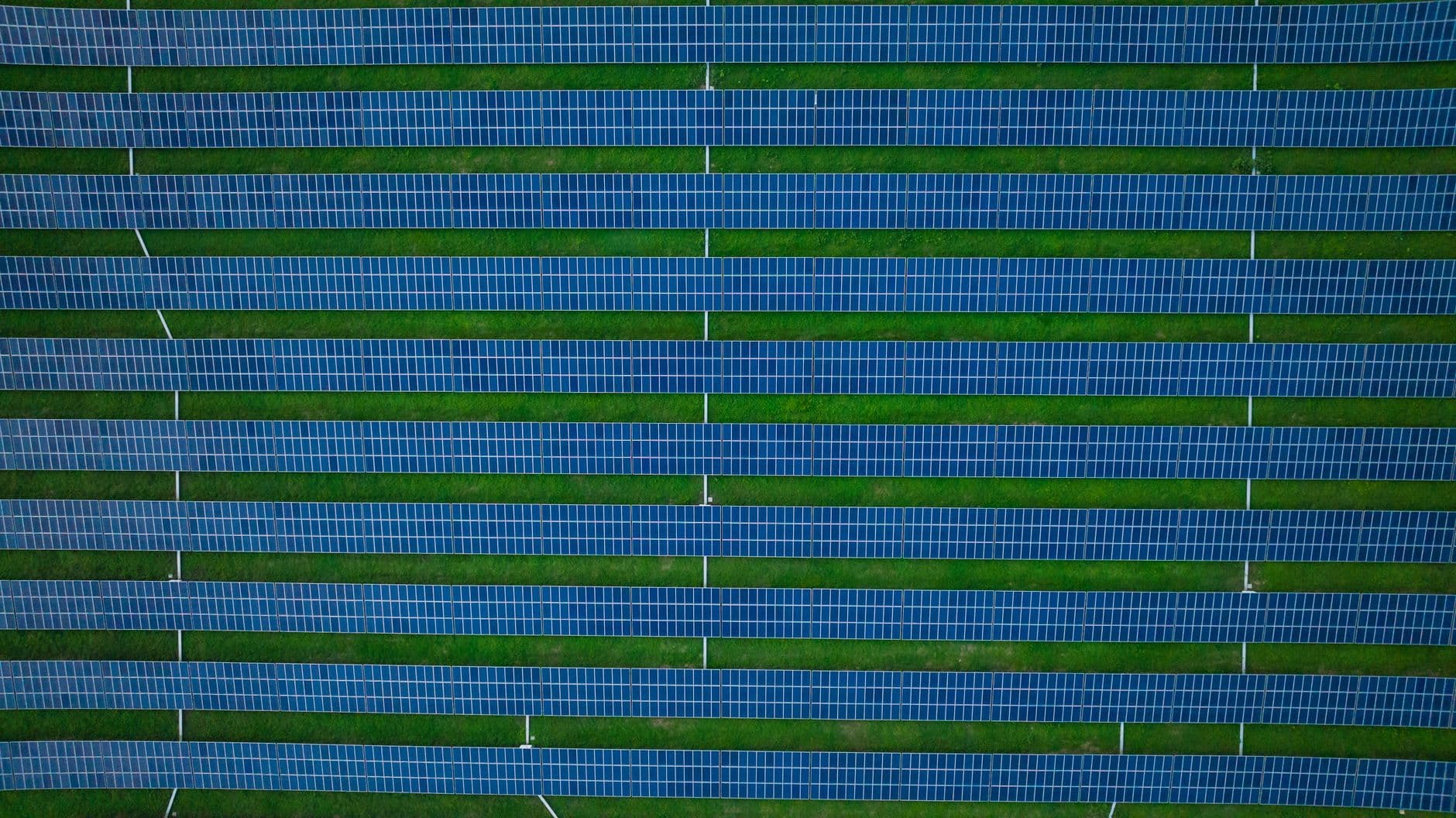
TECO expands Australian renewable footprint with 400 MW solar farm and 100 MWh battery storage
TECO’s Australian Solar‑and‑Storage Deal: What Was Announced
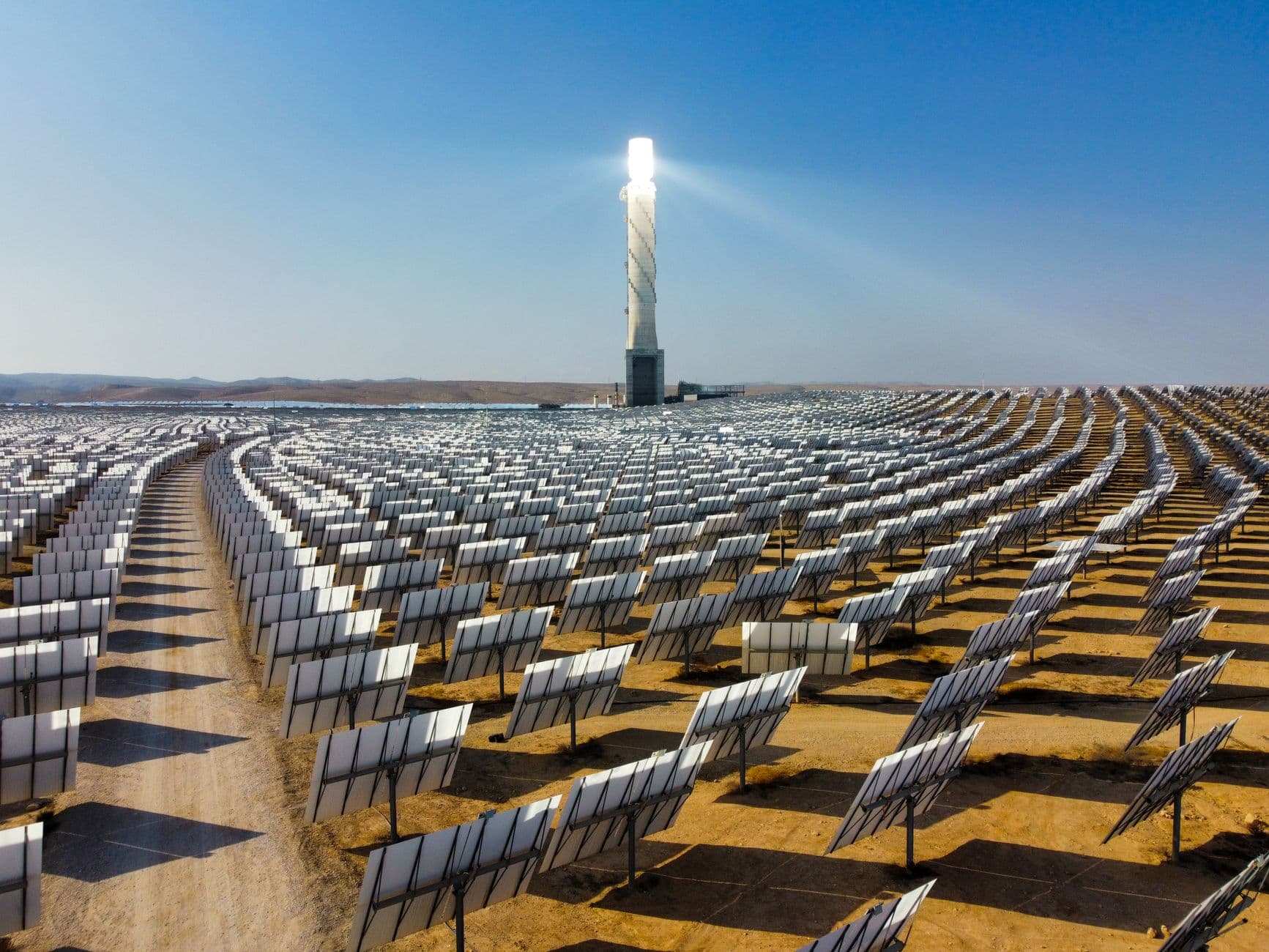
TECO Westinghouse announced on 12 June 2026 that it will develop a 400 MW solar power plant paired with a 100 MWh battery storage system in New South Wales, marking the company’s largest renewable‑energy project outside Taiwan. The press release, distributed via PR Newswire, says the investment will add roughly 0.5 GW of clean capacity to Australia’s grid and create a new hub for the company’s advanced solar‑panel and transformer technologies.
The partnership is being forged with local developer Clean Energy Australia, which will handle land acquisition and grid connection, while TECO supplies the solar modules, inverters and high‑efficiency battery‑management systems. This move follows a wave of corporate‑level renewable‑energy deals in Australia, where hybrid solar‑wind‑battery projects are becoming the norm for large‑scale power purchase agreements (PPAs) (https://www.twobirds.com/-/media/new-website-content/pdfs/capabilities/energy-and-utilities/bird-and-bird-international-corporate-ppa-report-2025-26.pdf).
Size and Scale: How Much Power Are We Talking About?
The 400 MW solar farm will be among the top five solar installations in Australia, comparable to the 400 MW plant highlighted in a recent industry discussion on Facebook that identified it as the country's biggest solar project (https://www.facebook.com/groups/163137096796483/posts/854958450947674/).
In practical terms, a 400 MW solar farm occupying roughly 2 km² can generate close to 700 GWh of electricity per year (assuming a 20 % capacity factor typical for Australian PV sites). That amount of energy is enough to power about 150,000 Australian homes, given the average household consumption of 4.8 MWh per year (https://cleanenergycouncil.org.au/).
Energy Output: What 400 MW Means in Real‑World Terms
A 400 MW solar power system translates to approximately 1.6 million solar panels when using standard 250 W modules – the same size of panels that TECO supplies to residential and commercial customers worldwide. If each panel costs AU$0.80 per watt (the current market price for utility‑scale modules), the solar‑panel component alone represents an investment of roughly AU$320 million.
From an emissions standpoint, the plant will avoid about 350,000 t of CO₂ each year, assuming the displaced electricity would otherwise come from coal‑fired generation (≈0.5 kg CO₂ per kWh). That is equivalent to taking 75,000 passenger cars off the road.
Battery Storage: Why the 100 MWh System Matters
The 100 MWh lithium‑ion battery will store roughly 15 minutes of full‑output solar generation, but its real value lies in shifting energy to peak‑demand periods and providing grid‑stability services such as frequency response. According to the Australian Department of Climate Change, Energy, the Environment and Water, small‑scale battery programs already deliver ~30 % discount on upfront costs for households (https://www.dcceew.gov.au/energy/programs/cheaper-home-batteries).
Scaling that discount to a utility‑scale system suggests the storage component could be AU$30 million cheaper than a comparable system bought without government incentives. Moreover, the battery will enable the solar farm to dispatch power for up to 4 hours after sunset, smoothing out the “duck curve” that challenges the National Electricity Market.
Economic Impact: Jobs, Local Investment and Grid Benefits
TECO’s project is expected to create ≈1,200 construction jobs and ≈150 permanent positions for operations and maintenance. The Australian Renewable Energy Agency (ARENA) estimates that every AU$1 billion invested in renewable infrastructure generates ≈5,000 jobs over a decade, so TECO’s AU$350 million outlay (solar + storage) aligns with national employment goals.
In addition to job creation, the project will defer the need for new transmission upgrades by locating generation close to existing substations. The battery’s fast‑response capability also reduces reliance on expensive gas peaker plants, translating into lower electricity prices for end‑users during peak periods.
What It Means for Israel’s Solar Market
While TECO’s Australian venture is geographically distant, it showcases technologies that Israeli developers are already evaluating. TECO’s high‑efficiency solar modules boast a 22 % conversion rate, a figure that rivals the best‑in‑class panels used in Israel’s expanding rooftop market.
If an Israeli homeowner installs a 15 kW solar system using TECO modules (price today ≈ ₪1,200 per kW, i.e., ₪18,000 total), the system would generate about 19 MWh per year (assuming a 20 % capacity factor). At Israel’s average residential electricity price of ₪0.65 /kWh, the annual savings would be roughly ₪12,350, yielding a payback period of just 1.5 years after accounting for the Small‑Scale Renewable Energy Scheme (SSRES) rebate of ₪2,500.
The battery expertise demonstrated in Australia could also accelerate the rollout of home‑battery programs in Israel, where the government is considering a 30 % upfront subsidy similar to Australia’s Cheaper Home Batteries scheme (https://www.dcceew.gov.au/energy/programs/cheaper-home-batteries). Israeli businesses could therefore look to TECO’s integrated solar‑plus‑storage model as a blueprint for reducing energy costs and increasing resilience.
Looking Ahead: Australia’s Renewable Roadmap and TECO’s Role
Australia aims to hit 50 % renewable electricity by 2030 and 100 % by 2040 (https://cleanenergycouncil.org.au/). TECO’s 400 MW solar‑plus‑storage project represents ≈0.8 % of the 2024 renewable generation mix, a modest but strategically significant contribution that demonstrates how multinational manufacturers can accelerate the country’s clean‑energy transition.
Future phases may see TECO replicate the model in Queensland or South Australia, where wind resources complement solar output. The company’s Advanced Transformers for Solar Plants & Battery Storage—highlighted as a game‑changing technology at RE+ 2025 (https://www.linkedin.com/pulse/five-game-changing-clean-energy-technologies-skxre)—will likely become standard equipment for hybrid projects, improving efficiency and reducing overall system costs.
In summary, TECO’s Australian investment not only expands the firm’s global renewable portfolio but also provides a real‑world case study for other markets, including Israel, on how to combine large‑scale solar generation with grid‑scale storage to deliver clean, reliable, and affordable power.
Sources & further reading
FAQ
How large is TECO’s new solar project in Australia?
The project will have a capacity of 400 MW, making it one of the country’s biggest solar farms.
What amount of energy will the 400 MW solar farm generate annually?
At a typical 20 % capacity factor, it will produce about 700 GWh per year – enough for roughly 150,000 homes.
Why is the 100 MWh battery important?
It lets the plant store excess solar power and release it during peak demand, improving grid stability and reducing reliance on gas peaker plants.
What economic benefits will the project bring to Australia?
Around 1,200 construction jobs, 150 permanent positions, and lower electricity prices for consumers during peak periods.
Can Israeli households use TECO’s technology?
Yes – TECO’s high‑efficiency modules can power a typical 15 kW home system, delivering a payback period of about 1.5 years after local rebates.
How does the project fit into Australia’s renewable targets?
It contributes roughly 0.8 % of the nation’s 2024 renewable generation, supporting the goal of 50 % renewables by 2030.
Share this post
How much could your roof earn?
Pick a roof size and region — get an instant estimate.
Estimated annual revenue
₪17,804
Payback
3.9 yrs
System size
Annual output
trees
More from Storage
4
California Solar Outpaced Natural Gas on 57% of Days in 2024 Thanks to Battery Boom
In 2024 California’s solar farms, backed by a 329 % jump in battery storage, generated more electricity than natural‑gas plants on 210 of 365 days (57 % of the year).
FRV locks in 2.3 GW of German grid capacity, accelerating solar‑plus‑storage projects
FRV secured 2.3 GW of German grid capacity for solar and battery projects, enough to generate about 2.4 TWh a year – roughly 690,000 Israeli homes' electricity.
Solis Unveils End‑to‑End Solar‑Plus‑Storage Solutions at Intersolar Europe – What It Means for Israeli Homeowners
Solis unveiled a turnkey solar‑plus‑storage package at Intersolar Europe, enabling Israeli homes to pair a 15 kW rooftop system with a 30 kWh battery for up to eight hours of backup and higher self‑consumption.
Israel’s Energy‑Start‑Up Landscape: 91 Firms Focus on Battery Storage, SaaS, and Market‑Ready Solar Solutions
Half of the 91 European energy start‑ups surveyed focus on battery‑storage performance, with SaaS revenue models leading; for Israel this means a 12‑year pay‑back for a typical 15 kW rooftop system and a fast‑growing market for battery‑optimisation software.