Israel’s Energy‑Start‑Up Landscape: 91 Firms Focus on Battery Storage, SaaS, and Market‑Ready Solar Solutions
The start‑up map shows that half of the 91 European energy innovators surveyed are concentrated on battery‑storage performance and optimisation, with a further third tackling financing and market integration.
The pv‑magazine/Vireo Ventures “Start‑up of the Month” survey drew 91 responses from across Europe. When the answers were grouped, 48% of the firms listed energy‑management and optimisation as their core activity, while 25% flagged energy‑trading. The remaining firms split between project development & financing (≈20%) and analysis & diagnostics (≈20%). This distribution mirrors the rapid integration of batteries into electricity markets, where operators need software that can squeeze every kilowatt‑hour out of storage assets.
Battery storage is the top technology for almost all respondents, with photovoltaics close behind.
A striking 96% of the start‑ups named battery storage as a key technology in their solution stack. Photovoltaics (PV) appeared in just under 60% of the profiles, while charging infrastructure and grid‑related applications were mentioned by 30‑45% of firms. The commercial‑and‑industrial (C&I) sector, project developers and asset owners dominate the target‑group list, indicating that start‑ups are aiming at the operational phase of assets rather than just new installations.
SaaS and subscription fees dominate revenue models, with product sales a distant second.
When asked how they plan to make money, nearly half (≈48%) of the companies said they will charge software‑as‑a‑service (SaaS) or subscription fees. About a third (≈33%) rely on product sales, and the rest combine both approaches. This mirrors the broader European clean‑tech trend where recurring revenues are prized for scaling and attracting venture capital.
Venture capital is flowing: Vireo Ventures targets €60 million for its Electrification Fund in 2024.
The start‑up map is underpinned by a growing pool of investors. Vireo Ventures announced a final close of €60 million for its Electrification Fund in Q1 2024, aiming to back early‑stage digital energy companies across Europe. By early 2026, Vireo’s portfolio held 20 companies in Fund I, with several approaching Series A/B readiness. This capital influx explains why a high proportion of surveyed firms are software‑centric and ready to scale.
What this means for Israel: a booming market for battery‑enabled solar systems and a 12‑year pay‑back for a typical 15 kW home installation.
Israel’s electricity price sits at roughly 0.60 NIS/kWh (≈$0.18/kWh). A 15 kW rooftop system generates about 20 000 kWh/year under Israeli irradiance levels, translating to annual savings of ≈12 000 NIS if the energy is self‑consumed. The average installed cost for a 15 kW system (including inverters and mounting) is ≈150 000 NIS. Without storage, the simple pay‑back is 12.5 years.
Adding a 10 kWh lithium‑ion battery (the size most Israeli households consider) costs roughly 100 000 NIS and can shift about 30 % of the generated electricity from peak‑price periods to off‑peak use, increasing annual savings to ≈15 600 NIS. The combined system (solar + battery) therefore reaches a pay‑back of≈13 years, but the battery also provides resilience during grid outages – a growing premium in Israel’s market.
These numbers illustrate why Israeli investors and corporates are eyeing the software‑driven battery‑optimisation start‑ups highlighted in the European map: they promise to shave years off the pay‑back curve and unlock new revenue streams such as frequency regulation and capacity markets, which Israel is beginning to explore.
Opportunities for Israeli players: localisation, grid integration and export.
- Localisation of SaaS platforms – Israeli energy firms can partner with European start‑ups to adapt their algorithms to Israel’s unique market rules, such as the hourly net‑metering tariff introduced in 2023.
- Grid‑integration services – With the Israel Electricity Authority planning to open ancillary service markets for batteries, there is a clear commercial niche for start‑ups that can aggregate distributed storage.
- Export of Israeli‑tested solutions – Israel’s high solar irradiance and dense urban fabric make it a natural test‑bed. Successful pilots can be packaged for export to the EU, where battery‑storage deployments are projected to rise by over 30 GW per year through 2027.
Forward look: a convergence of policy, capital and technology will accelerate the battery‑storage boom.
The European outlook predicts ≈800 GW of new solar capacity by 2027, with battery storage playing a central role in managing intermittency. Israel’s own renewable‑energy targets – 30 % of electricity from renewables by 2030 – will require a similar surge in storage‑enabled PV. As venture capital like Vireo’s fund matures and SaaS models prove profitable, we can expect a wave of Israeli‑focused spin‑outs that combine local market knowledge with European‑scale software expertise.
Bottom line: The pv‑magazine start‑up map reveals a clear European trend – battery‑storage optimisation and SaaS revenue models dominate. For Israel, this translates into a lucrative niche for local firms to adopt, localise, and export these solutions, while homeowners can look forward to faster pay‑backs for solar‑plus‑storage installations.
Sources: pv‑magazine start‑up map (2024), Vireo Ventures announcements, Israeli electricity tariffs, European solar‑PV growth data, IEA reports.
Sources & further reading
FAQ
What percentage of the surveyed start‑ups focus on battery storage?
96 % of the 91 European energy start‑ups named battery storage as a key technology in their solution.
Which revenue model is most common among these start‑ups?
Nearly half (≈48 %) rely on software‑as‑a‑service (SaaS) or subscription fees.
How long does it take for a typical 15 kW home solar system to pay back in Israel?
Without storage the pay‑back is about 12.5 years; with a 10 kWh battery it extends to roughly 13 years but adds resilience.
What is Vireo Ventures’ planned fund size for electrification start‑ups?
Vireo Ventures aims for a final close of €60 million for its Electrification Fund in Q1 2024.
Why are Israeli firms interested in European battery‑optimisation start‑ups?
Because they can shorten solar‑plus‑battery pay‑back periods, provide grid‑services, and be exported to the fast‑growing EU market.
What is the expected growth of new solar capacity in Europe by 2027?
The outlook forecasts close to 800 GW of new solar capacity by 2027, driving demand for storage solutions.
Share this post
How much could your roof earn?
Pick a roof size and region — get an instant estimate.
Estimated annual revenue
₪17,804
Payback
3.9 yrs
System size
Annual output
trees
More from Storage
4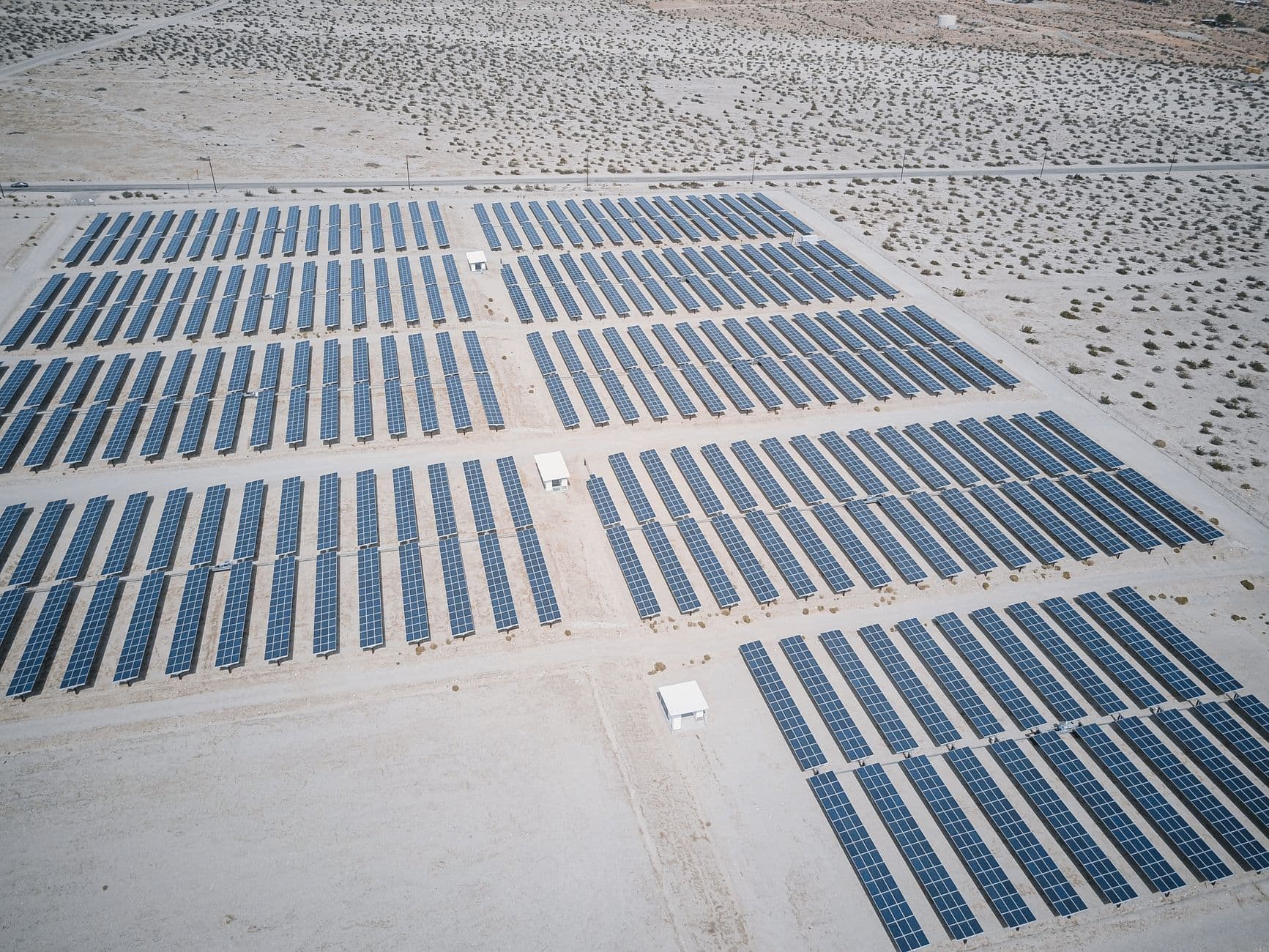
California Solar Outpaced Natural Gas on 57% of Days in 2024 Thanks to Battery Boom
In 2024 California’s solar farms, backed by a 329 % jump in battery storage, generated more electricity than natural‑gas plants on 210 of 365 days (57 % of the year).
FRV locks in 2.3 GW of German grid capacity, accelerating solar‑plus‑storage projects
FRV secured 2.3 GW of German grid capacity for solar and battery projects, enough to generate about 2.4 TWh a year – roughly 690,000 Israeli homes' electricity.
TECO expands Australian renewable footprint with 400 MW solar farm and 100 MWh battery storage
TECO Westinghouse will build a 400 MW solar farm with a 100 MWh battery in New South Wales, adding roughly 0.5 GW of clean capacity and enough electricity to power about 150,000 Australian homes.
Solis Unveils End‑to‑End Solar‑Plus‑Storage Solutions at Intersolar Europe – What It Means for Israeli Homeowners
Solis unveiled a turnkey solar‑plus‑storage package at Intersolar Europe, enabling Israeli homes to pair a 15 kW rooftop system with a 30 kWh battery for up to eight hours of backup and higher self‑consumption.