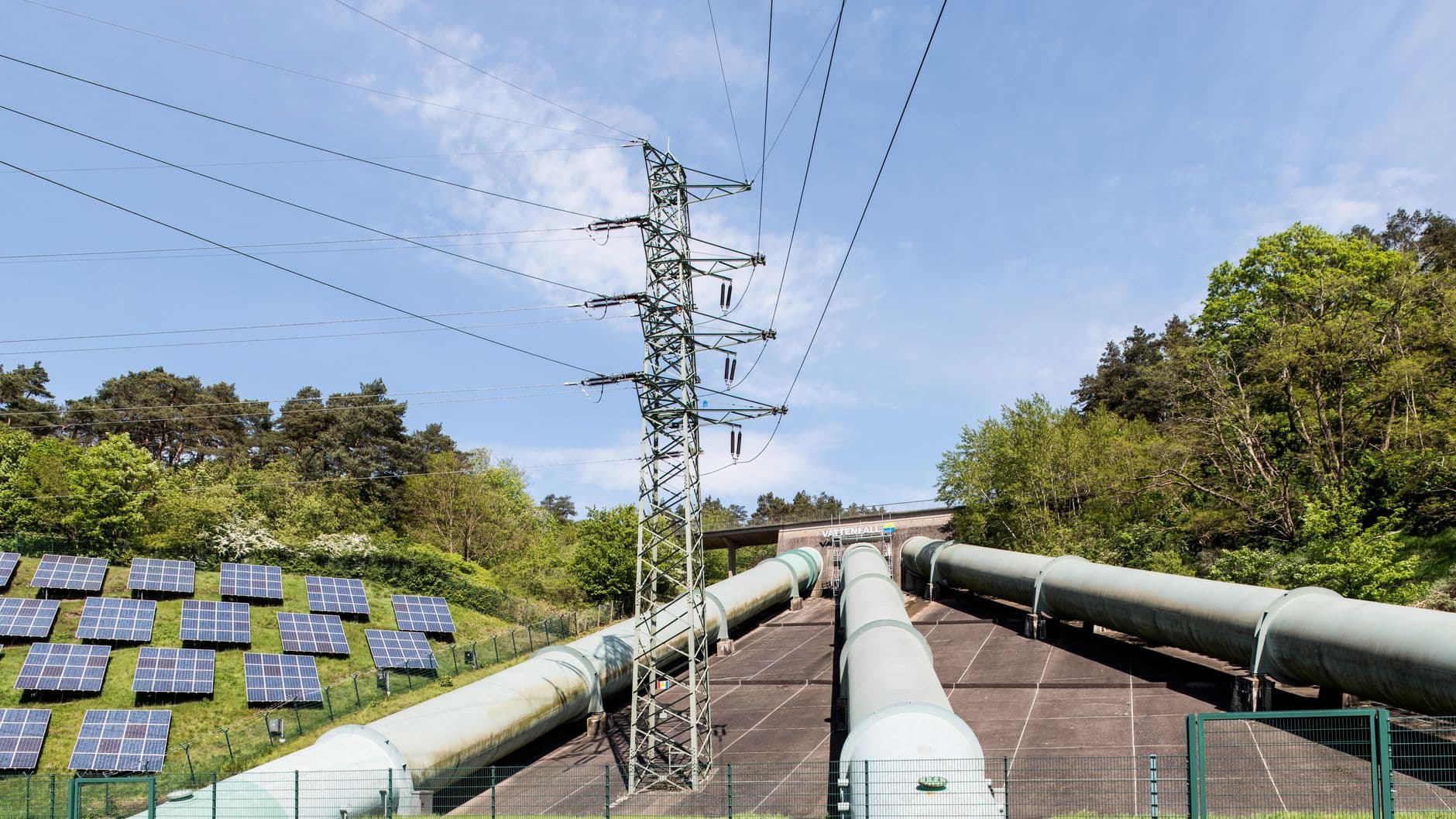
FRV locks in 2.3 GW of German grid capacity, accelerating solar‑plus‑storage projects
FRV clinches 2.3 GW of grid access in Germany, unlocking new solar and battery projects
FRV (Fotowatio Renewable Ventures) announced on June 18 2026 that it has secured 2.3 GW of grid capacity for a mixed portfolio of photovoltaic (PV) plants, stationary battery storage and hybrid solar‑plus‑storage projects across Germany. The allocation gives the Spain‑based developer a firm foothold in Europe’s largest renewable market and paves the way for several gigawatts of clean‑energy construction in the next few years.
How much power is 2.3 GW?
A 2.3 GW solar‑plus‑storage pipeline translates to roughly 2.4 TWh of electricity per year if we apply Germany’s average solar capacity factor of 12 % (2.3 GW × 8,760 h × 0.12). That amount could supply about 690,000 Israeli households, assuming the typical Israeli home consumes 3,500 kWh annually. For perspective, Germany generated 72.2 TWh of solar power in 2024, so FRV’s future output would represent more than 3 % of last year’s total German solar generation.
The portfolio mix: PV, batteries and hybrids
The secured capacity is split among three project types:
- Utility‑scale PV farms – expected to total around 1.4 GW of new solar‑panel installations, using high‑efficiency mono‑silicon modules that cost roughly €600‑€650 per kW in 2026.
- Standalone battery storage – roughly 0.5 GW of power‑rating, which at a typical 4‑hour duration equals 2 GWh of usable storage. Europe added 22 GWh of new BESS in 2024, expanding the continent’s fleet to 61 GWh.
- Hybrid solar‑plus‑storage sites – the remaining 0.4 GW will be built as integrated plants where batteries smooth out PV intermittency, a model that German regulators are actively encouraging.
These projects will be connected to Germany’s high‑voltage grid through newly allocated connection points, a critical bottleneck that has slowed many developers in recent years.
German market backdrop: Why the rush now?
Germany’s renewable transition is accelerating: by the end of 2024, 59 % of its electricity came from renewables, and solar’s share kept climbing. The country’s grid‑capacity auction in early 2026 earmarked 2.3 GW for developers who could demonstrate ready‑to‑build projects, a move designed to clear the “grid‑lock” backlog that has plagued the sector for over a decade.
At the same time, battery storage is booming. The European Battery Storage Outlook projects a 15 % annual growth in new BESS deployments, with Germany accounting for roughly one‑third of the continent’s additions. FRV’s combined solar‑storage pipeline positions it to capture a sizable slice of this growth.
FRV’s expanding pipeline and investment muscle
According to FRV’s 2025 ESG report, the company’s global development portfolio grew from ~25 GW in 2023 to ~36 GW in 2025. The German allocation adds a 6 % boost to that total. While FRV does not disclose exact investment figures for the German projects, its parent group, Abdul Latif Jameel, has earmarked over €2 billion for European solar and storage development through 2027, suggesting robust financing behind the German push.
What it means for Israel’s solar‑storage market
Israel is on its own rapid solar‑deployment trajectory. The government’s mandatory rooftop solar for new non‑residential buildings aims to add 3.5 GW of capacity by 2028, and the national target is 30 % renewable electricity by 2030. FRV’s German success offers two concrete takeaways for Israeli stakeholders:
- Grid‑capacity planning is decisive – Israel’s transmission operator (IPA) is already reviewing a new “grid‑access auction” for large‑scale solar farms. Early allocation, as demonstrated in Germany, can shave years off project timelines.
- Hybrid solar‑plus‑battery models are financially attractive – Assuming a 15 % feed‑in tariff for solar (≈ ₪0.60 /kWh) and a battery revenue of ₪0.10 /kWh for ancillary services, a 10 MW hybrid plant in Israel could achieve a payback period of roughly 6.5 years, faster than a stand‑alone PV plant (≈ 8 years). This rough estimate uses current Israeli tariff data and FRV’s German hybrid cost assumptions.
For Israeli home owners, the German numbers illustrate the scale: a 15 kW residential system (typical for a family home) costs about ₪150,000 in 2026, delivering roughly 18 MWh of clean electricity over 15 years – enough to offset around 30 % of an average Israeli household’s consumption.
Timeline and next steps
FRV plans to break ground on the first German PV farms by Q4 2026, with battery installations following in early 2027. The hybrid sites are slated for 2028, aligning with Germany’s “Renewable Energy Expansion Act” which will provide additional subsidies for integrated storage.
On the policy front, the European Commission’s Fit‑for‑55 package is expected to tighten renewable targets, meaning that developers like FRV will likely see more favorable financing conditions and possibly green‑bond issuances to fund the projects.
Forward‑looking: From Germany to the wider world
FRV’s German win is a template for other markets where grid‑capacity scarcity is the main obstacle. By securing connection rights early, the company can de‑risk projects, attract institutional capital, and accelerate the rollout of solar‑plus‑storage hybrids that smooth the grid and reduce curtailment.
For Israel, the lesson is clear: proactive grid‑access allocation combined with integrated storage can dramatically speed up the nation’s clean‑energy transition, delivering both climate benefits and economic returns.
All figures are based on publicly available data as of June 2026 and are rounded to the nearest sensible unit.
Sources & further reading
FAQ
How much electricity will FRV’s 2.3 GW generate in Germany?
At a typical 12 % solar capacity factor, the 2.3 GW will produce roughly 2.4 TWh per year.
What types of projects are included in FRV’s German portfolio?
The portfolio mixes utility‑scale PV farms, standalone battery storage, and hybrid solar‑plus‑battery sites.
How does FRV’s German capacity compare to Germany’s total solar output?
Germany generated 72.2 TWh of solar power in 2024, so FRV’s future output would be a little over 3 % of that total.
What does this mean for Israeli households?
The expected 2.4 TWh of generation could power about 690,000 Israeli homes, illustrating the scale of the project.
When will FRV start building the German projects?
The first PV farms are slated for groundbreaking in Q4 2026, with batteries following in early 2027 and hybrids by 2028.
Can Israeli developers replicate Germany’s grid‑capacity strategy?
Yes – early participation in grid‑access auctions can shave years off project timelines and attract financing, as shown by FRV’s German success.
Share this post
How much could your roof earn?
Pick a roof size and region — get an instant estimate.
Estimated annual revenue
₪17,804
Payback
3.9 yrs
System size
Annual output
trees
More from Storage
4
California Solar Outpaced Natural Gas on 57% of Days in 2024 Thanks to Battery Boom
In 2024 California’s solar farms, backed by a 329 % jump in battery storage, generated more electricity than natural‑gas plants on 210 of 365 days (57 % of the year).
TECO expands Australian renewable footprint with 400 MW solar farm and 100 MWh battery storage
TECO Westinghouse will build a 400 MW solar farm with a 100 MWh battery in New South Wales, adding roughly 0.5 GW of clean capacity and enough electricity to power about 150,000 Australian homes.
Solis Unveils End‑to‑End Solar‑Plus‑Storage Solutions at Intersolar Europe – What It Means for Israeli Homeowners
Solis unveiled a turnkey solar‑plus‑storage package at Intersolar Europe, enabling Israeli homes to pair a 15 kW rooftop system with a 30 kWh battery for up to eight hours of backup and higher self‑consumption.
Israel’s Energy‑Start‑Up Landscape: 91 Firms Focus on Battery Storage, SaaS, and Market‑Ready Solar Solutions
Half of the 91 European energy start‑ups surveyed focus on battery‑storage performance, with SaaS revenue models leading; for Israel this means a 12‑year pay‑back for a typical 15 kW rooftop system and a fast‑growing market for battery‑optimisation software.