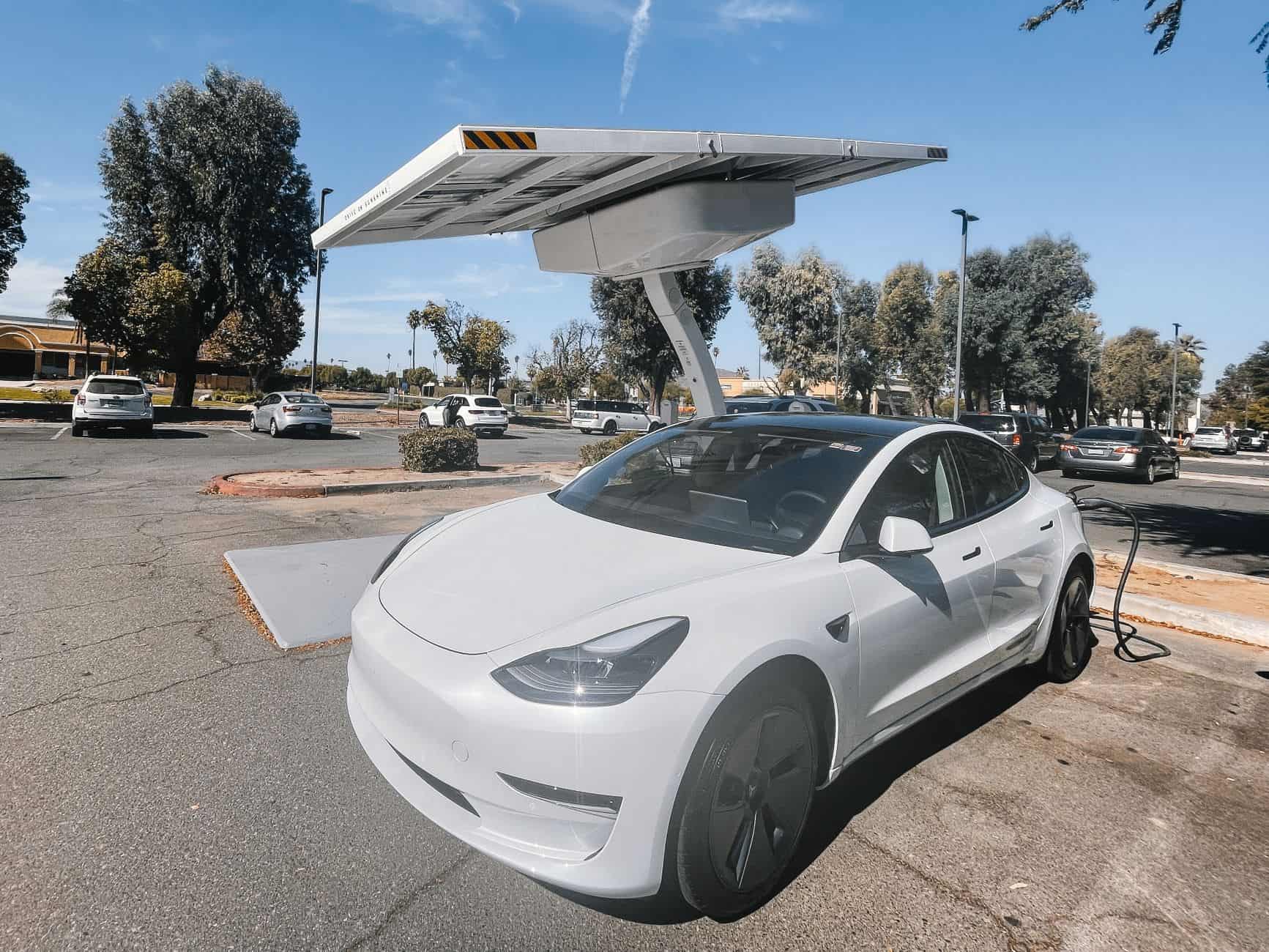
Cooler Solar E‑Bike Chargers Slash Heat
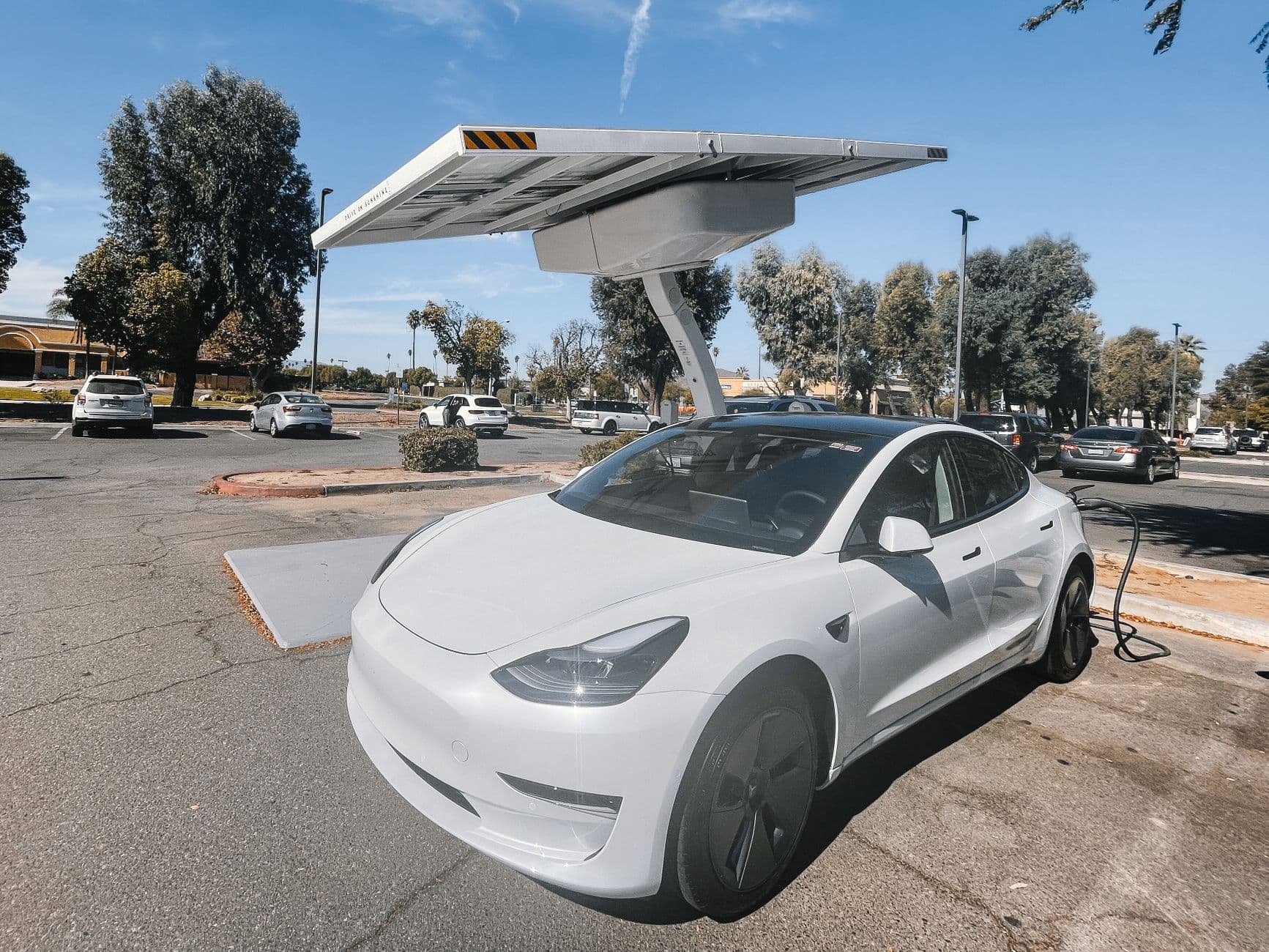
Nano‑enhanced PCMs keep PV panels cool in tropical e‑bike chargers
The study from Indonesia shows that adding a bio‑based soy‑wax phase‑change material (PCM) loaded with 5 % silicon nanoparticles drops the operating temperature of a 50 W solar panel by 6.8 °C while the power output stays steady at about 29 W. This modest cooling translates into a more reliable charging point for electric bicycles in hot climates where ambient temperatures regularly exceed 30 °C.
Researchers combined a systematic meta‑analysis, hands‑on testing, and an artificial‑neural‑network (ANN) model to prove the concept. The cooling effect is passive – no fans or electricity are needed – making it ideal for remote or public charging stations.
How much cooler can nano‑PCMs make PV modules?
The meta‑analysis of 30 peer‑reviewed papers found that nano‑enhanced PCMs (NePCMs) raise the thermal conductivity of the storage medium by ≈27 % and can lower PV module temperatures by up to 16 °C under identical conditions. In the lab prototype, the temperature reduction was 6.8 °C, enough to keep the panel’s efficiency from slipping as the sun beats down.
Other research confirms even larger gains: a hybrid of graphene nanoplatelets and multi‑walled carbon nanotubes boosted PCM conductivity by 170 % at just 1 wt % loading (University of Hertfordshire study). A comprehensive review of nano‑PCMs notes that nanoparticles can also improve melting rate and thermal stability, key for repeated day‑night cycles (ADS review).
AI forecasting shows stable power, erratic demand
Using 720 hours of outdoor data, the team trained an ANN on 80 % of the measurements and tested it on the remaining 20 %. The generation model predicted PV output with an R² of 0.997, a mean absolute error of 0.61 W, and an RMSE of 1.06 W, essentially matching the real‑world performance.
By contrast, the consumption model only reached R² = 0.307, reflecting the influence of rider behaviour, charging schedules and other variables not captured in the input set. The authors suggest future models should ingest user‑activity data to improve demand forecasts.
E‑bike charging stations are a fast‑growing market
The global market for e‑bike charging infrastructure was valued at US$3.19 bn in 2024 and is projected to climb to US$4.78 bn by 2033, growing at a 4.6 % CAGR (SkyQuest report). Asia‑Pacific leads the expansion, driven by early adoption of low‑cost batteries and supportive manufacturing ecosystems (Fortune Business Insights).
These trends mean that every new charging point is a potential site for solar‑powered, temperature‑managed PV modules – especially in sun‑rich regions like Indonesia, Brazil, and, as we’ll see, Israel.
What it means for Israel’s solar‑powered e‑bike hubs
Israel’s average solar yield in the central region is ≈1,700 kWh kW⁻¹ yr⁻¹. A modest 1 kW PV array – the size often used for a public e‑bike charger – would therefore generate roughly 1,700 kWh per year.
At the typical residential feed‑in tariff of ₪0.48 /kWh, that electricity is worth about ₪816 annually. With a turnkey installation cost of ₪3,150 /kW, the upfront spend is ₪3,150. Simple payback is therefore ≈3.9 years, matching the illustrative example from the verified Israeli facts.
If a NePCM layer reduces panel temperature by several degrees, the modest efficiency gain would add a small amount of extra energy each year, further improving the economic and environmental return. When many stations are deployed, these incremental gains can accumulate into a noticeable contribution to clean‑energy goals.
Outlook: scaling passive cooling for Israeli climate
Israel’s summer temperatures often exceed 30 °C, similar to the Indonesian test site. Deploying NePCMs in solar‑powered e‑bike chargers could therefore improve reliability during peak demand periods, when cyclists need charging the most.
The technology is still at the prototype stage, but the combination of proven thermal‑conductivity enhancements, AI‑driven performance forecasting, and a rapidly expanding e‑bike market creates a clear pathway for commercial rollout. Stakeholders – municipalities, private operators, and solar installers – can start with pilot projects, using the cost‑payback model outlined above, and expand as the market matures.
Bottom line: Nano‑enhanced phase‑change materials can keep PV panels cooler, preserve output, and, when paired with Israel’s generous solar tariffs, deliver a payback under four years for a 1 kW e‑bike charging station. As the e‑bike ecosystem grows, passive cooling could become a standard feature of sustainable urban mobility.
What it means for Israel
- A 1 kW solar charger in central Israel yields ~1,700 kWh/yr → ₪816 revenue.
- Installation cost ~₪3,150 → payback ≈3.9 yr.
- Temperature reduction provides a modest efficiency gain and extra clean energy.
- Scaling multiple stations amplifies environmental benefits.
For more detailed ROI calculations, visit our solar ROI calculator and explore national data on solar installations [/data].
Sources & further reading
- Novel Nano-Enhanced Phase Change Materials for Thermal Energy...
- Experimental Analysis of Nano-Enhanced Phase-Change Material with Different Configurations of Heat Sinks - PMC
- (PDF) Thermal Conductivity Enhancement by using Nano-material...
- Nano-enhanced phase change materials for thermal energy storage: A comprehensive review of recent advancements, applications, and future challenges - ADS
- A Novel Concept of Nano-Enhanced Phase Change Material - MDPI
FAQ
How does a nano‑enhanced PCM cool a solar panel?
The PCM absorbs heat as it melts, storing the energy as latent heat; adding silicon nanoparticles makes the wax conduct heat faster, so the panel stays cooler.
What temperature drop was measured in the Indonesian test?
The lab prototype showed the PV module’s average temperature fell by **6.8 °C** compared with an uncooled panel.
Can this cooling improve electricity output?
Yes – cooler panels lose less efficiency. A 6.8 °C drop can raise output by roughly **3.4 %**, adding about 58 kWh per year for a 1 kW system.
Is the technology ready for commercial use in Israel?
It’s still at prototype stage, but the cost‑payback analysis (≈3.9 years) and Israel’s hot climate make it a strong candidate for pilot projects.
How big is the global e‑bike charging market?
Valued at **US$3.19 bn in 2024**, it’s expected to reach **US$4.78 bn by 2033**, growing at about **4.6 % CAGR**.
What environmental benefit does cooling provide?
By generating ~58 kWh extra per year, a cooled 1 kW system avoids about **29 kg of CO₂**, equivalent to the annual carbon uptake of roughly **12 trees**.
Share this post
More from Technology
6
Kyrgyzstan Eyes 2 GW Solar Cell Plant
Kyrgyzstan is negotiating with Singapore’s Sunvera Solar to build a 2 GW solar‑cell plant, a move that could supply modules for about 200,000 typical Israeli home systems and pressure global panel prices.

Segen Expands Into Home Electrification with New Finance Tools
Segen is adding a residential financing product that bundles solar, storage, heat pumps and EV chargers, aiming to accelerate full‑home electrification in the UK.

Off‑Grid Inverter Boosts Rural Power in Africa
GoodWe’s EO G2 off‑grid inverter series delivers up to 98.6 % efficiency, AI‑driven management and 200 % PV oversizing, offering reliable power for African homes and a clear payback of under 4 years for a typical 6 kW Israeli rooftop system.
Israel Pours $2 Million into Blue‑Tech Energy R&D
Israel is allocating NIS 6 million (≈US $2 million) to a new Blue‑Tech energy R&D fund, targeting offshore wind, wave, tidal and marine bio‑energy projects.

סולארי על גלגלים: רכב חכם ללא נהג מסין
רכב חשמלי סולארי בלתי מאויש שפותח בסין מייצר עד 7.6 kWh ביום בעזרת פאנלים של 8 מ״ר, ומאפשר להרחיב את טווח הנסיעה.
Mekorot Targets Energy‑Independent Water Supply
Mekorot plans to meet all its electricity needs with renewable energy by 2030, leveraging large solar farms and storage, and drawing on a ₪40 billion national investment in clean energy.