Choosing Solar Panels for an Israeli Home – Costs, Returns, and What It Means for You
What size system does a typical Israeli home need?
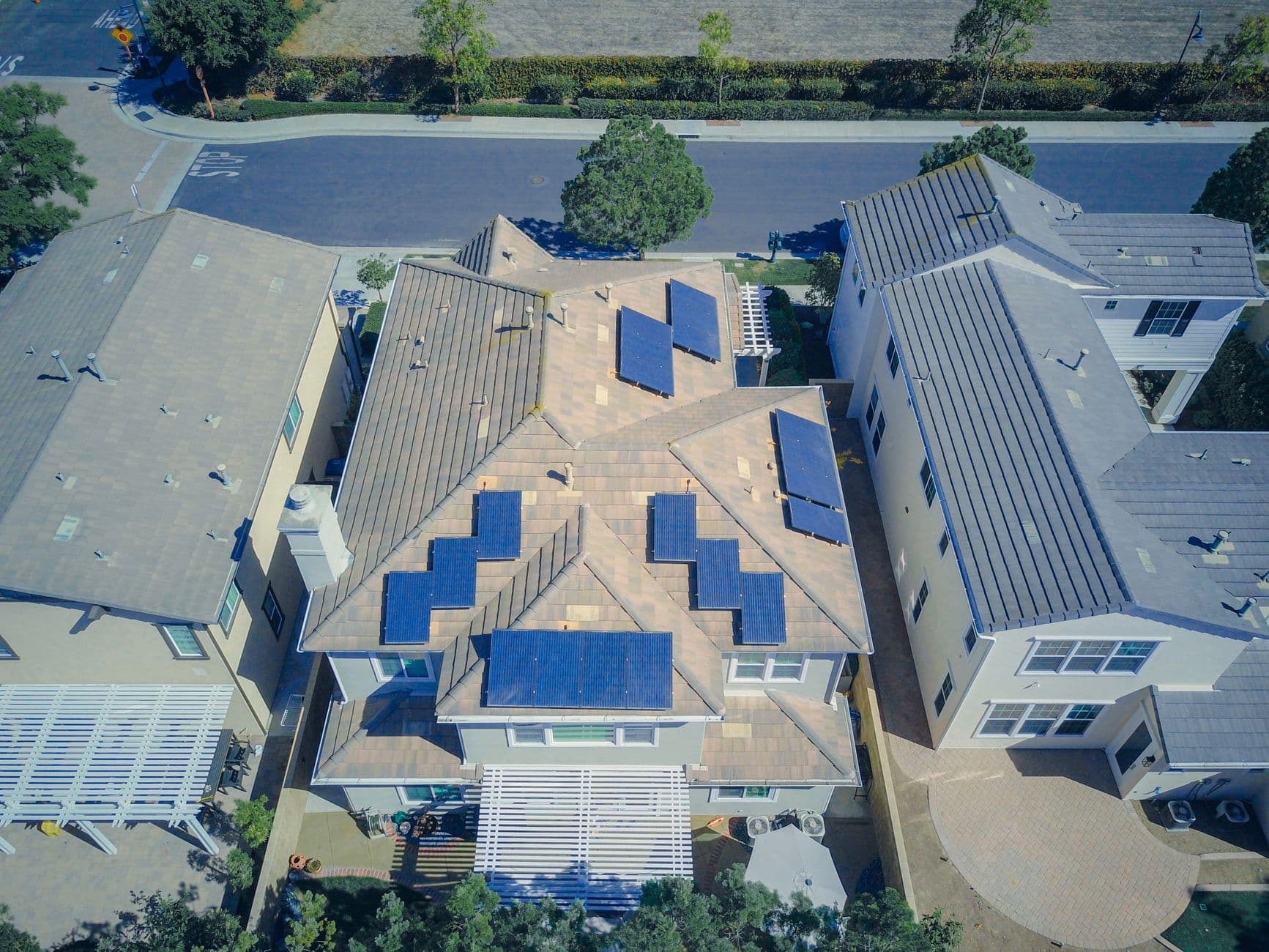
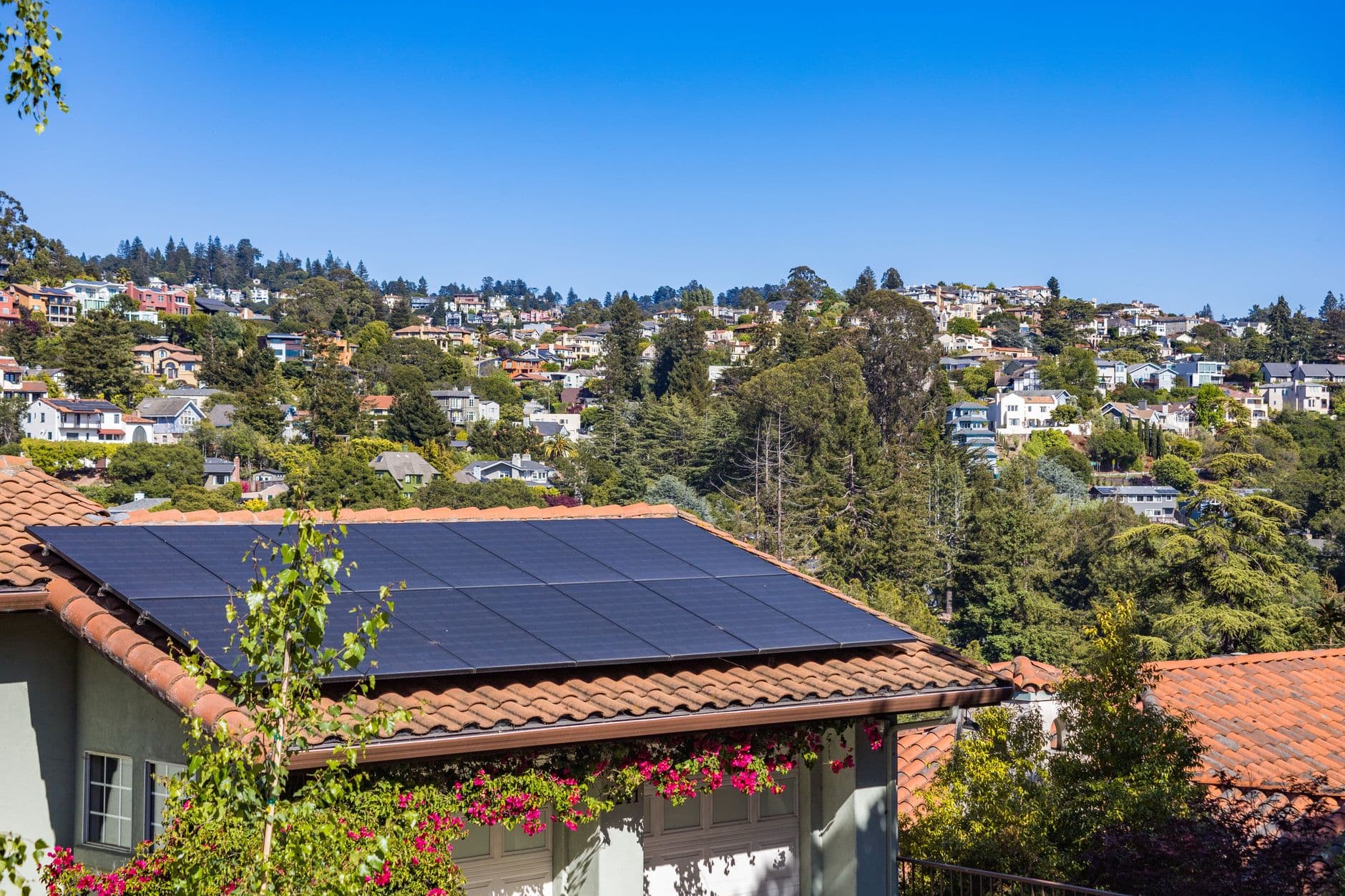
A 15 kW rooftop solar power system is the sweet spot for the average family house in Israel, delivering roughly 20‑22 MWh of electricity per year – enough to cover about 70 % of a typical household’s consumption. The figure comes from the Energy Ministry’s own modelling, which shows a 15 kW array on a south‑facing roof can generate between 1,350 and 1,470 kWh per installed kilowatt in the sunny Israeli climate.
Which solar panel technology gives the best energy yield in Israel?
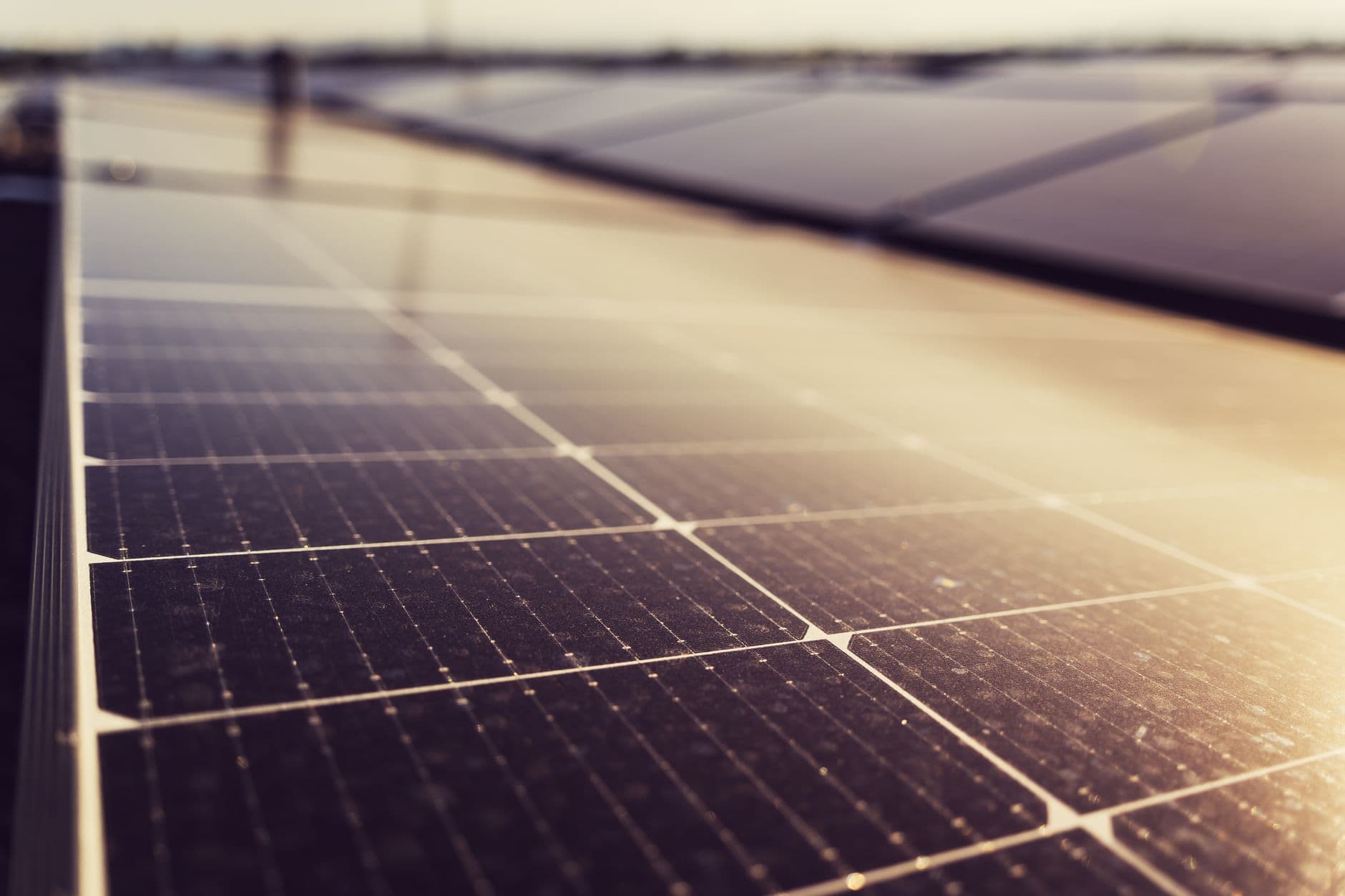
Monocrystalline panels with bifacial cells provide the highest efficiency (22‑24 % lab‑rated) and the best performance under Israel’s high‑irradiance conditions. Bifacial modules capture reflected light from the roof and ground, adding 5‑10 % extra energy compared with standard monofacial panels. Polycrystalline panels are cheaper (about 5‑7 % lower price per watt) but lose 1‑2 % in efficiency, which matters when roof space is limited. Flexible thin‑film panels are useful only for very shallow roofs or shading‑prone areas, as their efficiencies sit around 10‑12 %.
How much does a 15 kW home system cost and how fast does it pay back?
Using the current European‑average price of $1.5 per watt (≈ NIS 5.4 / W) as a proxy for Israeli market pricing – a figure supported by the price drop reported in the UK market (Jackery, 2026) – the upfront investment for a 15 kW system is about NIS 81,000 (15,000 W × NIS 5.4 / W). The Energy Ministry guarantees a 15 % annual return on the electricity produced, which translates to an average annual revenue of NIS 13,000 for a 15 kW system (Times of Israel, 2025).
Dividing the capital cost by the yearly return gives a payback period of roughly 6.2 years. After the 25‑year guaranteed period, the system will have generated about NIS 325,000 in revenue, well beyond the initial outlay, while continuing to produce electricity for another decade with only a modest 1 %‑1.5 % annual degradation (ScienceDirect, 2025).
What are the current solar panel prices and trends in Israel?
Panel prices in Israel have followed the global trend of declining costs, now hovering around $1.5‑$1.7 per watt (≈ NIS 5‑6 / W). This is comparable to the European market and markedly lower than the $2.5 / W seen a decade ago. The drop is driven by economies of scale in China, improved cell efficiencies, and local incentives that have spurred a surge in demand. According to the IEA, worldwide solar PV installations are set to accelerate in 2024 as supply‑chain bottlenecks ease, which should keep prices on a downward trajectory (IEA, 2024).
How do Israeli policies boost residential solar adoption?
Two major policy levers are propelling rooftop solar:
- 15 % guaranteed annual yield for 25 years – a fixed feed‑in tariff that protects owners from market volatility (Times of Israel, 2025).
- The “100,000 Photovoltaic Roof” program, launched by Energy Minister Eli Cohen, aims to install 100,000 residential systems by 2028, offering streamlined permits and additional subsidies for low‑income households (BasenPower, 2025). Combined, these measures have helped Israel’s renewable‑energy capacity reach 8.88 GW in 2026, and the sector is projected to grow at a CAGR of 18.84 % to 21.05 GW by 2031 (Mordor Intelligence, 2026).
What impact will a home system have on your electricity bill?
A 15 kW system offsets roughly 70 % of the average Israeli household’s annual electricity consumption (≈ 30 MWh). With the utility price at $0.14 /kWh (≈ NIS 0.5 /kWh) for residential users (PVKnowhow, 2024), the avoided grid purchase amounts to about NIS 13,000 per year, matching the Ministry’s revenue estimate. In practical terms, the homeowner sees a monthly bill reduction of NIS 1,080 and gains energy independence during peak‑sun hours.
What does choosing the right panels mean for Israel’s renewable goals?
If 500,000 Israeli homes each install a 5 kW monocrystalline system, the country would add 2.5 GW of rooftop capacity – roughly 12 % of the 21 GW renewable‑energy target for 2031. Efficient bifacial panels would push that contribution even higher, shaving years off the timeline to meet the national security‑driven goal of reducing fossil‑fuel imports. Moreover, higher‑efficiency modules reduce required roof area, making solar viable even on densely built urban blocks.
Practical tips for installing your home solar system
- Orientation & tilt: Aim for a south‑facing roof with a tilt of 30‑35°, which maximizes annual irradiance in Israel.
- Shade management: Even a small shadow can cut output by 10‑20 %; use micro‑inverters or power optimizers to mitigate mismatch losses.
- Certified installers: Choose firms registered with the Israel Electricity Authority; they must provide a Performance Ratio (PR) ≥ 0.80 and a warranty of at least 25 years for the inverter.
- Future‑proofing: Size the inverter slightly larger than the panel array (e.g., 17 kW inverter for 15 kW panels) to accommodate occasional over‑production on hot days.
- Monitoring: A cloud‑based portal lets you track daily yield, compare it against the guaranteed 15 % return, and spot under‑performance early.
By selecting high‑efficiency monocrystalline (or bifacial) panels, factoring in roof orientation, and leveraging Israel’s generous feed‑in tariff, homeowners can achieve a 6‑year payback, slash their electricity bills, and contribute meaningfully to the country’s clean‑energy future.
Sources & further reading
FAQ
How many solar panels do I need for a 15 kW system?
Typically 45‑50 monocrystalline panels of 300‑330 W each are required to reach 15 kW.
What is the average lifespan of residential solar panels in Israel?
Most panels are rated for 25‑30 years, with a degradation rate of about 1 % per year.
Can I install solar panels on a flat roof?
Yes, but you’ll need mounting structures to set the panels at a 30‑35° tilt for optimal sun exposure.
Do I need a battery to benefit from the 15 % tariff?
No, the tariff applies to the electricity you feed into the grid; batteries are optional for backup or self‑consumption.
How does shading affect my system’s output?
Even a small shadow can reduce output by 10‑20 %; using micro‑inverters or power optimizers can limit the loss to the shaded panel only.
Is financing available for home solar in Israel?
Many banks and fintech firms offer low‑interest loans tied to the guaranteed 15 % annual return, making upfront costs easier to manage.
Share this post
How much could your roof earn?
Pick a roof size and region — get an instant estimate.
Estimated annual revenue
₪17,804
Payback
3.9 yrs
System size
Annual output
trees
More from Residential
5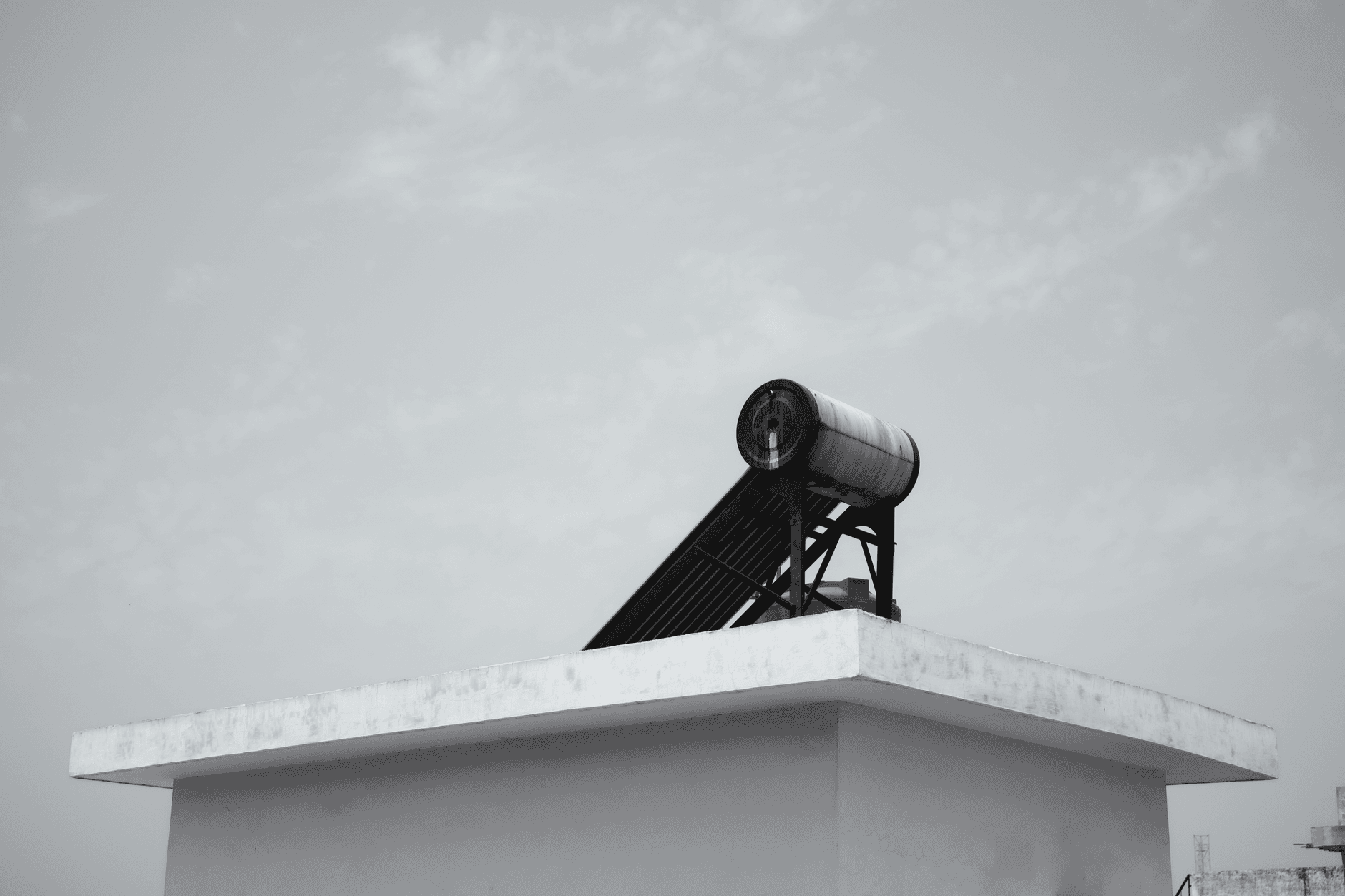
Solar water heating vs PV for Israeli homes
Solar water heaters are more efficient and cheaper to run than photovoltaic panels for hot water in Israel, with a payback of ~20 years versus ~17 years for a 5 kW PV system.
Shared rooftop solar for Israeli apartments – key facts
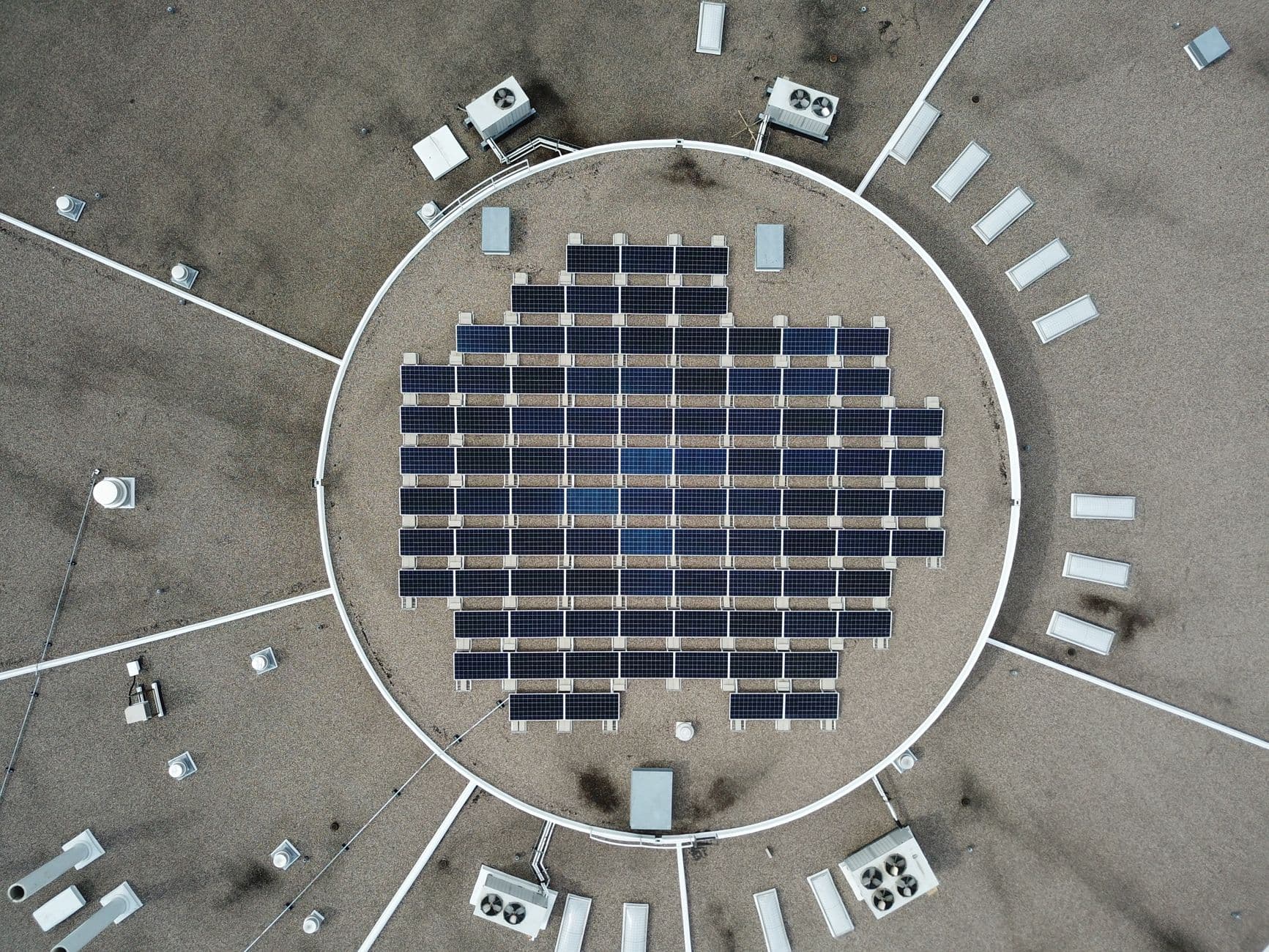
Israel now mandates shared rooftop solar on new apartment buildings, delivering up to 15 kW per block and cutting tenants’ electricity bills by roughly 14,000 NIS per year.
How Israeli Homeowners Should Clean Their Solar Panels: Frequency, Costs & Savings
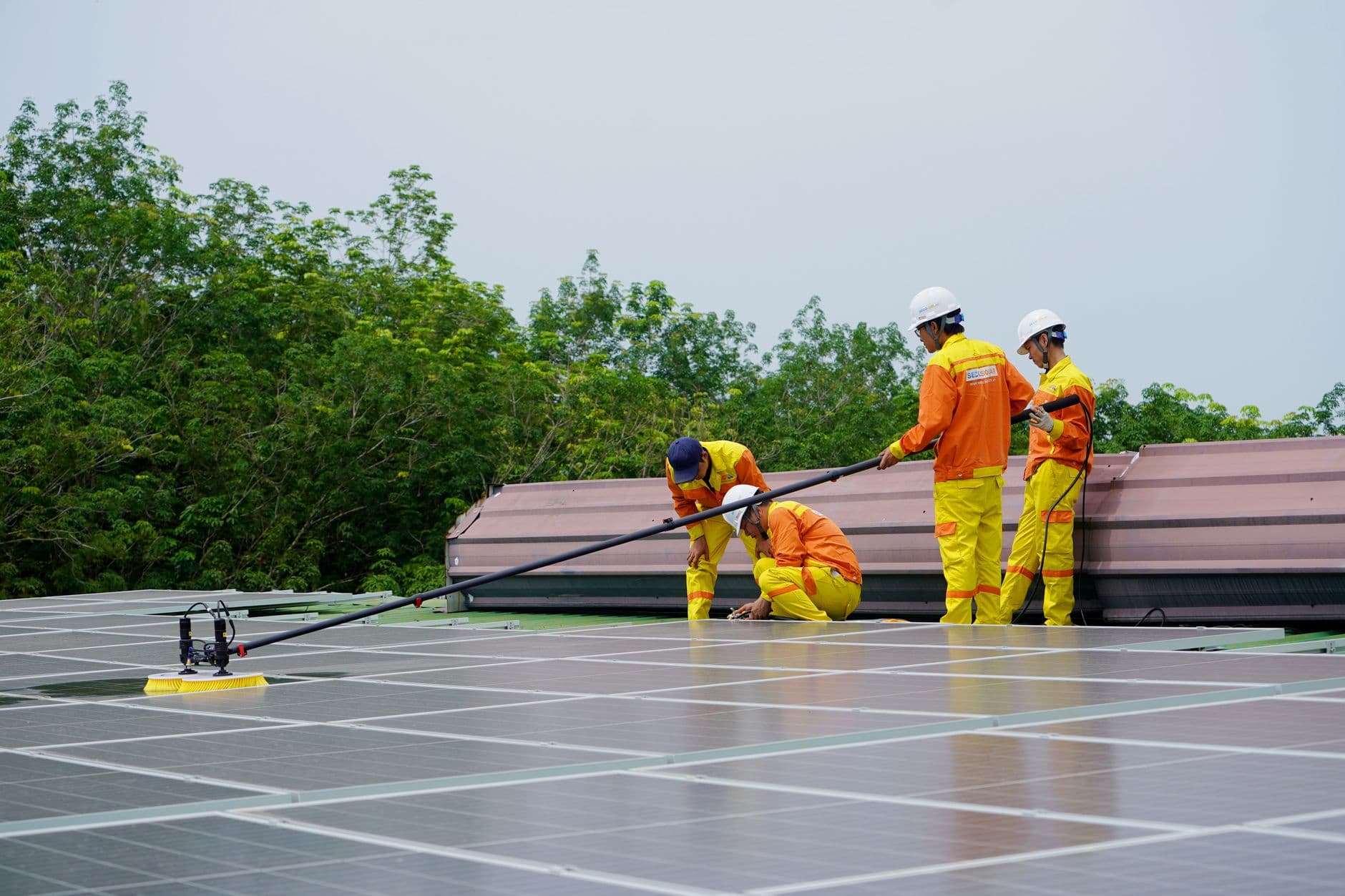
Israeli homeowners should clean rooftop PV panels twice a year to keep efficiency above 95 %; a DIY clean costs ~75 NIS and pays back in under a year, while professional cleaning takes over five years to recoup.
U.S. DOE Solar Cost Benchmarks Show 15 kW Home System Costs Around ₪140 k in Israel
The DOE’s 2024 benchmark puts residential solar at $2.50/W, while a 15 kW home system in Israel costs about ₪18,000 and pays for itself in under 3 years.
U.S. Residential Solar Rooftop Potential: How Much Power Can Homeowners Capture in 2024?
U.S. rooftops could host about 1.2 TW of solar PV, producing roughly 300 TWh a year – enough to power 30 million homes – while a typical 15 kW home system now costs about $42,000 before tax credits and pays back in ~7.5 years.