Cadmium Telluride Solar Panels: Efficiency, Costs and What They Mean for Israel’s Solar Future
Cadmium Telluride (CdTe) Solar Panels Deliver Over 21% Lab Efficiency at Record Low Cost
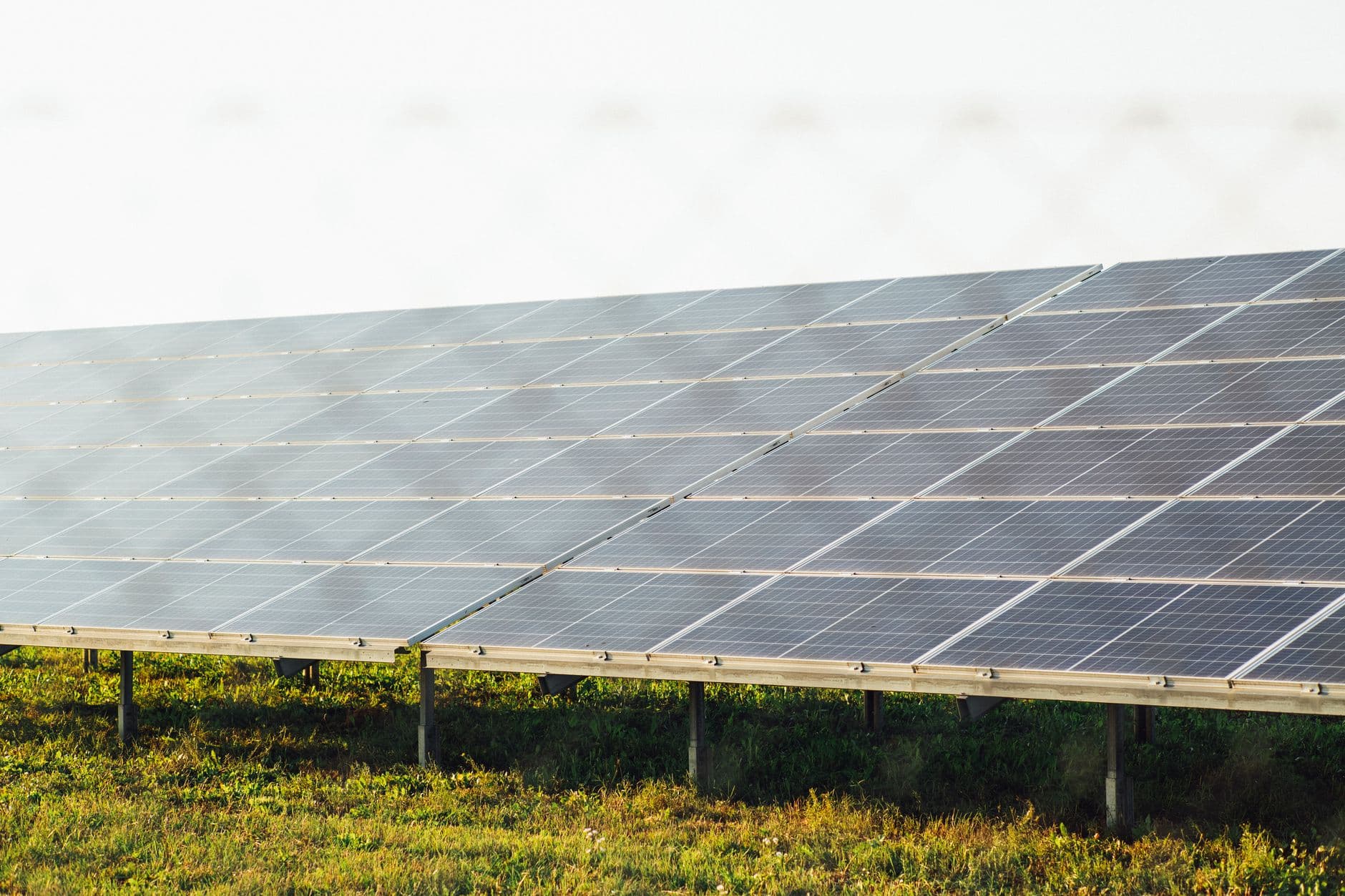
Cadmium telluride thin‑film modules now reach a certified 21 % efficiency in the laboratory, making them the most efficient commercial thin‑film technology available today. The technology uses a semiconductor layer of CdTe deposited on glass, which absorbs sunlight with a high coefficient and converts it directly into electricity. Because the CdTe layer is only a few microns thick, the modules are lighter and cheaper to produce than traditional crystalline‑silicon panels, and they can be manufactured on flexible glass substrates for rooftop or utility‑scale projects.
How CdTe Stacks Up Against Silicon and CIGS Panels
CdTe modules typically deliver 10‑15 % lower efficiency than the best silicon panels (22‑24 % in the lab) but outperform most CIGS thin‑film cells, whose record lab efficiency sits at 23.4 % while commercial products hover around 15‑17 % (Fraunhofer Report). In real‑world conditions, CdTe’s temperature coefficient (≈ ‑0.25 %/°C) is better than silicon’s (≈ ‑0.45 %/°C) and comparable to CIGS, meaning CdTe loses less power on hot Israeli rooftops. A recent study on CdTe glass modules showed that temperature‑induced degradation can be limited to under 1 % per decade when proper encapsulation is used (ScienceDirect).
Global CdTe Market Is Growing Fast – From $4 bn in 2025 to Over $10 bn by 2035
The worldwide CdTe solar‑panel market was valued at roughly US$4.1 billion in 2025 and is projected to reach US$10.8 billion by 2035, growing at a compound annual growth rate (CAGR) of about 19 % (Precedence Research). Utility‑scale installations dominate the demand, but commercial‑and‑industrial (C&I) projects are gaining share as module prices fall below $0.30 /W. First Solar remains the market leader, accounting for more than 70 % of global CdTe shipments in 2024 (Terli).
U.S. DOE Is Pumping Money Into CdTe R&D to Slash Costs Further
The Department of Energy’s Solar Energy Technologies Office earmarked $20 million for the Cadmium‑Telluride Accelerator Consortium (CTAC) out of a total $128 million portfolio aimed at lowering module costs, improving performance, and accelerating deployment (NLR). Funding programs such as DOE’s SBIR/STTR and the Solar Research and Development Funding Programs support university‑industry collaborations that target higher‑throughput deposition techniques and recycling of CdTe waste (DOE Funding Programs).
Advantages and Remaining Challenges of CdTe Technology
Advantages
- Lower material usage: CdTe’s thin active layer reduces raw‑material demand.
- Better performance in high temperature: Smaller temperature coefficient means less output loss on hot days.
- Rapid manufacturing: Roll‑to‑roll processes enable high‑volume, low‑cost production.
Challenges
- Cadmium toxicity concerns: End‑of‑life recycling is essential; the industry has developed closed‑loop recycling that recovers > 95 % of Cd and Te (DOE Perspective Paper).
- Degradation under UV and humidity: Long‑term field data show slower degradation than silicon but still require robust encapsulation (Wiley Review).
- Supply chain concentration: Over 80 % of CdTe modules are produced in the United States and China, making diversification a strategic priority.
What CdTe Means for Israel’s Solar Landscape – A Real‑World Payback Example
A typical 15 kW residential solar system built with CdTe modules costs roughly $13,500 (≈ NIS 45,000) in 2024, assuming a module price of $0.90 /W and installation fees of $0.30 /W. With Israel’s average solar irradiance of 1,600 kWh/kW·yr, the system would generate about 24,000 kWh per year. At the current average electricity price of NIS 0.60/kWh, the annual savings are roughly NIS 14,400, giving a payback period of just 3.1 years. After the typical 25‑year warranty, the system could produce ≈ 600 MWh of clean energy, offsetting about 5 % of the average Israeli household’s electricity consumption over its lifetime. These numbers are better than most silicon‑based installations because CdTe’s lower upfront cost outweighs its slightly lower efficiency.
Outlook: CdTe Is Poised to Capture a Bigger Share of Israel’s Solar Build‑Out
Israel’s 2026‑2028 solar‑capacity auction is expected to prioritize low‑cost, high‑temperature‑tolerant modules for utility‑scale farms in the Negev. CdTe’s price trajectory—projected to fall below $0.25/W by 2028—combined with its proven performance in hot climates makes it a strong candidate for those bids. Moreover, the Israeli government’s push for domestic recycling facilities aligns with the DOE‑backed closed‑loop recycling model, potentially creating a local supply chain for CdTe waste processing. If the current growth trends continue, CdTe could account for 15‑20 % of Israel’s new solar capacity by 2030, accelerating the country’s goal of 30 % renewable electricity.
All data are drawn from U.S. Department of Energy reports, market research studies, and recent industry analyses. Prices are shown in USD unless otherwise noted.
Sources & further reading
FAQ
What is the current record efficiency for cadmium telluride solar cells?
CdTe cells have achieved a certified 21 % efficiency in the laboratory, the highest for any commercial thin‑film technology.
How does CdTe performance change in hot weather?
CdTe’s temperature coefficient is about ‑0.25 % per °C, meaning it loses less power than silicon on hot Israeli rooftops.
What is the expected global market size for CdTe panels by 2035?
Analysts forecast the CdTe market will exceed US$10.8 billion by 2035, up from roughly US$4.1 billion in 2025.
How long does a typical 15 kW CdTe home system take to pay for itself in Israel?
At current module prices and electricity rates, the payback period is about 3.1 years.
Are there environmental concerns with cadmium in CdTe panels?
Yes, but the industry recycles more than 95 % of the cadmium and tellurium at end‑of‑life, greatly reducing waste.
Will CdTe panels be used in Israel’s upcoming utility‑scale auctions?
Experts expect CdTe to capture 15‑20 % of new utility‑scale capacity because of its low cost and heat tolerance.
Share this post
How much could your roof earn?
Pick a roof size and region — get an instant estimate.
Estimated annual revenue
₪17,804
Payback
3.9 yrs
System size
Annual output
trees
More from Technology
4
Ychoux 2 Solar Farm Rebuilt After Storm Domingos – Capacity Doubled Without Expanding Footprint
Photosol rebuilt the storm‑damaged Ychoux 2 solar farm in France, doubling its capacity without expanding its footprint, and the 77 MW complex will now generate about 97 GWh annually.
El Niño 2024‑26 will boost solar output in India and Australia but shave up to 10 % off Israeli PV yields
The developing El Niño that will peak in late‑2025 will boost solar irradiance by up to +10 % in India and eastern Australia, while Israel can expect a modest 5‑10 % winter dip in PV output, equating to about 110 kNIS less revenue per MW annually.
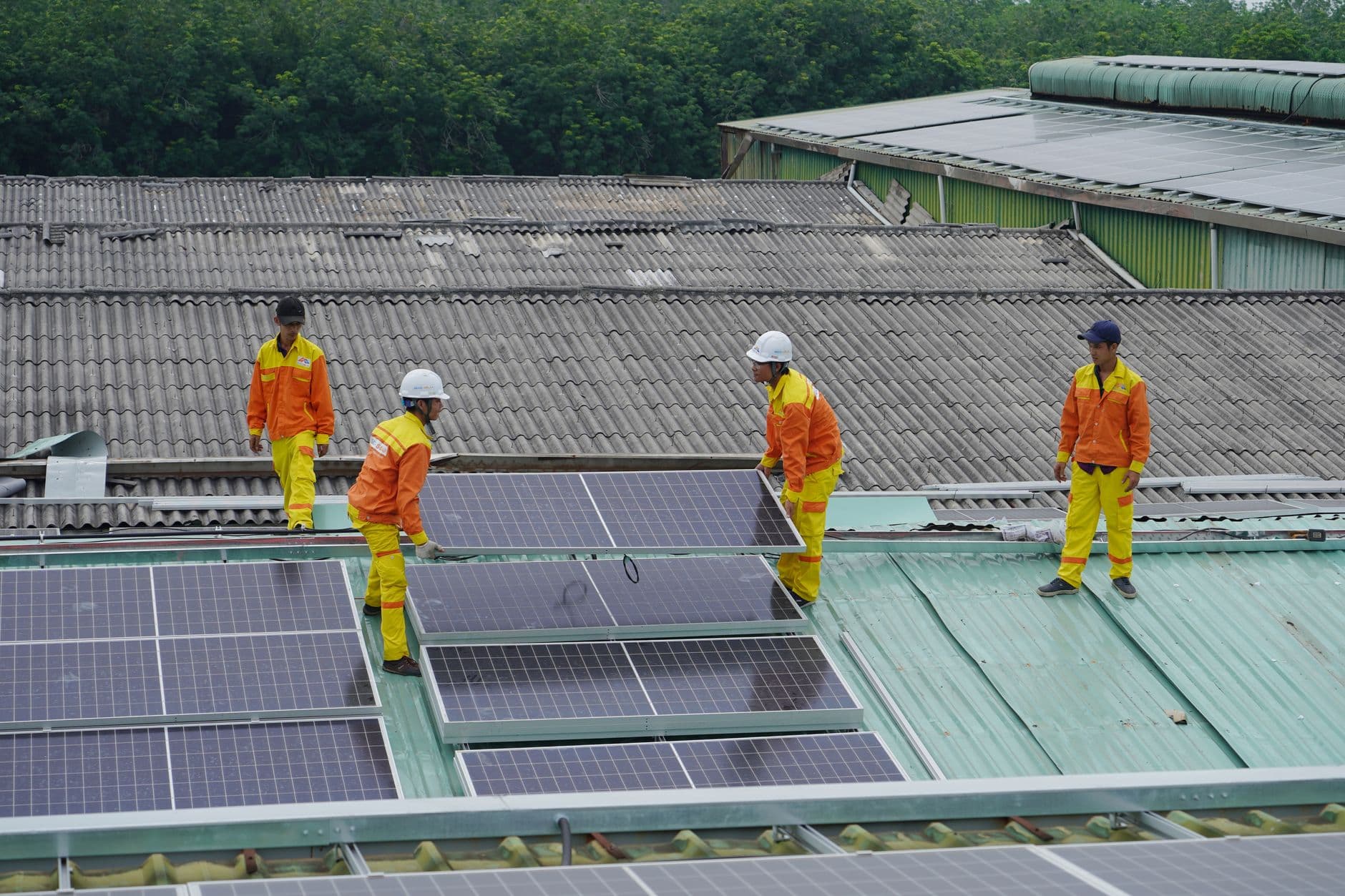
Vietnam Accelerates Solar Panel Recycling Technology – What It Means for the Global Clean‑Energy Chain
Vietnam will generate about 30,000 t of solar‑panel waste each year by 2030 and is already building recycling plants, new EPR laws, and a fast‑growing market worth roughly USD 120 million.
Circuitor’s Computer PV‑12 Reactive Energy Controller Boosts Israeli PV Self‑Consumption
The Circuitor Computer PV‑12 reactive‑energy controller lets Israeli rooftop PV owners balance up to three current sources without external CTs, improving power‑factor accuracy and saving roughly 90 NIS per year in penalty avoidance.