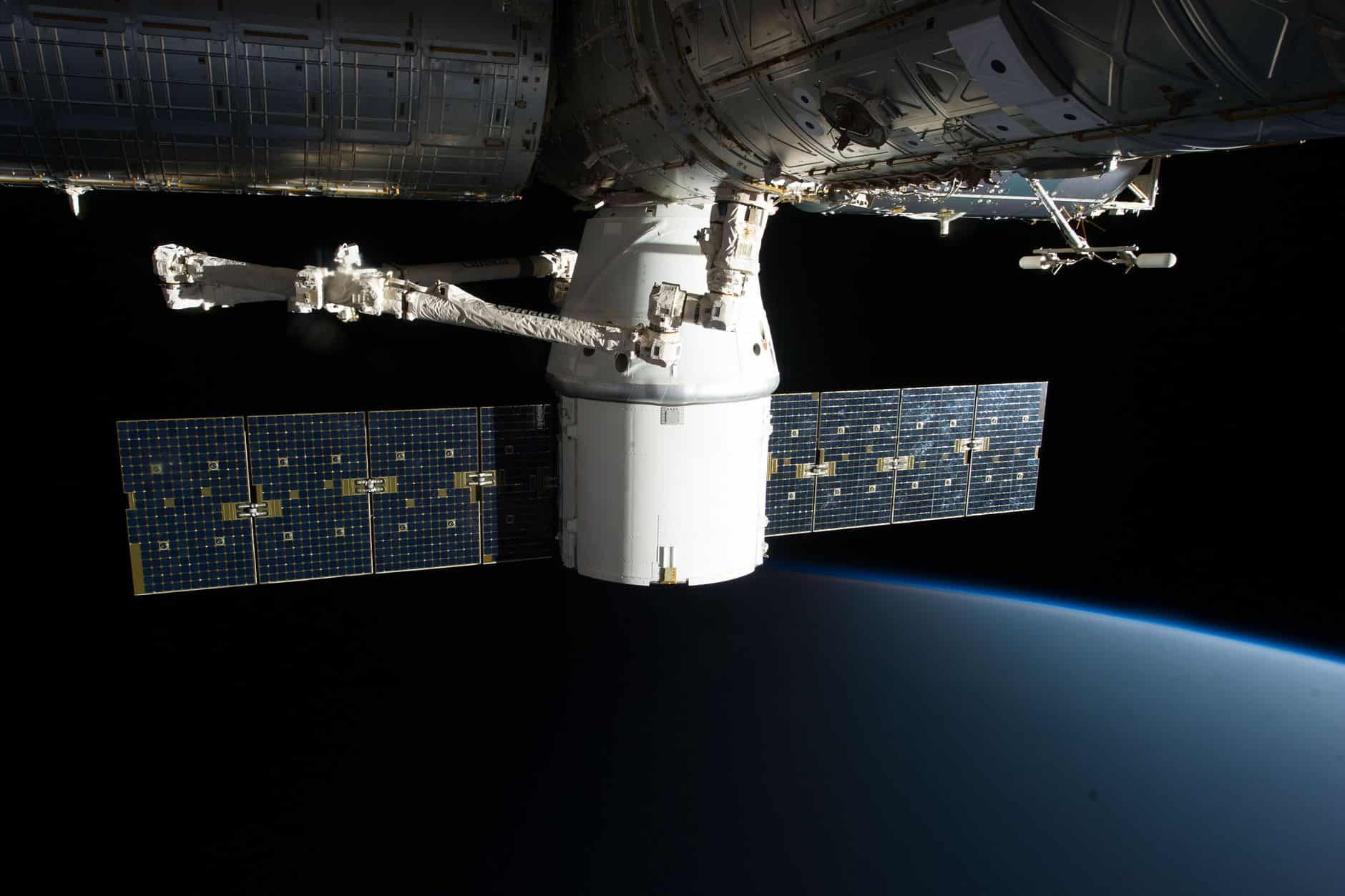
Taiwanese Firms Target US with 1 GW TOPCon Plant
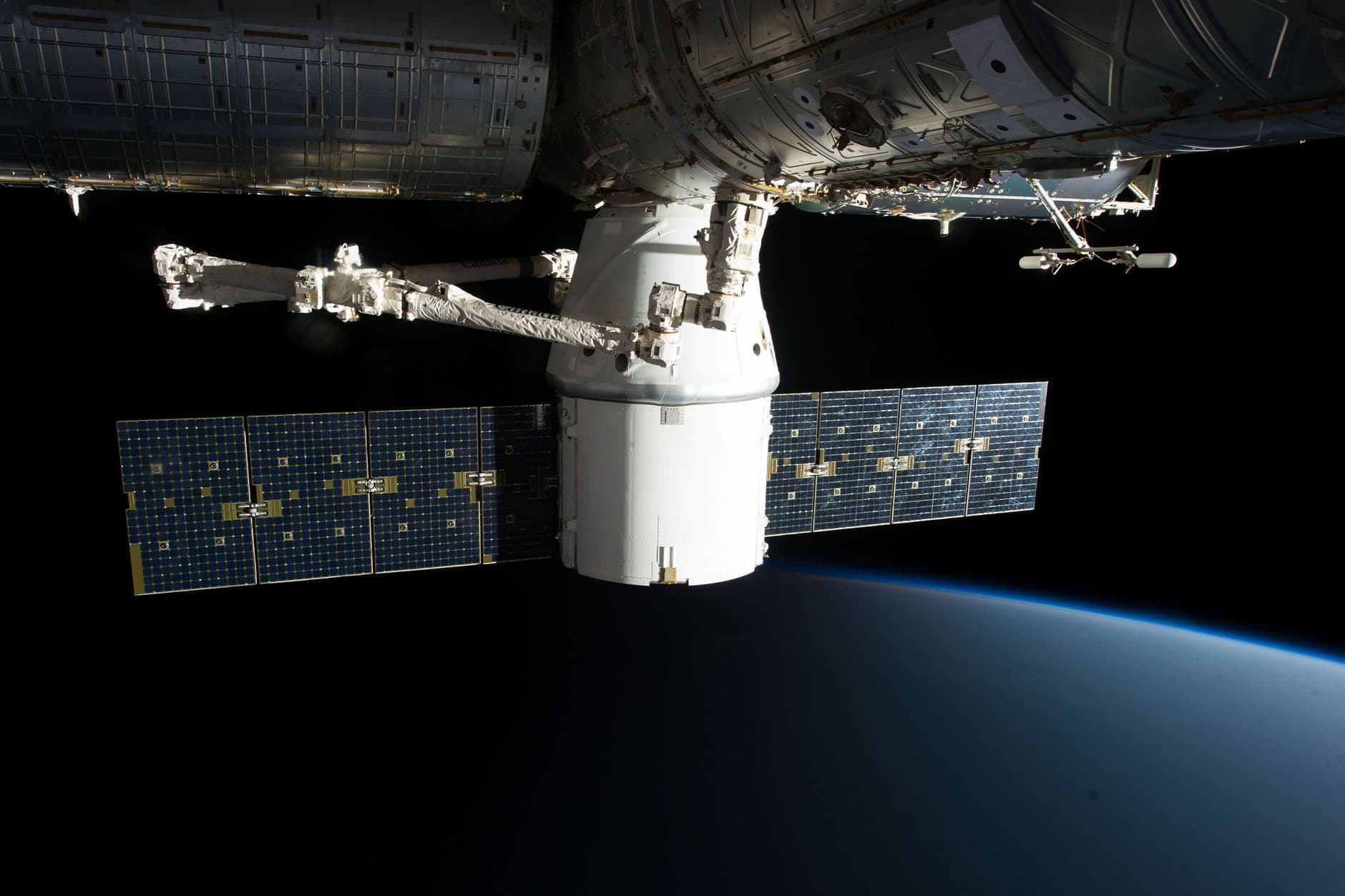
Taiwanese firms will build a 1 GW TOPCon module factory in the United States
Sino‑American Silicon (SAS) and United Renewable Energy (URE) announced a plan to construct a solar‑module plant in the U.S. with an annual capacity of 1 GW and an estimated investment of TWD 1.5 billion (about $40 million). The filing to Taiwan’s stock exchange confirms the project, although the exact site has not been disclosed.
The factory will focus on TOPCon (Tunnel Oxide Passivated Contact) modules, a high‑efficiency cell architecture that has been gaining market share worldwide. SAS says 70‑80 % of the initial production capacity is already pre‑booked by customers, indicating strong demand for the technology.
TOPCon technology boosts efficiency and meets US demand for high‑output panels
TOPCon cells combine a thin tunnel‑oxide layer with a passivated contact, delivering conversion efficiencies of 23 % + — well above the 20 %‑plus typical crystalline‑silicon modules. According to a market‑size report by Business Research Insights, the solar‑cells and modules market is experiencing accelerated adoption of high‑efficiency technologies, with TOPCon leading the trend.
U.S. solar‑module manufacturing capacity has been expanding rapidly: the Solar Market Insight Report (Q2 2025) notes an additional 8.6 GW of capacity added in Q1 2025, bringing total U.S. capacity to 51 GW. The new 1 GW TOPCon line will therefore represent roughly 2 % of the nation’s total module capacity, while adding a premium‑efficiency product line that can help meet the growing demand for rooftop and utility‑scale projects.
The project creates jobs and diversifies the supply chain
A recent analysis of semiconductor‑related investments highlights that new manufacturing projects in the United States can generate over 70,000 facility jobs and 122,000 construction jobs across the supply chain. Although the SAS‑URE plant is a solar‑module facility, it leverages the same high‑purity silicon wafer expertise that underpins the semiconductor sector, meaning it will likely contribute a comparable share of the projected employment boost.
What it means for Israel
For Israeli homeowners, the arrival of higher‑efficiency TOPCon modules could shorten the payback period of a typical residential system. Using the representative Israeli figures (residential tariff ₪0.48 /kWh, install cost ₪3,150 /kWp, central‑region yield 1,700 kWh/kWp·yr), a 10 kWp system produces about 17,000 kWh/yr, worth ₪8,160 /yr, and pays back in ≈3.9 years.
TOPCon modules can deliver ~5 % more energy per kWp than conventional cells. Applying that boost, the same 10 kWp system would generate ≈17,850 kWh/yr, worth ₪8,568 /yr, cutting the simple payback to ≈3.4 years. This improvement, while modest in absolute NIS terms, can be decisive for consumers weighing financing options and for installers seeking a competitive edge.
Outlook and challenges
The plant’s success hinges on securing a stable supply of high‑purity silicon wafers and navigating U.S. trade policies that have recently tightened on Chinese solar imports. However, SAS’s background in wafer production (parent of GlobalWafers) and URE’s established market presence should mitigate supply risks.
If the factory reaches full capacity, it could supply ≈1 GW of TOPCon modules per year, enough to power roughly 120,000 Israeli homes (assuming 8.5 MWh/yr per home). While most of that output will serve the U.S. market, the technology spill‑over may accelerate adoption of TOPCon panels in Israel, supporting the country’s 30 % renewable electricity target for 2030.
What it means for Israel – A typical 10 kWp rooftop system using TOPCon modules could shave ≈0.5 years off the payback period, making solar even more attractive for Israeli households and helping the nation meet its renewable‑energy goals faster.
Sources & further reading
FAQ
What is TOPCon technology?
TOPCon (Tunnel Oxide Passivated Contact) adds a thin oxide layer and a passivated contact to silicon cells, pushing efficiencies above 23 % and reducing losses compared with standard crystalline‑silicon modules.
How much solar capacity will the new plant produce?
The factory is designed for an annual output of **1 GW** of TOPCon modules, enough to supply roughly 120,000 Israeli homes at average consumption.
Why are Taiwanese companies building in the United States?
The US offers a large, growing market, supportive trade policies for non‑Chinese manufacturers, and a chance to tap into the 8.6 GW of new module capacity added in early 2025.
Will the plant create jobs in the US?
Industry analyses estimate that new solar‑manufacturing projects can generate tens of thousands of construction and facility jobs; the SAS‑URE plant is expected to follow that trend.
How does this affect Israeli solar owners?
Higher‑efficiency TOPCon panels can raise annual energy yield by about 5 %, shortening the simple payback of a typical 10 kWp home system from 3.9 to roughly 3.4 years.
Share this post
More from Technology
6
Cooler Solar E‑Bike Chargers Slash Heat
Nano‑enhanced phase‑change materials can lower PV panel temperature by up to 6.8 °C, keeping e‑bike chargers reliable and delivering a sub‑four‑year payback for a 1 kW solar system in Israel.

Kyrgyzstan Eyes 2 GW Solar Cell Plant
Kyrgyzstan is negotiating with Singapore’s Sunvera Solar to build a 2 GW solar‑cell plant, a move that could supply modules for about 200,000 typical Israeli home systems and pressure global panel prices.

Segen Expands Into Home Electrification with New Finance Tools
Segen is adding a residential financing product that bundles solar, storage, heat pumps and EV chargers, aiming to accelerate full‑home electrification in the UK.
Off‑Grid Inverter Boosts Rural Power in Africa
GoodWe’s EO G2 off‑grid inverter series delivers up to 98.6 % efficiency, AI‑driven management and 200 % PV oversizing, offering reliable power for African homes and a clear payback of under 4 years for a typical 6 kW Israeli rooftop system.
Israel Pours $2 Million into Blue‑Tech Energy R&D
Israel is allocating NIS 6 million (≈US $2 million) to a new Blue‑Tech energy R&D fund, targeting offshore wind, wave, tidal and marine bio‑energy projects.

סולארי על גלגלים: רכב חכם ללא נהג מסין
רכב חשמלי סולארי בלתי מאויש שפותח בסין מייצר עד 7.6 kWh ביום בעזרת פאנלים של 8 מ״ר, ומאפשר להרחיב את טווח הנסיעה.