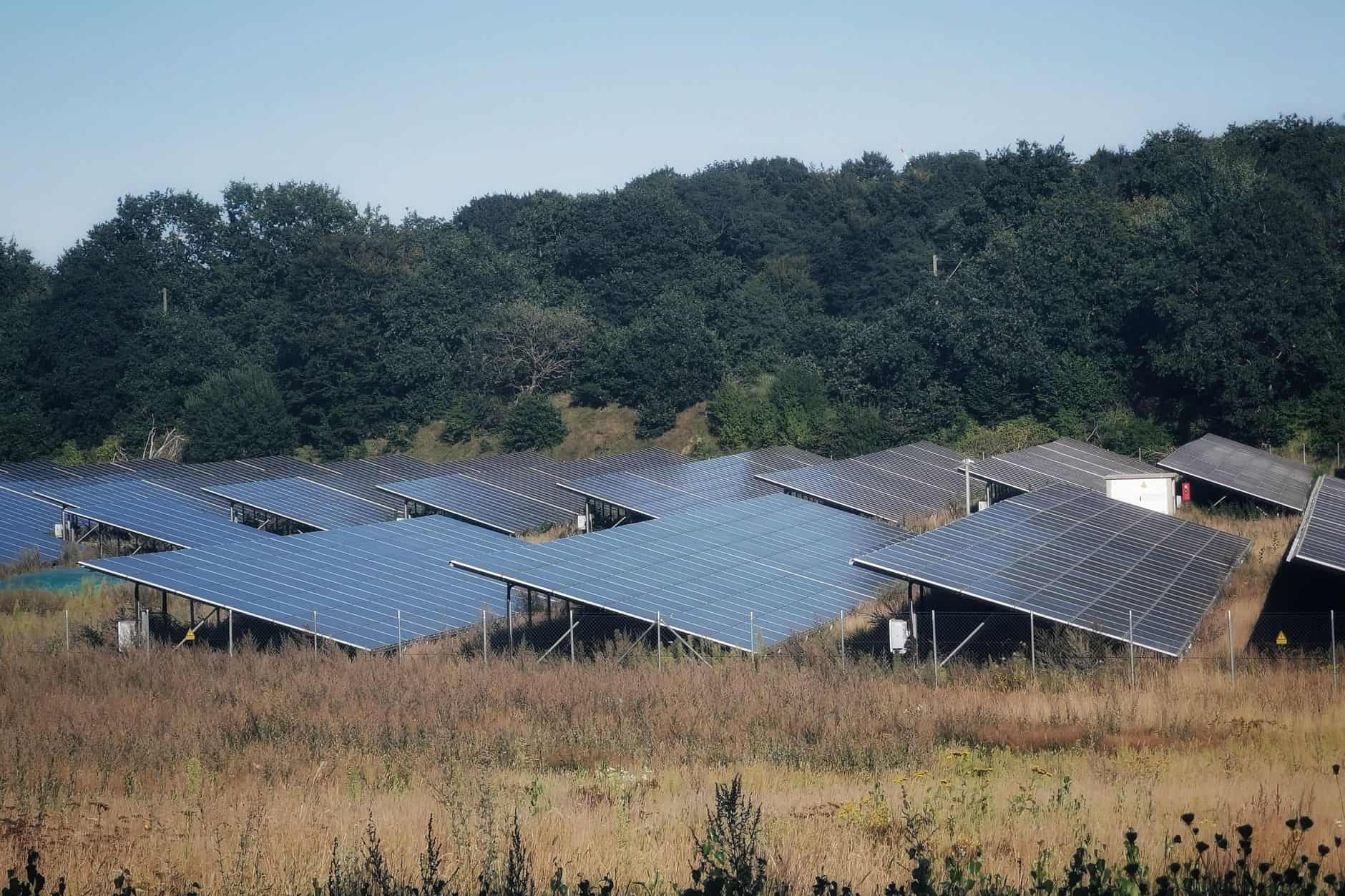
Romania Sets New Solar Record in 2026
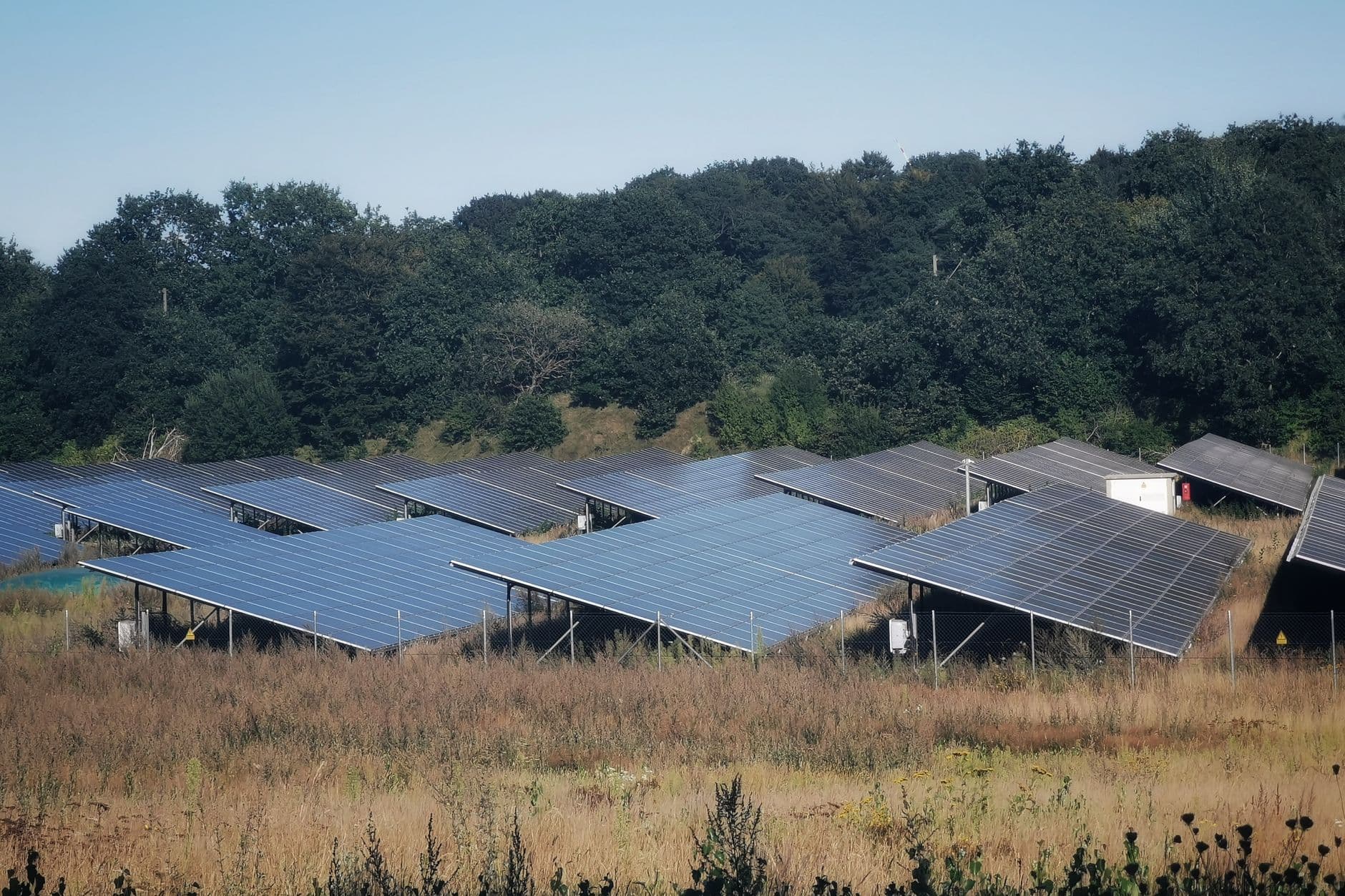
Romania installed ~1.5 GW of solar in the first five months of 2026 – a new record
Romania is on track to beat its previous annual solar‑installation high after adding roughly 1.5 GW of new capacity between January and early June 2026, according to Irene Mihai, policy director of the Romanian Photovoltaic Industry Association (RPIA) pv magazine. The figure combines about 800 MW of utility‑scale solar and a similar amount of prosumer (rooftop) installations reported during the Smarter E event in Munich.
Ogrezeni 760 MW hybrid park will become Europe’s largest solar park by 2027
The flagship Ogrezeni hybrid project, being built by Vienna‑based independent power producer Enery, will pair 760 MW of solar with a 1 GWh battery energy storage system (BESS). When commissioned – slated for the end of 2027 – it will be the biggest single‑site solar park in Europe RPIA. The project sits in the southern part of the country and is part of a broader pipeline of 200 MW‑plus utility‑scale sites that are already under construction.
Battery storage capacity in Romania tops 1 GW, with 400 MW added this year
Utility‑scale battery installations have surged, with around 400 MW built since the start of 2026, pushing the national total to ≈1 GW of storage (≈2 GWh) Transelectrica. Existing solar farms are increasingly being hybridised, and residential battery adoption has exploded – from virtually none in January to about one‑third of prosumers (≈100 000 households and businesses) now owning batteries.
Power purchase agreements are gaining momentum, with ~40 signed since 2022
Since the PPA market reopened in 2021, Romanian developers have secured close to 40 PPAs (solar and wind split roughly evenly) and are now actively negotiating new contracts as projects become commercially viable without direct subsidies pv magazine. Romania’s planned accession to the Association of Issuing Bodies (AIB) will make guarantees of origin tradable abroad, further strengthening the PPA ecosystem.
What it means for Israel
For Israeli investors, Romania’s rapid rollout illustrates how a market can shift from subsidy‑driven growth to a merchant‑based model while still expanding. Using Israel’s typical central‑region yield of 1 700 kWh / kWp / year, the scale of Romania’s 1.5 GW installed in just five months highlights the pace needed to meet Israel’s renewable targets of 20 % by 2025 and 30 % by 2030. The Romanian experience shows that a clear regulatory framework, an emerging auction‑based grid‑connection system, and a growing PPA market can accelerate deployment – lessons that could help Israel achieve its goals. Israeli homeowners can also take note of the rapid battery uptake: a third of Romanian prosumers already have storage, hinting at a future where solar‑plus‑battery becomes the norm, potentially improving self‑consumption and reducing reliance on the grid.
For a deeper dive into Israeli solar economics, try our interactive ROI calculator [/calculator] and explore market data [/data].
FAQ
How much solar capacity did Romania add in early 2026?
Around 1.5 GW of new solar capacity was installed between January and early June 2026.
What is the Ogrezeni project?
It’s a 760 MW solar park in southern Romania coupled with a 1 GWh battery, set to be Europe’s largest solar site by the end of 2027.
How fast is battery storage growing in Romania?
About 400 MW of utility‑scale batteries were added in 2026, bringing total storage capacity to roughly 1 GW (≈2 GWh).
What role do PPAs play in Romania’s solar market?
Since the PPA market reopened in 2021, close to 40 PPAs have been signed, helping projects become commercially viable without subsidies.
Why is Romania’s market shift important for Israel?
Romania shows how clear regulations, an auction‑based grid connection, and a strong PPA market can drive rapid, subsidy‑free solar growth – a model Israel can emulate to meet its 2030 renewable targets.
Share this post
More from Markets
6
Global Solar Shipments Hold at 706 GW in 2025
Global PV module shipments held steady at 706 GW in 2025, with spot prices rebounding 9 % and silver use per watt dropping to about 10 mg.
US Rooftop Solar Faces Tough Years Ahead
U.S. rooftop solar installations are expected to flatten or dip as incentives fade and net‑metering rules tighten, while Israel’s higher tariffs keep residential solar financially attractive.

Enlight launches solar data farms Israel, Canada
Enlight will build solar‑powered data farms on income‑producing real estate in Israel and Canada, merging rooftop PV with colocation space to meet the exploding demand for green computing.

Global Solar Additions Hit Record 664 GW in 2025
The world added a record 664 GW of solar capacity in 2025, pushing total installed solar past the 3 TW milestone, but growth slowed to 12 % and a contraction is forecast for 2026.

Otovo Acquires Green Panel for $11M Expands EMEA
Otovo bought Israel’s Green Panel for $11 million, adding Israel to its EMEA solar footprint and promising easier, financed rooftop solar for Israeli homes.

Pakistan Solar Panel Prices Jump – What It Means
Pakistan’s solar panel prices have risen to about PKR 48 per watt, pushing a typical 5 kW home system toward PKR 280,000‑300,000, while the country imported a record 16 GW of modules in 2024.