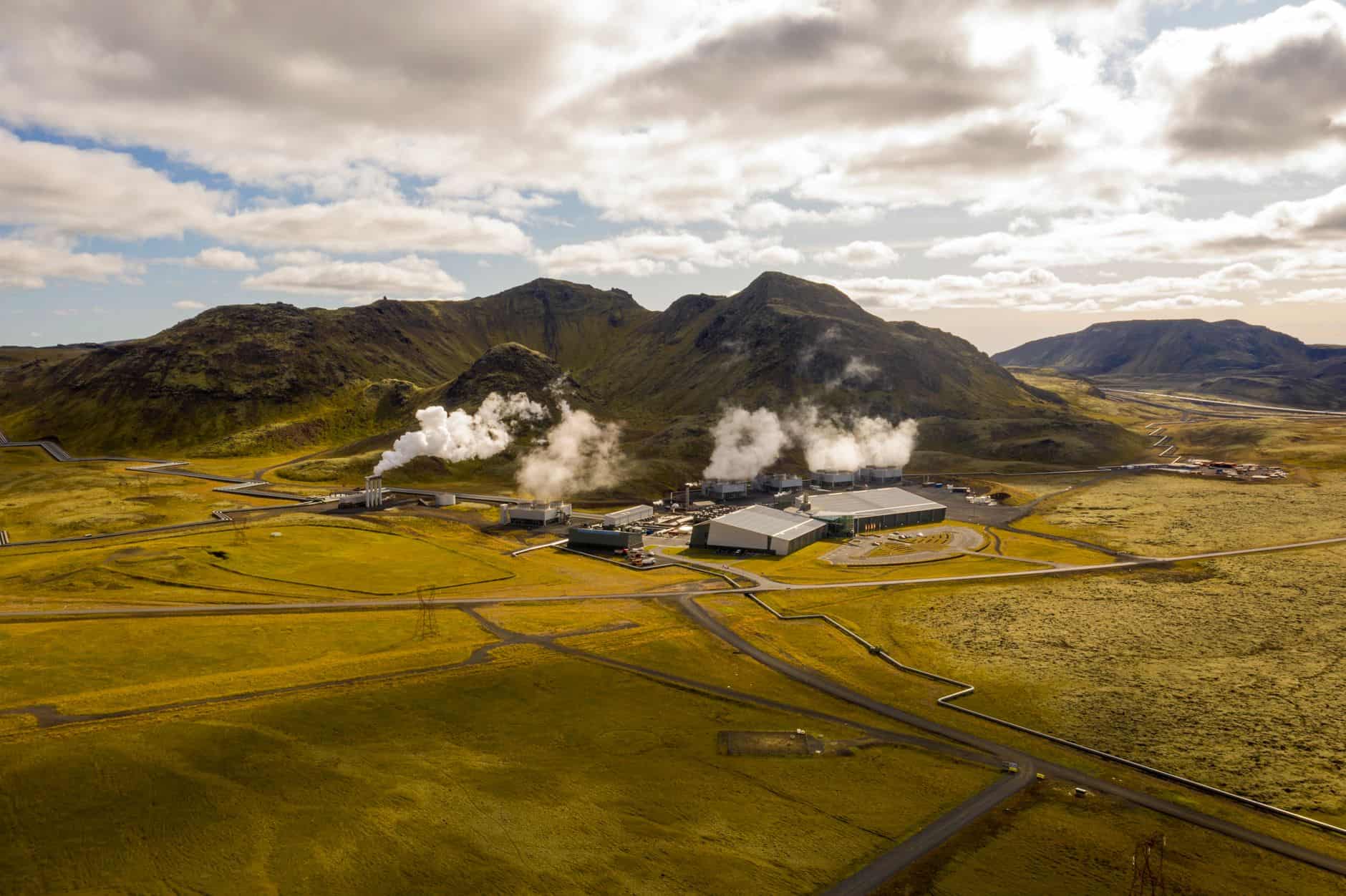
Geothermal Hydrogen Hits $1.75/kg in Iceland
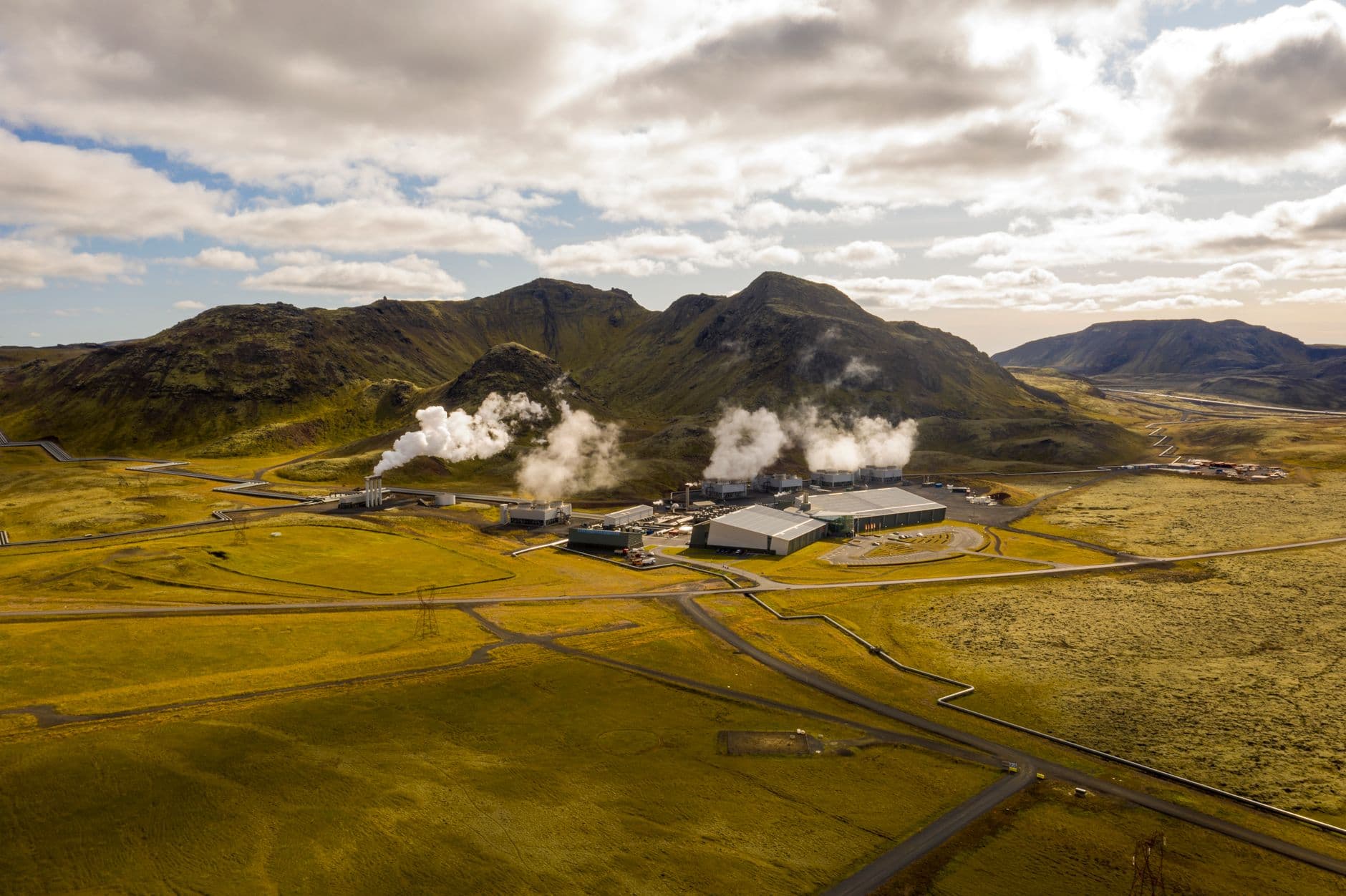
Icelandic geothermal‑SOEC pilot hits $1.75 kg⁻¹ LCOH
Syntholene’s demonstration plant in Húsavík, Iceland, is projected to produce hydrogen at a levelised cost of $1.75 per kg under the most favourable geothermal scenarios, rising to about $2.10 /kg for broader deployment. The figure is roughly one‑third of the unsubsidised €6.71 /kg average price quoted for European green hydrogen projects. KBR’s financial analysis, commissioned by Syntholene, underpins the $1.75 /kg estimate and highlights the role of cheap, baseload geothermal heat in driving the low cost.
Cost comparison shows Icelandic advantage over European green hydrogen
European green‑hydrogen estimates, which rely mainly on variable renewable electricity, sit at around €6.71 /kg (≈$6.5‑$7.5 /kg). By contrast, the Icelandic pilot’s $1.75‑$2.10 /kg is a dramatic reduction, confirming the claim that geothermal‑integrated SOEC can cut LCOH by about two‑thirds. The same conclusion appears in industry coverage that calls the result “about one‑third the cost of comparable unsubsidised green hydrogen in Europe”.
Technical edge: marrying geothermal heat with high‑temperature SOEC
The plant couples a geothermal power plant (providing both electricity and high‑temperature heat) with a solid‑oxide electrolyzer cell (SOEC). This integration significantly reduces the electricity demand of the electrolyser compared with low‑temperature PEM systems, while the steady geothermal supply eliminates the intermittency penalty that plagues solar‑ or wind‑driven electrolyzers. According to Syntholene, this is the first successful operation of a geothermally‑integrated SOEC system.
Risks that must be managed before commercial roll‑out
KBR’s report flags four key risk areas: (1) volatility of electricity prices even for geothermal‑derived power, (2) long‑duration degradation of SOEC stacks, (3) assumptions around stack lifetime and replacement costs, and (4) project‑specific capital‑expenditure validation. Addressing these will be essential for scaling the technology beyond the pilot and for attracting private‑sector financing.
What it means for Israel
Israel’s residential electricity tariff is about ₪0.48 /kWh. Given that tariff, electricity‑only hydrogen production would be considerably more expensive than the Icelandic LCOH, underscoring the economic advantage of pairing a constant low‑cost heat source (such as solar‑thermal or deep‑well geothermal) with high‑temperature electrolysis. For Israeli developers, the lesson is clear: integrating renewable heat with SOEC could dramatically lower hydrogen costs, making green H₂ a realistic feedstock for industry, transport and power‑to‑X projects. Readers can explore a simple pay‑back model for a 10 kWp home solar system – which yields ~17 MWh / year worth ₪8,160 at the residential tariff and pays back in under four years – to see how solar‑electricity‑driven hydrogen would compare financially [Verified Israeli Facts].
Outlook: geothermal‑SOEC as a catalyst for global hydrogen markets
If the Icelandic pilot validates the cost and durability assumptions, geothermal‑SOEC could become a template for other regions with abundant low‑temperature heat, such as the East African Rift or the Pacific Northwest. The technology promises to diversify the supply base beyond wind‑ and solar‑driven electrolyzers, reducing exposure to electricity price spikes and improving overall system capacity factors. Industry observers anticipate commercial‑scale plants in the coming years, especially as Europe’s hydrogen auction framework and the European Hydrogen Bank allocate €500 million to support low‑carbon hydrogen projects [European Commission]. The Icelandic success may therefore accelerate the global transition toward affordable, low‑emission hydrogen.
Sources & further reading
FAQ
What levelised cost of hydrogen does the Icelandic pilot claim?
The pilot estimates a LCOH of $1.75 /kg in the best geothermal case and about $2.10 /kg for broader deployment.
How does this cost compare to European green hydrogen prices?
European unsubsidised green hydrogen averages €6.71 /kg (≈$6‑$7 /kg), so the Icelandic figure is roughly one‑third of that.
What technology does Syntholene use?
It combines geothermal electricity and heat with a high‑temperature solid‑oxide electrolyzer cell (SOEC).
What are the main risks identified for scaling the technology?
Key risks include electricity price volatility, SOEC stack degradation over time, capital‑cost assumptions, and validation of operating expenses.
Why is the pilot relevant for Israel?
Israel’s electricity tariff makes electricity‑only electrolysis several times more expensive than the $1.75‑$2.10 /kg reported, highlighting the potential savings from geothermal‑or solar‑thermal heat integration.
When could commercial geothermal‑SOEC plants appear?
Industry analysts expect commercial‑scale projects within the next five years, especially as European hydrogen funding ramps up.
Share this post
More from Technology
6
China’s TCL Shifts 45 GW to Back‑Contact Solar
TCL Zhonghuan will convert 45 GW of TOPCon capacity into back‑contact production by early 2027, launching 680 W, 25.2 % efficient modules that could improve Israeli rooftop solar paybacks.
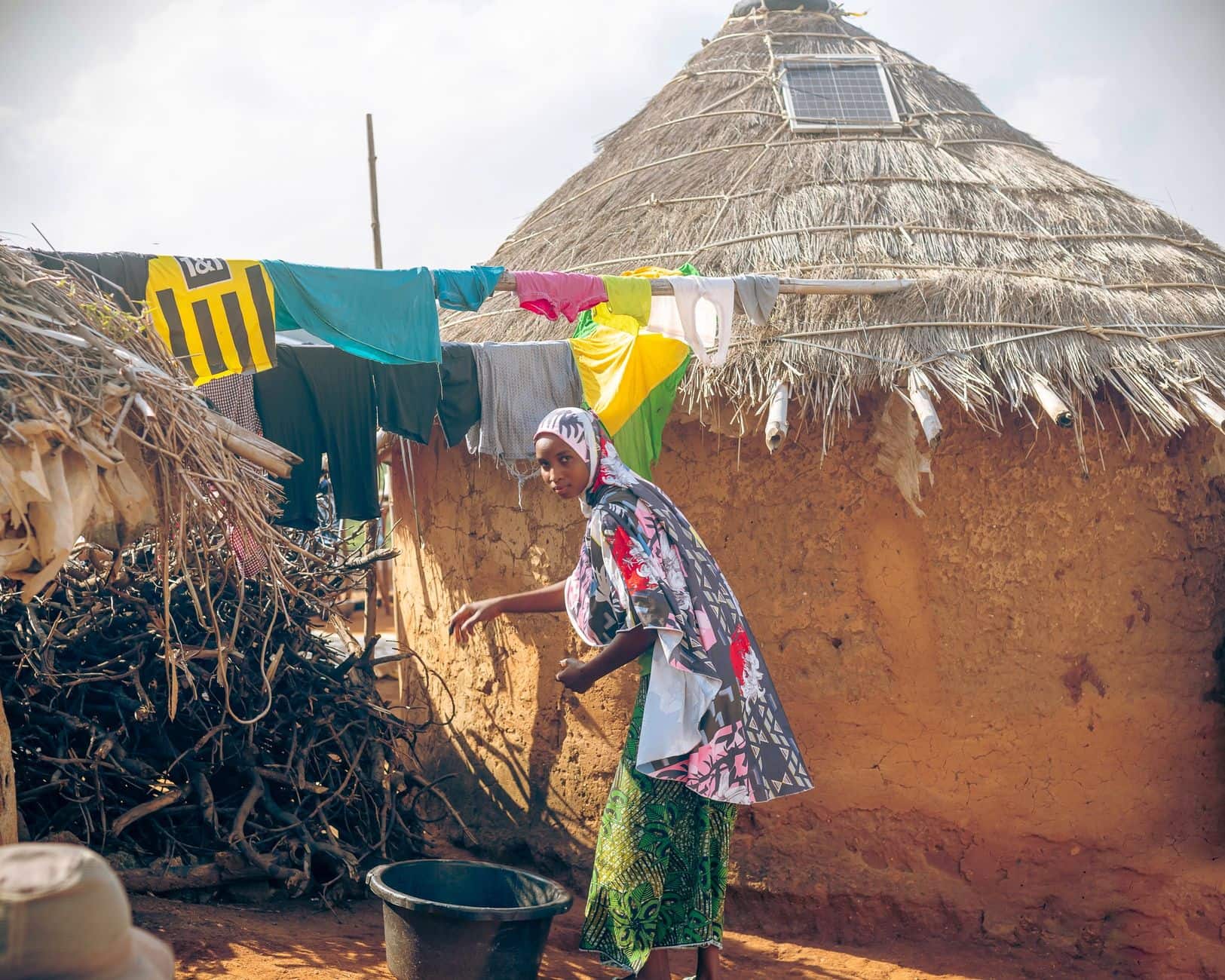
Solar Light Empowers Women Across Africa
אור שמש משפר מיידית בטיחות, בריאות והכנסה בכפרים אפריקאיים ללא רשת, ונשים מובילות מרבות את ההשפעה.
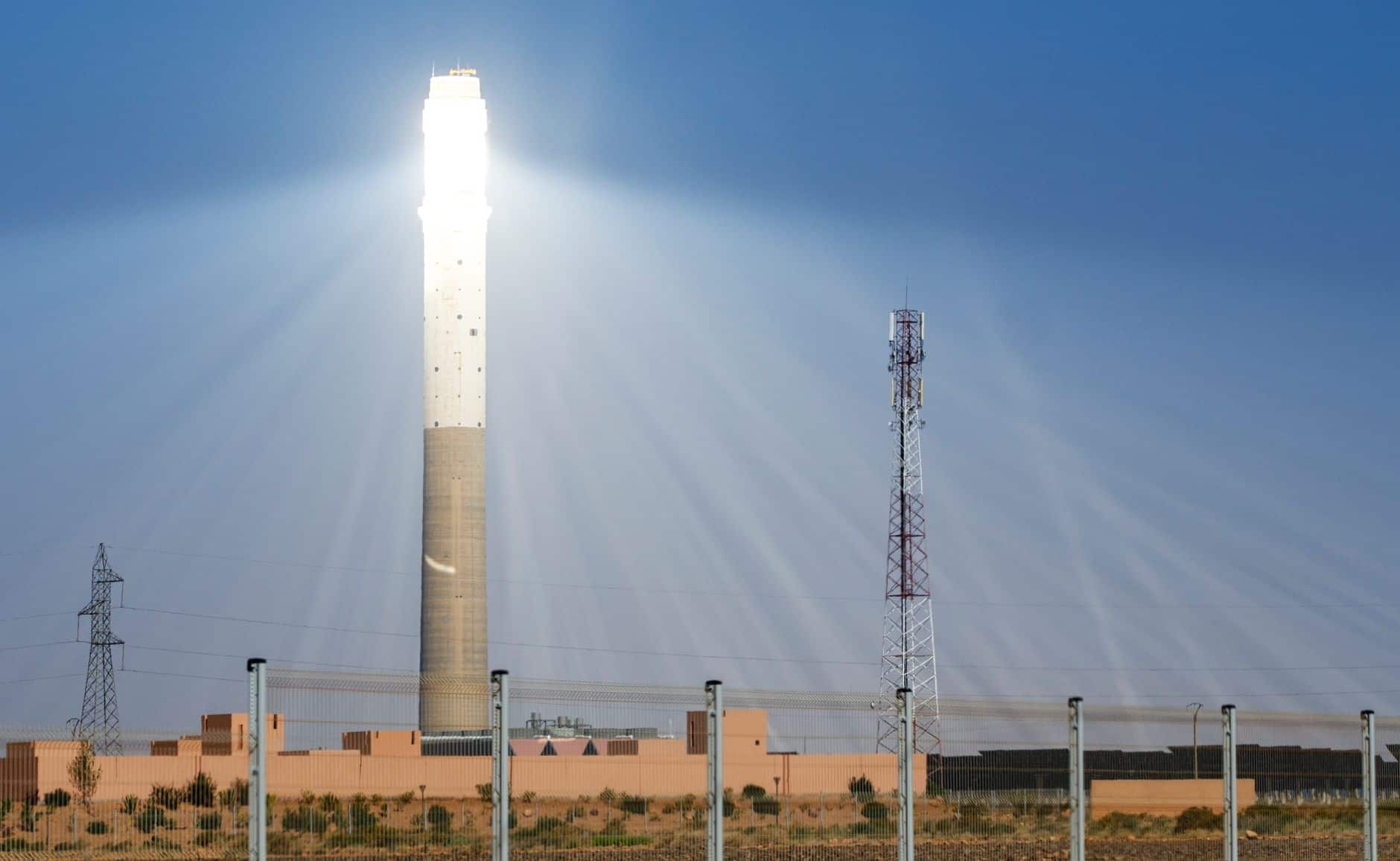
Inside Israel’s ‘Eye of Sauron’ Solar Tower
Israel’s ‘Eye of Sauron’ is the 240‑metre solar‑thermal tower at the Ashalim Power Station, delivering a sizable amount of clean, dispatchable electricity and helping the country meet its 2030 renewable target.
Hands‑On Solar Lab Trains the Next Generation
Lancaster County’s vocational school now runs a rebuildable 6.4 kW off‑grid solar‑plus‑storage lab, funded by state grants and using a DIY‑friendly EG4 6000XP inverter to give students hands‑on experience.
חימום מסחרי עם משאבות חום פרופאן של Haier
Haier השיקה משאבת חום מסחרית עם פרופאן (R290) בעוצמות של 26‑40 kW, יעילות A+++ ו‑SCOP של 4.91, המיועדת לבניינים עירוניים עם רעש נמוך.
US Solar Cell Capacity Reaches 3 GW
ES Foundry finished a 2 GW expansion in South Carolina, bringing U.S. solar cell manufacturing capacity to 3 GW and strengthening domestic supply ahead of upcoming import tariffs.