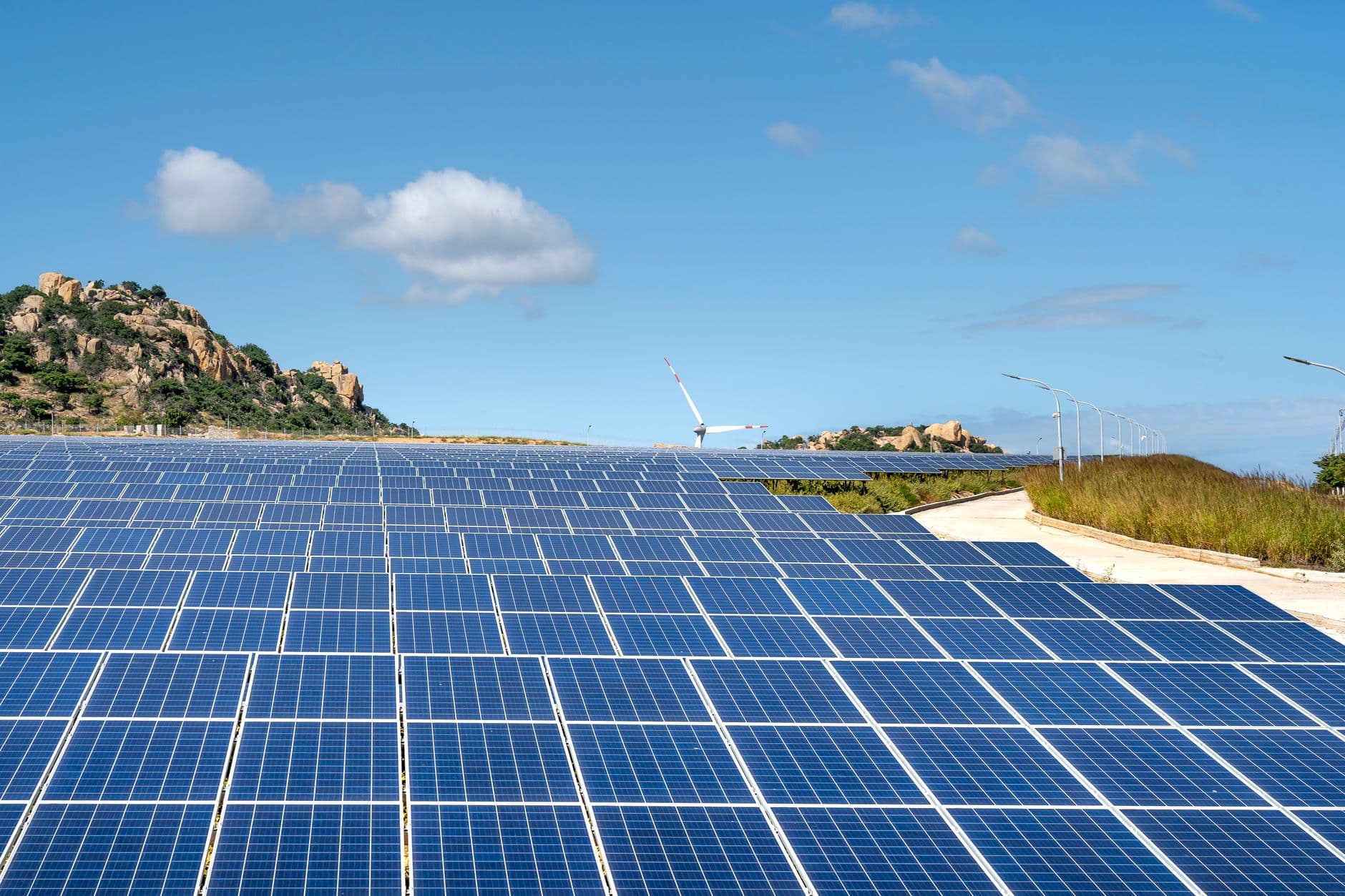
Europe’s gas‑price shock pushes solar and storage to the forefront – what it means for Israel
Europe’s gas‑price shock is driving a rapid shift to solar and storage
The surge in wholesale gas prices – up more than 50 % since the 2022 Middle‑East conflict – has pushed EU power prices past €150/MWh, the highest level in a decade. Policymakers are now treating solar photovoltaics and battery storage as the fastest way to break the link between gas costs and electricity bills.
Gas still sets the marginal price of electricity in Europe
In the EU day‑ahead market, generation is dispatched by merit order: the cheapest plants run first and the most expensive – usually gas‑fired units – set the market price. As long as gas plants sit on the margin, any swing in gas prices ripples straight into electricity tariffs, creating the volatility seen across Europe this year (https://economy-finance.ec.europa.eu/economic-forecast-and-surveys/economic-forecasts/spring-2026-economic-forecast-slowdown-growth-energy-shock-drives-inflation/eu-energy-markets-evolving-gas-electricity-price-linkages-more-volatile-system_en). This marginal‑pricing mechanism is why a 13‑month high in gas costs has translated into record‑high power prices in the UK, Germany and France (https://www.wfw.com/articles/middle-east-conflict-impact-on-energy-markets-and-projects-will-high-gas-prices-result-in-regulatory-change/).
Sources & further reading
- EU energy markets: evolving gas-electricity price linkages in a more...
- The cost of gas-fired power in the EU jumped by more than 50% since the...
- politics of electricity pricing during Europe's energy crisis |
- Disconnect – Time to Return to Delinking Gas and Power Prices?
- Middle East conflict impact on energy markets and projects
Share this post
How much could your roof earn?
Pick a roof size and region — get an instant estimate.
Estimated annual revenue
₪17,804
Payback
3.9 yrs
System size
Annual output
trees
More from Technology
6
Greater Cairo can meet 80% of its 2050 electricity demand with 14 GW of rooftop solar
By 2050 Greater Cairo could generate about 24 TWh annually from 14 GW of rooftop solar, covering roughly 80 % of the megacity’s electricity demand and halving power costs.
Cadmium Telluride Solar Panels: Efficiency, Costs and What They Mean for Israel’s Solar Future
Cadmium telluride thin‑film panels now hit 21 % lab efficiency and cost under $0.30 /W, delivering a 3‑year payback for a typical 15 kW Israeli home system.
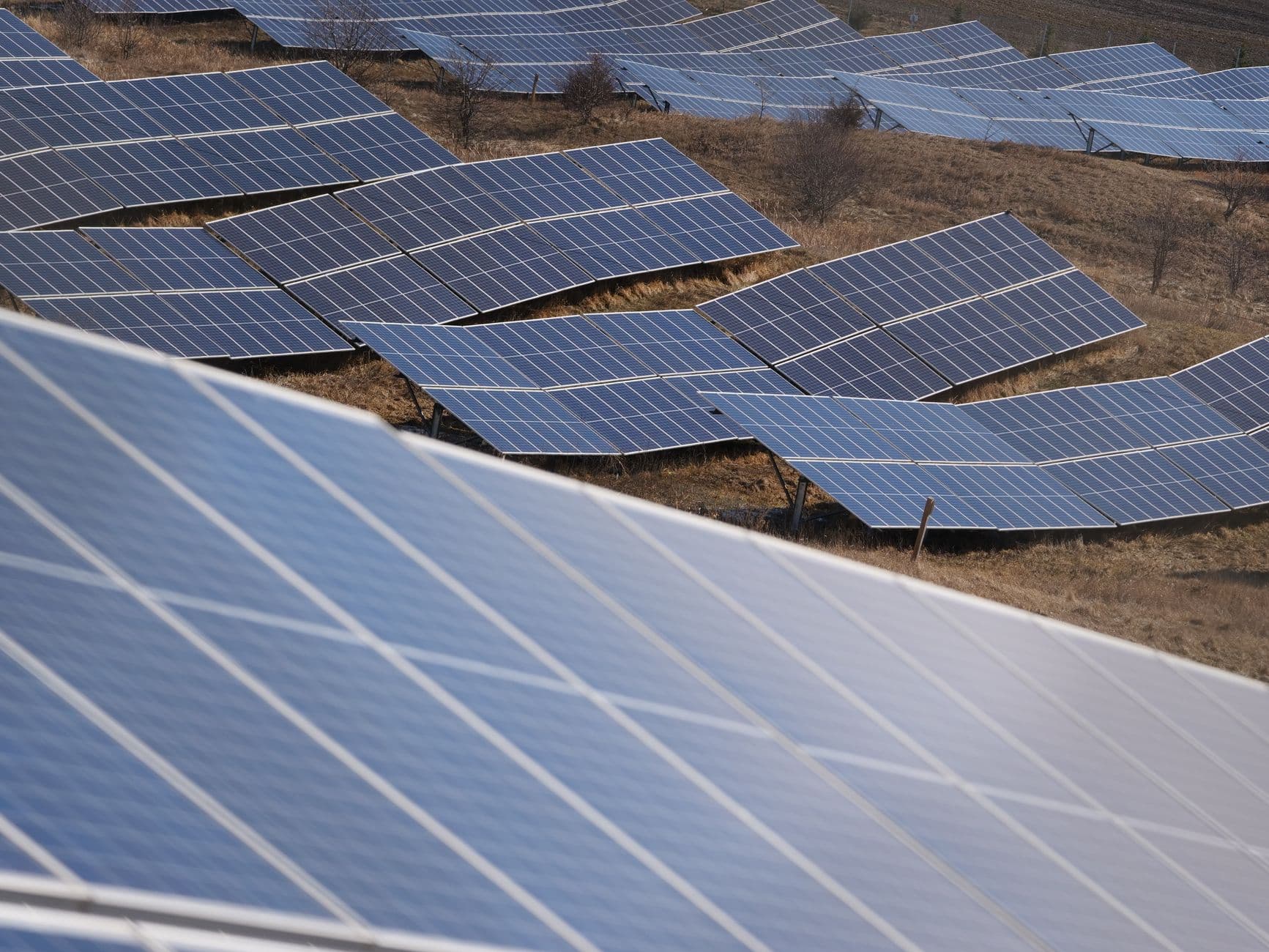
Ychoux 2 Solar Farm Rebuilt After Storm Domingos – Capacity Doubled Without Expanding Footprint
Photosol rebuilt the storm‑damaged Ychoux 2 solar farm in France, doubling its capacity without expanding its footprint, and the 77 MW complex will now generate about 97 GWh annually.
El Niño 2024‑26 will boost solar output in India and Australia but shave up to 10 % off Israeli PV yields
The developing El Niño that will peak in late‑2025 will boost solar irradiance by up to +10 % in India and eastern Australia, while Israel can expect a modest 5‑10 % winter dip in PV output, equating to about 110 kNIS less revenue per MW annually.
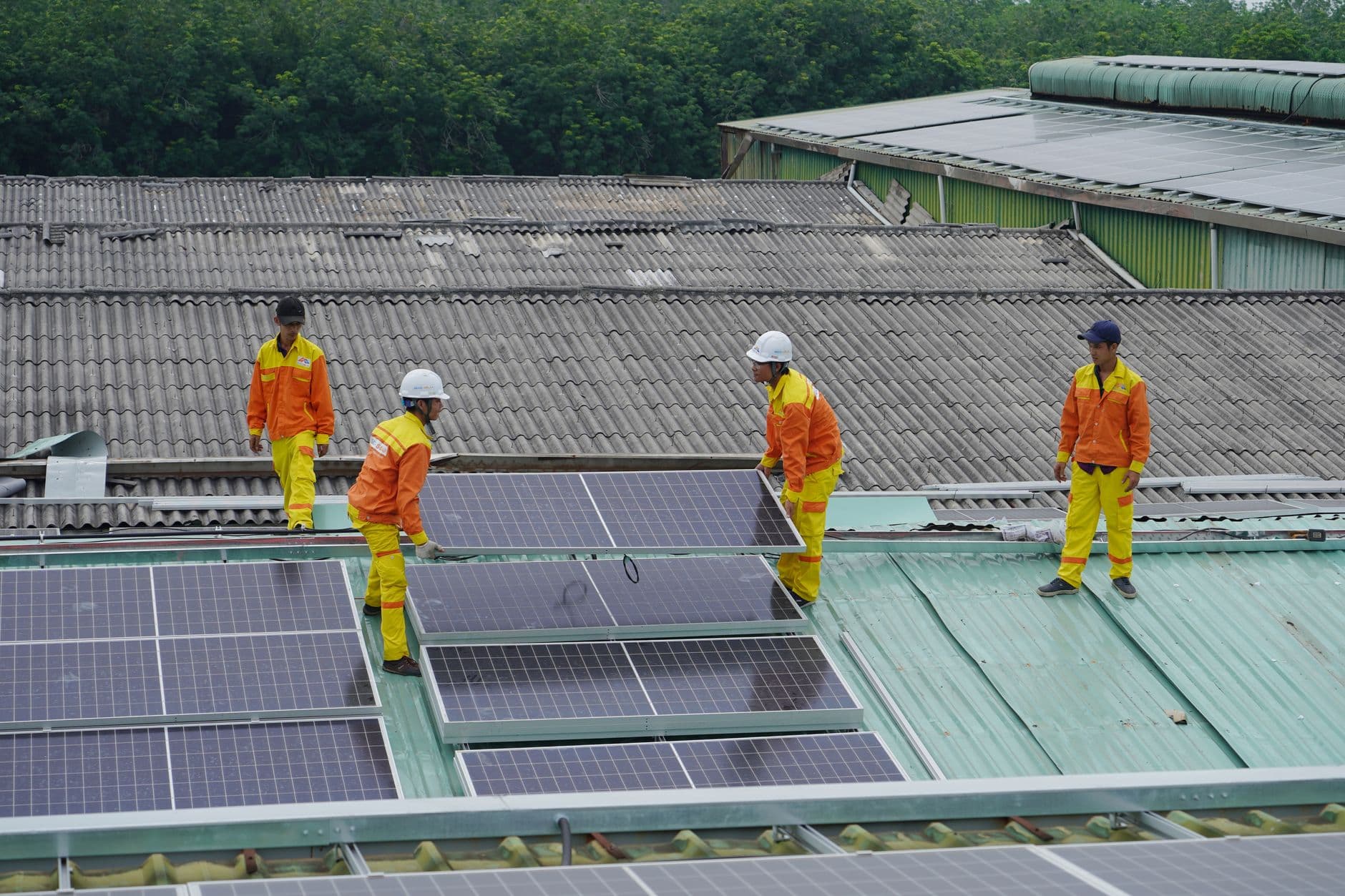
Vietnam Accelerates Solar Panel Recycling Technology – What It Means for the Global Clean‑Energy Chain
Vietnam will generate about 30,000 t of solar‑panel waste each year by 2030 and is already building recycling plants, new EPR laws, and a fast‑growing market worth roughly USD 120 million.
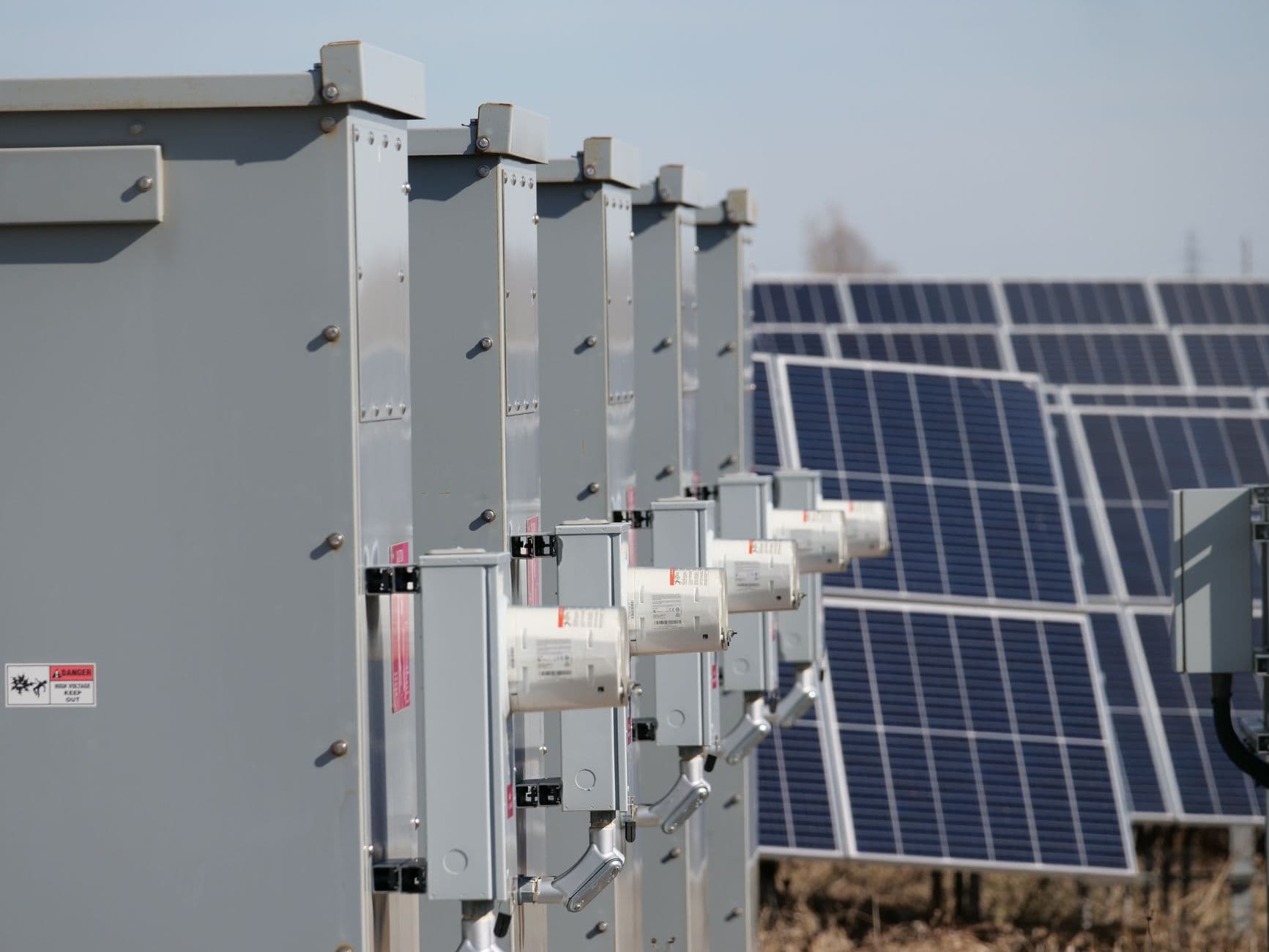
Circuitor’s Computer PV‑12 Reactive Energy Controller Boosts Israeli PV Self‑Consumption
The Circuitor Computer PV‑12 reactive‑energy controller lets Israeli rooftop PV owners balance up to three current sources without external CTs, improving power‑factor accuracy and saving roughly 90 NIS per year in penalty avoidance.