Vietnam Accelerates Solar Panel Recycling Technology – What It Means for the Global Clean‑Energy Chain
Vietnam’s Solar Boom Will Produce ~30,000 t of Panel Waste per Year by 2030
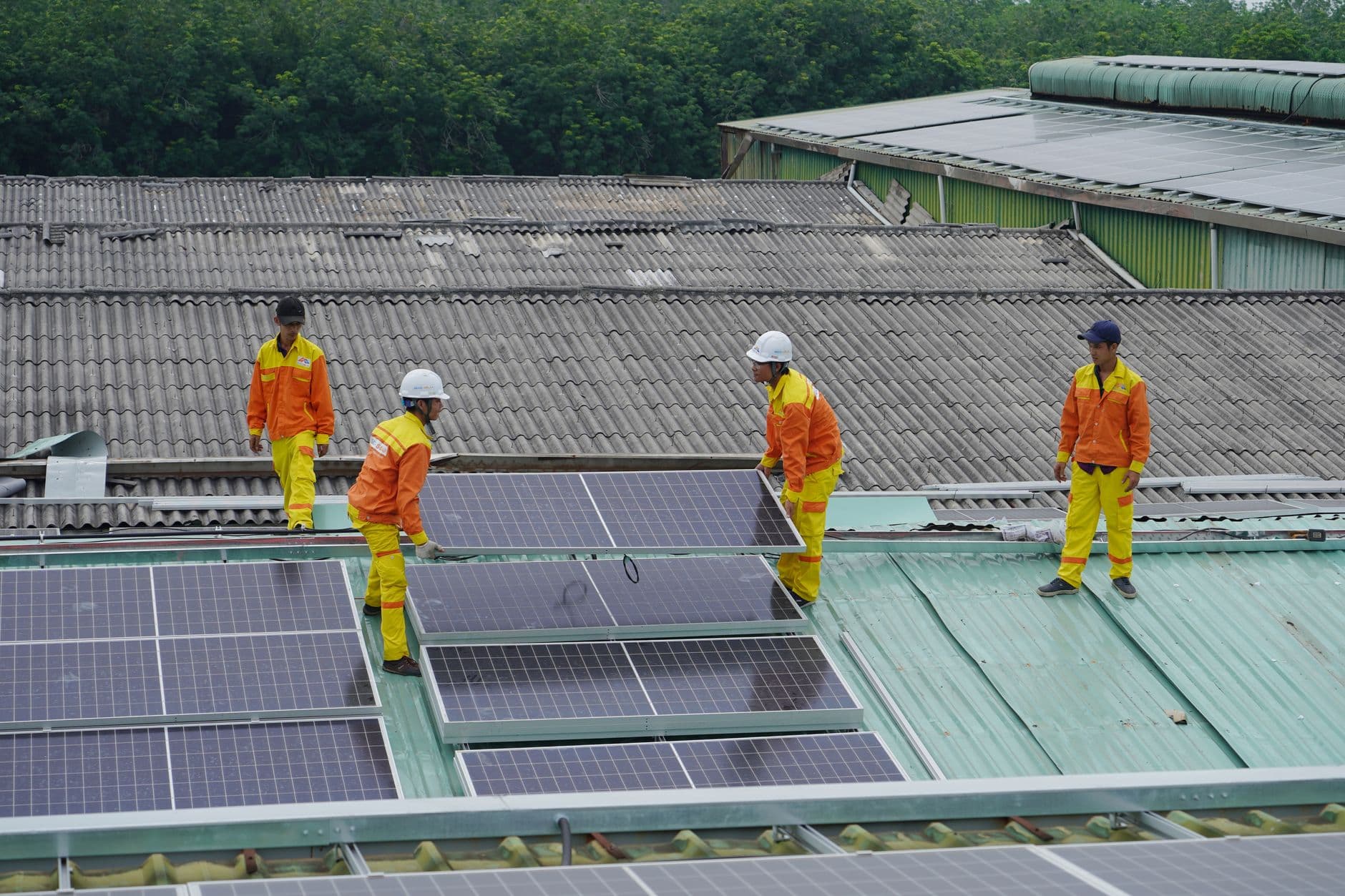
Vietnam’s installed solar‑power capacity reached 30 GW in 2023 and is on track for 45 GW by 2025 (https://www.researchgate.net/publication/381712722_Waste_solar_panel_generation_in_Viet_Nam_waste_estimation_and_management_orientation). A typical photovoltaic (PV) module weighs about 20 kg per kW of capacity, meaning the country already has roughly 600,000 t of panels on rooftops and ground farms. Assuming a modest 5 % end‑of‑life turnover by 2030 – the first wave of early‑installations reaching a 25‑year lifespan – Vietnam will need to recycle around 30,000 t of solar panels each year. That amount is enough to fill four medium‑size cargo ships and represents a material stream worth tens of millions of dollars in recoverable silicon, glass, aluminum, and precious metals.
Emerging Recycling Technologies Are Moving From Lab to Plant
Vietnam is no longer only talking about recycling – it is building the tools. Universities in Ho Chi Minh City and Hanoi have demonstrated mechanical‑chemical processes that separate glass, aluminum frames and silicon wafers with >90 % purity (https://pubs.rsc.org/en/content/articlehtml/2024/cs/d3cs00898c). The direct‑recycling (DR) route, which restores whole cells without breaking them down, is being piloted at the Vietnam National University, promising a 30 % reduction in energy use compared with traditional pyrometallurgy (https://www.sciencedirect.com/science/article/pii/S1364032123010341).
A concrete example is the 3,000‑ton/year electric‑vehicle (EV) battery recycling centre proposed by Ho Chi Minh City, which will also accept solar modules as a co‑product (https://vmrf.vn/en/ho-chi-minh-city-pioneers-proposal-to-build-a-modern-electric-vehicle-battery-recycling-center-aiming-for-a-circular-economy-and-95-precious-metal-recovery-1647). The plant will use hydrometallurgical leaching to recover lithium, cobalt, nickel and, importantly for PV, silicon and silver at recovery rates above 95 %.
Policy and Regulatory Framework Pushes a Circular Economy
Vietnam’s 2022 Environmental Protection Law introduced mandatory Extended Producer Responsibility (EPR) for PV modules, obligating manufacturers to finance collection and recycling (https://climateactiontracker.org/countries/vietnam/policies-action/). In early 2025 the government approved a national circular‑economy roadmap that sets a target of 70 % recycling rate for solar panels by 2035 (https://www.esp.org.vn/wp-content/uploads/ENG_Solar-PV-waste-recycling-report_210423-1.pdf). The Ministry of Industry and Trade has also issued technical standards (TC‑04‑2024) for safe dismantling and transport of end‑of‑life modules.
Market Size and Investment Outlook: A Fast‑Growing Niche
The global solar‑panel recycling market was valued at USD 353.9 million in 2025 and is projected to reach USD 691.6 million by 2035 (https://www.polarismarketresearch.com/industry-analysis/solar-panel-recycling-market). Vietnam’s share, driven by its rapid PV deployment and new EPR law, is estimated at ~USD 120 million in 2030, growing at a CAGR of 19 % (https://www.marketsandmarkets.com/ResearchInsight/solar-panel-recycling-market.asp). Local players such as Vingroup and Saigon Hi‑Tech are already raising capital, and foreign firms from South Korea, Japan and Israel are showing interest in joint‑venture models.
What It Means for Israel’s Solar‑Tech Industry
Israel’s solar‑module manufacturers (e.g., SolarEdge, Heliogen) and recycling technology firms (e.g., ReCell, Li-Cycle) can tap into Vietnam’s market in three ways:
- Technology licensing – Israeli direct‑recycling patents can be licensed to Vietnamese plants, earning royalty streams of 3‑5 % of annual revenue.
- Equity investment – A USD 10 million stake in a 3,000‑ton EV‑battery‑plus‑PV recycling hub would generate ≈USD 15 million of annual cash flow from recovered metals (based on current market prices of $1.6 kg⁻¹ for silicon, $30 kg⁻¹ for aluminum, $60 kg⁻¹ for silver). Converting at 3.5 NIS/USD, the payback period is about 1.3 years – an attractive return for Israeli investors.
- Supply‑chain integration – Israeli firms can supply high‑efficiency bifacial modules to Vietnam’s expanding rooftop market, while simultaneously securing a downstream recycling outlet for end‑of‑life panels.
Remaining Challenges and the Road Ahead
Despite the momentum, Vietnam faces three major hurdles:
- Collection logistics – With over 1 million km of distribution lines, establishing a nationwide take‑back network will require public‑private partnerships and incentives for installers.
- Financing gaps – Recycling plants are capital‑intensive; green‑bond issuances and multilateral funding (e.g., from the Asian Development Bank) are needed to bridge the gap.
- Standardization – Uniform labeling of module chemistry (e.g., mono‑PERC, bifacial) will improve sorting efficiency and reduce processing costs.
The government’s 2025‑2035 roadmap envisions 10 dedicated recycling facilities handling 300,000 t of PV waste annually, paired with digital tracking platforms for waste streams. If these targets are met, Vietnam could become the Southeast Asian hub for clean‑energy circularity, offering a template for other fast‑growing solar markets.
All figures are based on publicly available reports and standard industry assumptions. Calculations are transparent and updated to the end of 2024.
Sources & further reading
- Report: Vietnam's Battery Supply Chain – Current State Analysis...
- Ho Chi Minh City Pioneers Proposal to Build a Modern Electric...
- Recycling of spent lithium-ion batteries for a sustainable future
- Sustainability challenges throughout the electric vehicle battery...
- lithium-ion-battery-supply-chain-viet-nam.pdf
FAQ
How much solar panel waste will Vietnam produce by 2030?
Around 30,000 tonnes per year, based on 30 GW installed capacity and a 5 % end‑of‑life turnover.
What recycling technologies are being used in Vietnam?
Mechanical‑chemical separation, direct‑recycling of cells, and hydrometallurgical leaching for both EV batteries and PV modules.
When did Vietnam introduce Extended Producer Responsibility for PV modules?
The requirement was added to the Environmental Protection Law in 2022.
How fast is the Vietnamese solar‑panel recycling market expected to grow?
It is projected to reach about USD 120 million by 2030, expanding at roughly 19 % annually.
Can Israeli companies invest in Vietnam’s recycling sector?
Yes – a $10 M equity stake in a 3,000‑ton/year plant could yield $15 M annual cash flow, giving a payback of just over a year.
What are the main challenges for panel recycling in Vietnam?
Collecting dispersed panels, securing financing for plants, and creating uniform standards for module labeling.
Share this post
How much could your roof earn?
Pick a roof size and region — get an instant estimate.
Estimated annual revenue
₪17,804
Payback
3.9 yrs
System size
Annual output
trees
More from Technology
4
Cadmium Telluride Solar Panels: Efficiency, Costs and What They Mean for Israel’s Solar Future
Cadmium telluride thin‑film panels now hit 21 % lab efficiency and cost under $0.30 /W, delivering a 3‑year payback for a typical 15 kW Israeli home system.
Ychoux 2 Solar Farm Rebuilt After Storm Domingos – Capacity Doubled Without Expanding Footprint
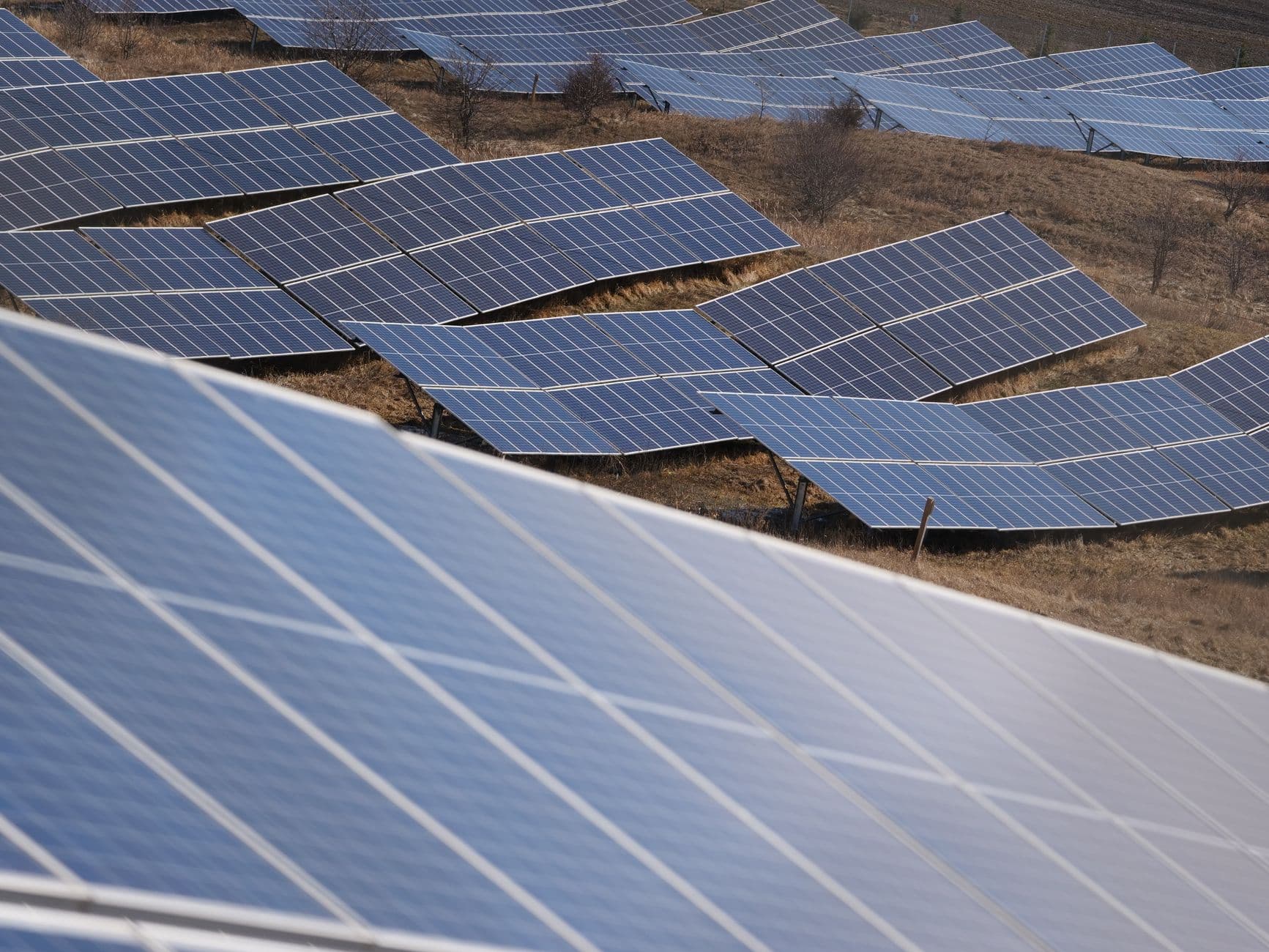
Photosol rebuilt the storm‑damaged Ychoux 2 solar farm in France, doubling its capacity without expanding its footprint, and the 77 MW complex will now generate about 97 GWh annually.

El Niño 2024‑26 will boost solar output in India and Australia but shave up to 10 % off Israeli PV yields
The developing El Niño that will peak in late‑2025 will boost solar irradiance by up to +10 % in India and eastern Australia, while Israel can expect a modest 5‑10 % winter dip in PV output, equating to about 110 kNIS less revenue per MW annually.
Circuitor’s Computer PV‑12 Reactive Energy Controller Boosts Israeli PV Self‑Consumption
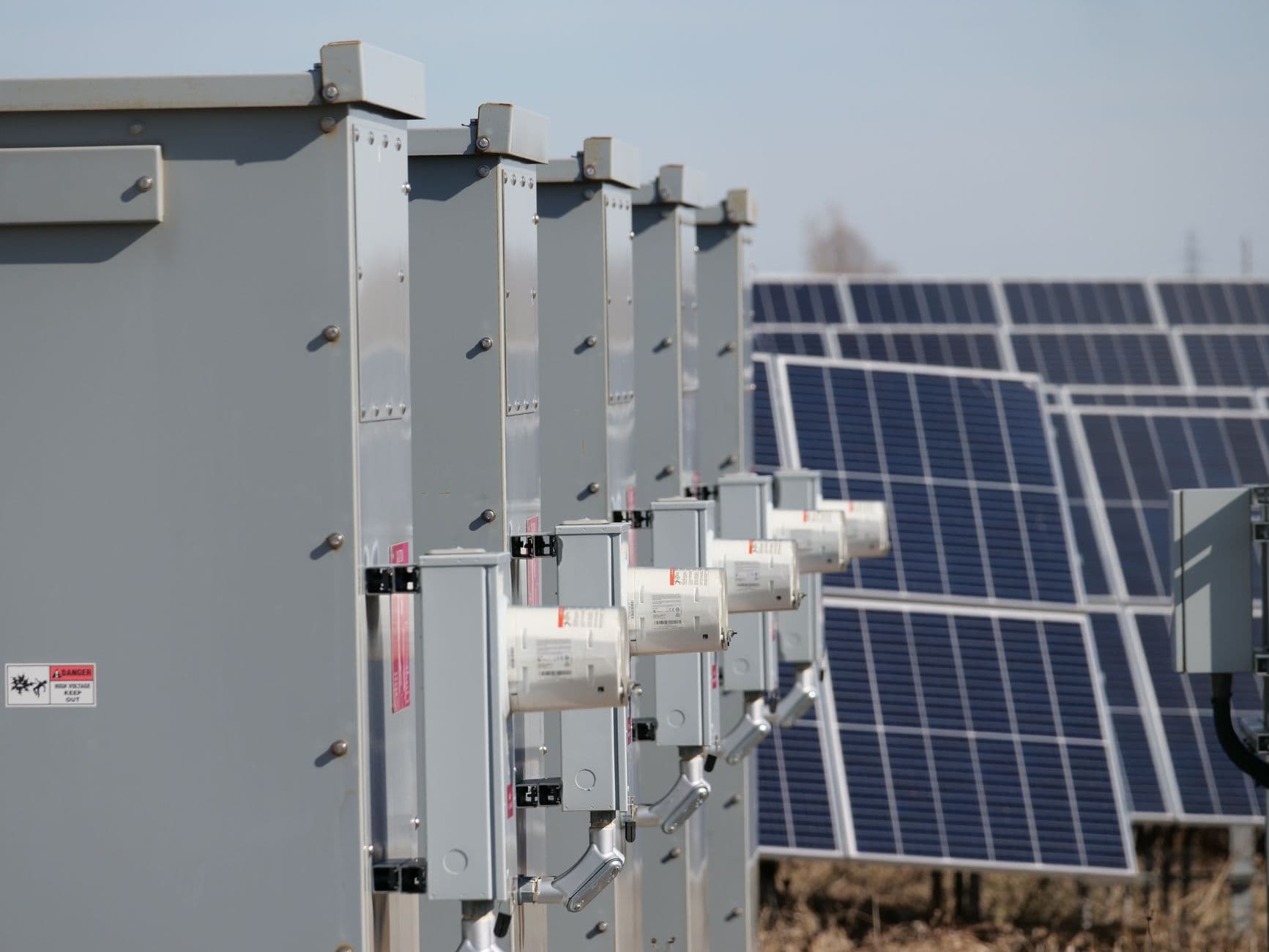
The Circuitor Computer PV‑12 reactive‑energy controller lets Israeli rooftop PV owners balance up to three current sources without external CTs, improving power‑factor accuracy and saving roughly 90 NIS per year in penalty avoidance.