Ychoux 2 Solar Farm Rebuilt After Storm Domingos – Capacity Doubled Without Expanding Footprint
Storm Domingos wiped out Ychoux 2, but the plant came back twice as strong
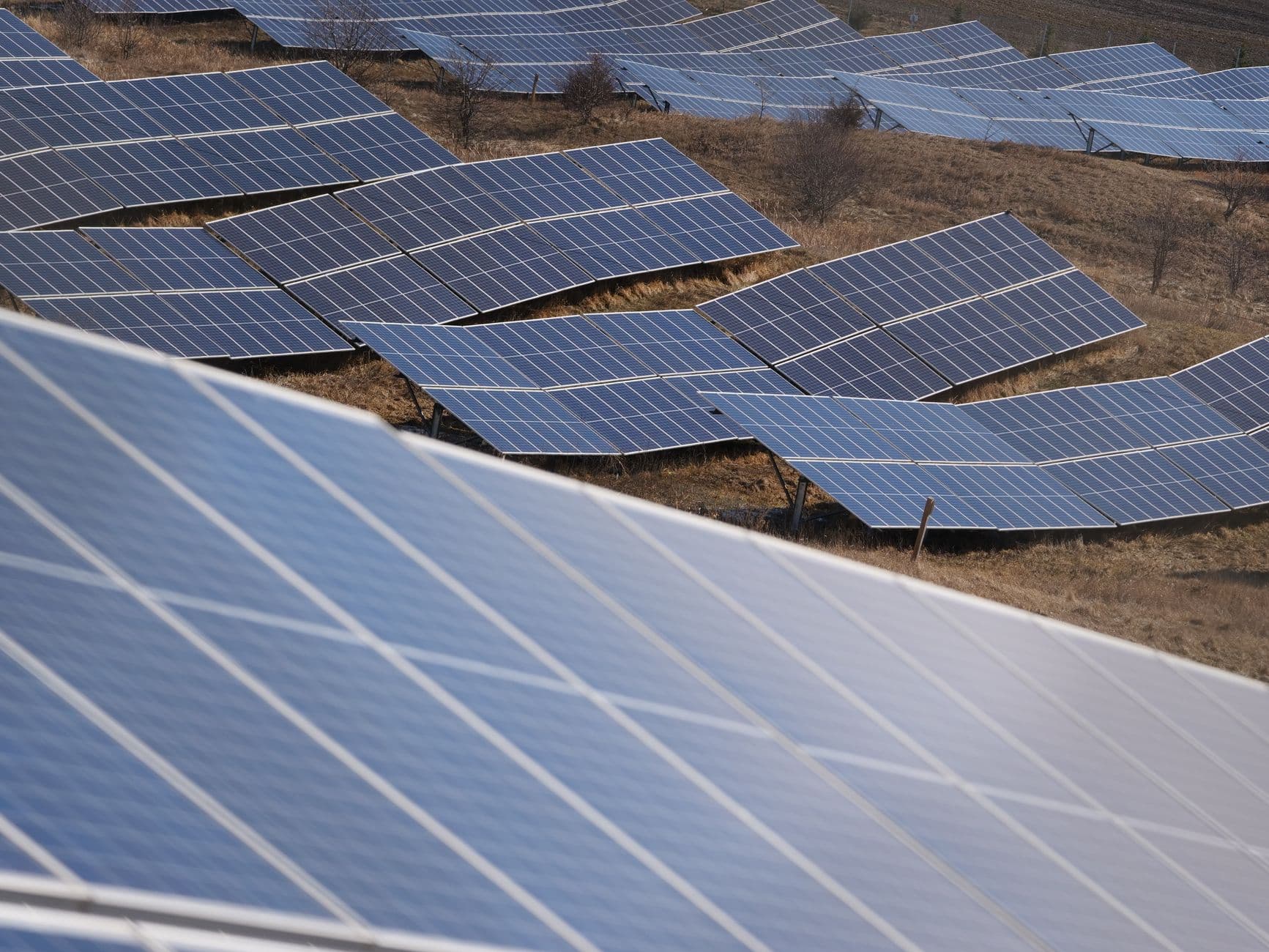
In November 2023, Storm Domingos tore apart the Ychoux 2 solar plant in France’s Landes region, destroying most of its panels and mounting structures. Within a few months, Photosol‑Mobexi had cleared the wreckage, recycled the unusable modules, and rebuilt the farm with higher‑power equipment, doubling the plant’s installed capacity while keeping the same land area.
How Photosol turned wreckage into a higher‑output farm
Photosol’s reconstruction crew first secured the site and catalogued the damage. Damaged frames were dismantled and sent to the French PV‑recycling specialist Soren, while salvageable modules were shipped for reuse. The rebuild introduced new, sturdier mounting structures designed for higher‑capacity modules, allowing each panel to generate up to 550 W instead of the older 275 W units. According to Photosol, the repowering was completed quickly to limit financial losses and meet strict environmental regulations, a claim echoed in the company’s project video featuring construction manager Arthur Van Belleghem.
By the numbers: capacity, generation and land efficiency
- The three‑plant Ychoux complex (Ychoux 1‑3) will total 77 MW of capacity after Ychoux 2’s repowering, delivering an estimated 97 GWh of electricity per year – enough to power roughly 30,000 Israeli homes (average 3,200 kWh/year per household).
- The complex sits on 1,600 ha of municipal forest, translating to 48 kW per hectare – a modest density reflecting the forest‑land constraint, but the doubled output of Ychoux 2 shows how technology upgrades can squeeze more power from the same plot.
- With an average French capacity factor of 15 %, the plant will produce 1.26 GWh per MW annually, a figure that aligns with European PV performance benchmarks.
Why repowering is becoming the new norm in Europe
Photosol calls this its first repowering project of this scale, but the company expects many more as aging PV assets reach the end of their design life and as extreme weather events increase. The European PV market is already seeing a surge in “upgrade‑in‑place” projects that replace old, low‑efficiency panels with modern, high‑power modules, cutting the need for fresh land and reducing waste. Recycling of obsolete modules, as demonstrated with Soren’s involvement, further improves the environmental profile of such projects.
What it means for Israel’s solar sector
Israel’s solar fleet, now over 5 GW, includes many installations from the early 2010s that still use 250‑300 W panels. The Ychoux 2 case shows that upgrading existing farms can double output without new land, a compelling proposition for a country where land is scarce and solar tariffs are high. At today’s average Israeli feed‑in tariff of about 0.60 NIS/kWh, the extra 48 MW generated by Ychoux 2’s repowering would translate to roughly 756,000 NIS per MW per year, or ≈ 36 million NIS annually for the whole complex – a strong revenue boost that could justify similar upgrades locally.
Looking ahead: Repowering as a climate‑resilience tool
As climate change fuels more intense storms, the solar industry will need to view repowering not just as a financial upgrade but as a resilience strategy. Faster rebuilds, higher‑capacity modules, and robust recycling pathways (like Soren’s) will become standard practice. For investors and policymakers, the Ychoux 2 story provides a clear template: protect existing assets, upgrade technology, and avoid new land‑use conflicts while delivering more clean energy.
All figures are from Photosol’s project statements and public PV‑industry data.
FAQ
How much capacity was added to Ychoux 2 after the repowering?
The repowering doubled Ychoux 2’s capacity, contributing to a total complex capacity of 77 MW.
What does “repowering” mean in solar terms?
Repowering is the process of replacing old panels and structures with newer, higher‑efficiency equipment to raise output without expanding the site.
How long did the reconstruction of Ychoux 2 take?
Photosol completed the rebuild within a few months after the November 2023 storm, aiming to limit production losses.
What happens to the damaged solar modules?
Modules that could not be reused were sent to the French PV‑recycling firm Soren for material recovery.
Why is repowering important for Israel?
Israel’s older solar farms could double output by swapping in modern panels, boosting revenue and avoiding new land use.
Will extreme weather increase repowering projects?
Yes, as storms become more frequent, operators are expected to upgrade existing sites to improve resilience and efficiency.
Share this post
How much could your roof earn?
Pick a roof size and region — get an instant estimate.
Estimated annual revenue
₪17,804
Payback
3.9 yrs
System size
Annual output
trees
More from Technology
4
Cadmium Telluride Solar Panels: Efficiency, Costs and What They Mean for Israel’s Solar Future
Cadmium telluride thin‑film panels now hit 21 % lab efficiency and cost under $0.30 /W, delivering a 3‑year payback for a typical 15 kW Israeli home system.
El Niño 2024‑26 will boost solar output in India and Australia but shave up to 10 % off Israeli PV yields
The developing El Niño that will peak in late‑2025 will boost solar irradiance by up to +10 % in India and eastern Australia, while Israel can expect a modest 5‑10 % winter dip in PV output, equating to about 110 kNIS less revenue per MW annually.
Vietnam Accelerates Solar Panel Recycling Technology – What It Means for the Global Clean‑Energy Chain
Vietnam will generate about 30,000 t of solar‑panel waste each year by 2030 and is already building recycling plants, new EPR laws, and a fast‑growing market worth roughly USD 120 million.
Circuitor’s Computer PV‑12 Reactive Energy Controller Boosts Israeli PV Self‑Consumption
The Circuitor Computer PV‑12 reactive‑energy controller lets Israeli rooftop PV owners balance up to three current sources without external CTs, improving power‑factor accuracy and saving roughly 90 NIS per year in penalty avoidance.