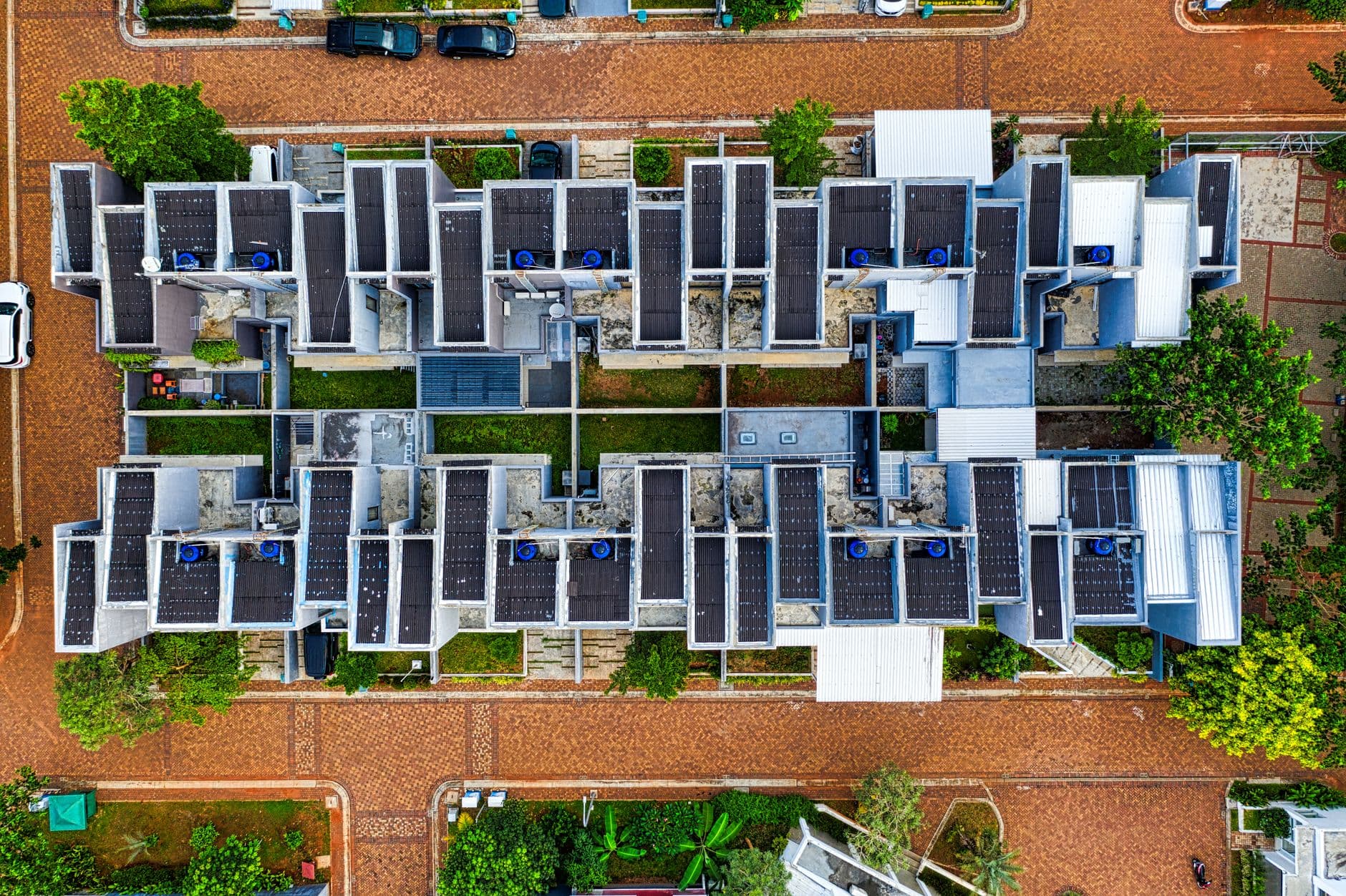
Greater Cairo can meet 80% of its 2050 electricity demand with 14 GW of rooftop solar
14 GW of rooftop solar can power about 80 % of Greater Cairo’s electricity needs by 2050
By 2050 a fleet of roughly 14 GW of distributed solar panels – enough to generate ≈24 TWh per year – would cover four‑fifths of the megacity’s projected electricity demand. That figure comes from multiplying the expected demand (≈30 TWh/yr for 20 million people at 1 500 kWh/person) by 0.8 and dividing by a typical Egyptian solar capacity factor of 20 % (24 TWh ÷ 0.2 ÷ 8 760 h ≈ 14 GW). The result shows that rooftop solar alone could light up about 6 million households (assuming 4 000 kWh/yr per home). This is the cornerstone of the scenario outlined by LUT University’s multi‑dimensional assessment of Greater Cairo.
Solar energy is the cheapest power source the city can rely on
Egypt’s solar irradiance averages 2 300 kWh m⁻² yr⁻¹, one of the highest in the world, and the levelized cost of electricity (LCOE) for utility‑scale PV is projected to fall to about €30/MWh by 2050 – roughly half today’s cost in the region. Converting to local currency (≈ 4 NIS/€) gives ≈ 0.12 NIS/kWh, a price that would be competitive even against Israel’s current residential tariff of ~0.6 NIS/kWh. The steep price drop is driven by module costs falling more than 50 % since 2016 and by large‑scale procurement.
The prosumer wave will supply ~40 % of that solar power
Under the optimal pathway, rooftop installations will provide close to 40 % of Greater Cairo’s total solar output, translating to the 14 GW figure mentioned above. Today, rooftop PV is concentrated in industrial sites, but policy incentives and declining solar panel prices (down to $566/kW in 2024) are expected to accelerate adoption across residential and commercial buildings. The study predicts that 85 % of battery storage output will come from these prosumer sites, reinforcing the city’s flexibility.
Massive grid upgrades are still essential
Even with aggressive rooftop deployment, Cairo will need to import up to 80 % of its electricity from surrounding low‑density regions rich in wind and solar, especially the East Delta, Canal, and Sinai governorates. To accommodate this, high‑voltage transmission capacity must expand ten‑fold to about 30 GW by 2050. Such inter‑regional links will carry both solar and wind power, creating a Solar‑to‑X economy that can also export e‑fuels.
Full sector coupling turns electricity into heat, transport and fuels
Electrifying heat with heat pumps and electric heaters could meet >60 % of Cairo’s heating and cooling demand, while solar thermal adds another 14 %. For high‑temperature industrial processes, e‑fuels (e‑hydrogen, e‑methane, Fischer‑Tropsch liquids) will fill the remaining 20 %. In transport, about half of the projected demand can be met by electric vehicles and rail, with the rest relying on e‑fuels; only e‑hydrogen appears economically viable to produce locally.
Economic upside: LCOE halves, billions saved, jobs multiply
Switching to a 100 % renewable mix would cut Cairo’s electricity LCOE by 50 % to €30/MWh, saving €150 billion in cumulative system costs for the city alone and €700 billion nationwide. The transition would double the number of energy‑sector jobs by 2050, with construction, O&M, and storage roles leading the surge. In a scenario that limits inter‑regional imports, job creation could even triple, though at a modest techno‑economic penalty.
Cleaner air, lower temperatures, better health
By 2050, the solar‑driven pathway would halve emissions of major air pollutants and reduce premature deaths linked to pollution by tens of billions of euros in avoided health costs. CO₂ emissions from the power sector would be virtually eliminated, cutting cumulative emissions by 50 % relative to the current trajectory. Residents would enjoy lower urban heat island effects, quieter streets, and a shift from diesel‑powered traffic to silent electric vehicles.
What it means for Israel: lessons, opportunities, and tariff insights
Israel’s solar market already benefits from high solar insolation (≈2 200 kWh m⁻² yr⁻¹) and a supportive regulatory framework. The Cairo case shows that large‑scale prosumer adoption combined with strategic inter‑regional transmission can unlock massive cost savings. For Israeli households, a 15 kW home solar system – typical for a family home – now costs around NIS 120 000 (≈ $340/kW after subsidies) and can generate ≈ 24 MWh per year, offsetting ≈ NIS 14 400 of electricity bills at current tariffs. At the projected 0.12 NIS/kWh solar‑derived price, the payback period shortens to ≈ 6 years, compared with the current ≈ 10‑year horizon.
Moreover, Israeli investors can look to Egypt’s emerging 500 MW‑plus battery projects (the first 300 MWh utility‑scale battery commissioned in 2024) as a model for building grid‑scale storage that smooths solar variability. Regional cooperation – for example, exporting Israeli‑made solar modules to North Africa or participating in inter‑connector projects across the Mediterranean – could create new markets and jobs while enhancing energy security for both sides.
The road ahead: turning Cairo’s solar dream into reality
The numbers are clear: 14 GW of rooftop solar, massive transmission upgrades, and a fully integrated sector‑coupled system can deliver 80 % of Greater Cairo’s electricity by 2050, at half the current cost and with huge health and climate benefits. Achieving this will require policy incentives for prosumers, financing for grid expansion, and coordinated regional planning. For Israel, the Cairo roadmap offers a blueprint for scaling up prosumer participation, leveraging low‑cost solar, and building the cross‑border infrastructure needed for a solar‑powered Mediterranean future.
Sources & further reading
FAQ
How much rooftop solar capacity is needed for Greater Cairo by 2050?
About 14 GW of rooftop solar panels, which would generate roughly 24 TWh per year – enough for around 80 % of the city’s projected electricity demand.
What will the electricity price be after the transition?
The levelized cost of electricity is expected to fall to around €30/MWh (≈ 0.12 NIS/kWh) by 2050, about half today’s cost.
How many jobs will the solar transition create?
Energy‑sector employment in Greater Cairo is projected to double by 2050, and could triple if inter‑regional imports are limited.
Will air quality improve?
Yes – emissions of major pollutants and related premature deaths are expected to be cut by roughly 50 %.
What can Israel learn from Cairo’s plan?
Israel can adopt similar prosumer incentives, leverage low‑cost solar, and explore regional grid links to lower tariffs and boost local jobs.
Share this post
How much could your roof earn?
Pick a roof size and region — get an instant estimate.
Estimated annual revenue
₪17,804
Payback
3.9 yrs
System size
Annual output
trees
More from Technology
6
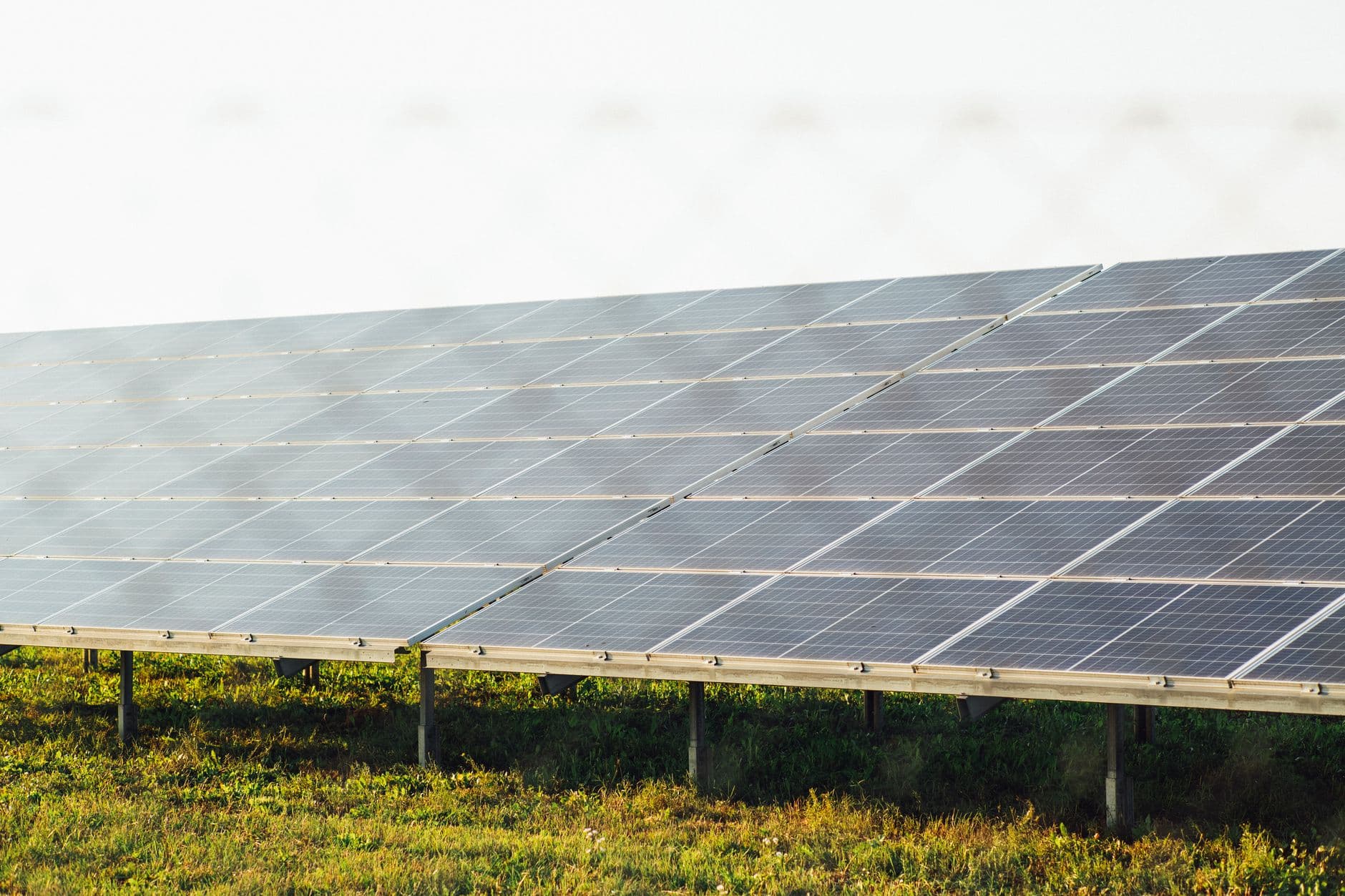
Cadmium Telluride Solar Panels: Efficiency, Costs and What They Mean for Israel’s Solar Future
Cadmium telluride thin‑film panels now hit 21 % lab efficiency and cost under $0.30 /W, delivering a 3‑year payback for a typical 15 kW Israeli home system.
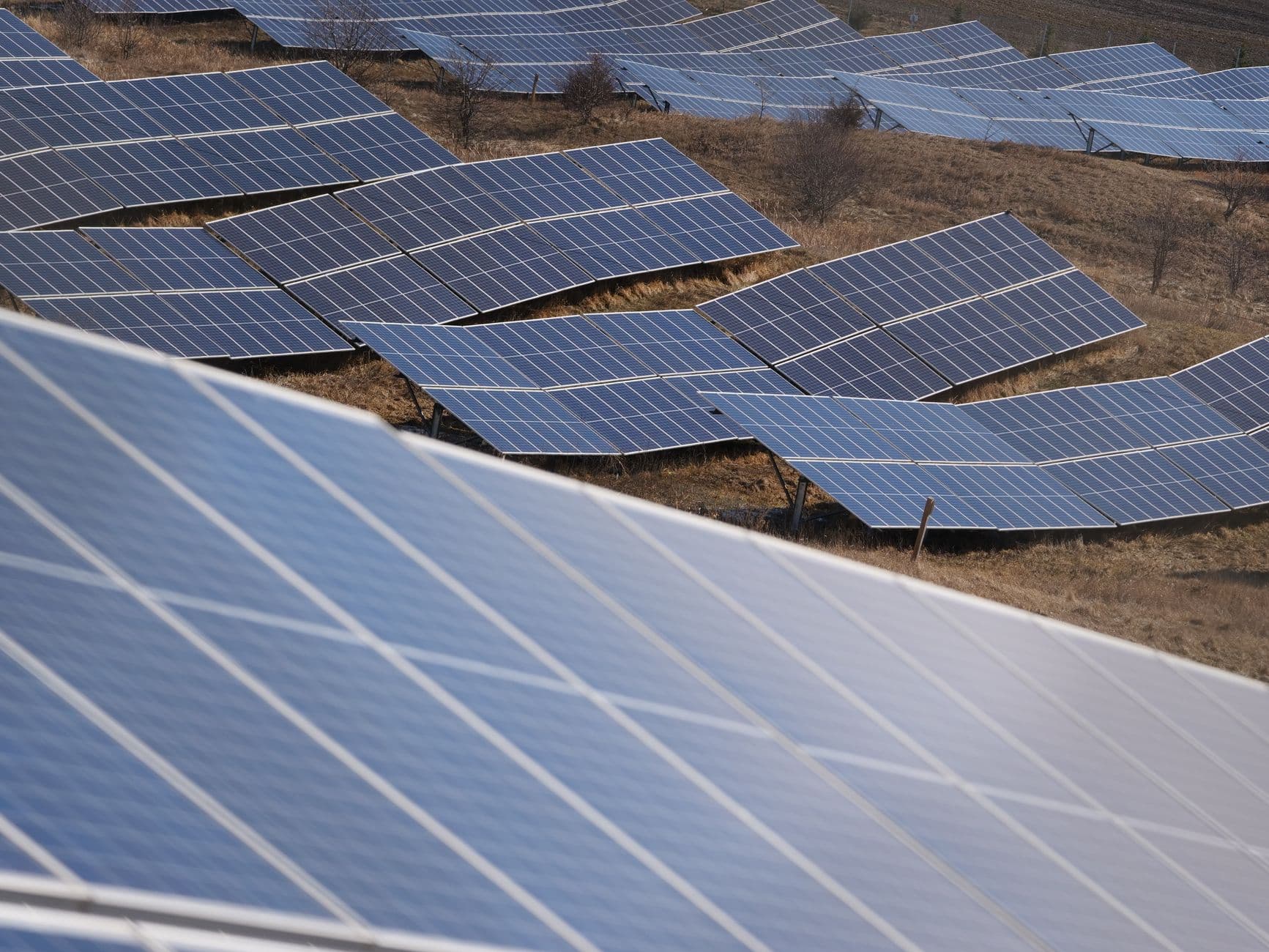
Ychoux 2 Solar Farm Rebuilt After Storm Domingos – Capacity Doubled Without Expanding Footprint
Photosol rebuilt the storm‑damaged Ychoux 2 solar farm in France, doubling its capacity without expanding its footprint, and the 77 MW complex will now generate about 97 GWh annually.
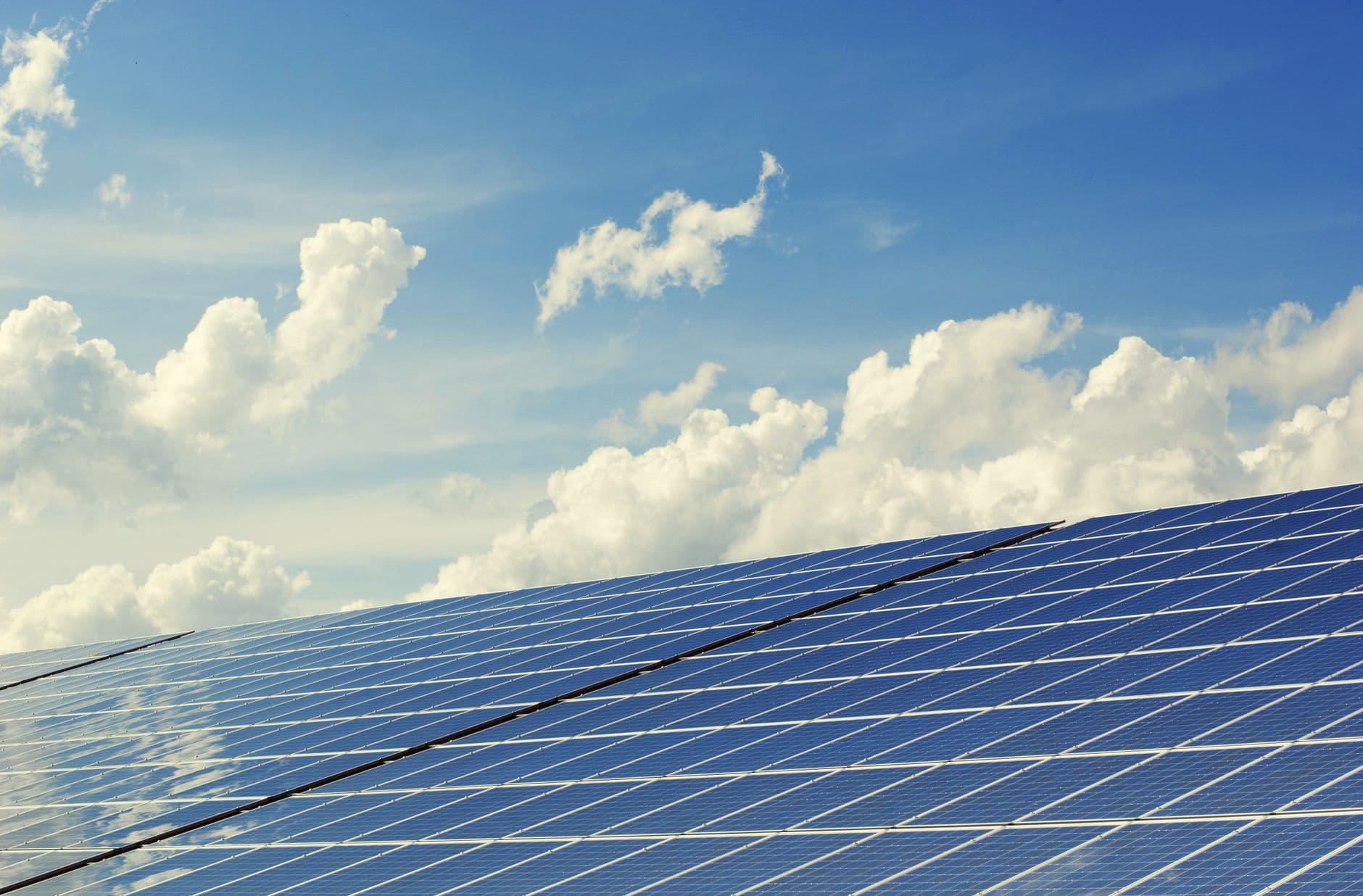
El Niño 2024‑26 will boost solar output in India and Australia but shave up to 10 % off Israeli PV yields
The developing El Niño that will peak in late‑2025 will boost solar irradiance by up to +10 % in India and eastern Australia, while Israel can expect a modest 5‑10 % winter dip in PV output, equating to about 110 kNIS less revenue per MW annually.
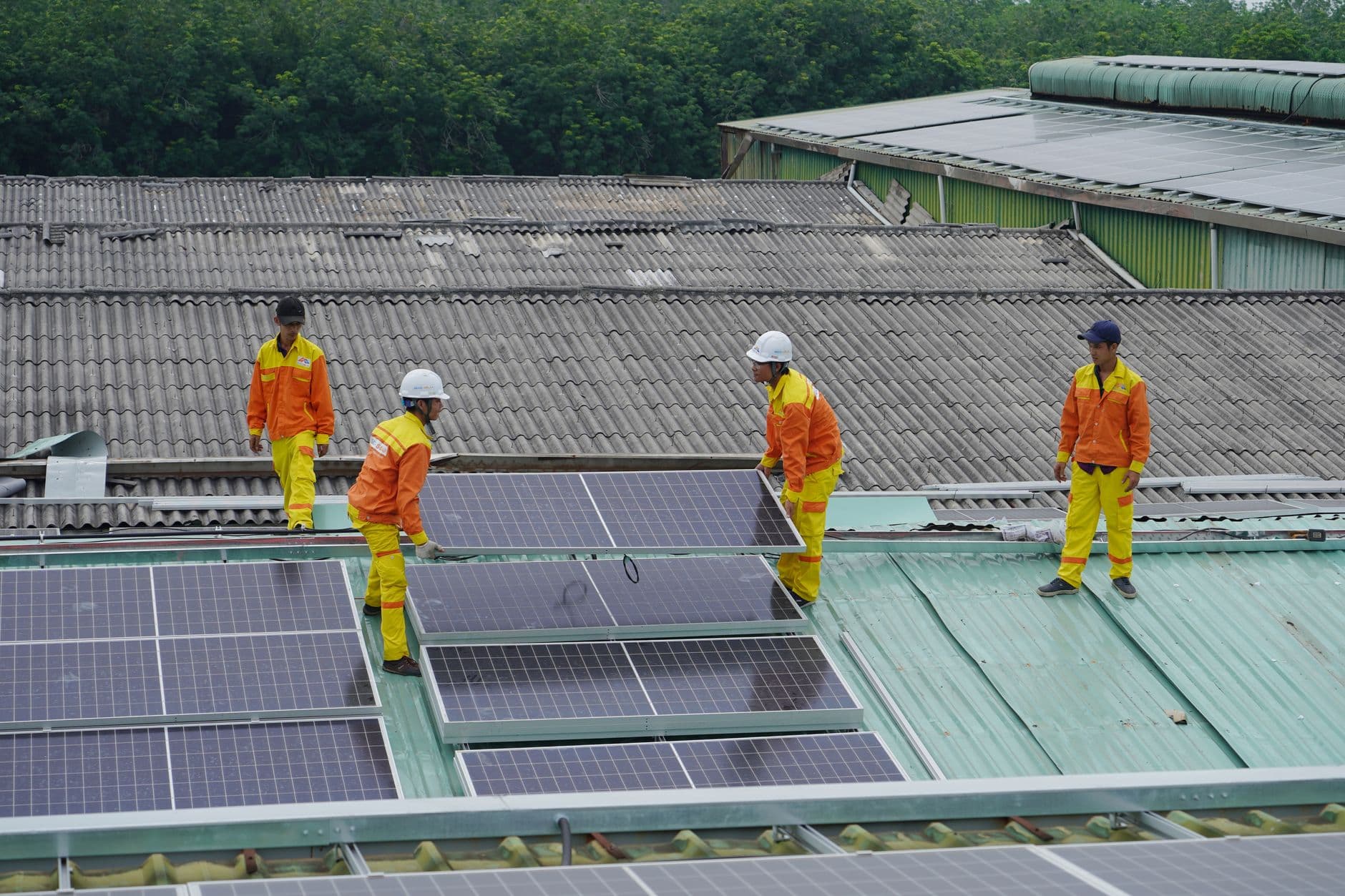
Vietnam Accelerates Solar Panel Recycling Technology – What It Means for the Global Clean‑Energy Chain
Vietnam will generate about 30,000 t of solar‑panel waste each year by 2030 and is already building recycling plants, new EPR laws, and a fast‑growing market worth roughly USD 120 million.
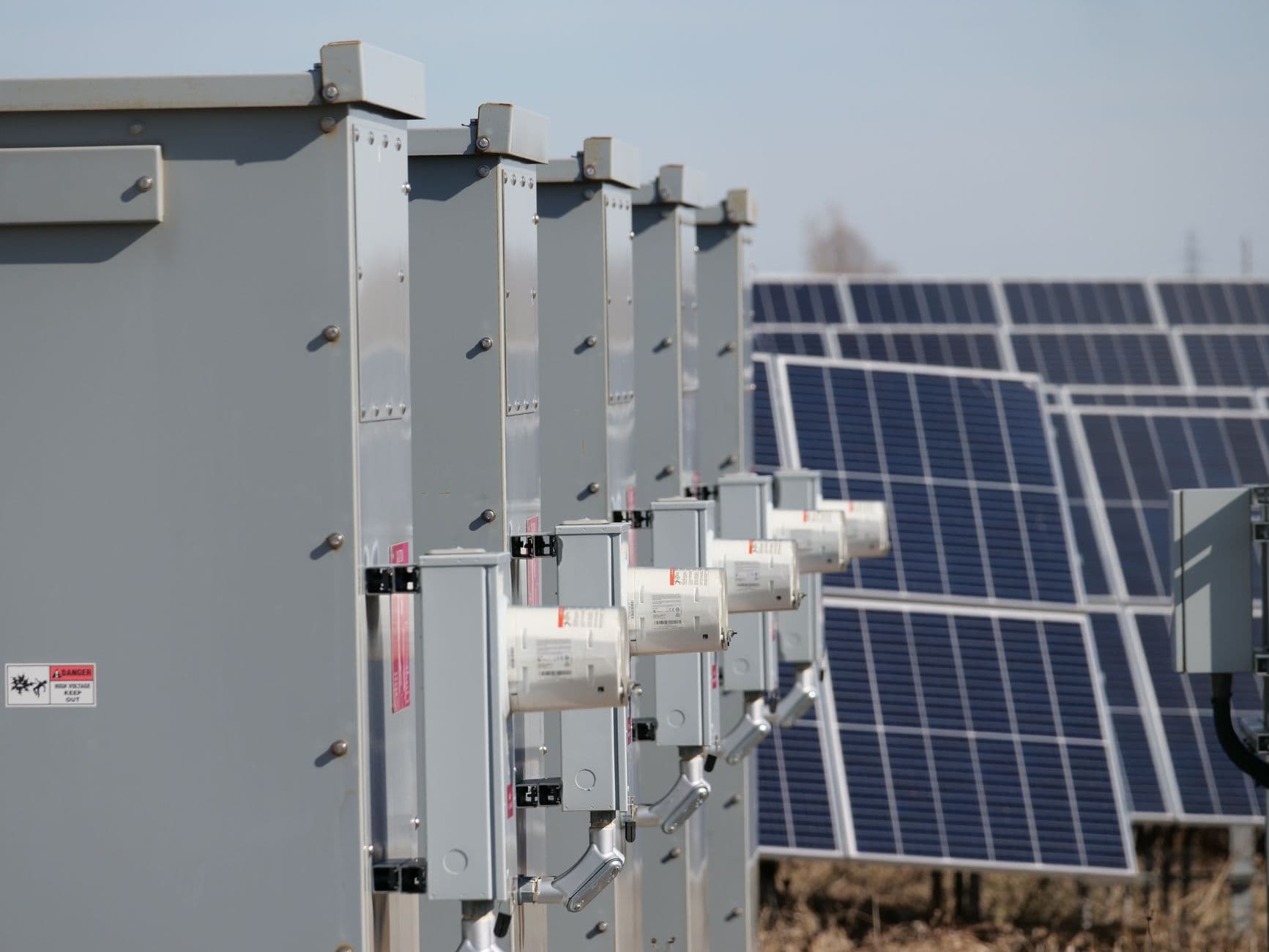
Circuitor’s Computer PV‑12 Reactive Energy Controller Boosts Israeli PV Self‑Consumption
The Circuitor Computer PV‑12 reactive‑energy controller lets Israeli rooftop PV owners balance up to three current sources without external CTs, improving power‑factor accuracy and saving roughly 90 NIS per year in penalty avoidance.