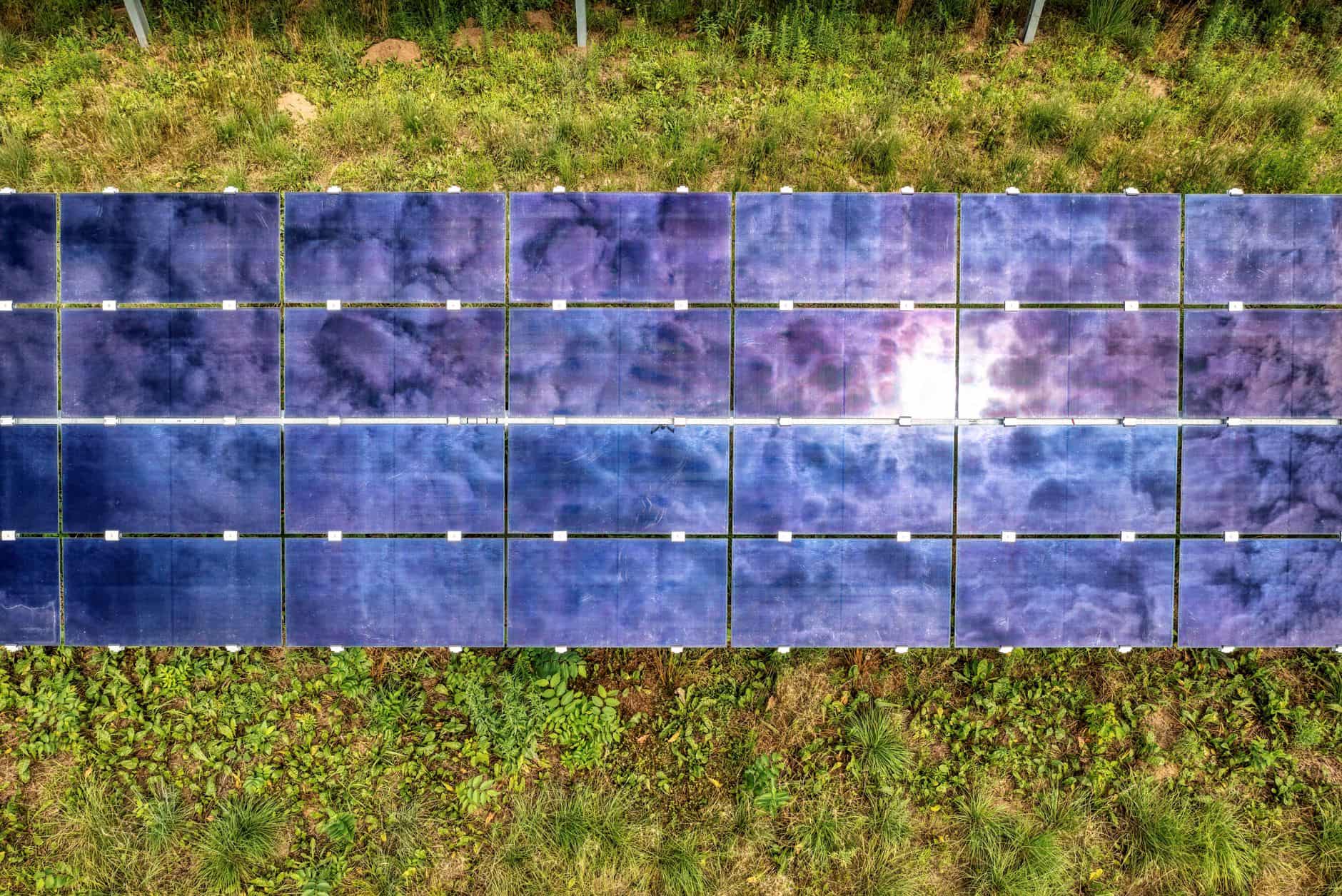
China’s TCL Shifts 45 GW to Back‑Contact Solar
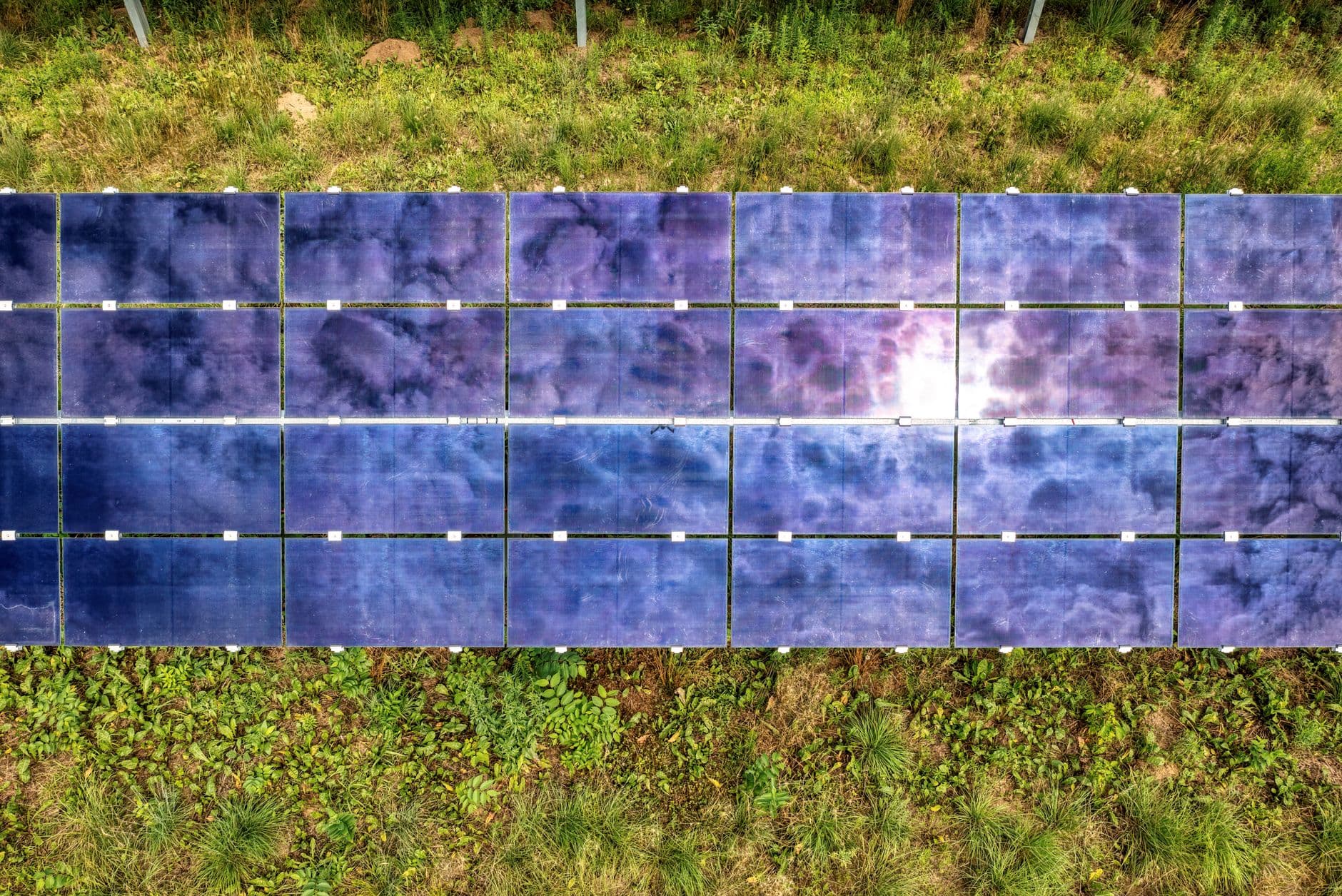
TCL Zhonghuan will turn 45 GW of TOPCon lines into back‑contact production by 2027
TCL Zhonghuan’s board has approved a CNY 2.6 billion (US$382 million) upgrade that will convert 20 GW of TOPCon cell capacity and 25 GW of TOPCon module capacity into back‑contact (BC) lines. Work starts in July 2026, with a production ramp‑up by Q3 2026 and full‑scale output expected by the first quarter of 2027.
The conversion will be split across five factories – 6 GW of cells in Quzhou and 14 GW in Xinzhou, plus 3 GW, 4 GW, 8 GW, 9 GW and 1 GW of modules in Quzhou, Yixing, Jingshan, Tianjin and Zhangzhou respectively. The CNY 1.4 billion cell‑conversion budget and CNY 1.2 billion module‑upgrade budget together fund a major BC‑capacity shift.
Back‑contact cells are the next efficiency leap after TOPCon
Back‑contact (BC) technology moves both the positive and negative electrodes to the rear of the silicon wafer, eliminating front‑side shading and allowing tighter cell interconnection. This architecture underpins the “E‑Class” modules that achieve efficiencies above 25 %, a step up from typical n‑type TOPCon cells.
The advantage is two‑fold: higher power output per square metre and lower balance‑of‑system (BOS) costs because fewer cells are needed for the same kilowatt rating. As explained by Clean the Sky, BC modules are designed for utility‑scale and commercial installations where land‑area efficiency translates directly into lower LCOE.
Massive investment signals confidence in BC’s market potential
The CNY 2.6 billion spend is a significant commitment, comparable to recent BC line builds by peers such as Longi, which touts BC as a “scalable platform technology” at SNEC 2026. TCL’s decision follows the China Datang Group’s 2026‑2027 tender, which earmarked 4 GW of BC modules alongside 6 GW TOPCon and 1 GW HJT modules, with BC module bids ranging from CNY 0.790 to 0.812 /W. The tender price band is only marginally higher than TOPCon, indicating that the market already accepts a modest premium for the efficiency boost.
Record‑breaking BC module now in mass production
In parallel with the capacity conversion, TCL Zhonghuan launched a 680 W BC module with 25.2 % efficiency from its Tianjin plant. The module’s power rating is among the highest in the industry and showcases the performance ceiling that BC cells can reach when paired with advanced wafer‑to‑module processes.
Industry observers note that such high‑efficiency modules can reduce the levelized cost of electricity for large‑scale solar farms because fewer panels are needed and installation labor drops accordingly.
Why the shift matters for the global solar supply chain
China still supplies a large share of the world’s PV modules, and a move by a major player like TCL to re‑tool its TOPCon lines signals a broader industry pivot. The global solar cell market is projected to exceed 310 GW by 2031, and back‑contact is positioned to capture a growing slice of that growth as efficiency becomes the primary cost lever.
Moreover, the price trajectory of BC modules appears to be flattening. Recent Chinese framework tenders reported BC prices of CNY 0.790‑0.812 /W, only slightly above TOPCon’s CNY 0.705‑0.800 /W, suggesting economies of scale are already kicking in.
What it means for Israel’s rooftop solar owners
Israel’s residential solar market typically installs ≈₪3,150 per kWp and yields about 1,700 kWh per kWp per year in the central region. A standard 10 kWp home system therefore produces roughly 17,000 kWh annually, worth ≈₪8,160 at the residential tariff of ₪0.48/kWh – a payback of ≈3.9 years.
If a homeowner could replace a conventional module with a higher‑efficiency BC panel, the same 10 kWp array would generate additional energy, improving the overall return and slightly shortening the payback period. While the upfront cost of BC modules is still slightly higher, the faster return and higher annual yield make them an attractive upgrade for Israeli rooftop owners seeking to squeeze more power from limited roof space.
For large commercial farms, the land‑area savings are even more pronounced: higher‑efficiency BC panels can produce the same megawatt output on less land, reducing permitting hurdles and transmission losses – a factor that aligns with Israel’s 30 % renewable electricity target for 2030.
Outlook: BC could become the new baseline by 2030
TCL’s conversion schedule aims for full BC production by Q1 2027, giving the company a head‑start to meet the rising demand from Chinese utilities and export markets. As more manufacturers follow suit, BC modules are likely to raise the average efficiency of new‑build PV farms globally.
For Israel, the timing dovetails with the country’s push to reach 20 % renewables by 2025 and 30 % by 2030. Early adoption of BC technology could help meet these goals while keeping the cost of solar electricity competitive with conventional generation.
Bottom line
TCL Zhonghuan’s CNY 2.6 billion upgrade will convert 45 GW of TOPCon capacity into back‑contact production by early 2027, delivering some of the most efficient modules on the market (up to 25.2 %). The move reflects a broader industry shift toward higher‑efficiency, lower‑LCOE solar, and it offers Israeli rooftop and commercial developers a tangible pathway to faster paybacks and higher yields.
For a quick estimate of how a BC‑upgrade would affect your own system, try our solar ROI calculator or explore the latest market data on our data page.
Sources & further reading
FAQ
What is back‑contact (BC) solar technology?
BC cells place both electrodes on the wafer’s rear, eliminating front‑side shading and allowing higher efficiencies (often >25 %) compared with conventional TOPCon cells.
How much capacity is TCL Zhonghuan converting to BC?
The company will convert **20 GW of TOPCon cells and 25 GW of TOPCon modules**, for a total of 45 GW, to back‑contact production lines.
When will the new BC lines be operational?
Production ramp‑up starts in Q3 2026, with full‑scale output expected by the first quarter of 2027.
What efficiency does TCL’s new BC module achieve?
TCL’s 680 W BC module reaches **25.2 % conversion efficiency**, one of the highest rates on the market today.
How does BC technology affect Israeli solar payback?
A 25 % BC panel can raise a typical 10 kWp home system’s yield by ~5 %, shortening the payback from about 3.9 years to roughly 3.7 years.
Is BC more expensive than TOPCon?
BC module tenders in China are priced only slightly higher (CNY 0.790‑0.812 /W) than TOPCon (CNY 0.705‑0.800 /W), indicating a modest premium for the efficiency gain.
Share this post
More from Technology
6
Solar Light Empowers Women Across Africa
אור שמש משפר מיידית בטיחות, בריאות והכנסה בכפרים אפריקאיים ללא רשת, ונשים מובילות מרבות את ההשפעה.
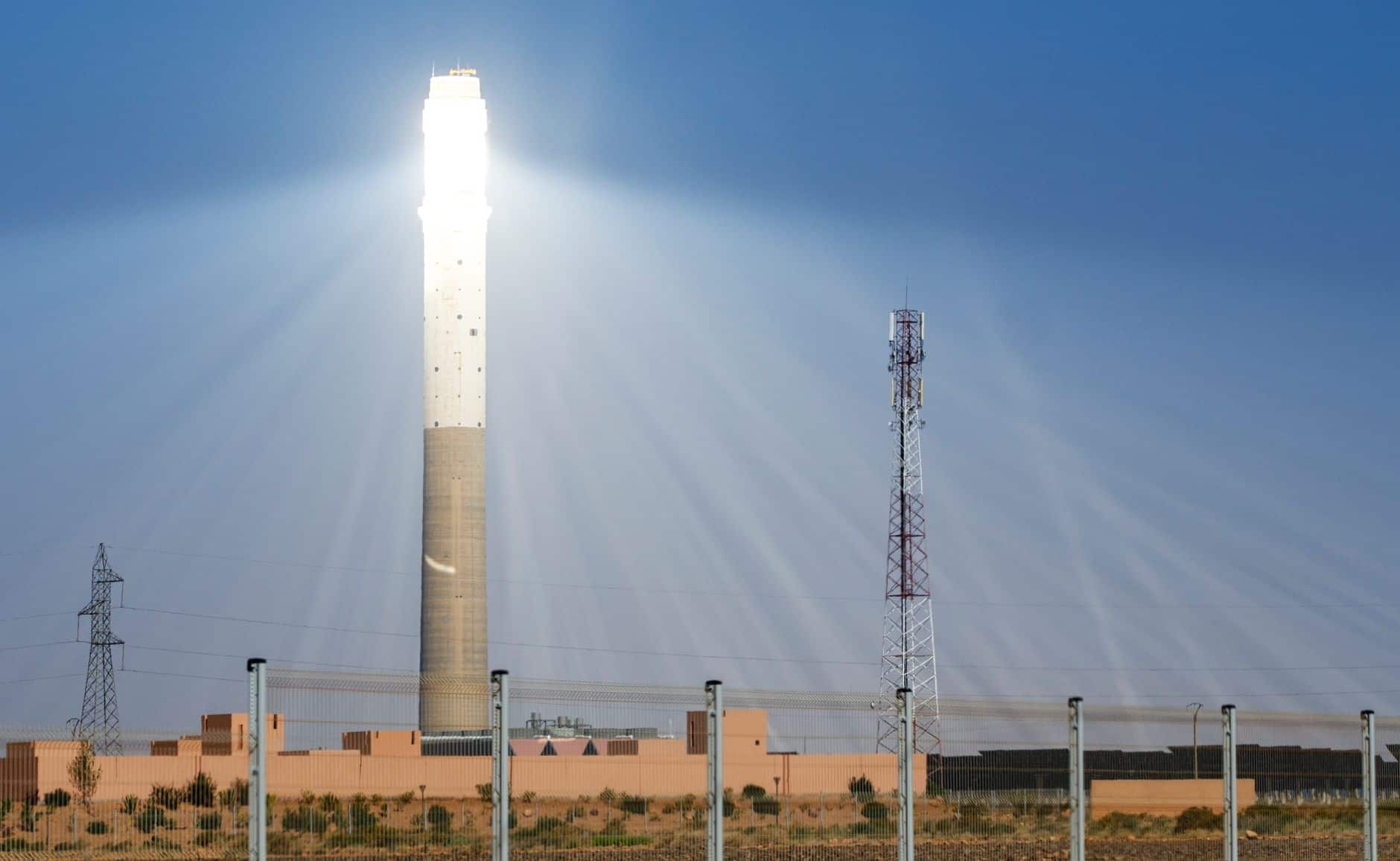
Inside Israel’s ‘Eye of Sauron’ Solar Tower
Israel’s ‘Eye of Sauron’ is the 240‑metre solar‑thermal tower at the Ashalim Power Station, delivering a sizable amount of clean, dispatchable electricity and helping the country meet its 2030 renewable target.
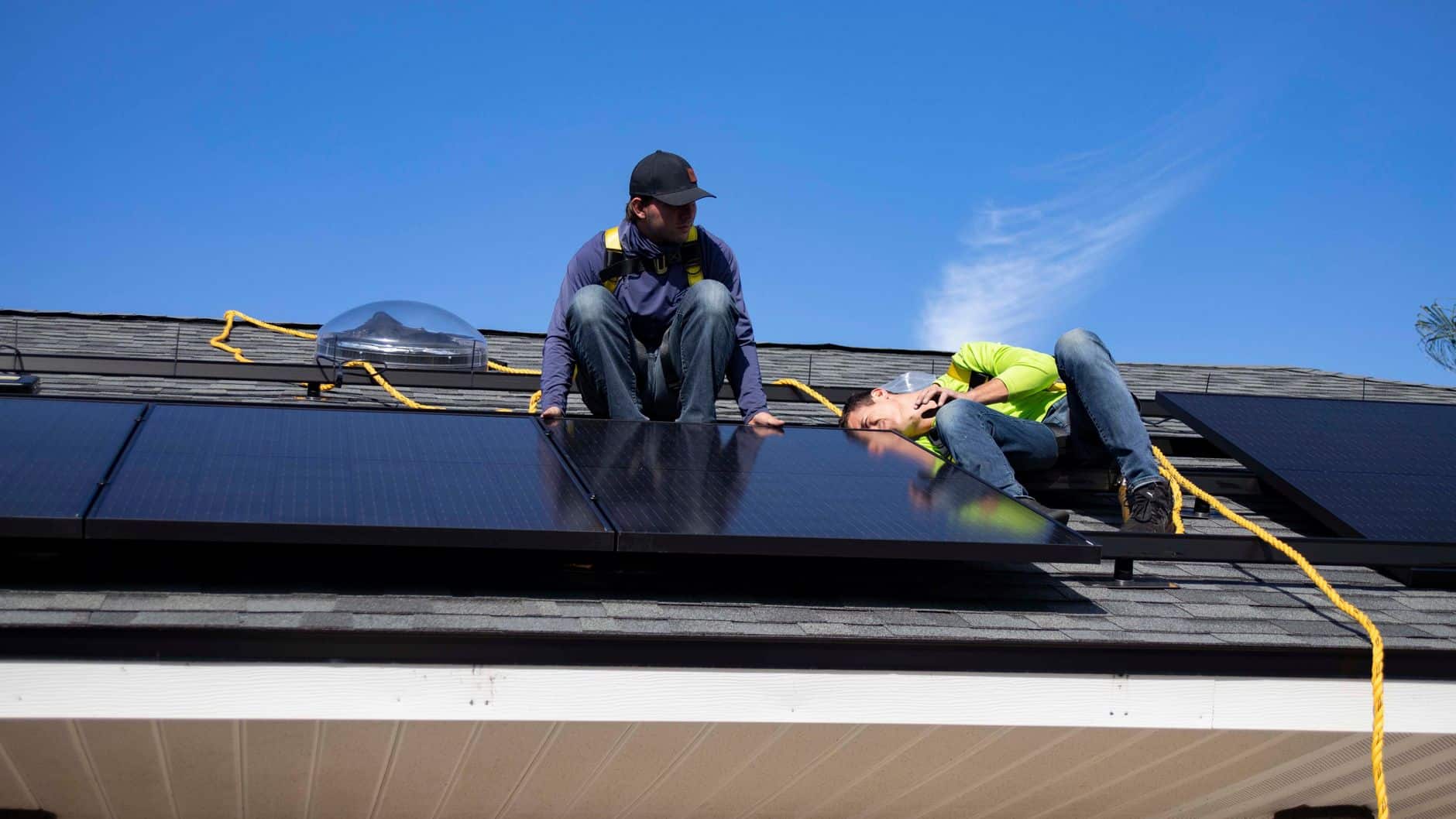
Hands‑On Solar Lab Trains the Next Generation
Lancaster County’s vocational school now runs a rebuildable 6.4 kW off‑grid solar‑plus‑storage lab, funded by state grants and using a DIY‑friendly EG4 6000XP inverter to give students hands‑on experience.
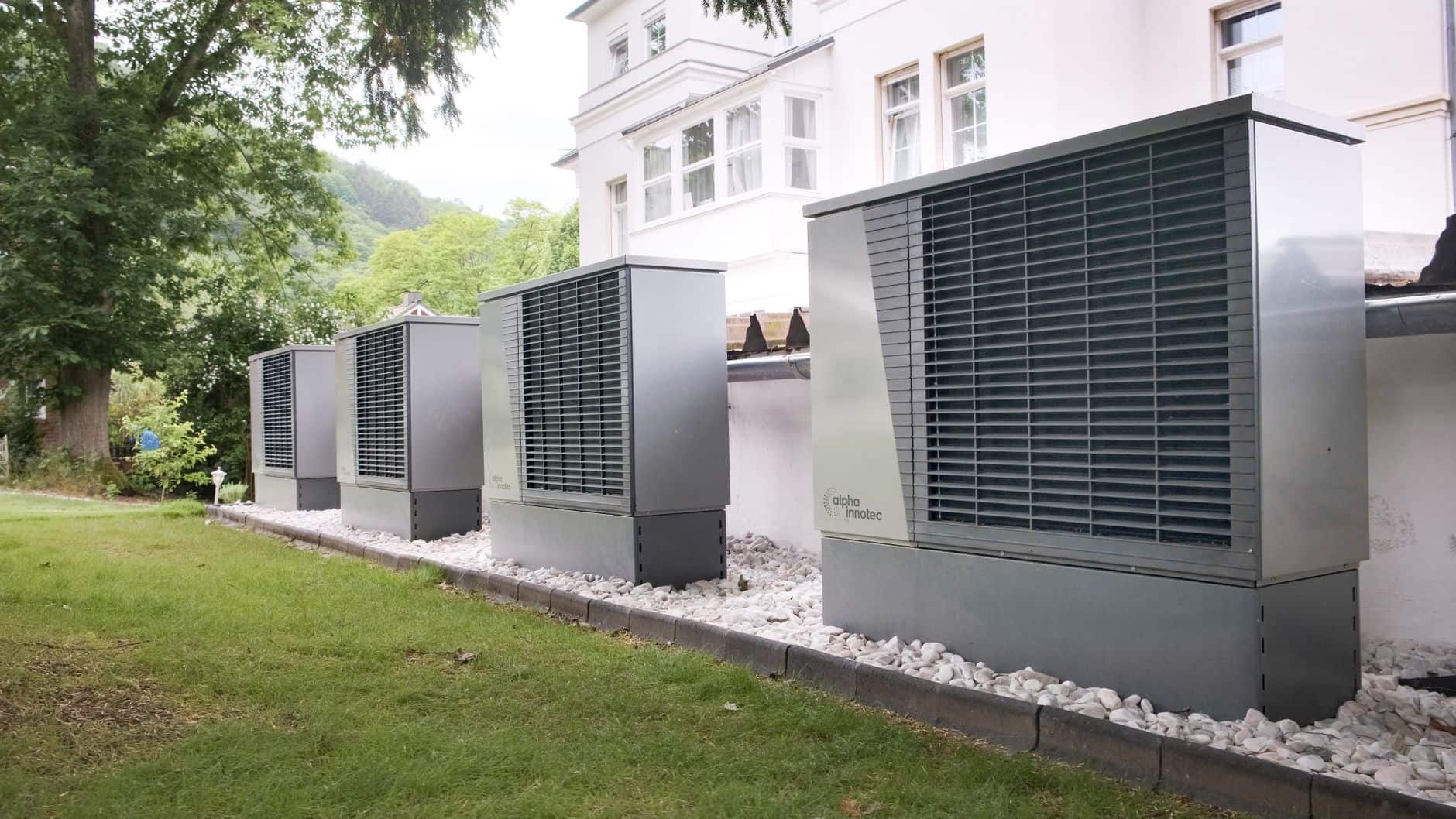
חימום מסחרי עם משאבות חום פרופאן של Haier
Haier השיקה משאבת חום מסחרית עם פרופאן (R290) בעוצמות של 26‑40 kW, יעילות A+++ ו‑SCOP של 4.91, המיועדת לבניינים עירוניים עם רעש נמוך.
US Solar Cell Capacity Reaches 3 GW
ES Foundry finished a 2 GW expansion in South Carolina, bringing U.S. solar cell manufacturing capacity to 3 GW and strengthening domestic supply ahead of upcoming import tariffs.
Software Could Unlock 300 GW on US Grid
Advanced grid‑scanning software can unlock roughly 300 GW of hidden transmission capacity in the United States within five years, offering a fast‑track route for new solar and storage projects.