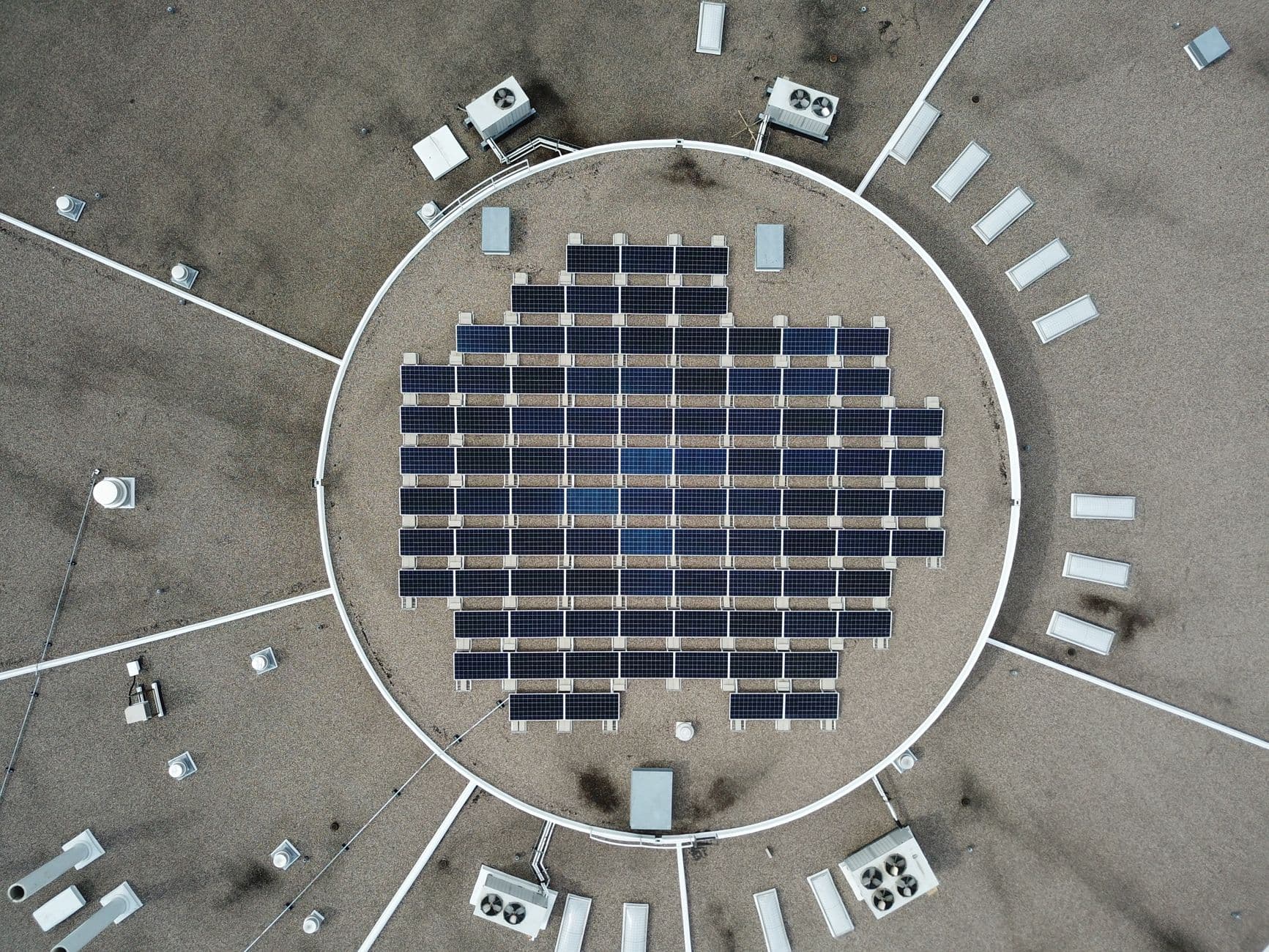
Shared rooftop solar for Israeli apartments – key facts
What is shared rooftop solar and why it matters for Israeli apartments
Shared rooftop solar lets multiple households in a multi‑family building tap electricity from a single photovoltaic (PV) array installed on the roof. In practice, the system’s output is divided among tenants through virtual net‑metering, so each apartment sees a credit on its electricity bill without having its own panels. This model solves Israel’s chronic lack of land for individual roofs while delivering clean power to thousands of renters.
New Israeli regulations make shared solar mandatory for new non‑residential buildings
Since August 2024 the National Planning and Building Committee has required all new non‑residential buildings – including apartment blocks – to install rooftop solar panels of at least 5 kW, according to a report by Globes. The Energy Ministry’s 2023 decree reinforces the rule, mandating solar on every new building over 500 m². The goal is to add 3.5 GW of rooftop capacity by 2040, a key pillar of Israel’s renewable‑energy roadmap.
Sources & further reading
FAQ
Can renters benefit from rooftop solar in Israel?
Yes – through virtual net‑metering the electricity a shared roof generates is credited to each tenant’s bill, even if the panels belong to the building owner.
What size solar system is required for a new apartment building?
The regulation sets a minimum of 5 kW per building, but most developers install 12‑15 kW to cover common‑area loads and provide meaningful savings for residents.
How much electricity will a 15 kW rooftop produce in Israel?
Around 24 MWh per year, enough to cover roughly 30 % of an average 9‑person apartment block’s consumption.
What is the payback period for a shared solar system?
Based on current Israeli tariffs, a 15 kW system costing ~70,000 NIS pays back in about 5 years and then generates profit for the rest of its 25‑year lifespan.
Will shared solar affect Israel’s 2040 renewable target?
Yes – the mandated rooftop capacity is expected to contribute roughly 8‑10 % of the 3.5 GW rooftop goal, accelerating the country’s shift to clean power.
Are there financing options for building owners?
Several Israeli banks and green‑finance funds now offer low‑interest loans and leasing models, allowing owners to install panels with little upfront cash.
Share this post
How much could your roof earn?
Pick a roof size and region — get an instant estimate.
Estimated annual revenue
₪17,804
Payback
3.9 yrs
System size
Annual output
trees
More from Residential
5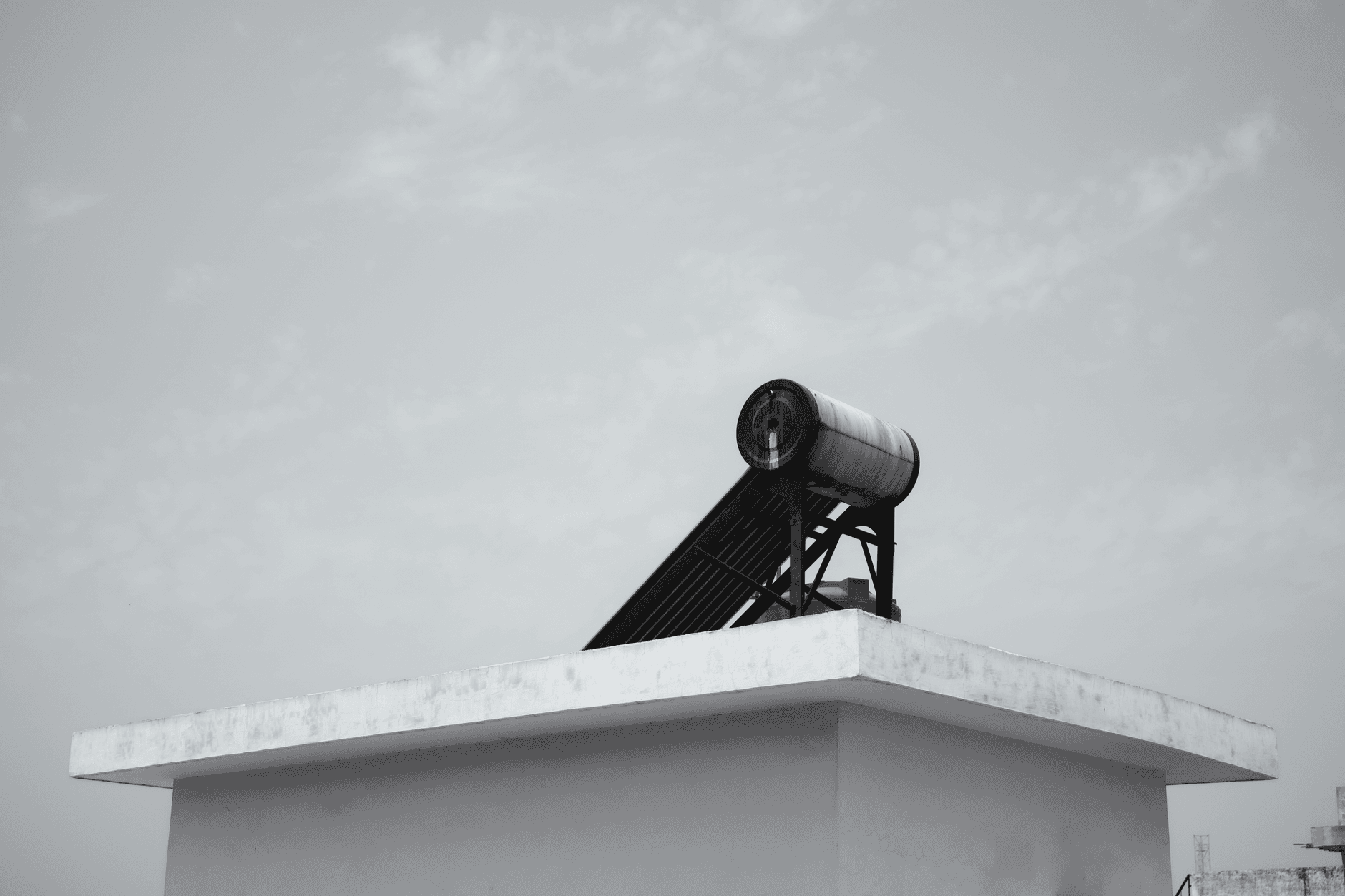
Solar water heating vs PV for Israeli homes
Solar water heaters are more efficient and cheaper to run than photovoltaic panels for hot water in Israel, with a payback of ~20 years versus ~17 years for a 5 kW PV system.
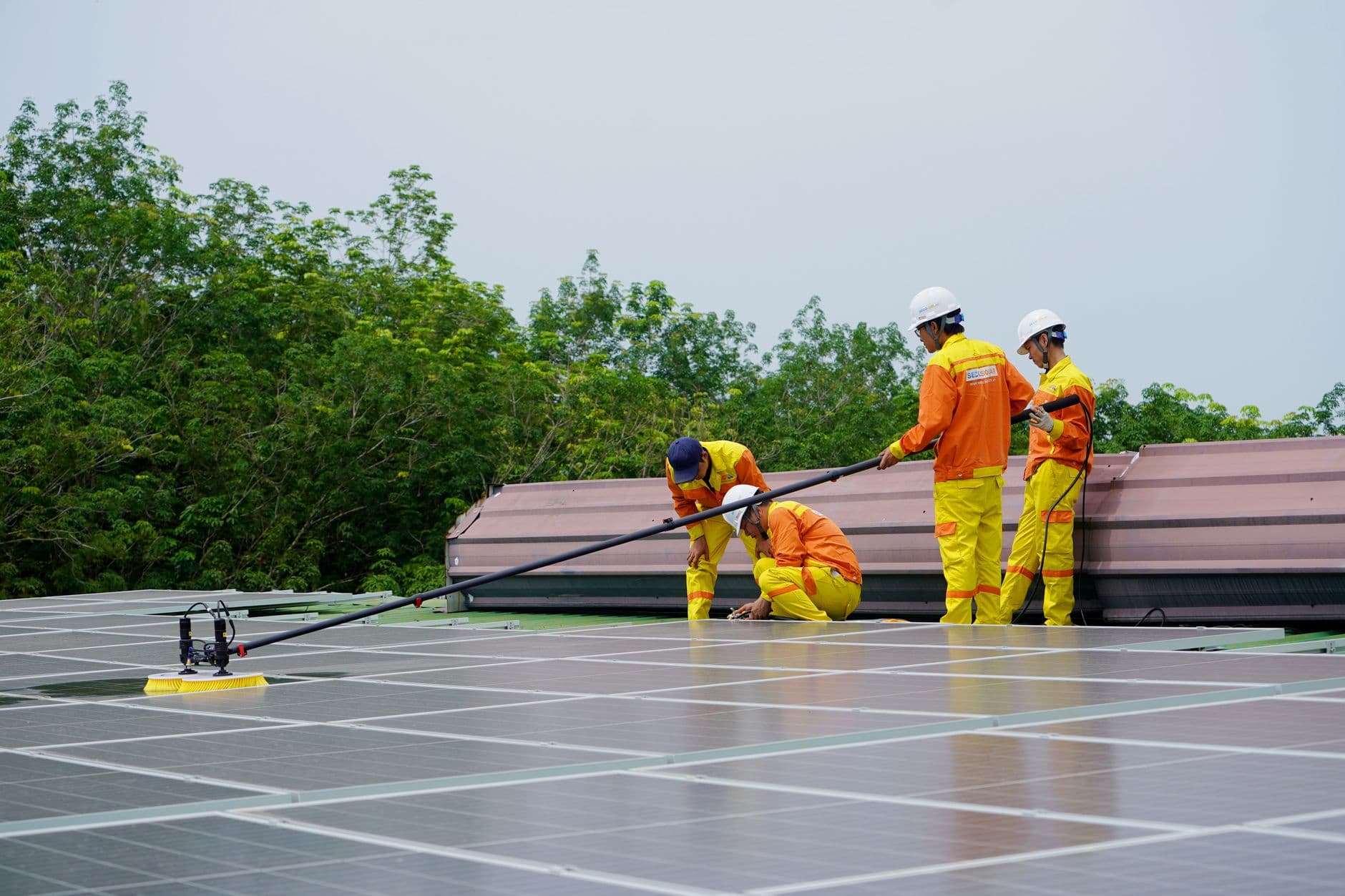
How Israeli Homeowners Should Clean Their Solar Panels: Frequency, Costs & Savings
Israeli homeowners should clean rooftop PV panels twice a year to keep efficiency above 95 %; a DIY clean costs ~75 NIS and pays back in under a year, while professional cleaning takes over five years to recoup.
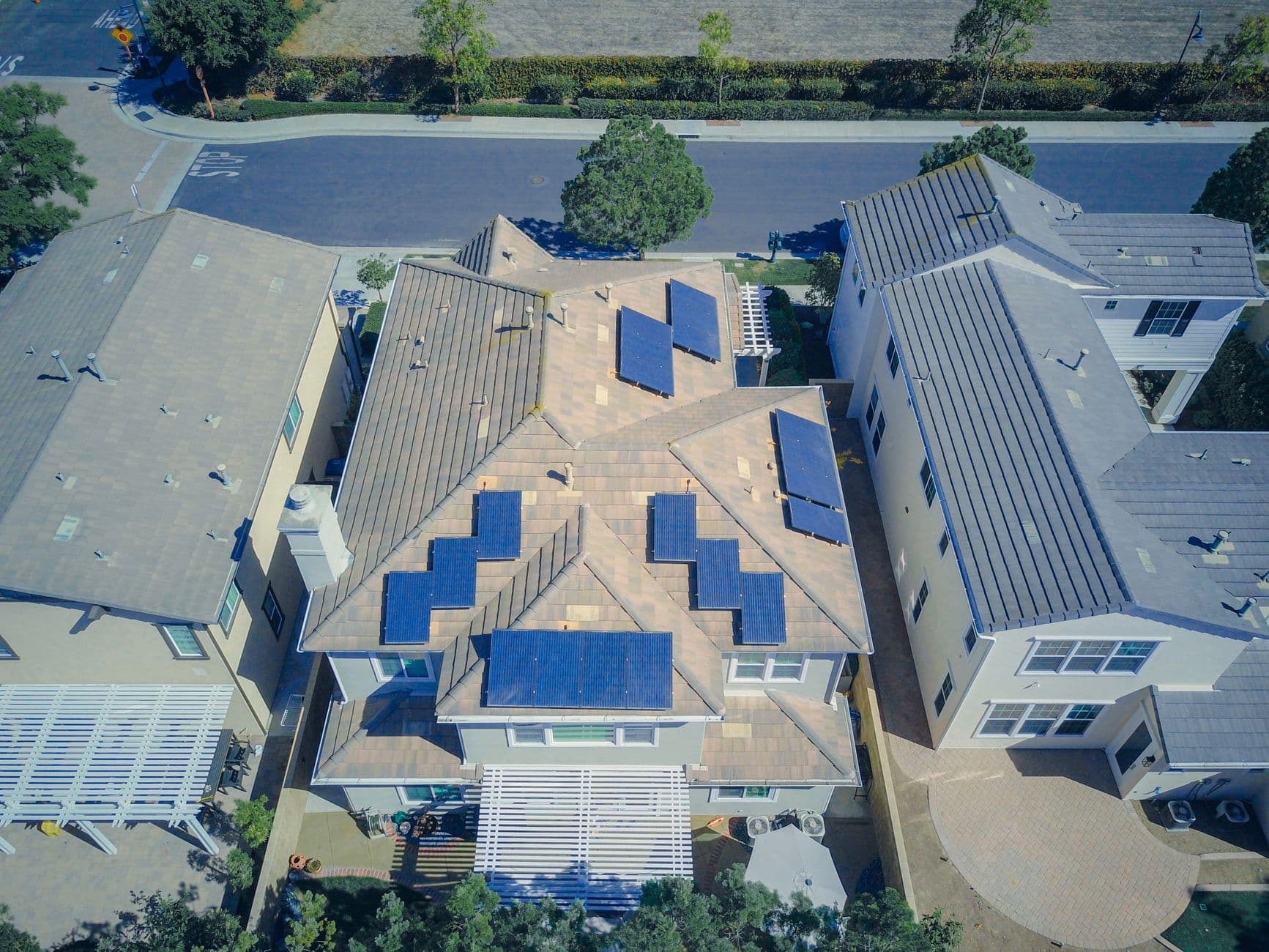
Choosing Solar Panels for an Israeli Home – Costs, Returns, and What It Means for You
A 15 kW rooftop solar system in Israel costs about NIS 81,000, earns roughly NIS 13,000 a year thanks to a 15 % guaranteed return, and pays back in just over six years.
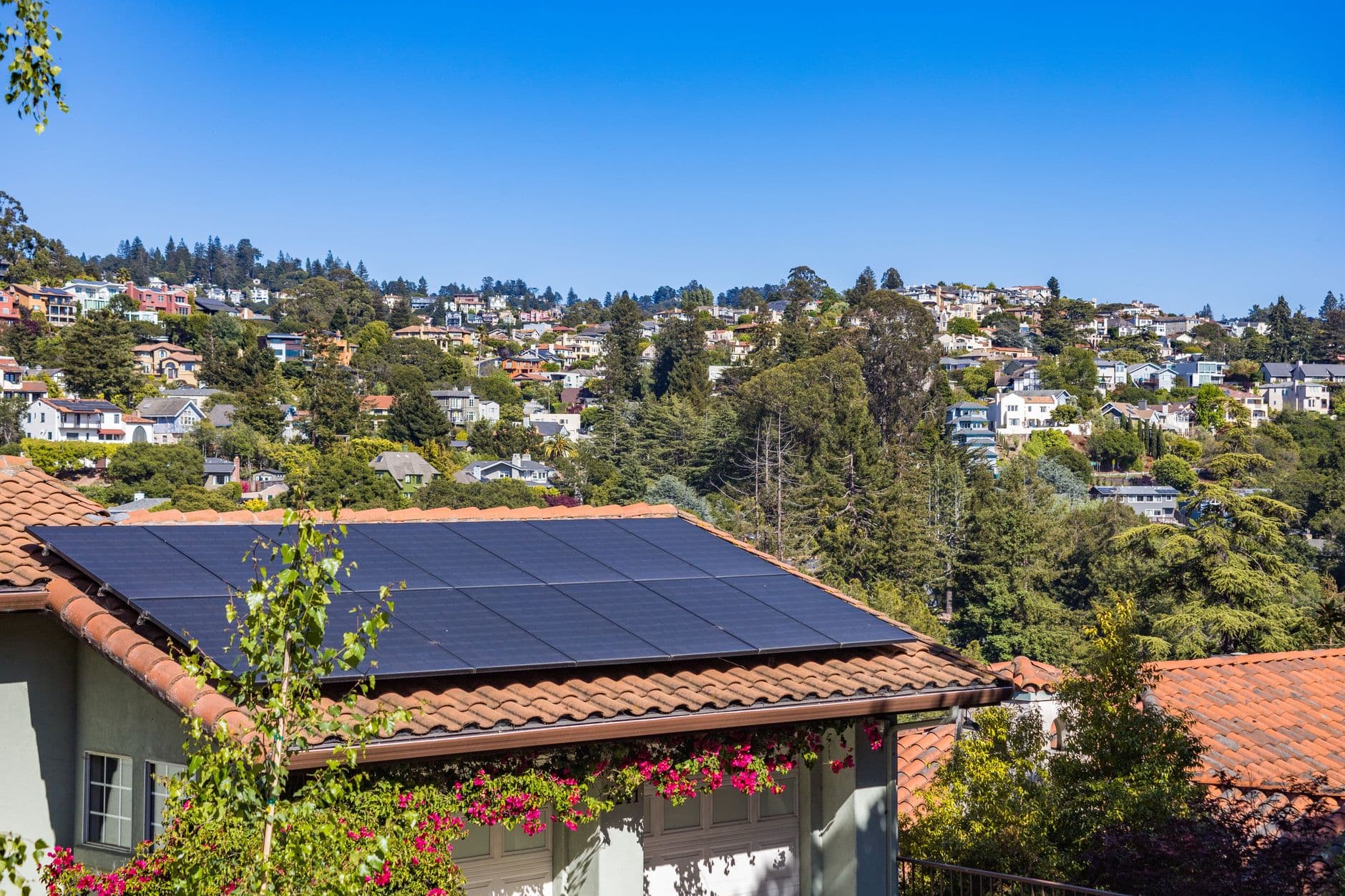
U.S. DOE Solar Cost Benchmarks Show 15 kW Home System Costs Around ₪140 k in Israel
The DOE’s 2024 benchmark puts residential solar at $2.50/W, while a 15 kW home system in Israel costs about ₪18,000 and pays for itself in under 3 years.
U.S. Residential Solar Rooftop Potential: How Much Power Can Homeowners Capture in 2024?
U.S. rooftops could host about 1.2 TW of solar PV, producing roughly 300 TWh a year – enough to power 30 million homes – while a typical 15 kW home system now costs about $42,000 before tax credits and pays back in ~7.5 years.