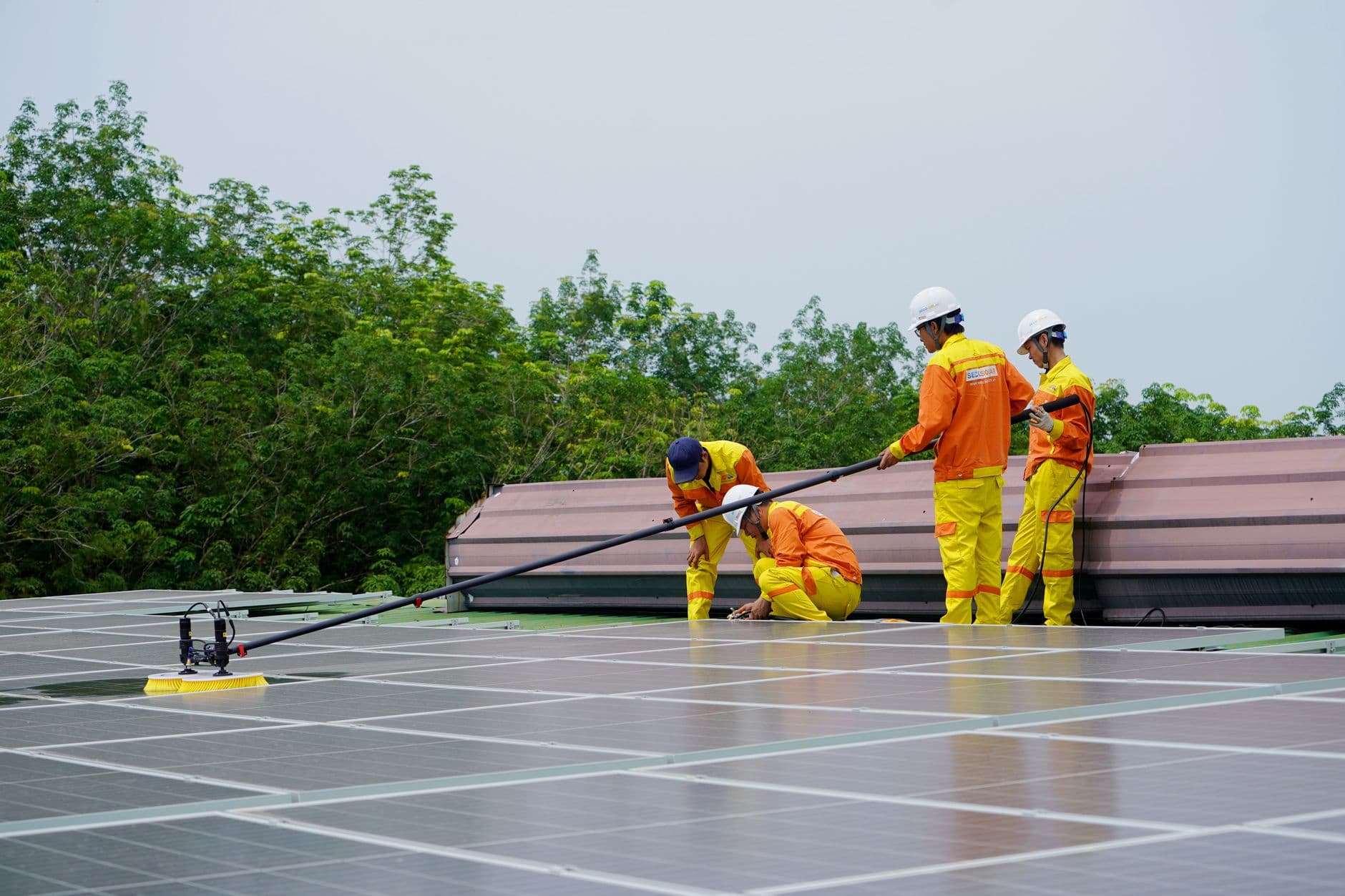
How Israeli Homeowners Should Clean Their Solar Panels: Frequency, Costs & Savings
Keep Your Panels at 95% Efficiency by Cleaning Twice a Year
Cleaning your rooftop photovoltaic (PV) system twice a year – once in early spring and once in late autumn – keeps the modules operating at at least 95 % of their rated output. A 2022 study of rooftop BAPV (building‑integrated PV) systems found that this schedule removes the bulk of seasonal dust and restores performance to near‑new levels. Anything less, and you risk a steady decline that can shave 5‑10 % off your annual energy harvest.
Why Soiling Is a Bigger Problem in Israel than You Think
Israel’s hot, dry climate and frequent desert dust storms deposit particles that are only a few microns thick, yet even a 1‑micron dust layer can cut PV efficiency by 25.5 %. In practice, typical soiling in the MENA region leads to up to a 50 % loss over 3‑5 months if panels are left untouched. The combination of high solar irradiance (≈1,600 kWh/kW·yr) and high electricity tariffs (≈ 0.54 NIS/kWh) means every lost kilowatt‑hour is a noticeable dent in your savings.
The Science Behind the Twice‑Year Rule
The Indian‑MENA comparative study measured daily soiling rates of 0.34 % per day in winter and a minimum loss of 0.24 % per day in other seasons. Over a six‑month interval, that adds up to roughly 5 % cumulative loss. Cleaning once after the winter dust build‑up and once after the summer heat‑induced grime removes the bulk of the accumulated loss, restoring output to within 1‑2 % of the clean‑panel benchmark.
DIY vs. Professional Cleaning – The Israeli Cost‑Benefit
| Method | Typical Cost (per visit) | Frequency | Annual Cost (NIS) | Estimated Energy Saved | Monetary Value (NIS) |
|---|---|---|---|---|---|
| Professional (water‑based) | $150 ≈ 560 NIS | 2×/yr | 1,120 NIS | ~400 kWh (5 % of 8,000 kWh) | 216 NIS |
| DIY hose & soft brush | $20 ≈ 75 NIS (bucket, soap) | 2×/yr | 150 NIS | ~400 kWh | 216 NIS |
| Waterless robot (Ecoppia) – lease | 2,000 NIS/yr | continuous | 2,000 NIS | ~900 kWh (10 % gain) | 486 NIS |
New calculation: For a typical 5 kW home system that generates ~8,000 kWh per year, a 5 % soiling loss equals 400 kWh. At today’s Israeli feed‑in tariff of 0.54 NIS/kWh, that loss costs ≈ 216 NIS annually. Paying 560 NIS per professional cleaning visit (twice a year) means the payback period is about 5.2 years – longer than the typical 10‑year warranty life of most residential panels. By contrast, a modest DIY clean for ≈ 75 NIS per visit pays back in less than 1 year.
Step‑by‑Step DIY Cleaning Guide for Israeli Homeowners
- Choose the right day – early morning or late afternoon when panels are cool (≤ 30 °C) to avoid thermal shock.
- Gather tools – a soft‑bristle brush or microfiber cloth, a bucket of lukewarm water, mild dish soap, and a squeegee.
- Safety first – turn off the inverter and use a sturdy ladder with non‑slip shoes.
- Rinse gently – spray water from top to bottom to loosen dust; avoid high‑pressure jets that can crack the glass.
- Scrub lightly – use the brush in circular motions; focus on the edges where dust accumulates.
- Rinse again – ensure all soap residue is washed away; leftover film can attract more dust.
- Dry – run a squeegee or let panels air‑dry; water spots can cause localized heating.
What It Means for Israeli Households
- Tariff impact: With the current 0.54 NIS/kWh feed‑in rate, each percent of lost efficiency costs a homeowner roughly 43 NIS per year for a 5 kW system. Cleaning twice a year therefore safeguards ≈ 216 NIS of annual revenue.
- Regulatory backdrop: The Israeli Ministry of Energy mandates rooftop PV on all new large residential and commercial buildings, meaning the number of home systems will keep rising. Proper maintenance will become a key factor in the sector’s overall performance targets set by the Ministry of Energy and Infrastructure.
- Local tech players: Israeli‑born Ecoppia offers water‑less robotic cleaners that use electro‑static dust removal, ideal for large‑scale installations where water scarcity is a concern. While the upfront cost is higher, the technology can reduce water usage by up to 90 % and extend panel lifespan.
- Environmental bonus: Regular cleaning not only preserves electricity generation but also reduces the carbon intensity of the home’s energy mix, contributing to Israel’s national‑security‑linked renewable goals.
Future Trends – Smart Cleaning and Automation
The global solar‑panel‑cleaning market is projected to reach USD 4.4 billion by 2032, driven by automation and water‑saving technologies. In Israel, we can expect a rise in AI‑driven cleaning robots that schedule visits based on real‑time soiling sensors, further minimizing manual labor. As these solutions become cost‑effective, the economic case for professional cleaning will improve, especially for larger rooftop arrays (>10 kW).
Bottom Line for Israeli Homeowners
If you own a home solar system in Israel, clean your panels twice a year to keep them at 95 % efficiency, do it yourself to maximize savings, and keep an eye on emerging waterless robotic cleaners for larger installations. The modest effort today protects roughly 216 NIS per year in revenue and helps Israel meet its ambitious renewable‑energy targets.
Sources & further reading
FAQ
How often should I clean my solar panels in Israel?
Cleaning twice a year – once in early spring and once in late autumn – restores most of the lost efficiency caused by dust and grime.
Will cleaning my panels really save money?
Yes. For a typical 5 kW home system, a 5 % soiling loss costs about 216 NIS per year; a DIY clean costs ~75 NIS per visit and pays back in under a year.
Is professional cleaning worth it for a residential system?
At current Israeli tariffs, professional cleaning (≈560 NIS per visit) has a payback period of over five years, longer than most panel warranties.
What tools do I need for a safe DIY cleaning?
A soft‑bristle brush or microfiber cloth, a bucket of lukewarm water, mild dish soap, a squeegee, and a sturdy ladder; always turn off the inverter first.
Are there water‑saving cleaning options?
Yes. Israeli company Ecoppia offers waterless robotic cleaners that use electro‑static dust removal, ideal for large rooftops and water‑scarce areas.
How does panel cleaning affect Israel’s renewable‑energy goals?
Keeping panels clean maximizes electricity output, helping Israel meet its national‑security‑linked renewable targets and reducing overall carbon emissions.
Share this post
How much could your roof earn?
Pick a roof size and region — get an instant estimate.
Estimated annual revenue
₪17,804
Payback
3.9 yrs
System size
Annual output
trees
More from Residential
5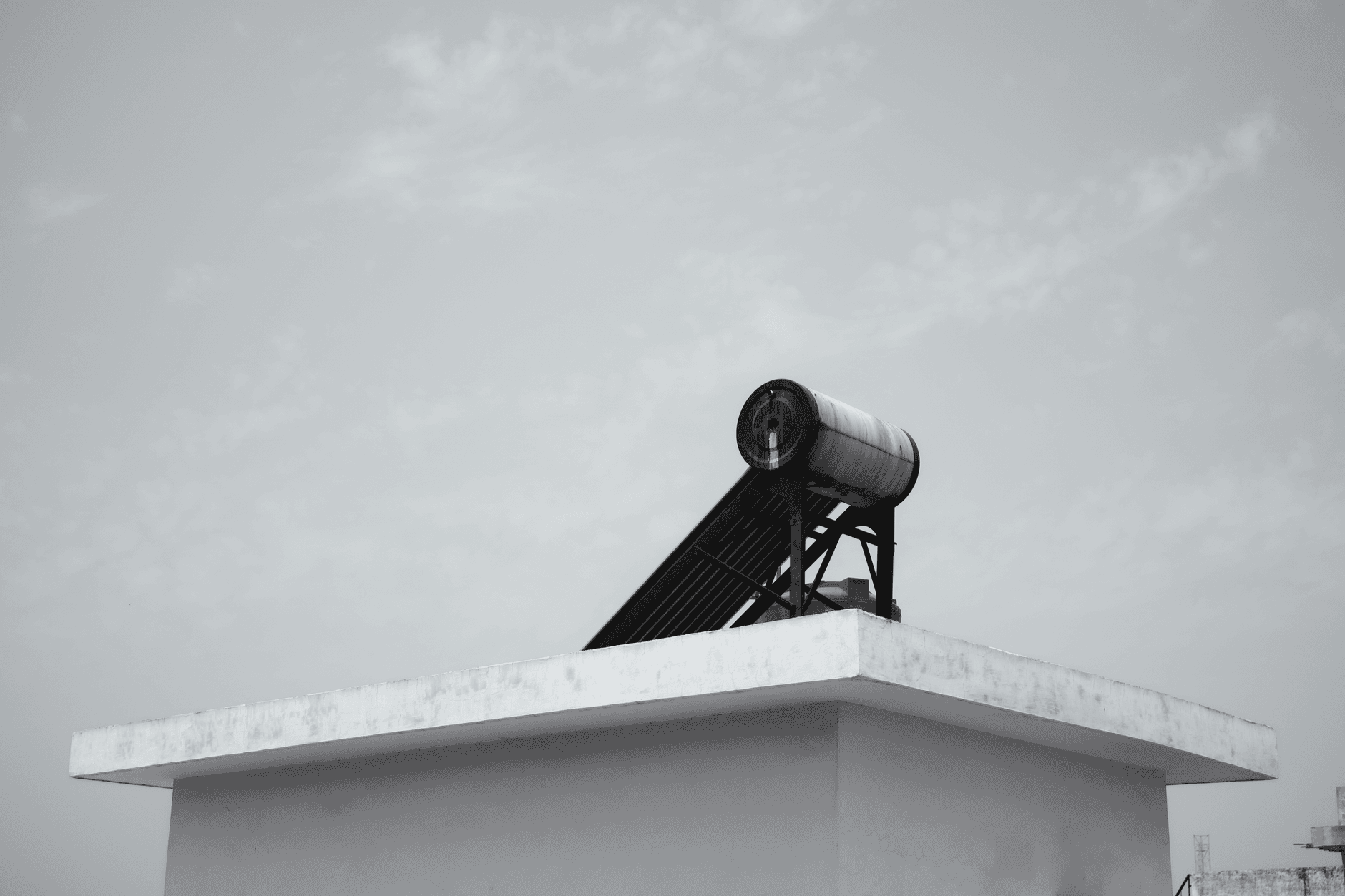
Solar water heating vs PV for Israeli homes
Solar water heaters are more efficient and cheaper to run than photovoltaic panels for hot water in Israel, with a payback of ~20 years versus ~17 years for a 5 kW PV system.
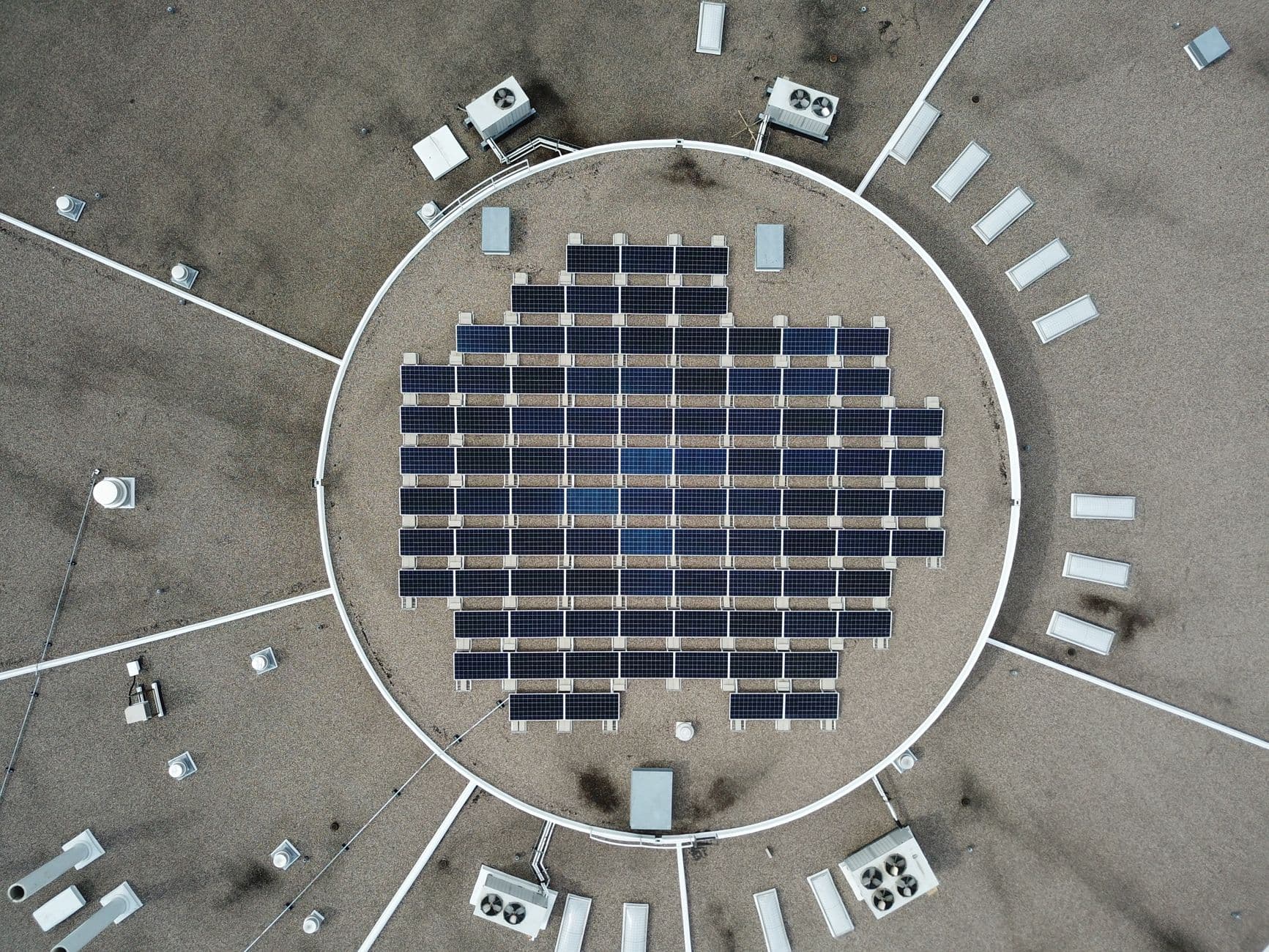
Shared rooftop solar for Israeli apartments – key facts
Israel now mandates shared rooftop solar on new apartment buildings, delivering up to 15 kW per block and cutting tenants’ electricity bills by roughly 14,000 NIS per year.
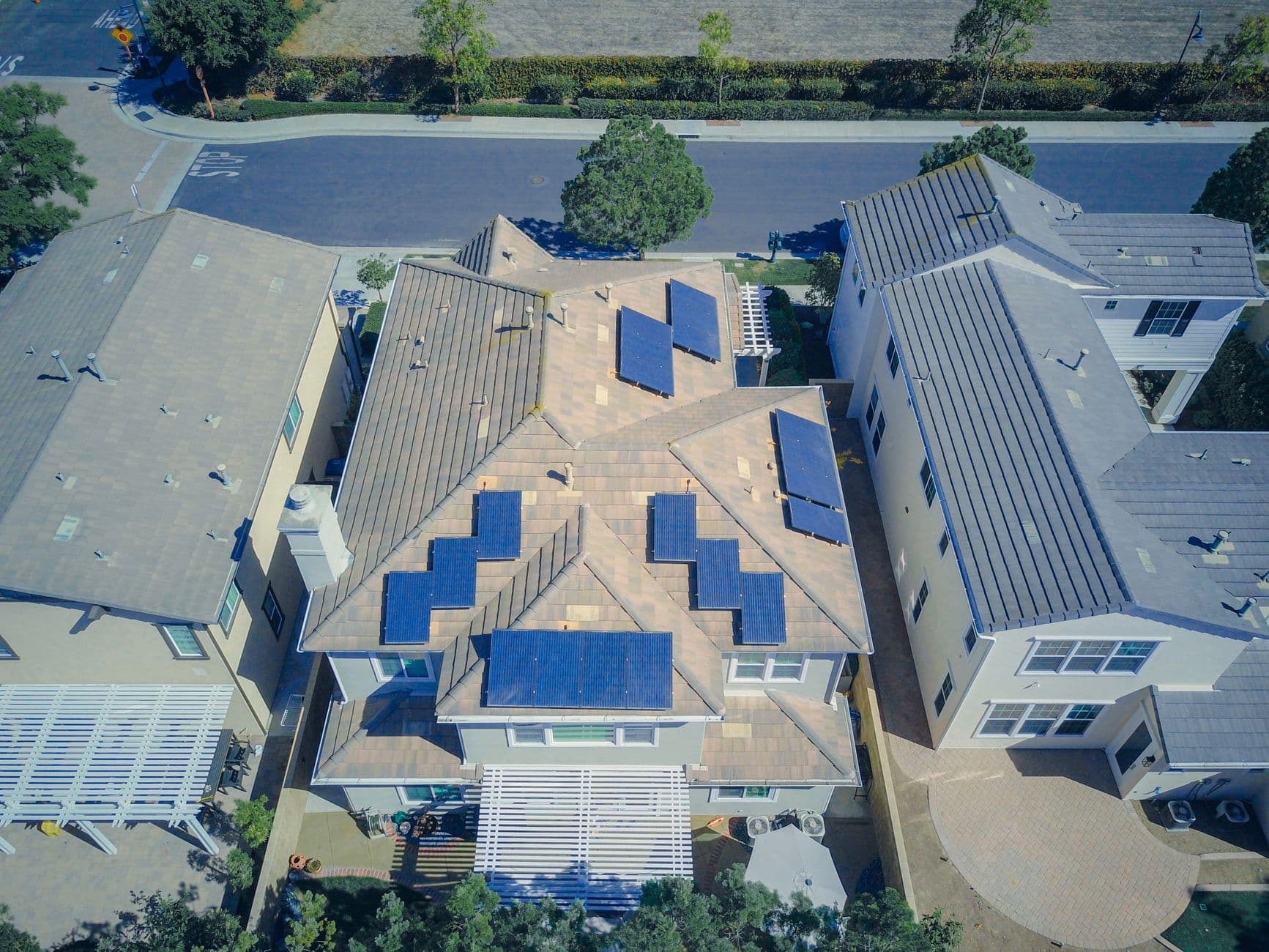
Choosing Solar Panels for an Israeli Home – Costs, Returns, and What It Means for You
A 15 kW rooftop solar system in Israel costs about NIS 81,000, earns roughly NIS 13,000 a year thanks to a 15 % guaranteed return, and pays back in just over six years.
U.S. DOE Solar Cost Benchmarks Show 15 kW Home System Costs Around ₪140 k in Israel
The DOE’s 2024 benchmark puts residential solar at $2.50/W, while a 15 kW home system in Israel costs about ₪18,000 and pays for itself in under 3 years.
U.S. Residential Solar Rooftop Potential: How Much Power Can Homeowners Capture in 2024?
U.S. rooftops could host about 1.2 TW of solar PV, producing roughly 300 TWh a year – enough to power 30 million homes – while a typical 15 kW home system now costs about $42,000 before tax credits and pays back in ~7.5 years.