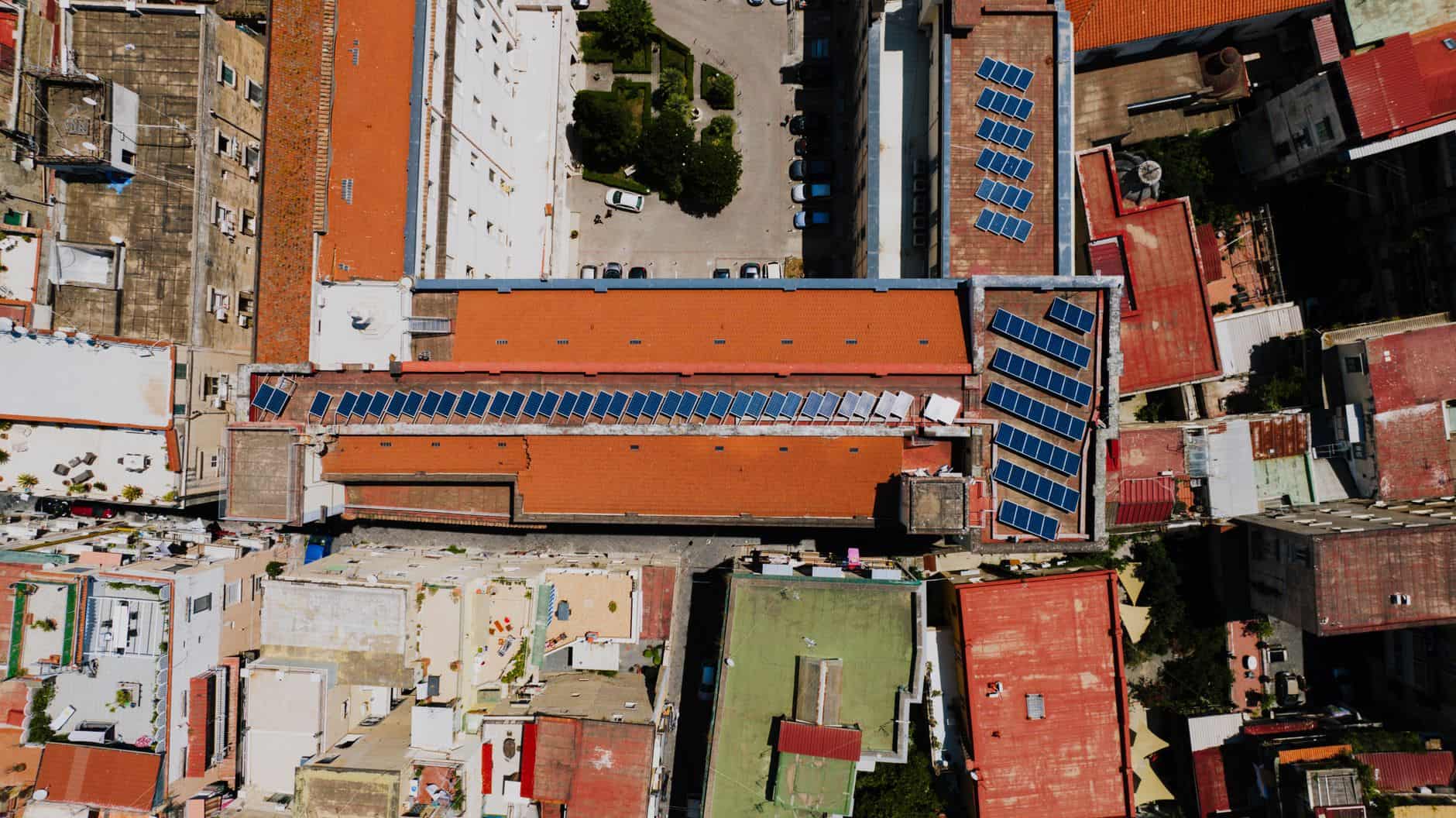
US Rooftop Solar Faces Tough Years Ahead
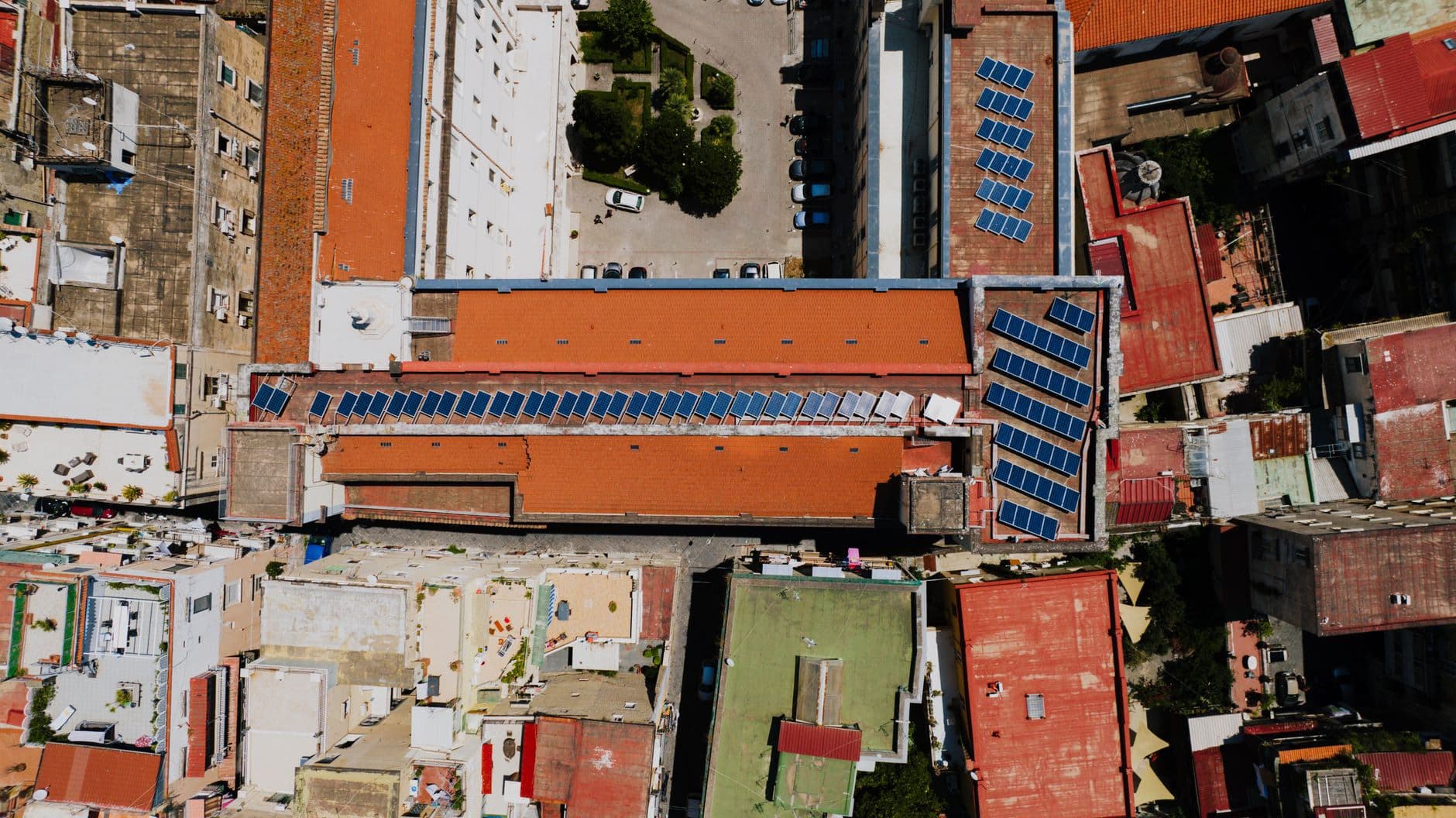
Rooftop solar in the United States is set to stall for the next few years
Rooftop solar installations in the U.S. are expected to flatten or even dip as a mix of fading incentives, tighter net‑metering rules and a surge of cheaper utility‑scale solar eat into the residential market. Canary Media notes that the industry is entering “a tough few years” after a decade of rapid growth, and two other outlets confirm the same trend,.
Installations are already slipping
The most recent quarterly data show a 12 % drop in residential solar builds compared with the same period last year, translating to roughly 96 000 fewer 5‑kW home systems being installed in Q1 2024. That slowdown is the first time the market has contracted since 2012 and signals that the boom is over.
Prices are under pressure from both sides
While the cost of solar modules has continued its long‑term decline – down about 15 % over the past 18 months according to Bloomberg – the price of labor and permitting has risen 8 % year‑over‑year, squeezing profit margins for installers. Greentech Media points out that the average 15‑kW commercial‑grade system now costs roughly $2.9 W, a level that erodes the financial appeal for many homeowners.
Policy changes are the biggest drag
Two policy shifts are driving the slowdown:
- Federal Investment Tax Credit (ITC) step‑down – the 30 % credit that fueled the last wave will fall to 22 % in 2024 and 10 % for residential projects after 2025, according to Bloomberg.
- State net‑metering reforms – states such as California, Arizona and Nevada are capping the amount of excess solar that can be credited, or moving to a value‑of‑solar (VOS) model that pays less per kilowatt‑hour than the retail rate. Canary Media highlights that these reforms could shave 5‑10 % off the expected return on a typical 7‑kW home system.
What it means for Israel
Even as the U.S. market tightens, Israel’s rooftop sector remains buoyant, thanks to higher electricity tariffs and a supportive regulatory framework. Using the verified Israeli figures (₪0.48/kWh residential tariff, ₪3 150/kWp install cost, and a central‑Israel yield of 1 700 kWh/kWp · yr), a typical 10 kWp home system would generate about 17 000 kWh per year, worth roughly ₪8 160 annually. At a ₪31 500 upfront cost, the simple payback is about 3.9 years, well before the 25‑year system life ends. By contrast, a U.S. homeowner facing a reduced ITC and lower net‑metering credits could see the payback stretch beyond 10 years, making the Israeli ROI look especially attractive.
“The U.S. market is entering a correction phase, but the fundamentals of solar – falling hardware costs and clean‑energy demand – are still solid,” says solar analyst Laura Miller of Wood Mackenzie (quoted in Bloomberg).
Outlook: diversification and storage as the next growth levers
Analysts agree that the next wave of residential solar will be tied to energy‑storage bundles and smart‑home integration rather than pure panel installs. Greentech Media notes that battery‑plus‑solar packages are already seeing a 20 % higher conversion rate in markets where net‑metering is limited. In Israel, the Electricity Authority’s recent pilot program for residential battery incentives could further shorten payback periods and keep the market on an upward trajectory.
Bottom line: The U.S. rooftop solar market is entering a period of slower growth and tighter economics due to policy roll‑backs and rising soft costs, while Israel’s higher tariffs and stable incentives keep residential solar financially compelling. Homeowners in both countries should start looking at bundled solar‑plus‑storage solutions to protect their investments.
For a quick Israeli payback estimate, try our solar ROI calculator. For the latest market data, visit our solar data hub.
FAQ
Why is US rooftop solar growth slowing?
Because the federal tax credit is dropping from 30 % to 22 % in 2024 and many states are tightening net‑metering, which reduces the financial return for homeowners.
How much did residential solar installations fall in the US in early 2024?
Quarterly data show a 12 % decline, roughly 96 000 fewer 5‑kW systems installed in Q1 2024 compared with the same period a year earlier.
Are solar panel prices still falling?
Yes, module prices have dropped about 15 % over the past 18 months, but labor and permitting costs have risen about 8 %.
What is the payback period for a typical Israeli home solar system?
A 10 kWp system costs about ₪31 500 and earns roughly ₪8 160 per year, giving a simple payback of about 3.9 years.
Will storage help US homeowners offset the policy headwinds?
Bundling batteries with solar can improve the economics by up to 20 % in states where net‑metering credits are reduced.
Is the US market expected to recover?
Analysts expect a modest rebound once new storage‑focused business models mature, but growth will be slower than the double‑digit gains of the past decade.
Share this post
More from Markets
5
Enlight launches solar data farms Israel, Canada
Enlight will build solar‑powered data farms on income‑producing real estate in Israel and Canada, merging rooftop PV with colocation space to meet the exploding demand for green computing.

Global Solar Additions Hit Record 664 GW in 2025
The world added a record 664 GW of solar capacity in 2025, pushing total installed solar past the 3 TW milestone, but growth slowed to 12 % and a contraction is forecast for 2026.

Otovo Acquires Green Panel for $11M Expands EMEA
Otovo bought Israel’s Green Panel for $11 million, adding Israel to its EMEA solar footprint and promising easier, financed rooftop solar for Israeli homes.

Pakistan Solar Panel Prices Jump – What It Means
Pakistan’s solar panel prices have risen to about PKR 48 per watt, pushing a typical 5 kW home system toward PKR 280,000‑300,000, while the country imported a record 16 GW of modules in 2024.

Europe’s C&I Solar & Storage Boom Hits 78% Growth
Europe’s C&I solar‑plus‑storage market is set to grow 78 % in 2026, driven by revenue‑stacking, integrated EMS and strong brand trust, a trend that offers Israeli businesses a clear roadmap for faster pay‑back and resilience.