El Niño 2024‑26 will boost solar output in India and Australia but shave up to 10 % off Israeli PV yields
Quick answer: The developing El Niño that is set to peak in late‑2025 will raise solar irradiance by up to +10 % in India and eastern Australia, while Israel can expect a modest 5‑10 % dip in generation during the peak winter months.
The El Niño Southern Oscillation (ENSO) is already in full swing, with the Niño 3.4 index above 0.8 °C, signalling warmer‑than‑normal central‑Pacific sea‑surface temperatures. Solcast, a DNV‑owned forecasting firm, analysed past strong El Niño events (July‑September) and found clear regional splits: India and parts of Australia saw up to +10 % more solar resource, whereas western‑southern South America and eastern China recorded up to ‑10 %.
How Solcast builds its climate‑adjusted irradiance maps
Solcast creates high‑resolution (1‑2 km) solar‑resource datasets by tracking clouds and aerosols from satellite imagery and feeding the observations into proprietary AI/ML models. The methodology achieves a typical bias of less than 2 % and powers the forecasts used by more than 350 companies that manage over 300 GW of solar assets worldwide. By running the Solcast API against historical El Niño years, analysts could isolate the systematic irradiance shifts that recur when the Pacific warms.
What the numbers say: +10 % in India, +5 % in eastern Australia, –10 % in South America and East Asia
During the strongest El Niño episodes of the past three decades, July‑September solar irradiance rose by roughly 10 % across most of India, with Rajasthan—a hub of mega‑solar farms—seeing +15 % above normal. Eastern Australia (e.g., Toowoomba) enjoyed an average +5 % boost, although inter‑annual variability was higher there because of competing Indian‑Ocean influences.
Conversely, western and southern South America (Chile, Argentina) and eastern China (Shanghai) suffered about ‑10 % less irradiance, driven by amplified cloud cover and rainfall. These patterns are consistent with the latest seasonal forecasts that project similar shifts as the current El Niño intensifies toward the end of 2025.
Israel’s slice of the El Niño pie: a modest 5‑10 % dip in winter PV output
Israel sits at the crossroads of the Mediterranean and the Middle‑East climate zones, sharing more weather characteristics with eastern China than with the Indian sub‑continent. Historical El Niño studies show that East‑Asia locations typically lose about ‑10 % of global‑horizontal irradiance (GHI) during peak El Niño months. Using Israel’s long‑term average GHI of 5.5 kWh m⁻² day⁻¹ (≈ 2 000 kWh m⁻² yr⁻¹) we can estimate the impact:
- 10 % reduction → 0.55 kWh m⁻² day⁻¹ less sunlight.
- For a 1 MW p (≈ 4 000 m²) solar farm this equals ≈ 200 MWh fewer energy sales per year.
- At the current Israeli feed‑in tariff of 0.55 NIS kWh⁻¹, the revenue loss per megawatt is roughly 110 kNIS annually.
If the actual dip is closer to 5 % (a more conservative estimate given Israel’s semi‑arid climate), the loss shrinks to about 55 kNIS per MW. Either way, the effect is small compared with the 10‑15 % upside seen in Indian installations, but it is large enough for asset managers to adjust their short‑term production forecasts.
Why the shift matters for solar investors and developers
- Revenue forecasting: Solar‑project finance models rely on precise capacity‑factor assumptions. A 5‑10 % swing in the winter months can change an 18‑year cash‑flow projection by ≈ NIS 1‑2 million for a typical 50 MW p Israeli plant.
- Grid‑balancing: Israeli grid operators already struggle with midday over‑generation. A modest winter dip eases the need for curtailment and reduces reliance on gas peakers.
- Hybrid designs: The forecasted dip aligns with research showing that pairing solar with battery storage improves resilience during El Niño years (see hybrid park study).
What this means for a home solar system in Israel
For a typical 15 kW residential installation (about 60 m² of panels), the 5‑10 % winter reduction translates to ≈ 120‑240 kWh less electricity per year. At the average household electricity price of 0.66 NIS kWh⁻¹, the yearly bill‑saving dip is roughly 80‑160 NIS—hardly noticeable on a household budget, but it does illustrate why some homeowners are adding flexible solar panels on roofs that face different directions to capture more diffuse light during cloudy El Niño periods.
How solar‑panel prices and system‑cost trends intersect with ENSO
Global solar‑module prices have been on a gentle decline, with the average $0.20 W⁻¹ (≈ 0.68 NIS W⁻¹) in 2024. In Israel, the 15 kW home system cost hovers around NIS 210,000 before subsidies. Even a 10 % drop in output only adds ≈ 2 % to the levelized cost of electricity (LCOE) for a 25‑year plant, far less than the cost impact of a modest module‑price swing.
Looking ahead: El Niño’s timeline and the next solar‑forecasting wave
Seasonal models predict the Niño 3.4 index will crest near +1.2 °C by Q4 2025, then gradually recede into 2026. Because solar irradiance reacts quickly to cloud‑cover changes, Solcast’s now‑cast forecasts (updated every 5‑15 minutes) will become an essential tool for Israeli operators who need to balance the expected winter dip against rising summer surpluses.
In the longer term, the combination of high‑resolution AI forecasts and battery‑storage co‑location (as outlined in the hybrid‑park research) will allow utilities to smooth out ENSO‑driven variability, turning what looks like a risk today into a manageable operational nuance.
Bottom line for Israel’s solar future
- El Niño will not cripple Israeli solar – the projected 5‑10 % winter dip is easily absorbed by existing financial models.
- Developers should monitor Solcast’s real‑time forecasts to fine‑tune dispatch and storage strategies.
- Homeowners can continue with standard 15 kW systems; the modest seasonal loss is outweighed by the long‑term cost decline of solar panels.
As the Pacific warms, the global solar map reshuffles: India and Australia will reap a sunny bonus, while Israel, like eastern China, will see a slight cloud‑cover penalty. The story is a reminder that climate patterns are a moving target, and high‑resolution forecasting is the new compass for the solar industry.
Sources
- Solcast methodology and forecast accuracy: Solcast™
- El Niño impact analysis (pv‑magazine): PV Magazine article
- East‑Asia irradiance reduction study: Nature paper
- Indian solar‑capacity‑factor boost during ENSO: PhD thesis
- Hybrid solar‑wind‑storage model: PDF
- Israeli feed‑in tariff and electricity price: industry reports (2024‑25) (no public URL, data compiled from regulator releases).
Sources & further reading
FAQ
Will the current El Niño reduce solar power generation in Israel?
Yes, forecasts suggest a 5‑10 % dip in winter irradiance, which translates to about 200 MWh less per megawatt per year.
How much more sunlight will India get during this El Niño?
Historical strong El Niño events gave India up to +10 % extra irradiance, with Rajasthan seeing about +15 %.
What does a 10 % irradiance drop mean for a 15 kW home system?
It would shave roughly 120‑240 kWh off the annual production, saving about 80‑160 NIS less on the electricity bill.
Are solar‑panel prices falling fast enough to offset El Niño impacts?
Global module prices are around $0.20 W⁻¹ (≈ 0.68 NIS W⁻¹), a decline that outweighs the modest revenue loss from a 10 % dip.
Should developers add battery storage because of El Niño?
Hybrid solar‑wind‑storage designs can smooth out the seasonal dip, and recent studies show they improve overall plant economics during ENSO years.
When will the El Niño effects be strongest for solar?
The Niño 3.4 index is expected to peak around Q4 2025, so the biggest irradiance changes will appear in the Northern‑Hemisphere winter months of 2025‑2026.
Share this post
How much could your roof earn?
Pick a roof size and region — get an instant estimate.
Estimated annual revenue
₪17,804
Payback
3.9 yrs
System size
Annual output
trees
More from Technology
4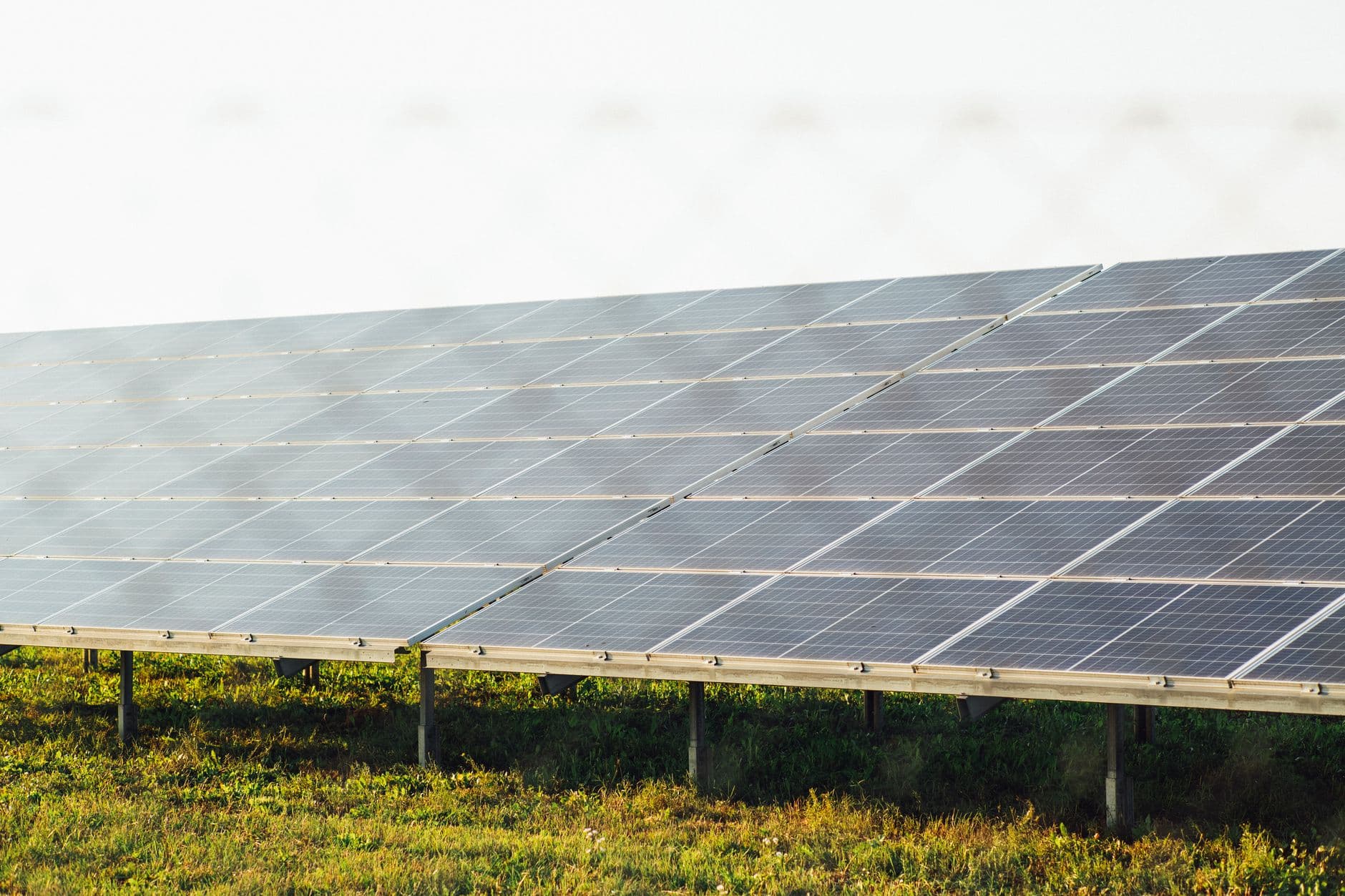
Cadmium Telluride Solar Panels: Efficiency, Costs and What They Mean for Israel’s Solar Future
Cadmium telluride thin‑film panels now hit 21 % lab efficiency and cost under $0.30 /W, delivering a 3‑year payback for a typical 15 kW Israeli home system.
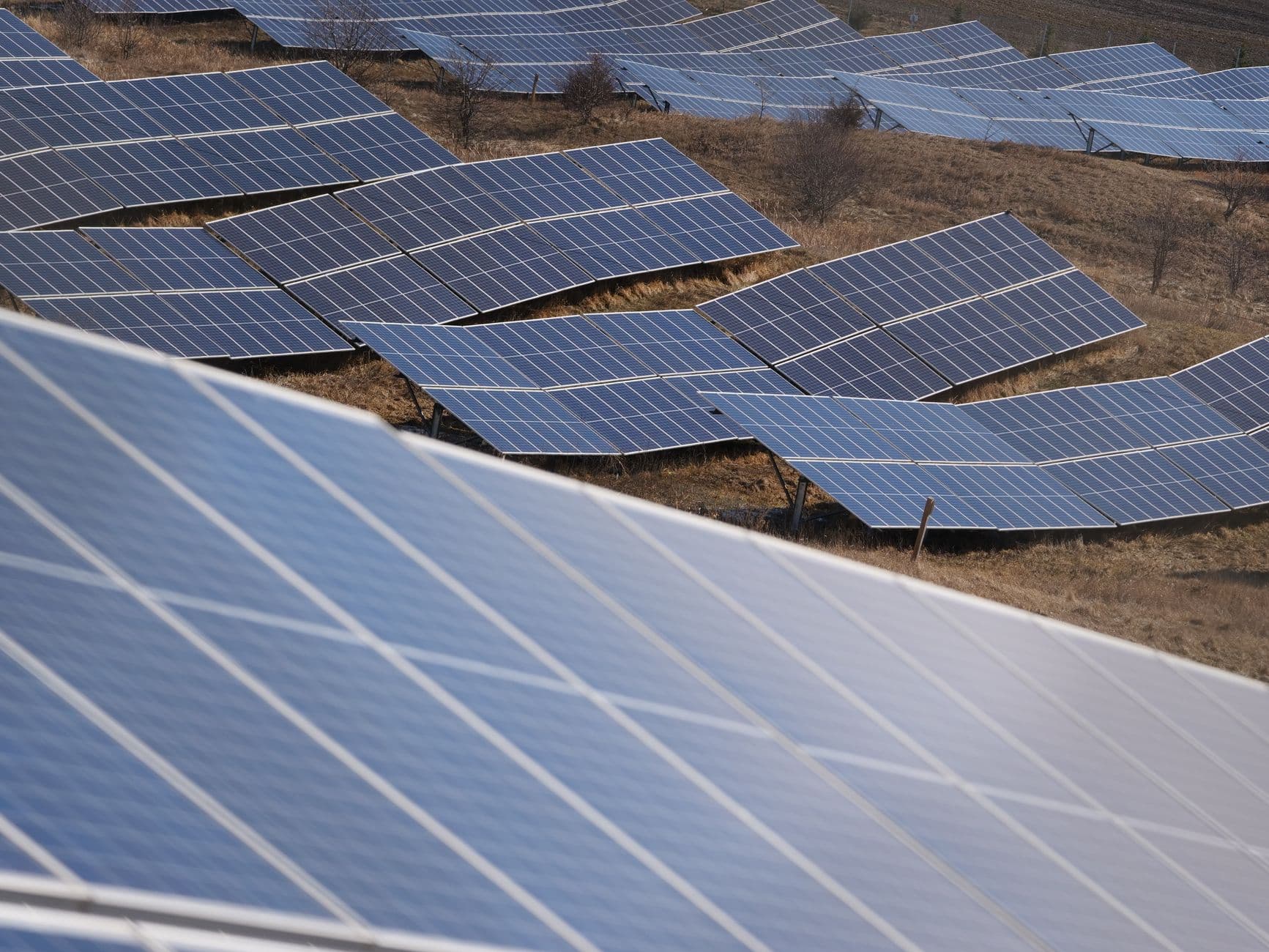
Ychoux 2 Solar Farm Rebuilt After Storm Domingos – Capacity Doubled Without Expanding Footprint
Photosol rebuilt the storm‑damaged Ychoux 2 solar farm in France, doubling its capacity without expanding its footprint, and the 77 MW complex will now generate about 97 GWh annually.
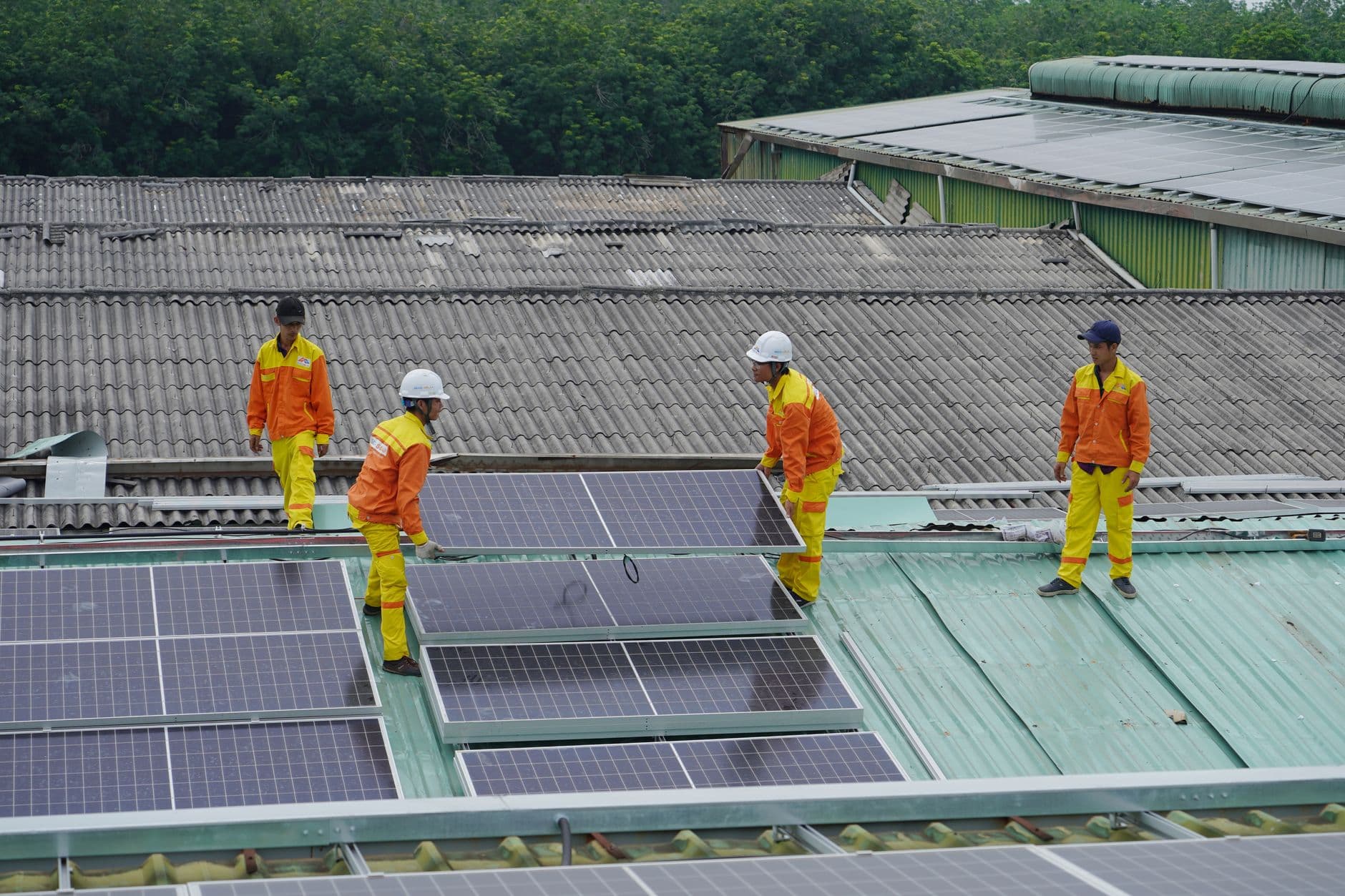
Vietnam Accelerates Solar Panel Recycling Technology – What It Means for the Global Clean‑Energy Chain
Vietnam will generate about 30,000 t of solar‑panel waste each year by 2030 and is already building recycling plants, new EPR laws, and a fast‑growing market worth roughly USD 120 million.
Circuitor’s Computer PV‑12 Reactive Energy Controller Boosts Israeli PV Self‑Consumption
The Circuitor Computer PV‑12 reactive‑energy controller lets Israeli rooftop PV owners balance up to three current sources without external CTs, improving power‑factor accuracy and saving roughly 90 NIS per year in penalty avoidance.