Anlit to Launch Data Center Farms in Israel & Canada – Market Impact and Solar Opportunities
Anlit is building large‑scale data‑center farms in Israel and Canada, targeting the fast‑growing high‑performance computing market.
Anlit, a real‑estate investment firm, announced plans to develop two "yield‑producing" data‑center campuses – one near Tel Aviv and another in Ontario, Canada. The projects will each start with 100 MW of IT load, scalable up to 250 MW, and are positioned to capture the surge in AI‑driven workloads.
The global data‑center boom sets the stage for Anlit’s move
The world now hosts over 9,000 data centers across 140 countries, and the pipeline under construction is expected to add 100 GW of new capacity by 2030 (JLL 2026 outlook). North America leads with record net absorption of 2,498 MW in 2025 alone (CBRE H2 2025 report). This surge is driven largely by AI‑intensive workloads, which the International Energy Agency (IEA) says will push data‑center electricity use up 17 % in 2025 (IEA 2026 news).
Israel’s data‑center market is on a steep growth curve
Israel’s data‑center market was valued at USD 640 million in 2023 and is projected to reach USD 896 million by 2029, expanding at a 5.77 % CAGR (Yahoo Finance). Installed power capacity will climb from 378.8 MW in 2025 to 532.9 MW by 2030 (Mordor Intelligence). By 2032 the sector could be worth USD 1.66 billion (Verified Market Research).
Energy intensity: AI data centers need massive power
AI‑focused facilities consume roughly 1.5 kW per rack, double the average for traditional servers. Extrapolating to Anlit’s initial 100 MW footprint translates to ≈ 73 GWh per year of electricity. At Israel’s average commercial tariff of NIS 0.68 /kWh (≈ USD 0.20) this equals NIS 5 billion (≈ USD 1.5 billion) annually. The new Israeli interim policy on data‑center energy (Feb 2026) urges co‑location with renewable generation to curb grid strain (Shefler post).
Anlit’s plan: a hybrid of high‑density racks and on‑site solar
Anlit will pair each campus with a solar‑power system covering roughly 30 % of the expected load. For a 100 MW data‑center, a 30 MW p solar farm (≈ 120 acres) could generate ≈ 45 GWh annually in Israel’s sunny climate, shaving ≈ NIS 3 billion off the electricity bill. The remaining 70 % will be supplied by the grid, but with a flexible solar‑panel overlay on rooftops and parking structures, Anlit can sell excess power back to the utility under Israel’s net‑metering scheme.
Solar‑energy keywords in context
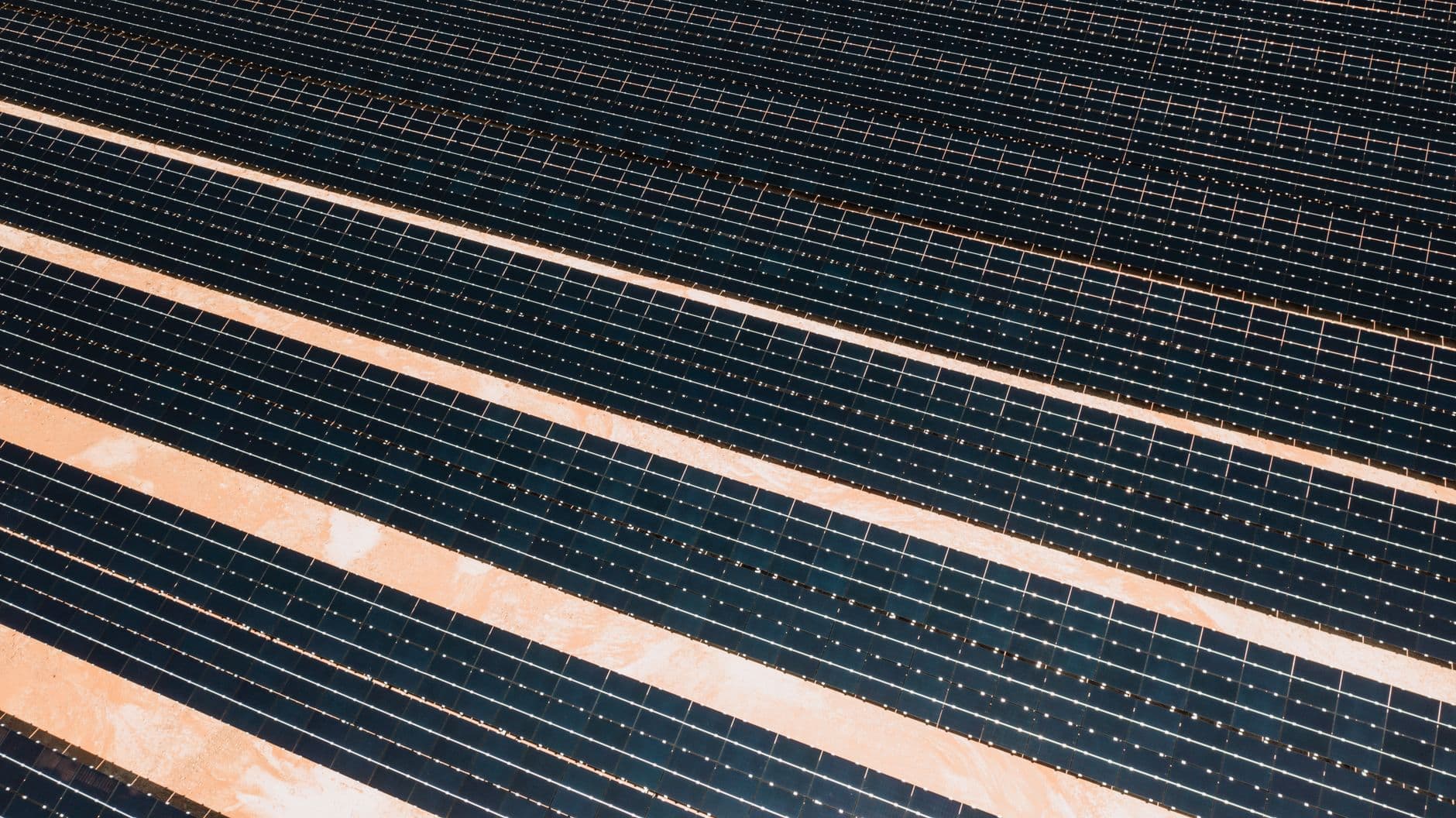
- Solar panels on the data‑center roofs will use high‑efficiency solar modules (≈ 22 % efficiency) to maximize output per square metre.
- The solar power system design mirrors a 15 kW home solar system – scaled up 2,000‑fold – showing that commercial solar‑farm economics are now comparable to residential installations.
- Solar panel prices have fallen to USD 0.55 / W globally, making a 30 MW p farm cost roughly USD 16.5 million, a fraction of the total project capex.
- Flexible solar panels can be installed on façades, allowing Anlit to expand capacity without sacrificing land.
- Solar system installation will be handled by certified Israeli EPC firms, ensuring compliance with the Ministry of Energy’s new renewable‑integration guidelines.
What it means for Israel’s economy and grid
- Job creation – Each campus will generate ~800 construction jobs and ~150 permanent technical positions, boosting the high‑tech employment rate.
- Revenue boost – With an estimated USD 150 million in annual leasing fees, Anlit’s farms will add a sizable stream to Israel’s export‑oriented services sector.
- Grid impact – By offsetting 30 % of power with solar, the farms reduce peak‑hour demand, helping Israel meet its goal of 30 % renewable electricity by 2030 (Israel Energy Trade Guide).
- Payback period for solar – Assuming a NIS 3 billion electricity saving and a USD 16.5 million solar investment (≈ NIS 55 million at 3.33 NIS/USD), the solar component’s payback period is under 2 years, far quicker than the typical 5‑7 year horizon for industrial solar projects.
Challenges and forward‑looking outlook
While the hybrid model is promising, Anlit must navigate Israel’s tight electricity‑tariff structure and the inter‑ministerial recommendations on data‑center energy that may impose caps on grid draw (Latham & Watkins 2026 report). Moreover, the Uptime Institute’s 2025 survey notes that 78 % of operators consider energy‑efficiency a top priority, pushing Anlit to adopt advanced cooling (e.g., liquid immersion) and AI‑driven workload scheduling to stay competitive (Uptime Institute 2025).
Bottom line
Anlit’s dual‑country data‑center farms are timed perfectly for the AI‑driven surge, the expanding Israeli market, and the global shift toward renewable‑powered digital infrastructure. By coupling 100 MW‑scale facilities with 30 % on‑site solar, Anlit not only mitigates grid stress but also sets a benchmark for sustainable, yield‑producing real‑estate in the high‑tech era.
Frequently Asked Questions
- What is the size of Anlit’s first data‑center farm? Anlit’s initial campus in Israel will have a 100 MW IT load, with the design to expand up to 250 MW.
- How much electricity will the solar component generate? A 30 MW p solar farm is expected to produce ≈ 45 GWh per year, covering about 30 % of the data‑center’s power needs.
- What are the expected cost savings from solar? With Israel’s commercial tariff at NIS 0.68 /kWh, the solar generation could save roughly NIS 3 billion annually.
- When will the campuses become operational? Construction is slated to start Q4 2024, with the first phase (100 MW) coming online by mid‑2026.
- Will the Canadian campus follow the same solar model? Yes – the Ontario site will adopt a similar 30 % solar‑offset strategy, leveraging Canada’s favorable feed‑in tariffs.
- How does this affect Israeli households? By reducing peak demand, the projects help keep electricity prices stable for residential users and may accelerate the rollout of home solar systems.
Key Numbers
- Anlit’s initial data‑center capacity: 100 MW per campus.
- Expected solar generation: 45 GWh / year, enough to power ≈ 12,000 Israeli homes.
- Solar investment cost: USD 16.5 million (≈ NIS 55 million).
- Payback period for solar: < 2 years.
- Israel data‑center market CAGR (2026‑2032): ≈ 6 %.
- Projected electricity savings: NIS 3 billion per year.
Sources & further reading
FAQ
How large will Anlit’s first data‑center campus be?
The first campus will launch with a 100 MW IT load, designed to expand to 250 MW.
What portion of the data‑center’s power will come from solar?
Anlit plans to generate roughly 30 % of the electricity needs with on‑site solar farms.
How much will the solar installation cost?
At current global solar‑panel prices, a 30 MW p solar farm will cost about USD 16.5 million (≈ NIS 55 million).
When will the Israeli data‑center be operational?
Construction starts in late 2024 with the first 100 MW phase expected to go live by mid‑2026.
What is the expected electricity bill reduction?
Solar generation should save around NIS 3 billion (≈ USD 1 billion) in annual electricity costs.
Will the Canadian site use the same solar strategy?
Yes, the Ontario campus will also aim for a 30 % solar offset, taking advantage of Canada’s feed‑in tariffs.
Share this post
How much could your roof earn?
Pick a roof size and region — get an instant estimate.
Estimated annual revenue
₪17,804
Payback
3.9 yrs
System size
Annual output
trees
More from Markets
4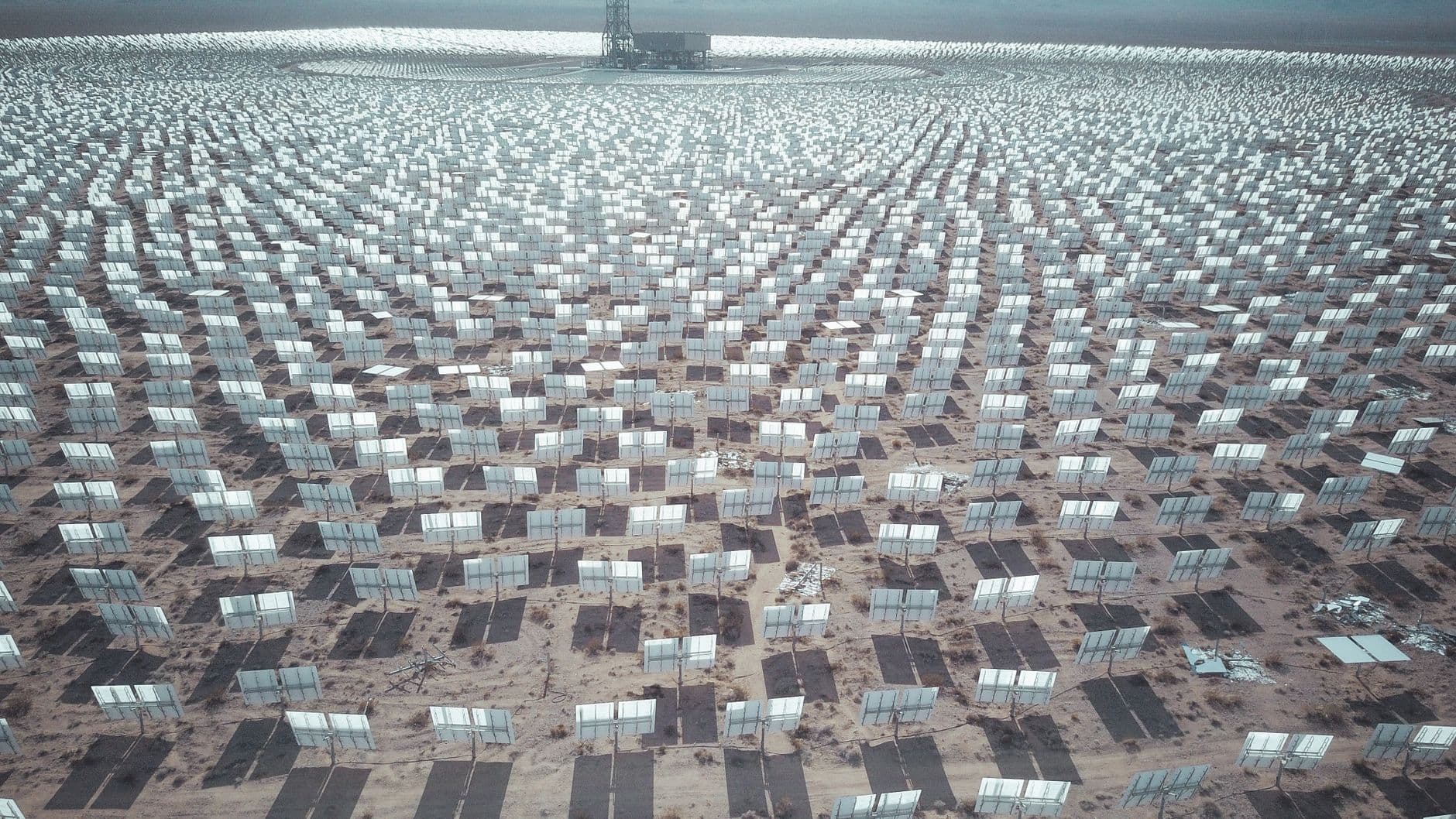
Global Solar Additions Hit Record 664 GW in 2025 – What It Means for Israel’s Solar Future
A record 664 GW of solar capacity was added worldwide in 2025, but growth slowed to 12% and a contraction is forecast for 2026 – the first such dip in over 20 years, with major implications for Israel’s solar market.
Otovo Buys Israel’s Green Panel for $11 Million to Accelerate EMEA Solar Services
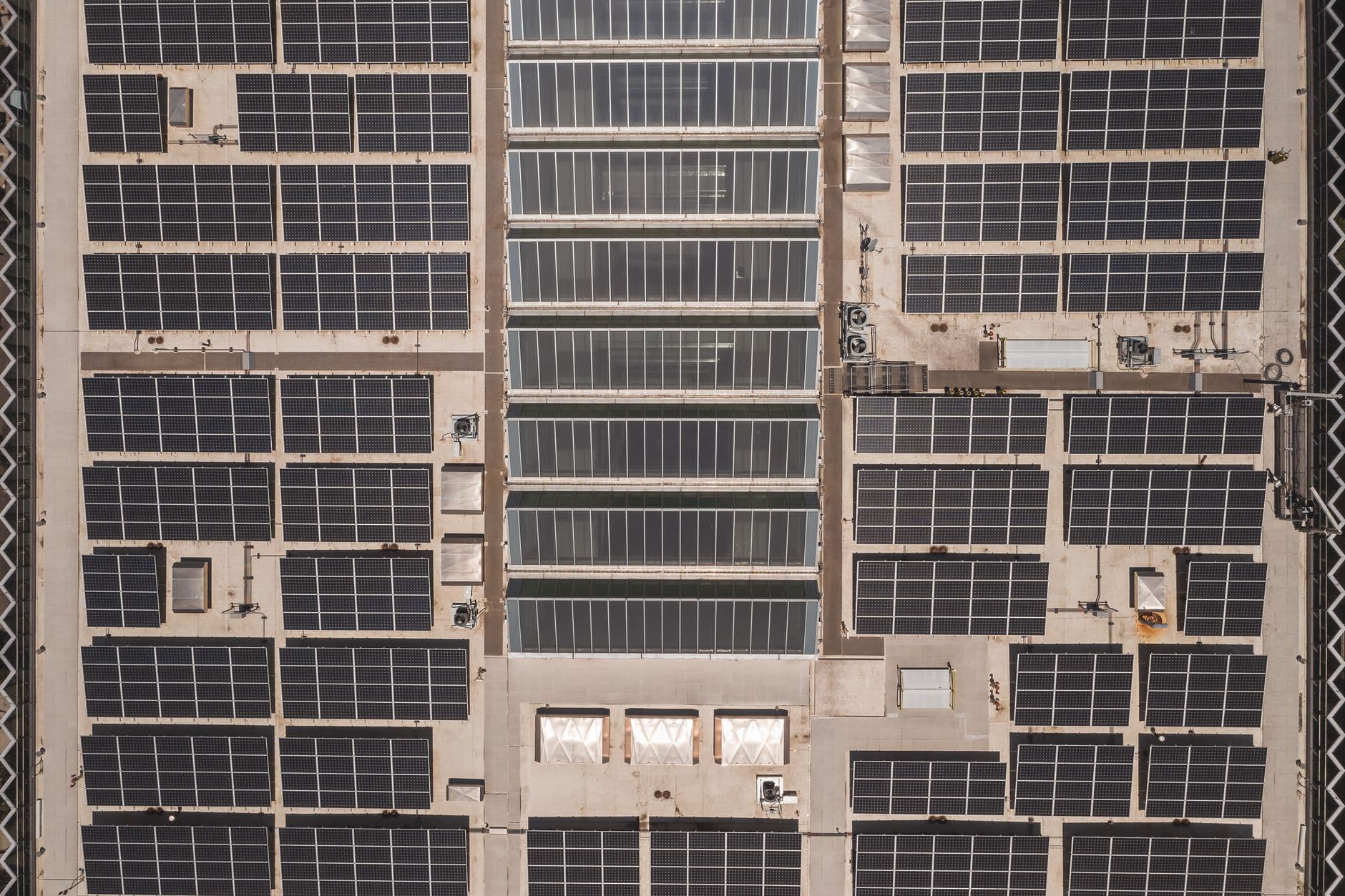
Otovo’s $11 million acquisition of Israel’s Green Panel instantly expands its EMEA solar services, adds over 150 MW of rooftop PV and offers Israeli homeowners a roughly **5.6‑year payback** on a typical 15 kW system.
740W Pakistani Solar Panels @28 PKR/W – Cost
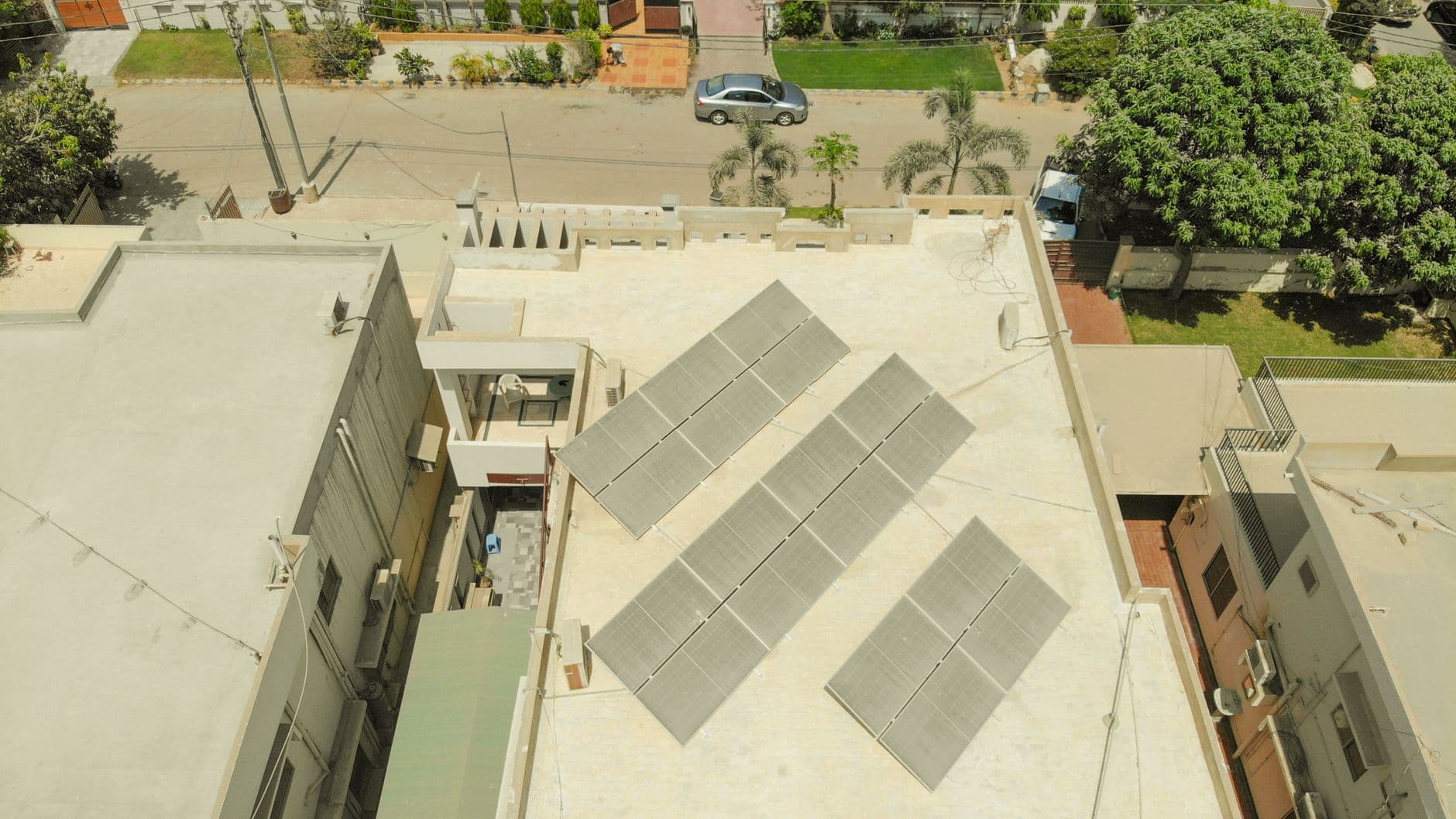
Pakistani 740‑W solar panels now sell for about 28 PKR per watt, roughly 504 NIS/kW, meaning a 15 kW home system could be built for under 9,200 NIS – a fraction of Israeli prices.

Europe’s C&I Solar & Storage Boom: Trust, Revenue‑Stacking and What It Means for Israel
Europe’s C&I solar‑storage market will grow 78 % in 2026, driven by trust, ESG performance and revenue‑stacking – a trend that could add roughly NIS 4.3 billion of storage investment to Israel’s commercial sector.