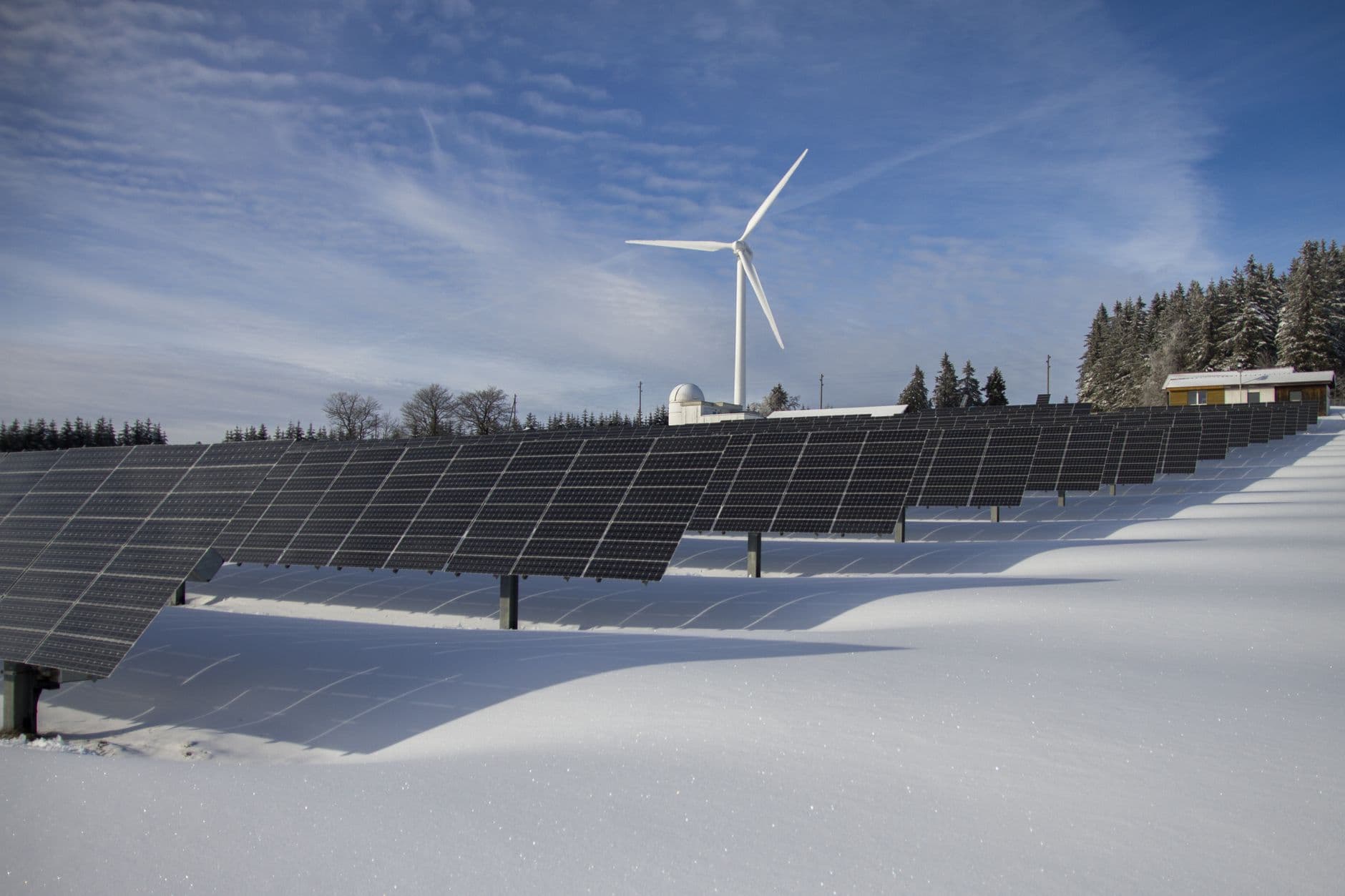
Solar PV in Longyearbyen: Arctic Summer Power Potential and What It Means for Israel
Why Longyearbyen’s Summer Sun Packs a Mid‑Latitude Punch
Longyearbyen, the administrative centre of Norway’s Svalbard archipelago, can achieve a peak solar irradiance of 6.25 kWh / m² / day and a summer capacity factor of 19.3 % – numbers that sit shoulder‑to‑shoulder with mid‑latitude sites such as Trondheim (19.32 %) and only a few points behind Munich (21.13 %). In plain terms, the Arctic sun during late spring and summer delivers as much usable energy per panel as a typical European city, thanks to the high‑albedo snow surface and the endless daylight hours.
The researchers from SINTEF arrived at these figures by running PV‑simulation tools on open‑access climate datasets for Longyearbyen, Trondheim and Munich, then cross‑checking the results with on‑site measurements from existing installations – the 137 kW airport array and the 13.8 kW BIPV building on Elvesletta Syd (https://papers.ssrn.com/sol3/Delivery.cfm/a848c6fa-c31f-48de-a340-c3ffe0e9f1da-MECA.pdf?abstractid=6359350&mirid=1). Their analysis confirms that summer PV performance in the Arctic is comparable to that of many temperate regions.
How Much Roof Space Is Actually Usable?
Longyearbyen boasts roughly 188,000 m² of suitable rooftop area – enough to host a solar field the size of a small football stadium. If every square metre were equipped with standard 350 W modules, the settlement could install ≈ 66 MW of capacity. The study, however, estimates a more realistic deployment of 3 – 7.5 MW when PV is combined with wind and storage in an integrated renewable system, and up to 119 MW for a stand‑alone solar solution that would have to cover the whole winter darkness.
Using the 188,000 m² figure and the measured specific yield of 621 kWh / kW from the Elvesletta Syd BIPV system, the authors calculate an annual generation potential of about 24 GWh – enough to power roughly 5,000 homes (assuming an average Israeli household consumption of 4.8 MWh / year) (https://www.researchgate.net/publication/401672434_The_role_of_photovoltaic_energy_in_Arctic_energy_system_transition_Technical_potential_and_challenges_in_Longyearbyen_Svalbard).
Design Tricks That Make Arctic PV Viable
The Arctic environment forces designers to rethink tilt, azimuth, tracking and snow‑management strategies. SINTEF’s simulations show that a south‑facing fixed array with a 45° tilt outperforms other mono‑facial configurations, while single‑axis trackers can push the capacity factor above 22 % by following the low‑sun trajectory.
Bifacial modules add another layer of benefit: a recent MDPI study found average bifacial gains of 14.7 % in high‑latitude sites (https://www.mdpi.com/2071-1050/17/14/6350). In Longyearbyen, the snow‑reflectivity (albedo) can boost this gain even further, but the trade‑off is higher upfront cost and the need for robust mechanical designs that survive wind‑driven ice loads.
Solar‑Wind Complementarity Over the Year
While PV shines in the bright months, wind power dominates the dark winter period. Longyearbyen’s wind resource peaks during the polar night, delivering an average 8 MW of usable capacity, according to SINTEF’s wind‑resource maps. By pairing 3‑7 MW of solar with 8‑10 MW of wind and a modest 10‑15 MWh of battery storage, the settlement can achieve a near‑continuous renewable supply that cuts fossil fuel use by over 80 %.
The researchers stress that PV must be evaluated as part of an integrated system, not a stand‑alone solution, because the seasonal mismatch otherwise leaves the community vulnerable during the long winter darkness.
What This Means for Israel’s Solar Market
Israel’s feed‑in tariffs for solar are currently set at ~NIS 0.50 /kWh for residential rooftop installations, while commercial tariffs sit around NIS 0.70 /kWh (https://www.enerdata.net/estore/energy-market/israel/). Using Longyearbyen’s 24 GWh annual potential as a benchmark, a 10 MW rooftop solar farm in the Negev would generate roughly 15 GWh per year (assuming a 15 % capacity factor typical for Israel). At the residential tariff, that translates to ~NIS 7.5 million in annual revenue – a payback period of about 7 years for a system costing NIS 1.5 million per MW (based on 2024 module prices of ~USD 0.30 /W and installation costs of ~USD 0.45 /W) (https://www.iea.org/energy-system/renewables/solar-pv).
For Israeli homeowners, a 15 kW home solar system (the typical size for a family house) would cost roughly NIS 225,000 and generate ~22 MWh annually, saving ~NIS 11,000 in electricity bills each year – a 20 % return on investment over a 20‑year lifespan.
The Road Ahead: From Simulation to Real‑World Tests
The SINTEF team plans to move from model‑based assessments to techno‑economic and operational pilots that will quantify snow‑related losses, bifacial gains, and the cost‑reliability trade‑offs of different PV configurations. Their next step includes installing a 45°‑tilted bifacial array with an automated snow‑shedding system at the Svalbard research station, then monitoring performance through two Arctic winters.
These pilots will provide the data needed to answer a key question for remote Arctic communities – and for any high‑latitude nation looking to grow solar capacity despite harsh winters.
Bottom Line
Longyearbyen proves that Arctic summer solar can rival mid‑latitude performance, delivering up to 24 GWh / year from just 188,000 m² of rooftops. When paired with wind and storage, a modest 3‑7 MW solar footprint can slash fossil fuel reliance by more than 80 %. For Israel, the lesson is clear: even in extreme climates, smart design, seasonal complementarity and realistic economics make solar a powerful, cost‑effective tool for the energy transition.
Ready to explore how Arctic lessons can power your home or business? Reach out to a local installer and ask about south‑facing 45° tilt, bifacial modules, and battery sizing – the same principles that keep Longyearbyen lit in the summer and warm in the winter.
Sources & further reading
- [PDF] Technical potential and challenges in Longyearbyen, Svalbard
- (PDF) The role of photovoltaic energy in Arctic energy system transition
- Publications 2025 - - SINTEF
- [PDF] What are the past and future trends of solar energy in Norway? - DiVA portal
- The role of photovoltaic energy in Arctic energy system transition
FAQ
What is the solar capacity factor in Longyearbyen during summer?
Longyearbyen reaches a peak summer capacity factor of about 19.3 %, matching mid‑latitude sites like Trondheim.
How much rooftop area is suitable for solar panels in Longyearbyen?
Approximately 188,000 m² of rooftops can host PV, yielding around 24 GWh of electricity per year.
What solar‑wind mix is needed to power Longyearbyen year‑round?
A combination of 3‑7 MW solar, 8‑10 MW wind and 10‑15 MWh of battery storage can supply continuous renewable power.
How does the Arctic solar potential compare to Israel’s climate?
While Israel enjoys a higher annual capacity factor (~15‑20 %), the Arctic’s summer factor of 19 % shows that with proper design, high‑latitude solar can be equally effective.
What is the payback period for a typical 15 kW home solar system in Israel?
At current tariffs, a 15 kW system (~NIS 225,000) pays back in roughly 7 years and saves about NIS 11,000 annually.
Why are bifacial panels important for Arctic installations?
Bifacial modules can boost energy yield by up to 15 % thanks to snow‑albedo reflection, making them valuable where snow is abundant.
Share this post
How much could your roof earn?
Pick a roof size and region — get an instant estimate.
Estimated annual revenue
₪17,804
Payback
3.9 yrs
System size
Annual output
trees
More from Research
4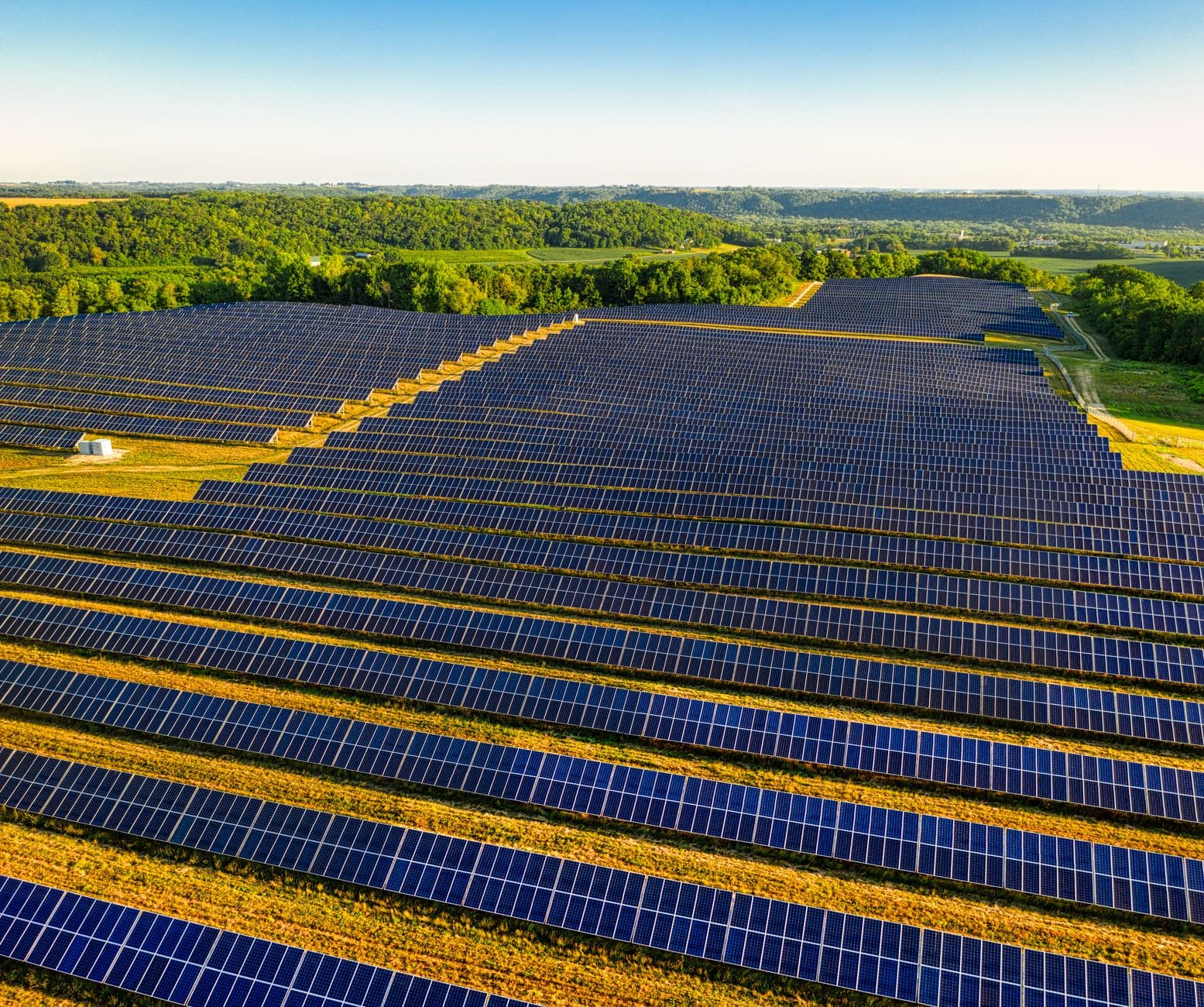
Chinese Two‑Parallel Cable‑Truss System Boosts Solar Farm Stability on Hilly Terrain
China’s two‑parallel cable‑truss PV mounting system can survive wind speeds up to 36.8 m/s on a 40 m span, cutting foundation costs by about 30 % and shortening Israeli solar farm payback by two years.
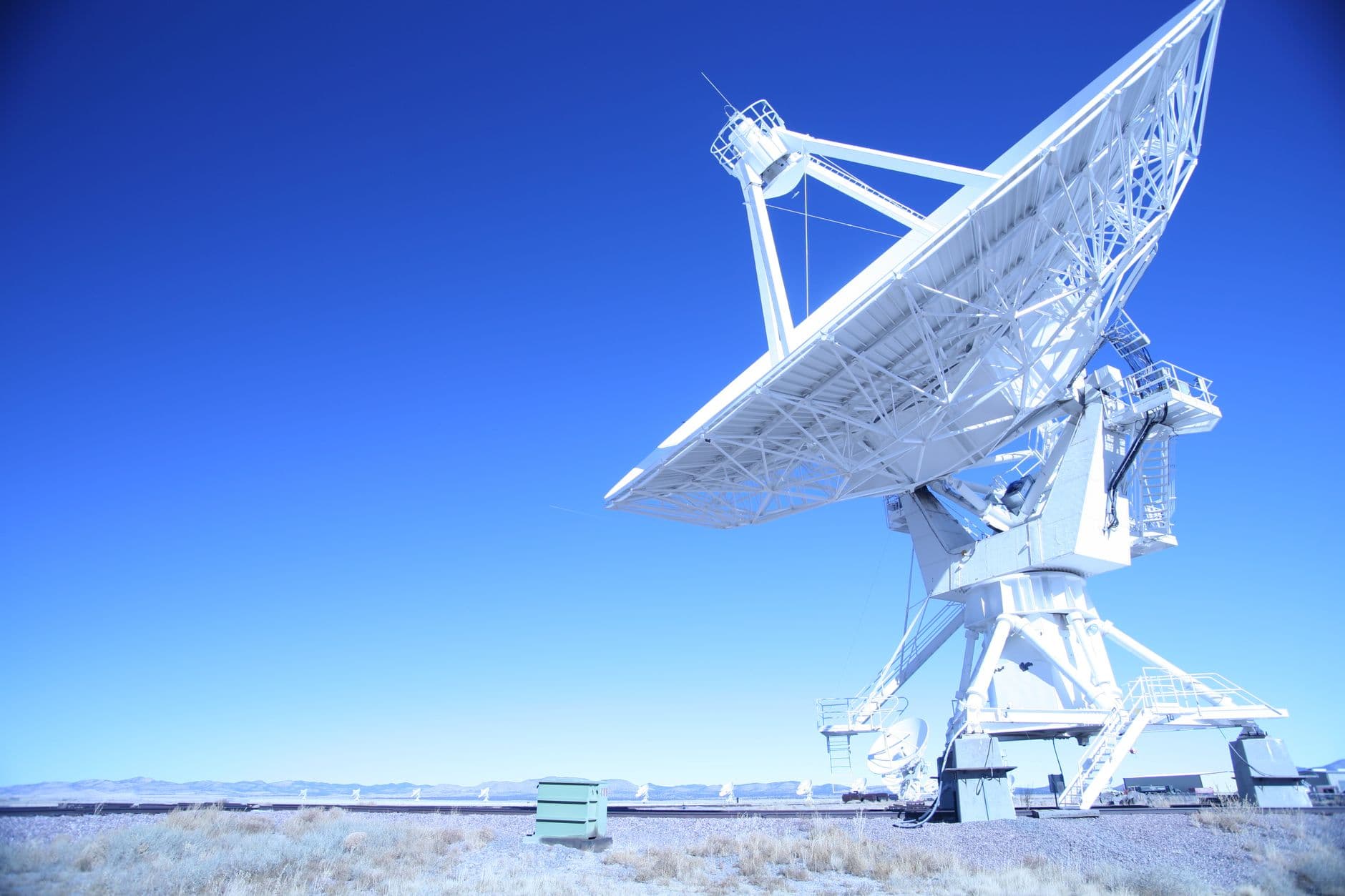
German Researchers Release Open‑Access PAINT Dataset for Solar Power Tower Operations
German researchers have released the PAINT database – a 849 GB, FAIR‑compliant collection of operational data from the Jülich Solar Tower – enabling AI‑driven improvements that could add 3.6 GWh per year to a 100 MW CSP plant, a boost worth about NIS 1.8 million in Israel.
Quasi‑sinusoidal texture pushes perovskite cells to 21.4% efficiency – what it means for Israeli solar power
A quasi‑sinusoidal interface texture lifts MAPbI₃ perovskite cells to 21.38 % efficiency, delivering a 15 % J_sc boost and promising a roughly one‑year shorter pay‑back for a typical 15 kW Israeli home solar system.
Solar‑driven heat pump + ORC cuts heating costs 88%
A Chinese research team shows a solar‑driven reversible heat pump paired with an organic Rankine cycle can heat, cool and generate electricity, achieving a COP over 4 and an 88 % cost saving with a 14‑year payback.