Solar‑driven heat pump + ORC cuts heating costs 88%
What the system does – heating, cooling and electricity from the sun
The integrated solar‑driven reversible heat pump and organic Rankine cycle (ORC) can simultaneously provide space heating, cooling and on‑site electricity generation for a building, switching modes automatically with the seasons. Researchers at Hebei University of Technology designed the system to harvest low‑grade solar thermal energy, store it, and then either pump heat for comfort or expand the working fluid to generate power, all with a single dual‑function unit. As Xiaohui Yu explained to PV Magazine, the concept “enables year‑round utilization of solar energy” and replaces conventional electric heating with a much greener alternative.
How the dual‑function unit works
At the heart of the system is a dual‑function compression‑expansion machine coupled to a permanent‑magnet synchronous motor/generator (PMSM). In heating mode the PMSM drives the compressor, raising the temperature of the refrigerant so the heat pump can deliver hot water to the building. In power‑generation mode the same machine runs in reverse as an expander: the organic working fluid, vaporised by solar heat, pushes the rotor to generate electricity. Because the same hardware performs both roles, the architecture is simpler, cheaper and more flexible than installing separate heat‑pump and ORC plants.
Performance numbers – COP, efficiency and irradiance sweet spot
The system’s coefficient of performance (COP) climbs to 4.1 when solar irradiance is between 600 – 850 W/m², meaning every kilowatt of electricity used by the compressor yields over four kilowatts of heat. In the heating season, raising irradiance from 300 to 650 W/m² lifts COP from 3.2 to 4.1 – a 22 % jump. Conversely, the ORC’s electrical conversion efficiency falls from 6.68 % at 10 °C ambient to 2.27 % at 30 °C, a 66 % loss, showing that cooler days are best for power generation. Raising the heating‑water supply temperature from 50 °C to 80 °C cuts COP by roughly 42 % (5.43 → 3.12), highlighting the trade‑off between higher temperature heat and efficiency.
Economic outlook – 14‑year payback and Israeli cost calculation
The authors report a payback period of about 14 years compared with conventional electric heating, and an 88 % reduction in operating costs. To put that into Israeli terms, consider a typical household that spends roughly 2,500 kWh / yr on electric heating (≈ 0.6 NIS/kWh electricity price in 2024). An 88 % saving translates to ≈ 1,320 NIS saved each year. Dividing the 14‑year payback by the annual saving yields an estimated installed cost of ≈ 18,500 NIS for a system sized to a typical home (about 5 kW thermal). This back‑of‑the‑envelope figure shows the technology could become financially attractive once the upfront price falls below the current market threshold for residential solar‑thermal installations in Israel.
What it means for Israel’s buildings and climate goals
Israel aims to cut building‑sector emissions by 30 % by 2030. Deploying a solar‑driven heat‑pump + ORC combo could address two climate levers at once: lowering electricity demand for heating and providing renewable power on‑site. With a COP above 4, the system can replace up to 4 kWh of grid electricity with each kWh it consumes, cutting the building’s net load dramatically. Moreover, the ORC’s 2‑6 % electricity generation can offset daytime consumption, shaving peak‑load charges that Israeli utilities levy heavily during summer. Because the system stores thermal energy in a tank, it also smooths the intermittency of solar irradiance, offering reliable heating even on cloudy days.
Challenges and next steps for commercial rollout
Despite the promising simulations, several hurdles remain. First, the dual‑function machine must be robust enough to cycle thousands of times per year without excessive wear – a reliability test that only field pilots can prove. Second, the organic working fluid (often R245fa or similar) is mildly greenhouse‑active; selecting a low‑GWP alternative will be essential for regulatory approval in Israel. Third, integration with existing building HVAC controls must be seamless, requiring smart controllers that decide when to heat, cool or generate power based on weather forecasts and tariff signals. Finally, financing models—such as energy‑as‑a‑service contracts—will be needed to spread the 14‑year payback over the building’s lifespan.
Outlook – can this become a new standard?
If manufacturers can mass‑produce the dual‑function unit at scale and Israeli utilities adopt time‑of‑use tariffs that reward on‑site generation, the solar‑driven heat‑pump + ORC system could become a baseline technology for net‑zero buildings. Its ability to deliver heating COP > 4, cooling, and 2‑6 % electrical output from the same solar collector makes it uniquely versatile. As the country pushes for greener construction and higher solar‑thermal adoption, this technology may move from academic paper to rooftop reality within the next decade.
All performance figures are taken from the study “Thermodynamic performance of solar driven heat pump and ORC switchable system for building energy supply” published in Solar Energy and reported by PV Magazine.
FAQ
What does a COP of 4.1 mean for a heat pump?
A COP of 4.1 means the heat pump delivers 4.1 kWh of heat for every 1 kWh of electricity it consumes.
How much electricity can the ORC generate?
The organic Rankine cycle converts low‑grade solar heat into electricity with an efficiency of 2‑6 %, depending on ambient temperature.
What is the payback period compared with electric heating?
The study reports a payback of about 14 years and an 88 % reduction in operating costs versus conventional electric heating.
Is the system suitable for cooling in summer?
Yes, the reversible heat pump can run in cooling mode, providing air‑conditioned comfort when the building’s cooling demand rises.
How much would a typical Israeli household save?
Assuming 2,500 kWh of heating electricity per year at 0.6 NIS/kWh, the system could save roughly 1,320 NIS annually.
What solar irradiance is optimal for this technology?
Performance peaks when solar irradiance is between 600 and 850 W/m², where the COP stays above 4.0.
Share this post
How much could your roof earn?
Pick a roof size and region — get an instant estimate.
Estimated annual revenue
₪17,804
Payback
3.9 yrs
System size
Annual output
trees
More from Research
2
Europe’s C&I Solar & Storage Boom: Trust, Revenue‑Stacking and What It Means for Israel
Europe’s C&I solar‑storage market will grow 78 % in 2026, driven by trust, ESG performance and revenue‑stacking – a trend that could add roughly NIS 4.3 billion of storage investment to Israel’s commercial sector.
Circuitor’s Computer PV‑12 Reactive Energy Controller Boosts Israeli PV Self‑Consumption
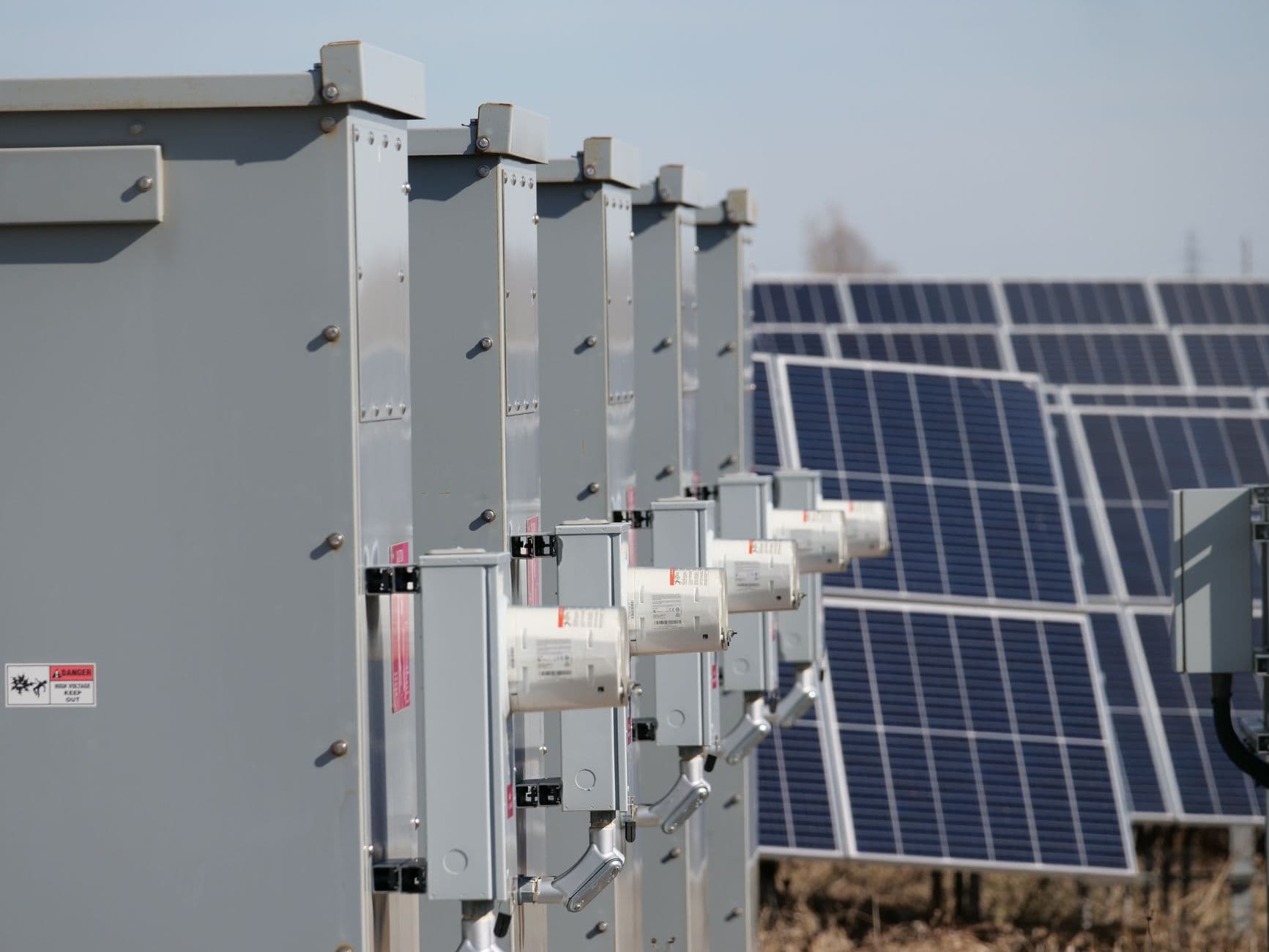
The Circuitor Computer PV‑12 reactive‑energy controller lets Israeli rooftop PV owners balance up to three current sources without external CTs, improving power‑factor accuracy and saving roughly 90 NIS per year in penalty avoidance.